
12 common mistakes that can damage one’s smartphone

12 common mistakes that can damage one’s smartphone

In today’s fast-paced world, smartphones have become indispensable. These devices are one’s communication hub, entertainment source, and personal assistant. With an increasing dependence on these devices, it becomes crucial to use them correctly for prolonged longevity. However, many people inadvertently make common mistakes while handling smartphones that can affect their health and performance. So, here are some mistakes that can harm one’s smartphone and tips on how to avoid them. Not unplugging the phone When a smartphone stays plugged in even after the charging is complete, it experiences a continuous flow of electricity to maintain that charge, resulting in added strain on the battery. This can lead to excess heat, which ultimately contributes to potential damage. To preserve the battery’s health and longevity, it’s advisable to unplug the phone as soon as it reaches its charging potential rather than letting it remain plugged in unnecessarily. Charging the smartphone overnight Leaving a smartphone plugged in overnight might seem convenient, but it’s a mistake that strains the phone’s battery. This continuous charging, often called “trickle charging,” can lead to the battery slowly losing its capacity over time. It eventually leads to an overall diminished battery life and reduced performance. Letting the battery drain fully Many smartphone users may have the habit of using their device until the battery drains completely to 0%.
Read More
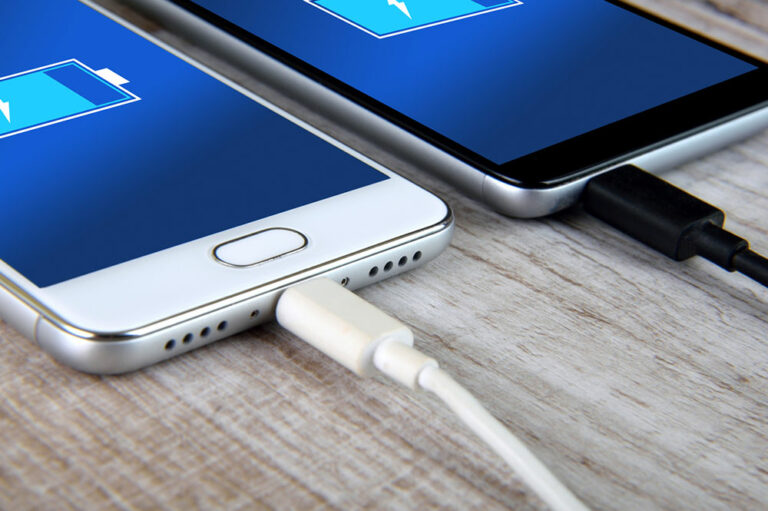
10 mistakes to evade when charging a smartphone

10 mistakes to evade when charging a smartphone

Smartphones have become an inseparable part of most people’s lives. Owing to the constant reliance on them, individuals are always concerned about their phone’s battery percentage and keeping it charged throughout the day. However, in doing so, they often make inevitable mistakes that could prove costly, severely damaging the phone’s functioning and battery life. To ensure smartphones’ longevity and optimal performance, avoiding common charging mistakes, such as the following, is crucial. Charging the phone to 100% It is a common misconception that charging the phone 100% is the most effective way to use it. However, this practice can cause harm to one’s device in the long run. Smartphones, like many other electronic devices, have limited charge cycles. If one constantly charges the phone to full capacity, one will quickly use up all of these cycles. Once the charge cycles are depleted, the phone’s battery capacity will decrease, negatively impacting its overall functionality. To avoid this, it is recommended that one charges the smartphone only once a month and, at other times, only up to 80% for optimal battery lifespan. By following these guidelines, one can extend the phone’s battery’s life and ensure it continues functioning properly over time. Letting the phone discharge completely Letting a smartphone discharge completely, as in, letting the battery reach 0% and shut down, is an equally detrimental practice.
Read More
4 mistakes to avoid when switching cell phone plans

4 mistakes to avoid when switching cell phone plans

Switching cell phone plans is not complicated, but it can be difficult due to the wide range of provider choices. Although there are three to four major providers, the number of available plans is relatively high. This can make it confusing to determine which plan is right. Therefore, one may make blunders and choose the wrong one. Knowing common mistakes to avoid can be useful when considering a switch to cell phone plans. Not researching enough before choosing Major telecommunication companies often offer coverage advertised to function across the nation. Nevertheless, certain networks and packages might perform differently in some regions or areas. Data transfer speed may slow down, calls may be disconnected frequently, or text messages may not be delivered. This is why it is important to determine which carriers provide the best service before switching phone plans. There are a lot of online tools that can be used to test the performance of different carriers based on zip codes. Even customer reviews that are available online can help in figuring out which plans work best in the area. Not unlocking the phone before switching carriers To switch to a new cell phone plan with a different carrier, it is necessary to unlock the phone first.
Read More
5 smartphones ideal for seniors and the elderly

5 smartphones ideal for seniors and the elderly

Smartphones go through new updates quite frequently. Navigating these changes can be challenging, especially for senior and elderly users. Luckily, smartphones with elaborate UIs are not one’s only option. There are several smartphones in the market that are relatively easier to operate. These phones have intuitive interfaces and user-friendly features that seniors can get a hang of. So, here’s a rundown of some of the most popular and easiest smartphones for seniors and the elderly. Apple iPhone 15 Pro Max One of the most highly rated smartphones, the Apple iPhone 15 Pro Max is a good choice. It’s huge high-resolution screen makes it quite suitable for seniors and the elderly. Besides, the iPhone is known to pack in several accessibility features, making it quite simple to make video calls and carry out many other tasks very easily. Moreover, the phone has a relatively longer battery life that ensures it continues running without the hassle of charging it too frequently. Samsung Galaxy S23 Ultra If one is looking for an Android smartphone, the S23 Ultra from Samsung is a dependable option for seniors and the elderly. Along with a large screen, this smartphone has tons of other features that make it highly senior-friendly.
Read More

Read Also

Know more about exciting & latest articles right here

12 surprising facts about COPD to know

12 surprising facts about COPD to know

Chronic Obstructive Pulmonary Disease, also known as COPD, is a well-recognized respiratory ailment that affects millions of lives worldwide. COPD, characterized by symptoms like chronic cough, shortness of breath, and reduced lung function, is a complex condition with multiple layers. While its core features are understood by many, an array of surprising and often overlooked facets surrounds this condition. This article delves into these lesser-known aspects of COPD to comprehensively understand the disease. Underdiagnosed and misdiagnosed cases One of the most surprising facts about COPD is the prevalence of underdiagnosed and misdiagnosed cases. According to the World Health Organization (WHO), more than 90% of COPD cases are estimated to remain undiagnosed. This is partly because early symptoms, such as coughing and shortness of breath, are often attributed to the natural aging process or other respiratory conditions. Additionally, many individuals with COPD do not seek attention until the disease has progressed significantly. Impact on mental health COPD not only affects physical health but also takes a toll on mental well-being. Surprisingly, individuals with COPD are more likely to experience anxiety and depression. The disease’s chronic nature and its impact on daily activities and social interactions may lead to isolation and sadness.
Read More
7 lesser-known signs of multiple myeloma

7 lesser-known signs of multiple myeloma

Multiple myeloma is a type of cancer that primarily affects the plasma cells found in the bone marrow. Plasma cells typically produce antibodies to help the body fight infections. However, in multiple myeloma, certain plasma cells become cancerous and start to multiply uncontrollably, crowding out healthy blood-forming cells in the bone marrow. These cancerous plasma cells can produce abnormal proteins, which can accumulate in the blood and urine, leading to various health problems. Here are the lesser-known signs of multiple myeloma: Recurrent infections Multiple myeloma weakens the immune system, making individuals more susceptible to infections. However, this sign is often overlooked or attributed to other causes. Recurring or persistent infections, such as respiratory infections, urinary tract infections, or skin infections, can be an early indication of an underlying immune system dysfunction caused by multiple myeloma. The connection between multiple myeloma and infections lies in the disease’s impact on plasma cells’ production of antibodies. As the cancerous plasma cells multiply in the bone marrow, they crowd out healthy cells responsible for producing antibodies, impairing the body’s ability to fight infections effectively. Recognizing the link between recurring infections and multiple myeloma can lead to earlier diagnosis and treatment, which may improve the patient’s overall prognosis.
Read More
9 tips for changing the oil and filter on Dodge vehicles

9 tips for changing the oil and filter on Dodge vehicles

Dodge is a famous automobile manufacturer with an excellent lineup of trucks and SUVs. While its vehicles are known for performance and durability, they must be maintained well. A fundamental aspect of car upkeep is changing the oil and filters regularly. Whether one owns a robust Dodge truck or a versatile SUV, understanding the nuances of oil and filter changes can help the automobile run smoothly and extend its lifespan. The function of oil and filters in a vehicle Engine oil is a lubricating fluid that circulates throughout the engine to reduce friction between moving parts, dissipate heat, and protect against wear and tear. The oil filter is responsible for removing impurities and contaminants from the engine oil. The filter is replaced during routine oil changes to maintain its filtration capabilities. Tips for changing oil and filters in vehicles Oil and filters play crucial roles in the vehicle’s engine, ensuring it operates efficiently and remains in good condition. If one follows these tips, it will not only ensure engine longevity but also contribute to better fuel efficiency and reduced emissions: Use the right tools and materials Before starting, it’s important to gather all the right tools. One will need an oil filter wrench to remove the old filter, a container to catch the old oil (like an oil drain pan), a set of sockets or wrenches, a funnel to pour in new oil, a new oil filter, and the right type and sufficient amount of oil.
Read More
25 signs and symptoms of pneumonia to know of

25 signs and symptoms of pneumonia to know of

Pneumonia is a common respiratory infection that can affect people of all ages, causing various symptoms that vary in severity. At the same time, many are familiar with the hallmark signs such as fever and cough, shortness of breath, chest pain, and numerous other indicators that can point to pneumonia. This comprehensive article thoroughly explores pneumonia’s signs and symptoms, helping individuals recognize the condition early and seek appropriate medical care. Fever Fever is one of the most prevalent symptoms of pneumonia. It typically presents with a high body temperature, often exceeding 100.4°F (38°C). Fever is the body’s natural response to infection and signifies that the immune system is actively fighting the pneumonia-causing pathogens. Cough A persistent cough is another hallmark symptom. It can produce different types of mucus, including yellow, green, or bloody. The cough may be accompanied by chest pain or discomfort ranging from mild to severe. Shortness of breath Many individuals with pneumonia experience shortness of breath, particularly when engaging in physical activities. This symptom occurs due to the inflammation and infection within the lungs, making it challenging for the respiratory system to function optimally. Chest pain Chest pain is often described as a sharp or stabbing sensation typically felt on the side of the affected lung.
Read More