
Before Your Pet Comes Home
The work of responsible pet ownership starts before you walk through the door with an animal in tow. Pet-proofing your space is not optional - it's the difference between a smooth arrival and an emergency call to your vet.
Walk each room at pet height and look for hazards: exposed electrical cords, toxic houseplants (lilies for cats, sago palms for dogs), unsecured trash cans, and small objects that can be swallowed. Secure cabinet latches in the kitchen and bathroom. Designate one quiet room as your pet's initial safe zone - a place with their bed, water, and familiar smells where they can decompress without being overwhelmed.
Pet-proofing
The process of identifying and eliminating household hazards - toxic plants, accessible chemicals, loose cords - before an animal enters the home.
Baseline health exam
An initial veterinary checkup that documents a new pet's current health status, vaccinations, and parasite screening so future changes can be measured against it.
Scent-swapping
A technique for introducing pets to each other indirectly by exchanging items like bedding so they can get used to each other's smell before meeting face to face.
Parasite prevention
Ongoing medications or treatments - such as monthly chewables or topicals - that protect pets from fleas, ticks, heartworm, and intestinal parasites.
Enrichment
Activities, toys, or environmental features that stimulate a pet's natural behaviors and reduce boredom-related stress, such as puzzle feeders or window perches.
Stock the essentials before pickup day: food and water bowls, species-appropriate food, a collar with ID tags already engraved, a leash or harness for dogs, and a litter box with unscented litter for cats. A crate gives dogs a den-like retreat and makes house-training easier. Skip the impulse purchases until you know your animal's actual preferences.
The First 48 Hours: Keep It Calm
Resist the urge to show off your new pet to the whole neighborhood right away. The first two days should be quiet and low-stimulation. Let the animal explore at its own pace. Sit on the floor rather than looming over a nervous dog or cat. Speak softly, move predictably, and let the pet initiate contact.
For cats especially, confining them to one or two rooms initially is kinder than giving them the run of a large house. Too much space too soon increases anxiety rather than reducing it. A hiding cat is not a failed adoption - it's a normal animal managing stress.
Brief Kids Before the Pet Arrives
Children who understand the rules before a pet comes home adjust faster and have fewer scary encounters. Teach them to approach calmly, avoid direct eye contact with a nervous animal, and let the pet come to them. A five-minute family conversation saves a lot of stress in week one.
If you have children, brief them before the pet arrives: no chasing, no pulling tails, no sudden loud noises near the animal. Setting ground rules early protects both the kids and the pet, and it teaches children how to earn an animal's trust.
If there are other pets in the home, keep them separated during this window. Scent-swapping - exchanging bedding between animals - lets them grow accustomed to each other's presence before a face-to-face introduction.
Week One Priorities: Vet Visit and Routine
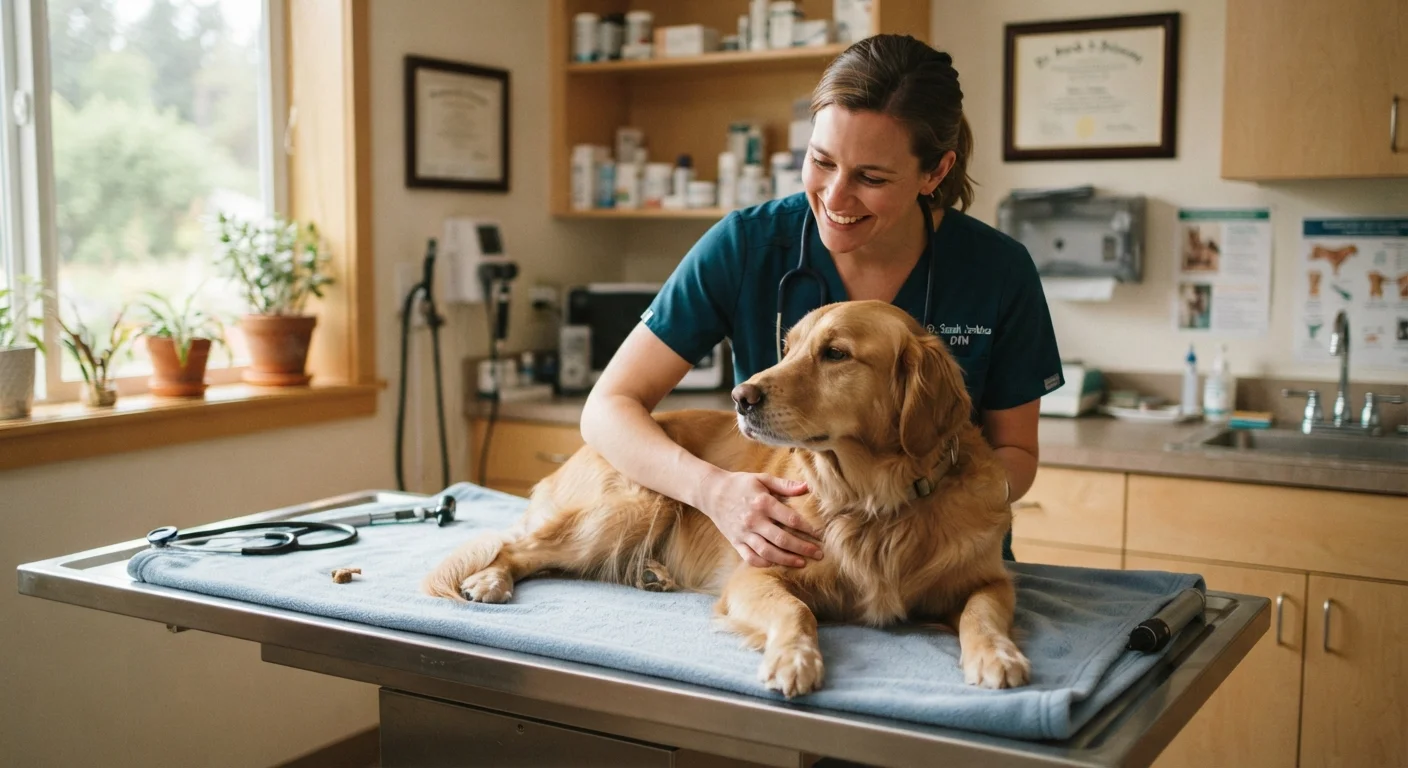
Schedule a veterinary exam within the first five to seven days. This visit accomplishes several things at once: it establishes a health baseline, confirms or updates vaccination records, screens for parasites, and gives you a chance to ask questions specific to your pet's age, breed, and history. Bring any paperwork from the shelter, rescue, or breeder.
Ask your vet about heartworm prevention, flea and tick control, and whether spay or neuter surgery is on the calendar. For kittens and puppies, understand the vaccination schedule you're committing to over the coming months. See our guide to managing vet costs for practical strategies to keep these expenses reasonable without cutting corners on care.
What to Bring to the First Vet Visit
Gather all paperwork from the shelter, rescue, or breeder before your appointment: vaccination records, deworming history, and any medical notes. If you don't have records, that's fine - your vet will start fresh - but sharing whatever you have helps avoid duplicate treatments and gives the vet useful background context.
Alongside the vet visit, begin establishing a daily routine. Feed at the same times each day. Walk dogs on a consistent schedule. Predictability reduces anxiety for most animals and makes house-training significantly faster. A chaotic first week leads to a chaotic first month.
Weeks Two Through Four: Building Good Habits
Once your pet is eating consistently and showing comfort in their environment, you can gradually expand their access to the home and increase social exposure. For dogs, this means structured walks in new environments, brief positive interactions with unfamiliar people, and the beginning of basic obedience work - sit, stay, come. For cats, it means offering enrichment like a window perch or puzzle feeder.
Diet matters more than most new owners realize. The food you choose in week one often sets the pattern for years. See our feeding strategies for dogs and cats to understand the nutritional trade-offs between dry and wet food before you commit to a routine.
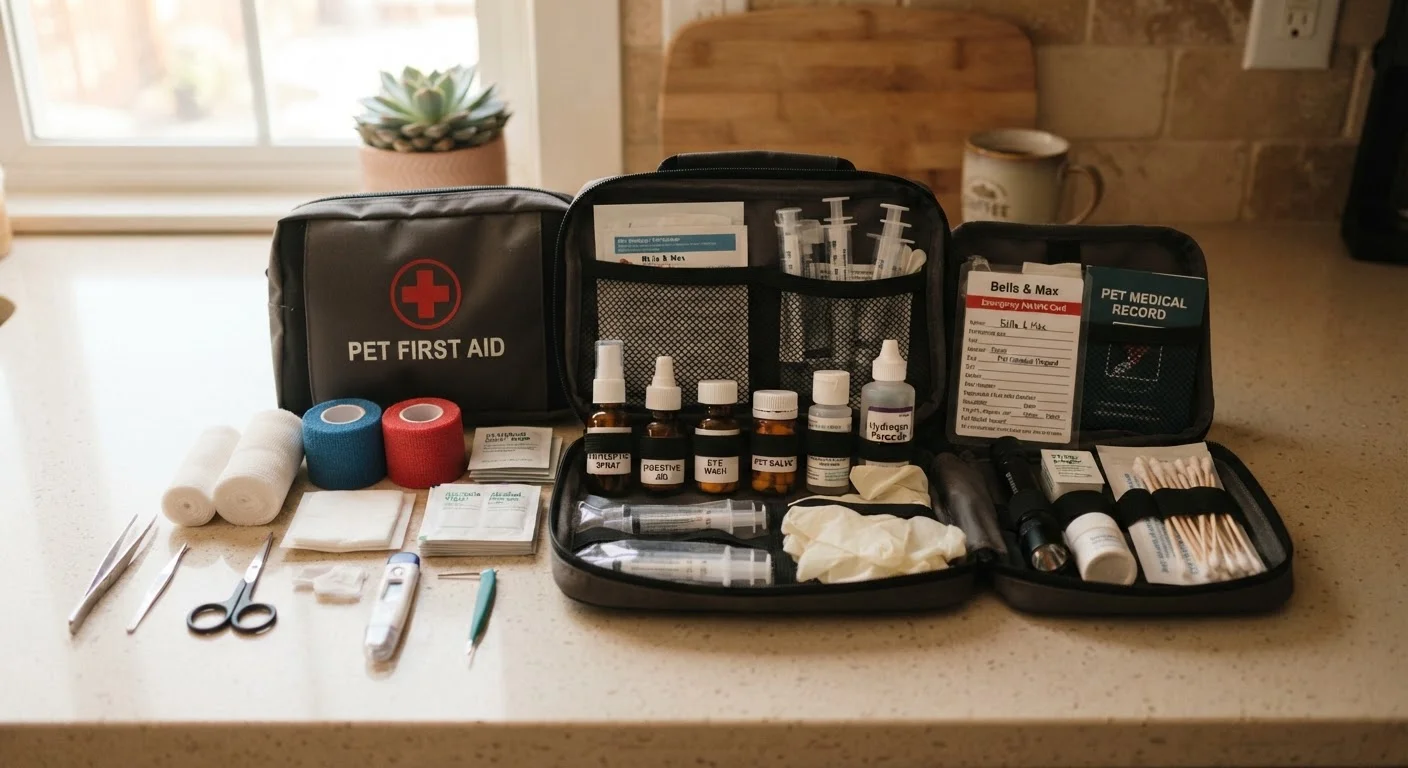
It's also worth putting together a basic pet first-aid kit during this window. Our pet first-aid kit checklist covers what veterinary and emergency organizations recommend keeping on hand.
Don't Skip Parasite Prevention
Fleas, ticks, and heartworm are not rare worst-case scenarios - they're common and preventable. Missing even one month of preventive medication can create a problem that costs far more to treat than it would have to prevent. Ask your vet which products are appropriate for your region and your pet's age and weight.
Budgeting for the First Month
New pet owners are often caught off guard by how front-loaded the costs are. Adoption or purchase fees, initial supplies, the first vet exam, vaccinations, microchipping, and parasite prevention can add up quickly - frequently exceeding what ongoing monthly care will cost once you're past the setup phase.
Build a realistic first-month budget before the animal comes home, not after. Separate one-time costs (crate, collar, litter box) from recurring ones (food, preventive medications, future vet visits). Our article on hidden costs of pet ownership maps out the expenses that most first-timers don't see coming.
Pet insurance is worth investigating early - before a condition develops that could be classified as pre-existing. Policies vary widely in what they cover, what they exclude, and how reimbursement works, so read any policy documents carefully and consult a licensed agent if you have questions. This article provides general information only and is not a substitute for professional advice tailored to your situation.
This article is for general informational purposes only and does not constitute veterinary, financial, or insurance advice. Always consult a qualified veterinarian for decisions about your pet's health.