Why an Emergency Fund Belongs in Every Budget
An emergency fund is a cash reserve set aside exclusively for unexpected financial shocks. Without one, even a single unplanned expense - a $400 car repair, a week of missed work - can force you into credit card debt or short-term borrowing that takes months to pay off. The fund acts as a buffer between your normal life and financial crisis.
The concept is straightforward, but fitting it into an already stretched budget is where most people get stuck. The key insight is that an emergency fund isn't a luxury you add after everything else is covered - it's a budget category in its own right, just like rent or groceries. Treating it as optional means it almost never happens.
If you haven't yet mapped out your full budget, start with our plain-English budget guide before working through the steps below. Understanding where your money currently goes is the foundation for carving out emergency savings.
This Is General Education, Not Financial Advice
This article provides general financial information to help you understand emergency funds and budgeting concepts. It is not personalized financial advice. Your individual circumstances vary - consult a licensed financial professional before making significant decisions about your savings or financial plan.
What You'll Need Before You Start
You don't need a high income or a financial background to build an emergency fund - but a few tools and a few minutes of preparation will make the process much smoother.
What you will need
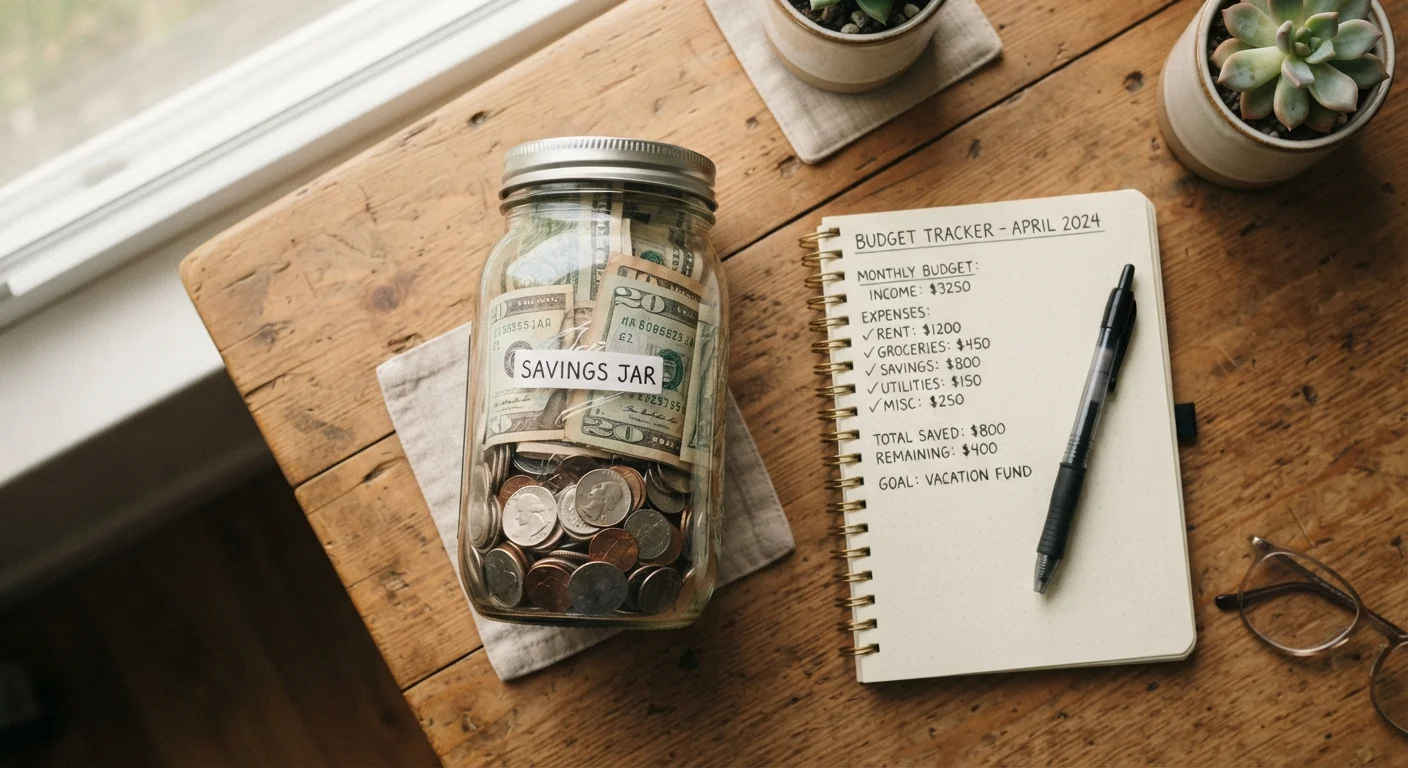
Basic budget worksheet or spreadsheet
Used to map out your income and expenses so you can identify room for emergency fund contributions.
Separate savings account
Keeps your emergency fund distinct from spending money, reducing the temptation to use it casually.
Automatic transfer setup (via your bank or credit union)
Automates regular contributions so saving happens before you can spend the money.
Monthly spending tracker
Helps you identify discretionary spending that could be redirected toward your emergency fund.
Step-by-Step: Adding an Emergency Fund to Your Budget
Follow these steps in order. Each one builds on the last, and skipping ahead - especially to automation before you've set a realistic contribution amount - can cause early frustration. The goal is a system that runs quietly in the background without requiring constant discipline.
Define what counts as a true emergency
Before saving a single dollar, get clear on what this fund is actually for. A genuine emergency is an unexpected, necessary expense - a job loss, a medical bill, a car repair you can't avoid, or a broken appliance essential to daily life. It is not a sale, a social occasion, or a planned cost you simply forgot to budget for. Writing down your personal definition keeps you from rationalizing withdrawals later.
Calculate your essential monthly expenses
Add up only the non-negotiable costs you'd need to cover if your income stopped tomorrow: rent or mortgage, utilities, basic groceries, minimum debt payments, and transportation to work. Skip discretionary spending like dining out or subscriptions. This total becomes your benchmark. Most financial educators suggest targeting enough to cover one to three months of these essentials as a starter goal - a figure that feels achievable without requiring years of sacrifice.
Find room in your existing budget
Review your spending from the past one to two months and identify any category where you consistently spend more than necessary. Common candidates include food delivery, unused subscriptions, and impulse purchases. You don't need to eliminate anything entirely - even reducing one category by $25 to $50 a month creates a contribution. If your budget is already very tight, our guide on saving on a tight budget covers strategies built for thin margins.
Open a dedicated savings account
Your emergency fund should live separately from your checking account. When the money is mixed in with everyday spending, it disappears. Open a basic savings account - ideally one without monthly fees - and label it clearly as your emergency fund. The slight friction of transferring money before using it is intentional: it gives you a moment to pause and ask whether the expense truly qualifies.
Set up automatic transfers
Schedule a recurring transfer from your checking account to your emergency fund savings account on payday - before you see or touch the money. This "pay yourself first" approach removes willpower from the equation. Even a small fixed amount transferred automatically outperforms a larger amount you intend to save manually but rarely do. If your income is irregular, adapt this by transferring a percentage rather than a fixed dollar amount. Our guide on saving with irregular income explains how to handle variable paychecks.
Track progress and adjust as your situation changes
Check your emergency fund balance monthly - not to obsess, but to stay motivated. When you hit a milestone (your first $500, your first month of expenses covered), acknowledge it. As your income grows or your expenses shift, revisit the contribution amount. If you draw from the fund during a real emergency, rebuild it before redirecting savings elsewhere. Treat replenishment as a non-negotiable line item, just like rent.
Start Small, Stay Consistent
There's no minimum contribution required to begin. Even $10 or $20 per paycheck creates a habit and grows over time. Psychological momentum matters - once you see the balance rise, it becomes easier to continue and eventually increase your contributions.
Don't Drain Your Emergency Fund for Non-Emergencies
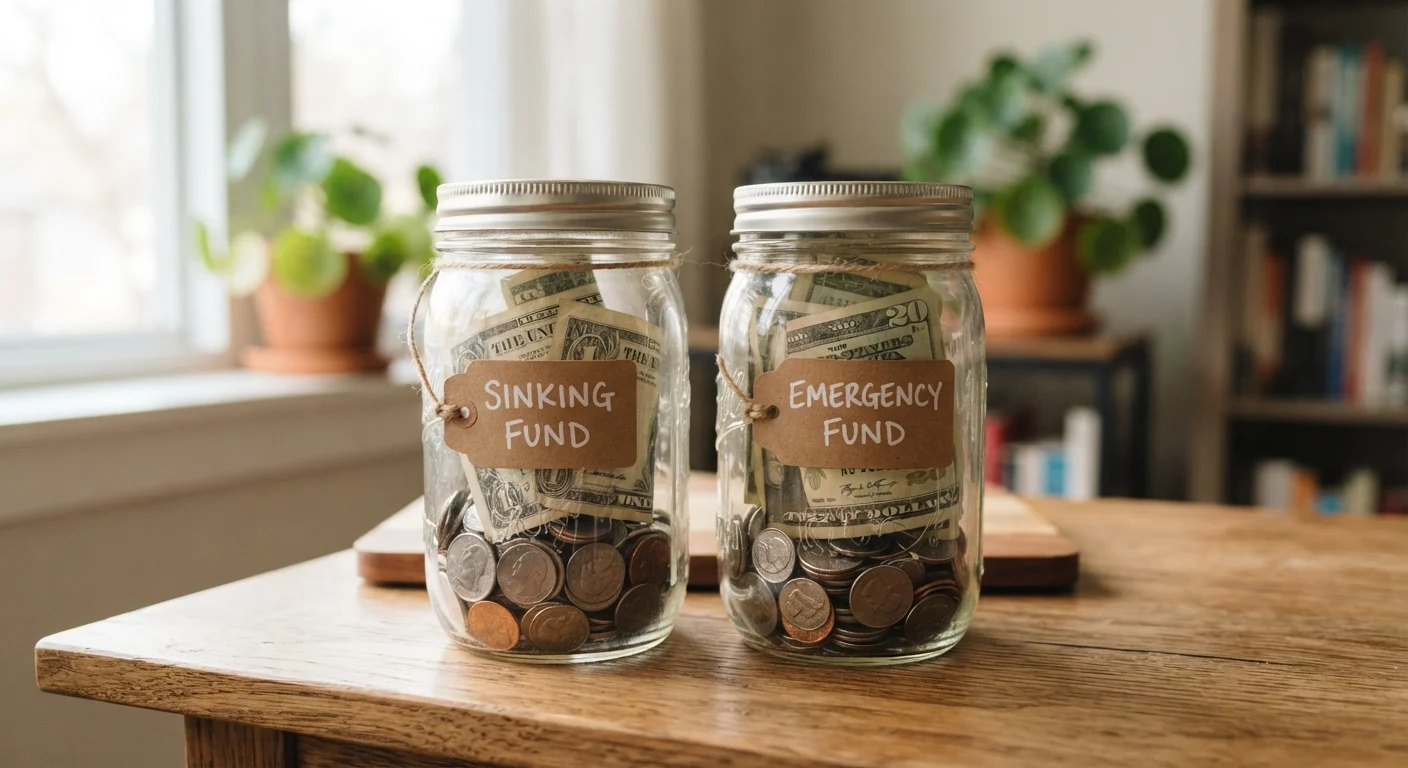
Planned purchases - a vacation, a new appliance, a holiday gift - are not emergencies. Dipping into your emergency fund for predictable expenses leaves you exposed when a true crisis hits. Consider a separate sinking fund for planned costs. See our guide on sinking funds vs. emergency funds for how these two accounts serve different purposes.
What Happens After You've Built Your Starter Fund
Once you've reached one to three months of essential expenses, you have a meaningful safety net. At that point, you can decide whether to grow it further - many personal finance educators suggest eventually reaching three to six months - or to redirect some savings toward other goals, such as saving for a planned large purchase.
The emergency fund itself doesn't need to grow forever. What matters is that you maintain it, replenish it after use, and adjust the target if your essential expenses change significantly - for example, after a move, a new dependent, or a job change.
For those managing fluctuating income, the strategies in our guide on budgeting with irregular income can help you keep contributions consistent even when paychecks aren't.
This article is for general informational and educational purposes only and does not constitute personalized financial advice. Consult a licensed financial professional for guidance tailored to your specific situation.