What Each Account Actually Does
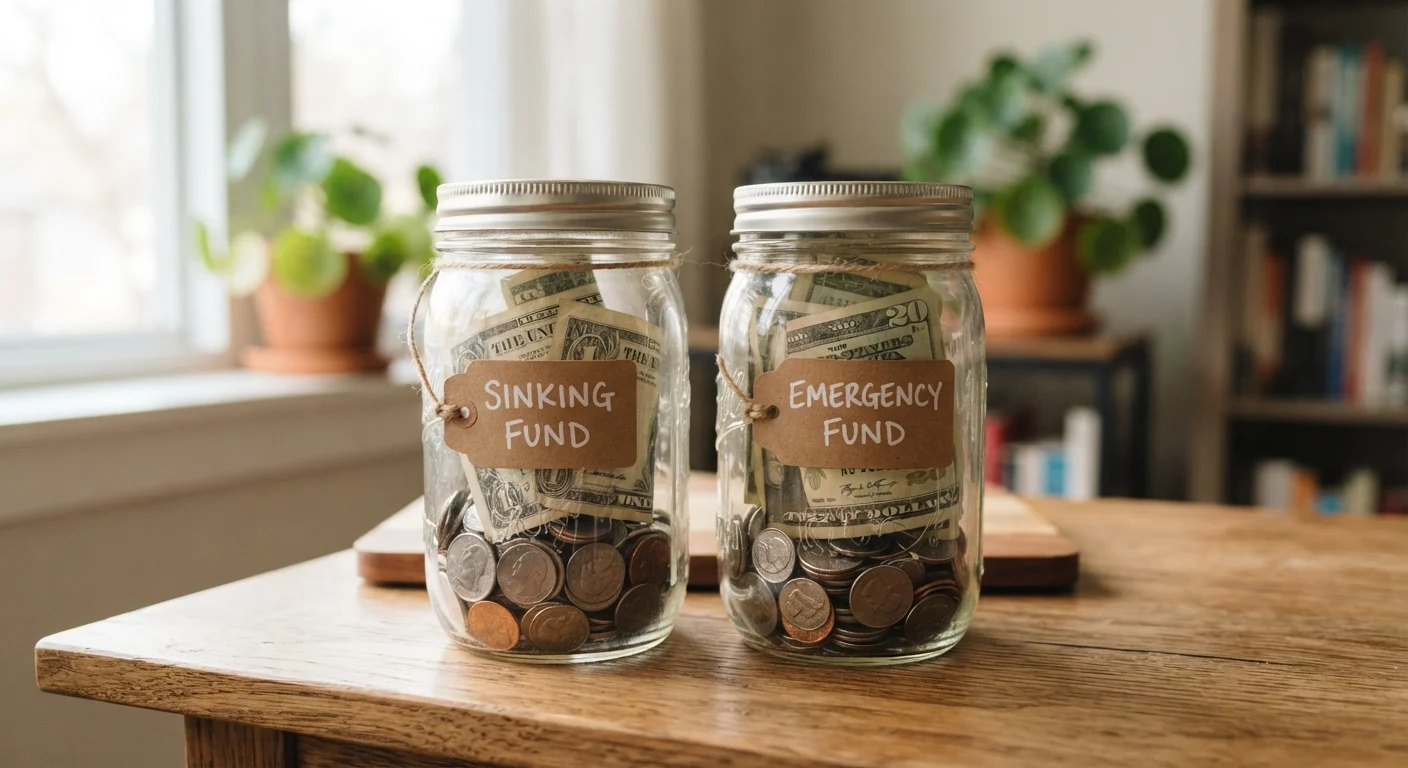
Despite serving different purposes, sinking funds and emergency funds are frequently confused - or conflated into a single savings account. Understanding the core function of each makes clear why they need to be treated separately.
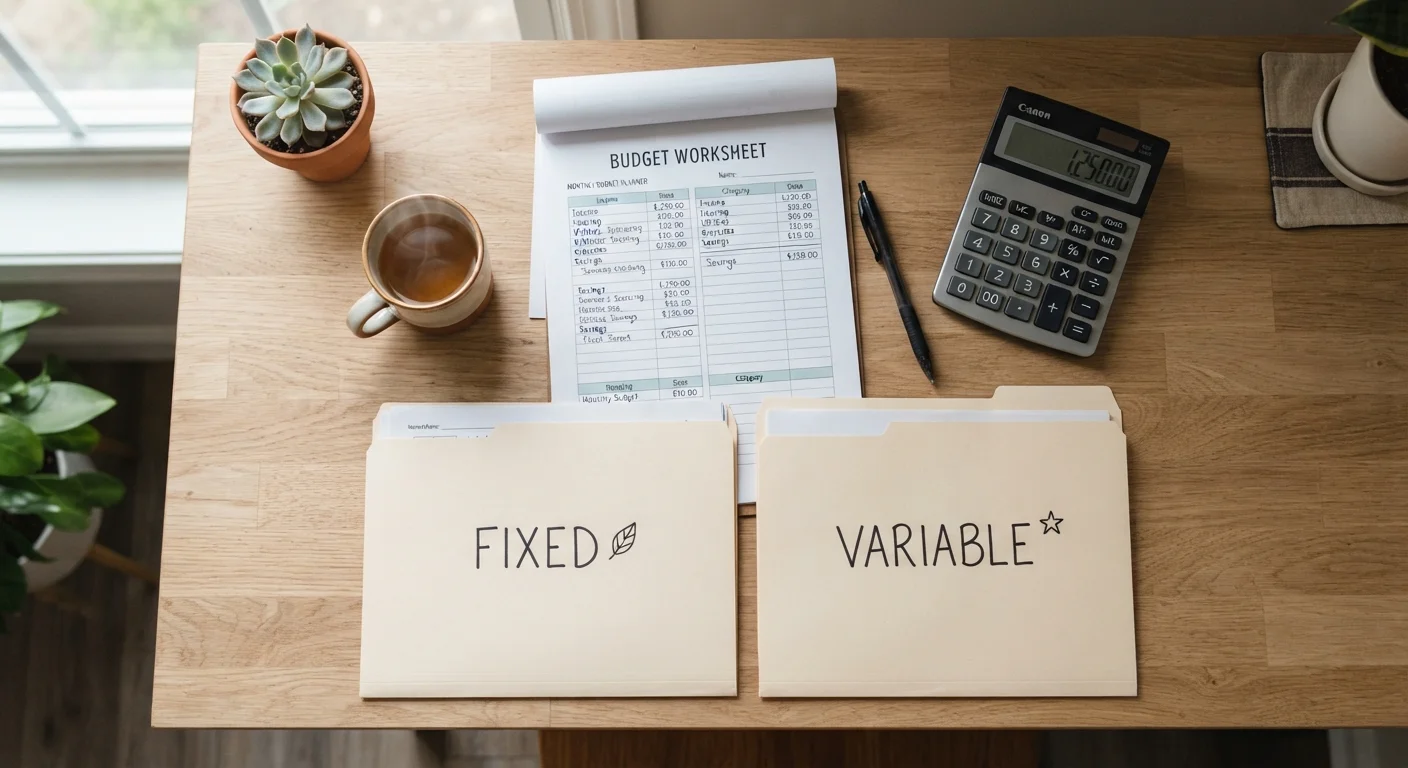
A sinking fund is a dedicated savings bucket for a specific, anticipated expense. You know what you're saving for, roughly how much it will cost, and approximately when you'll need the money. Examples include annual car registration fees, holiday gifts, a home appliance you know needs replacing, or a vacation you're planning months out. You contribute a set amount each month and spend it intentionally when the time comes. Understanding how these costs relate to your overall spending plan is easier when you can distinguish fixed from variable expenses - a distinction that shapes how you allocate your budget.
An emergency fund, by contrast, is a general financial buffer reserved exclusively for unplanned crises: sudden job loss, a medical emergency, an urgent car repair, or a burst pipe. You don't know when - or if - you'll use it. Its purpose is to absorb financial shocks without forcing you into debt or missed payments. For a deeper look at building this cushion into your monthly plan, see Building an Emergency Fund Into Your Budget.
| Criterion | Sinking Fund | Emergency Fund |
|---|---|---|
| Purpose | Planned, specific future expense | Unplanned financial crisis |
| Predictability | Known amount and timeline | Unknown timing and amount |
| Contribution method | Fixed monthly amount toward a goal | Regular contributions until target reached |
| Typical target | Varies by goal (e.g. $300-$2,000) | 3-6 months of essential expenses |
| When you use it | When the planned expense arrives | Only during a genuine emergency |
| Number of accounts | One per savings goal (multiple common) | Typically one general-purpose fund |
| Refilled after use? | Yes - restart contributions for next cycle | Yes - replenish as soon as possible |
How Each Account Is Funded and Used
The mechanics of each account differ meaningfully - and that difference matters for how you set them up.
With a sinking fund, you work backward from a goal. Divide the total expected cost by the number of months until you need it. Saving for a $600 annual car insurance renewal in 12 months? Set aside $50 per month. Many households run multiple sinking funds simultaneously - one for car maintenance, one for holiday spending, one for travel - each with its own target and timeline. The lump-sum vs. small-contributions debate is worth understanding here, since sinking funds typically rely on consistent, smaller monthly deposits rather than one-time windfalls.
An emergency fund is less formulaic in the short term. Most financial guidance suggests working toward three to six months of essential expenses, but getting there takes time. The practical approach is to build a starter emergency fund first - even $500 to $1,000 provides meaningful cushion - then grow it steadily over time.
57%
Americans who cannot cover a $1,000 emergency
According to Bankrate's annual Emergency Savings Report, a majority of U.S. adults would struggle to pay for an unexpected $1,000 expense from savings alone.
3-6 months
Recommended emergency fund coverage
Most mainstream personal finance guidance - including resources from the Consumer Financial Protection Bureau - suggests targeting three to six months of essential living expenses.
Both accounts work best in dedicated savings vehicles, kept separate from your everyday checking account. Mixing the two defeats the point: you risk spending your emergency cushion on planned costs, or raiding sinking funds during a crisis and being unprepared for both.
Why You Likely Need Both - and How to Start
A common question is whether to prioritize one account over the other. In practice, most households benefit from building both, even if contributions start small.
If your budget is tight, consider a split approach: direct a modest amount toward an emergency starter fund first, then begin sinking funds once you have a basic safety net in place. Even small sinking fund contributions - $10 or $20 per month - prevent predictable costs from feeling like crises. For households managing a narrow margin, saving on a tight budget requires prioritizing which accounts to fund first and by how much.
One Account for Both Goals Doesn't Work
Keeping sinking funds and your emergency fund in the same account creates a false sense of security. If you dip into the combined balance for a planned expense like a vacation, you may have less cushion than you think when a true emergency hits. Separate accounts - even at the same bank - make the purpose of each dollar clear and protect both funds from unintended use.
It's also worth noting that what many people call an "emergency" is often a foreseeable event they didn't plan for - a car repair, a vet bill, seasonal expenses. Sinking funds solve this problem structurally. A well-funded sinking fund ecosystem means your emergency fund stays intact for genuine crises.
The same logic applies beyond household budgeting. If you have pets, for example, the decision between pet insurance and a dedicated pet savings fund reflects the same underlying question: how do you plan for both known costs and unpredictable ones?
This article is for general informational and educational purposes only and does not constitute personalized financial advice. Consult a qualified financial professional for guidance specific to your situation.