The Formula Is Simple - The Insight Is Powerful
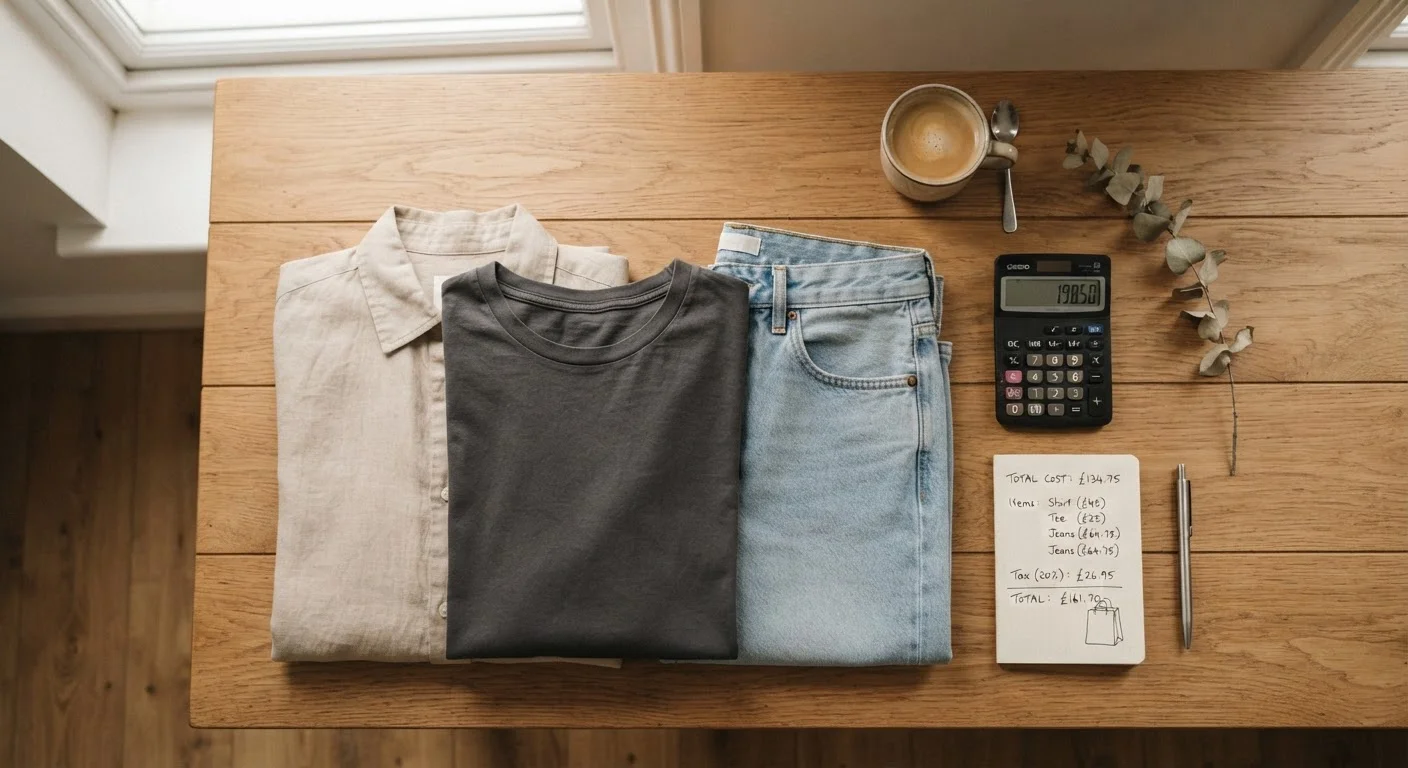
Cost-per-wear is calculated with one equation: purchase price ÷ number of wears = cost per wear. That's it. But what makes it powerful is what it reveals: the real cost of getting dressed isn't what you paid at the register - it's what you paid per use.
Consider two scenarios. You spend $30 on a trendy top, wear it twice, then retire it. That's $15 per wear. Meanwhile, a $120 pair of well-made trousers worn 80 times over three years comes to just $1.50 per wear. The expensive item, evaluated fairly, was the smarter financial choice by a wide margin.
This kind of thinking is at the heart of why the cheapest option isn't always the best value - because a low price tag only tells part of the story.
Do the Math Before You Check Out
Before buying, quickly estimate your realistic wears and divide the price. Even a rough calculation - 'I'd wear this maybe 20 times' - gives you a concrete number to weigh instead of just a gut feeling. It takes thirty seconds and can save real money over time.
What Drives a Low Cost-Per-Wear
Two factors matter most: versatility and durability. A versatile piece - something that works across multiple outfits, occasions, and seasons - naturally gets worn more often. A durable piece holds up long enough to accumulate all those wears. When you have both, CPW drops significantly.
Versatility is about how the item fits into your existing wardrobe. A neutral-toned blazer that can go from a work meeting to a casual dinner will always outperform a neon statement piece that works with only one outfit. For a deeper look at how quality construction signals real durability, see quality signals worth paying attention to across product categories.
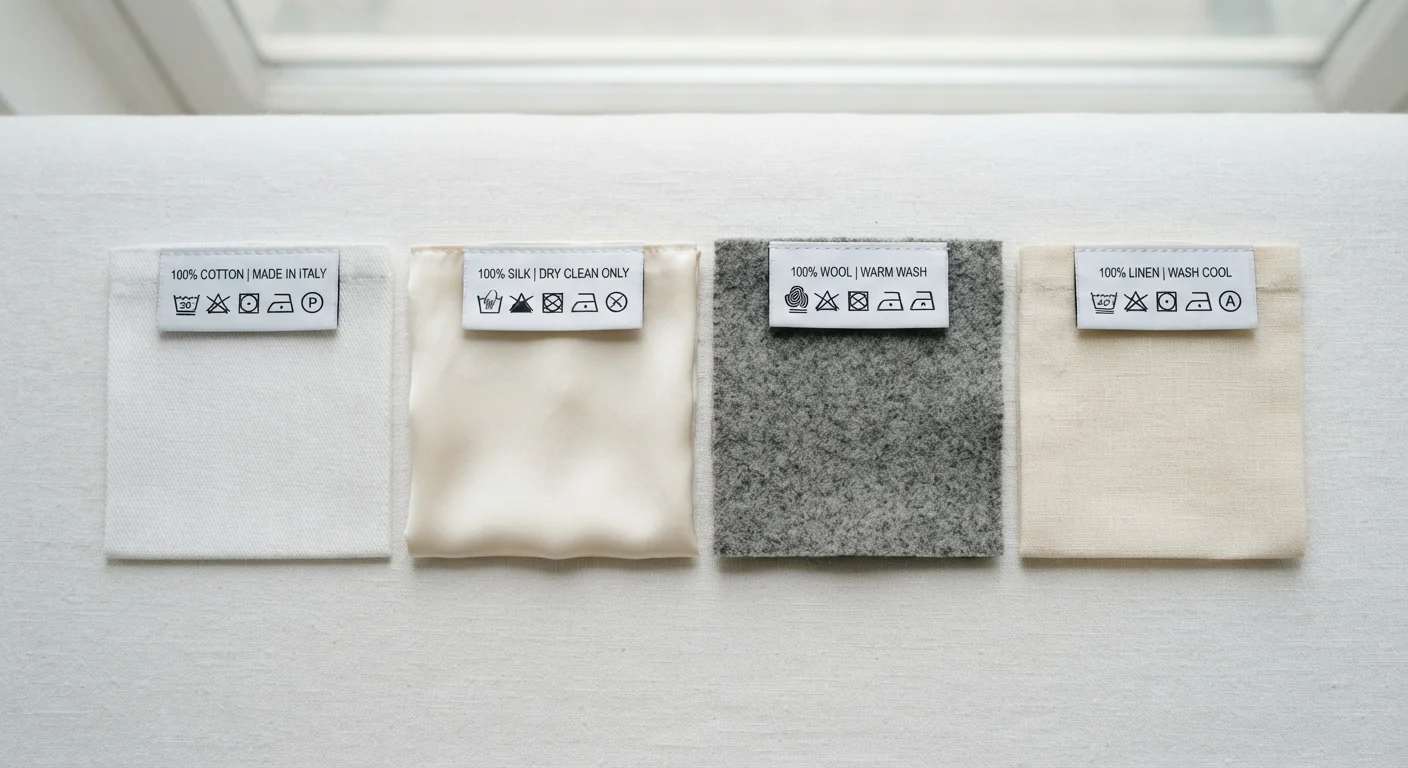
Durability, in turn, is tied directly to how you care for an item. Garments that are washed correctly and stored properly last far longer - which means more wears, and a lower CPW. Decoding clothing care labels is one of the most underrated ways to protect what you already own.
~$300
Average annual US clothing spend per person
According to U.S. Bureau of Labor Statistics Consumer Expenditure Survey data, American households spend several hundred dollars per person annually on apparel and footwear.
50%
Clothes worn only a handful of times before discarding
Research from the Ellen MacArthur Foundation has found that garments are worn significantly fewer times than in previous decades, with many items discarded after minimal use.
Applying CPW Before You Buy
The real value of cost-per-wear comes when you use it before you make a purchase. Here's a practical pre-buy checklist:
- Estimate wears honestly. Not your aspirational self - your actual self. How often do you wear items like this one already?
- Calculate CPW. Divide the price by that realistic wear estimate.
- Check versatility. Can you see it pairing with at least five things you already own?
- Factor in care costs. Dry-clean-only items carry ongoing costs that inflate your true CPW over time.
If the number feels high - say, more than $10-$15 per wear for an everyday item - that's a signal worth pausing on. It doesn't mean you can't buy it, but it's worth asking whether the item genuinely fits your life or just your wishlist.
This approach pairs naturally with evaluating any purchase decision more broadly - because the same logic applies well beyond clothing.
Where CPW Fits Into a Smarter Wardrobe Strategy
Cost-per-wear isn't a reason to avoid all impulse or fun purchases - it's a framework that helps you make conscious choices. It works especially well when building a foundational wardrobe of versatile, hardworking pieces, and it helps you identify the wardrobe myths that quietly drain your budget - like assuming expensive always means quality, or that you need a separate outfit for every occasion.
For a full picture of how CPW fits into dressing well without overspending, the Everyday American Style guide walks through everything from closet foundations to smarter shopping habits. And if you're considering secondhand options - which often deliver excellent CPW math - thrift shopping vs. buying new offers an honest comparison of both approaches.
Used consistently, cost-per-wear reframes how you think about your closet: not as a collection of price tags, but as a portfolio of investments in how you show up every day.
“The question isn't what something costs - it's what it costs you per use. That shift in thinking changes everything about how you shop.”
— Style & Beauty Editorial Team, Consumer fashion and value editors