The Core Appeal of Each Approach
Thrift shopping - buying secondhand clothing from resale shops, consignment stores, or online platforms - has grown well beyond its budget-shopping roots. Meanwhile, buying new remains the default for millions of Americans who value predictability and convenience. Both choices are valid. What matters is understanding what each actually delivers.
Thrifting's biggest draw is price. Secondhand garments often cost a fraction of their original retail value, which is why many shoppers use it as a core saving strategy when building or refreshing a wardrobe. Buying new, on the other hand, gives you control - over size, condition, color, and availability - that the unpredictable thrift rack simply cannot guarantee.
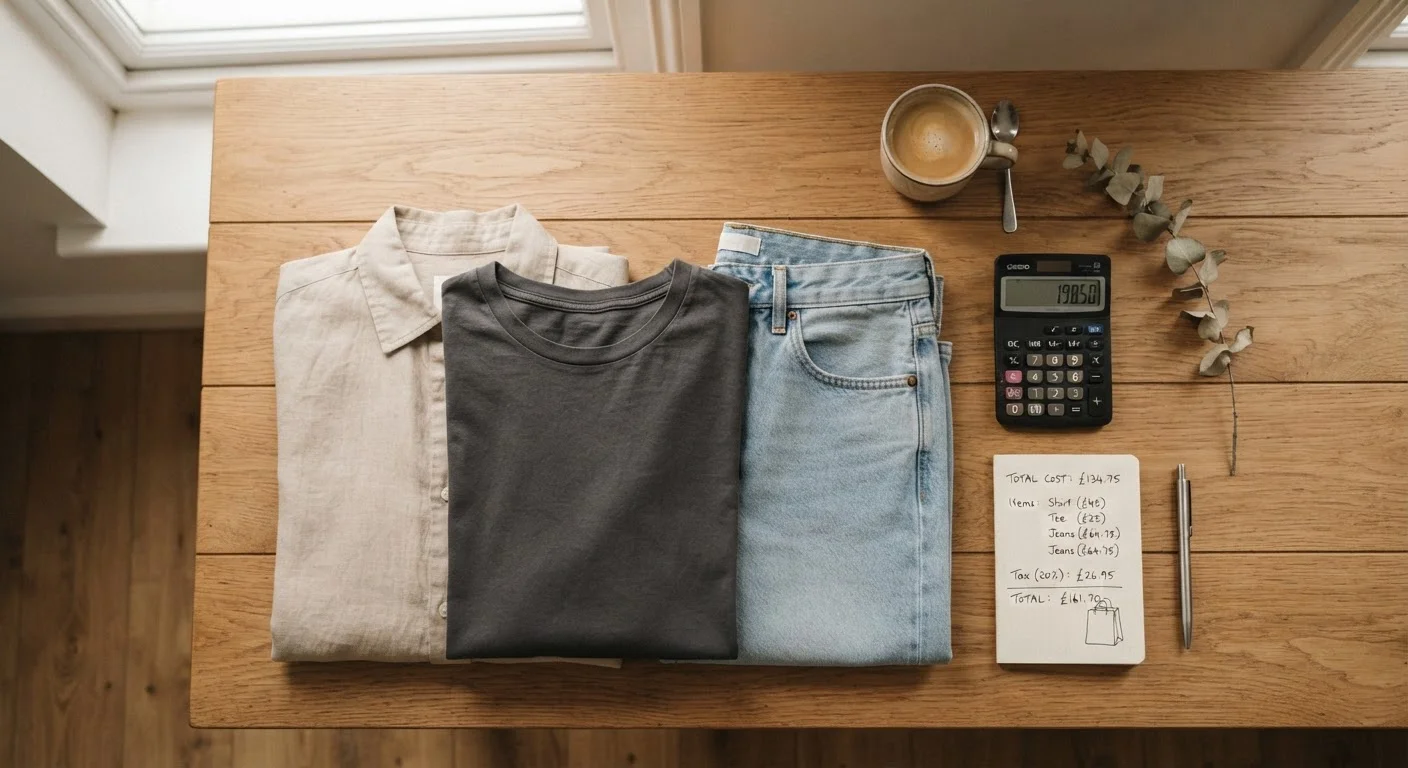
If you've ever tried to apply cost-per-wear thinking to your clothing budget, you already know that upfront price isn't the whole story. A $12 thrifted blazer worn twice is a worse investment than a $60 new one worn 40 times.
Where Thrift Shopping Has a Clear Edge
For certain wardrobe categories and shopping personalities, thrifting wins outright:
- Price per item: Secondhand prices on everyday staples - denim, outerwear, blazers - are routinely far lower than new retail equivalents.
- Unique finds: Vintage cuts, discontinued styles, and one-of-a-kind pieces simply don't exist in new-clothing stores.
- Reduced textile waste: Extending a garment's life keeps it out of landfill longer, which is a genuine environmental benefit, even if secondhand shopping isn't a complete sustainability solution.
- Experimentation: Low prices make it easier to try new styles or aesthetics without significant financial risk.
Thrifting also pairs naturally with seasonal wardrobe transitions, where you're adding a few transitional pieces rather than overhauling everything at once.
Make Thrifting More Efficient
Visit thrift stores mid-week when new donations are often processed and racks are freshly stocked. Bringing a short list of items you're actually looking for helps prevent impulse buys that don't fit your wardrobe. Check seams, zippers, and fabric closely before purchasing - a few minutes of inspection saves regret later.
Where Buying New Has Real Advantages
Buying new isn't just for people who haven't discovered thrifting - it solves genuine problems that secondhand shopping can't always address:
- Sizing consistency: New clothing follows current size standards, making it easier to order online or shop quickly without trying everything on.
- Condition certainty: New items arrive without wear, odors, staining, or fabric breakdown - important for professional settings or hygiene-sensitive categories like activewear and undergarments.
- Specific-item availability: If you need a navy blazer in a size 18 by next Thursday, thrift stores can't promise that. New retail can.
- Warranties and returns: Most new clothing retailers offer return windows; thrift stores typically do not.
Watch for Hidden Costs in Either Approach
Thrifting can feel like saving money while quietly accumulating items you don't actually wear - which is still overspending. Similarly, buying new 'basics' too frequently adds up faster than most shoppers expect. Track what you actually reach for, not just what you bought.
This reliability is why buying new still makes sense as part of a smarter spending plan - not as a default, but as a deliberate choice for the right items.
Head-to-Head: How the Two Approaches Compare
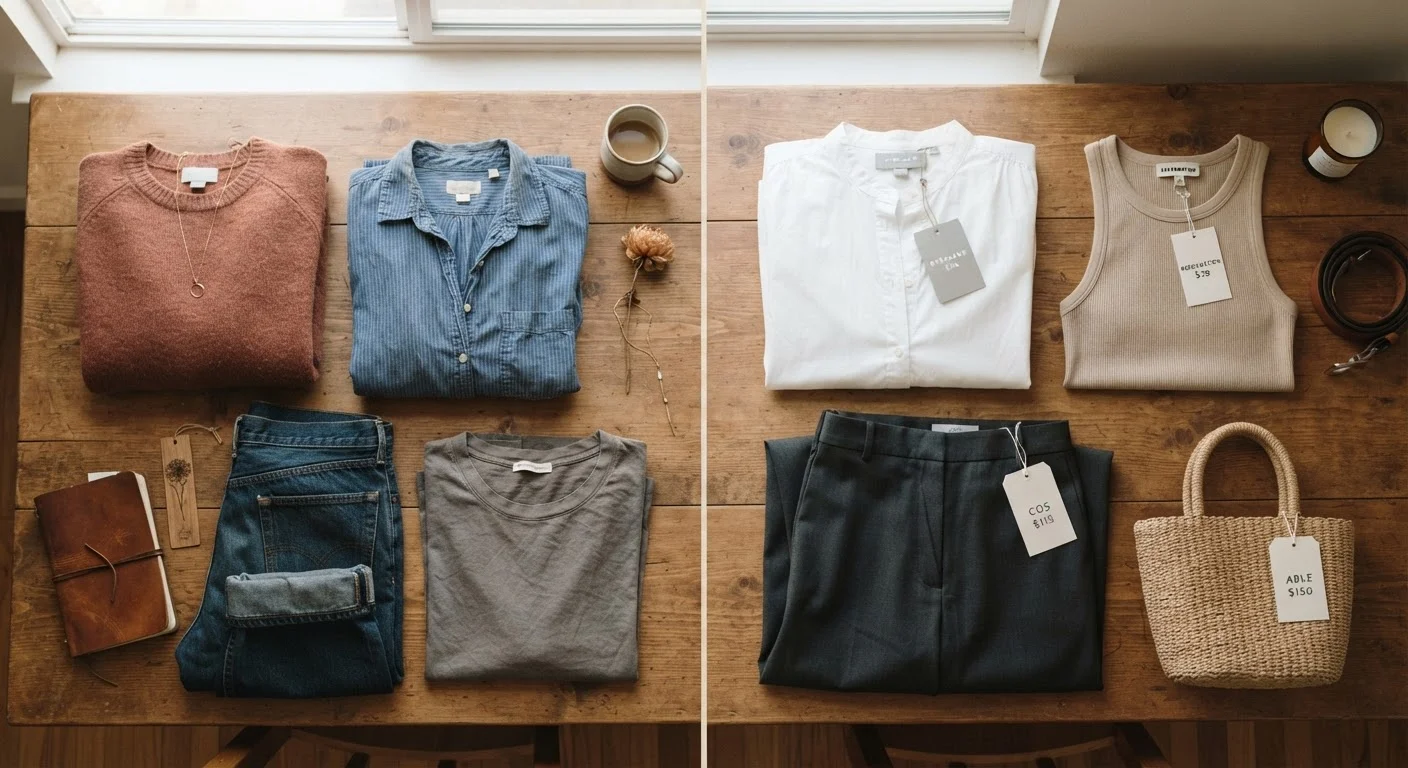
Here's a side-by-side look at how thrift shopping and buying new stack up across the criteria that matter most to everyday shoppers:
| Thrift Shopping | Buying New | |
|---|---|---|
| Typical price per item | Significantly lower upfront cost | Higher upfront cost |
| Sizing consistency | Varies; older sizing may differ | Standardized and predictable |
| Item condition | Variable; requires inspection | Guaranteed new condition |
| Availability of specific items | Unpredictable; inventory varies daily | Reliable; reorder as needed |
| Environmental footprint | Lower (extends garment life) | Higher (new production required) |
| Time required to shop | High; browsing-intensive | Lower; targeted shopping possible |
| Return / exchange policy | Rarely available | Commonly offered |
| Unique or vintage finds | Strong advantage | Limited or unavailable |
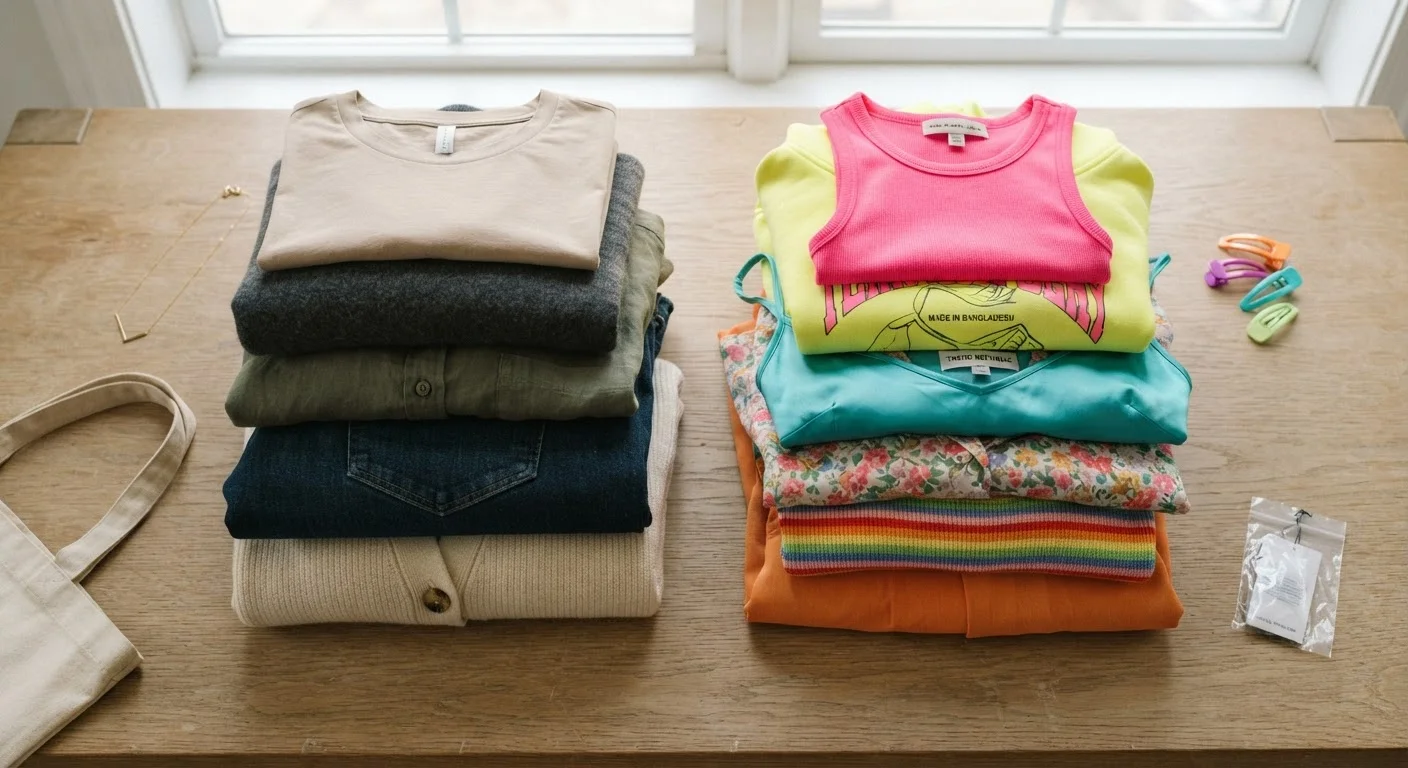
The comparison makes clear there's no absolute winner. The right choice shifts depending on what you're shopping for and what constraints you're working within - a dynamic that mirrors the broader fast fashion vs. slow fashion debate.
Building a Practical Blended Strategy
Most people don't need to pick a side permanently. A blended approach - thrifting some categories, buying new for others - tends to deliver the most value across cost, quality, and convenience.
A reasonable framework:
- Thrift first for outerwear, denim, blazers, accessories, and style experiments.
- Buy new for undergarments, activewear, shoes (where fit is critical), and any item you need immediately in a specific size or color.
- Apply cost-per-wear thinking to either channel - a well-made new item worn constantly may outperform a thrifted item that sits unworn. See our guide to cost-per-wear math for how to run those numbers before you buy.
You might also consider whether buying clothes in sets or multipacks makes sense for basics - sometimes new multipacks offer competitive per-item pricing that rivals secondhand finds without the hunt.
The goal isn't ideological purity - it's dressing confidently, spending intentionally, and not letting either approach become a spending trap on its own terms.