What's Actually Different Between Dry and Wet Pet Food
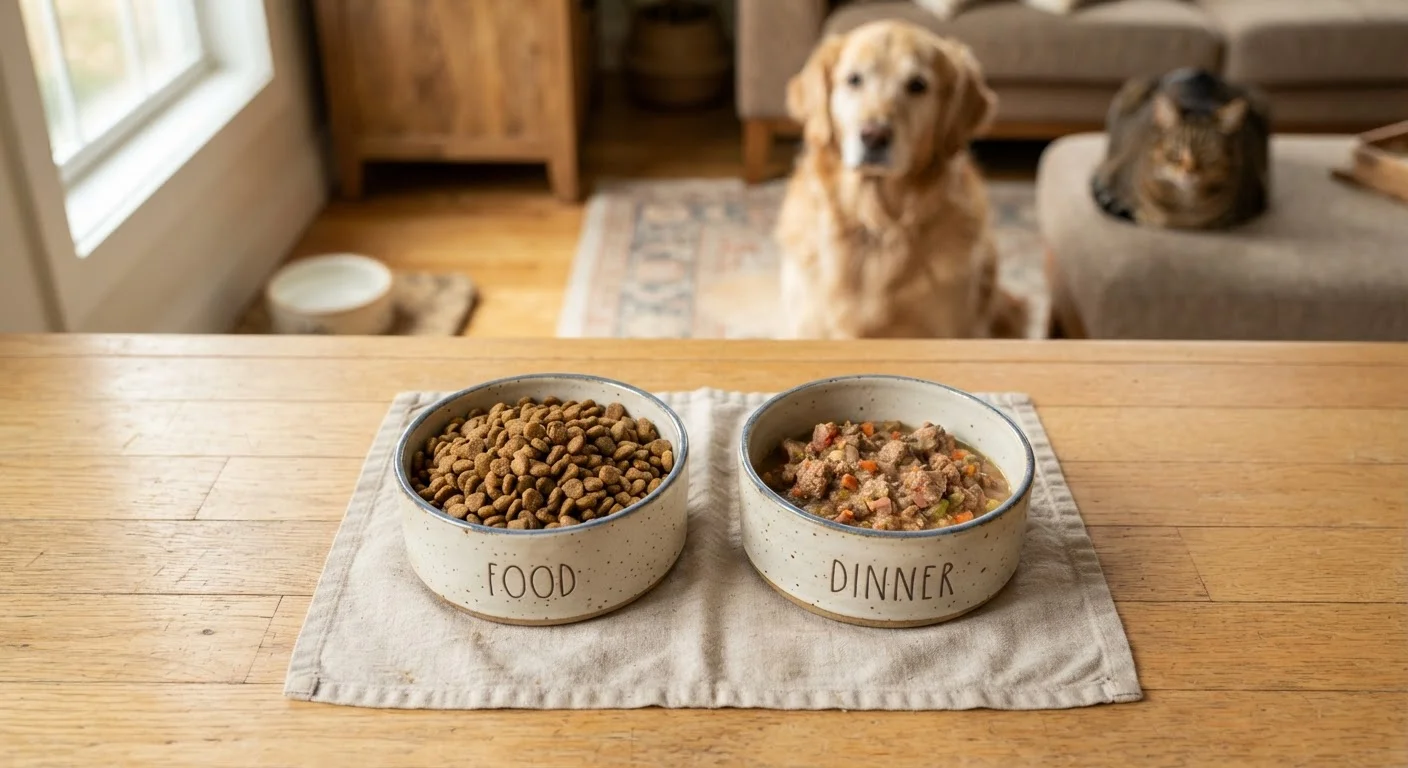
The most fundamental difference is moisture content. Dry kibble typically contains around 10% water, while wet food (canned or pouched) runs 70-80% water by weight. That single factor ripples through nutrition, cost, palatability, and storage in ways that matter to everyday pet owners.
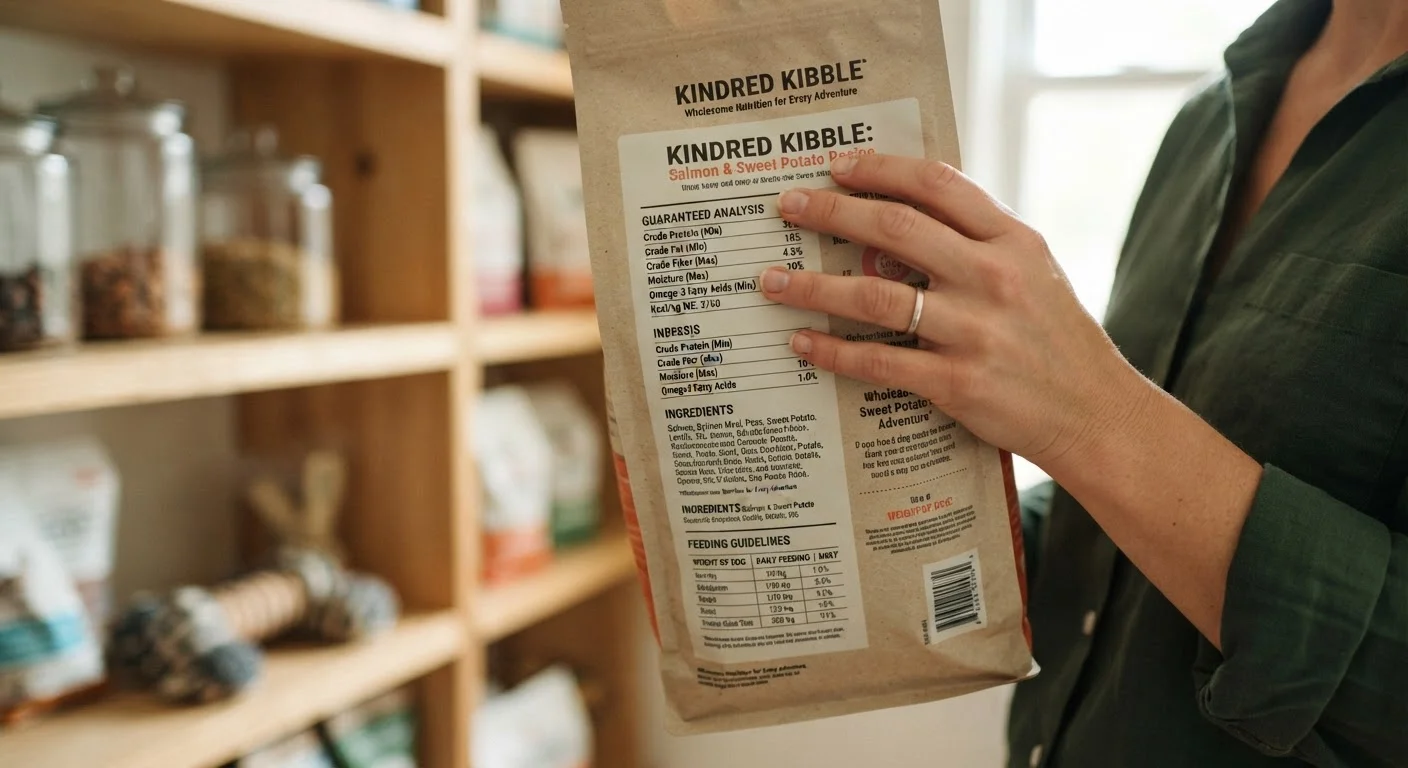
Beyond water, both formats can deliver complete and balanced nutrition - provided they carry an AAFCO statement confirming they meet established nutritional standards for your pet's life stage. The format itself doesn't determine quality; the ingredient profile and nutrient balance do. For a deeper look at how to decode those labels, see our guide on reading a pet food label without getting confused.
Cost is the other obvious split. Dry food delivers far more calories per dollar spent, which matters when you're feeding a large dog or multiple pets. Wet food commands a higher per-calorie price, but a smaller portion goes further in terms of satiety for some animals.
Dry Food: Strengths, Limits, and Who It Suits Best
Dry kibble is the practical workhorse of pet nutrition. It stores easily, measures simply, and fits nearly any budget. The crunchy texture may also provide mild mechanical abrasion on teeth, which some veterinary guidelines suggest can modestly slow tartar buildup - though it's not a substitute for dedicated dental care.
Dogs generally adapt well to dry-only diets, especially healthy adults with no chronic conditions. Active dogs who drink adequate water throughout the day are good candidates. If you're sorting out a full routine with a new dog, our article on the first 30 days with a new pet covers how to introduce a feeding schedule from day one.
Help Picky Dry-Food Eaters Drink More
If your pet eats dry food but you're concerned about hydration, try adding a small amount of water or low-sodium broth directly to the kibble. A pet water fountain can also encourage more frequent drinking in cats, who tend to prefer moving water. Discuss any persistent hydration concerns with your vet.
The main limitation of dry food is what it lacks: moisture. Cats in particular evolved as desert hunters with a low thirst drive - they're biologically wired to get most of their hydration from prey. A cat fed exclusively dry food may chronically under-drink, which over time can stress the kidneys and urinary tract. This is a genuine health consideration, not a minor footnote.
Wet Food: When the Extra Cost Is Worth It
Wet food's high moisture content makes it a meaningful tool for managing hydration, especially in cats. Veterinary nutritionists frequently recommend wet food - or a wet-dry mix - for cats with a history of urinary crystals, kidney disease, or low water intake. For these pets, the cost premium can translate into fewer vet visits down the line. Our piece on keeping vet costs manageable without skimping on care explores how proactive diet choices fit into the broader picture of preventive care.
Senior pets, underweight animals, and those recovering from illness often benefit from wet food's palatability and softer texture. Pets with dental pain may struggle to chew kibble comfortably, and wet food removes that barrier entirely.
| Dry Food | Wet Food | Mixed Feeding | |
|---|---|---|---|
| Moisture content | ~10% | 70-80% | Varies by ratio |
| Cost per serving | Lower | Higher | Moderate |
| Storage convenience | Easy, long shelf life | Refrigerate after opening | Requires managing both |
| Dental benefit | Mild mechanical abrasion | Minimal | Partial, from dry portion |
| Hydration support | Low | High | Moderate to high |
| Best suited for | Healthy adult dogs | Cats, seniors, ill pets | Most pets, with portioning care |
The practical downside is cost and convenience. Open cans need refrigeration and typically must be used within 48 hours. Free-feeding wet food isn't practical - it dries out and spoils quickly at room temperature, which can also create food-safety issues.
Mixed Feeding: A Middle Path With Real Trade-Offs
Many households settle on a combination approach: dry kibble as the daily base with a small amount of wet food as a topper or separate meal. Done correctly, this can capture the hydration benefit of wet food while keeping costs reasonable and maintaining the convenience of dry food storage.
The main trap with mixed feeding is unintentional overfeeding. Both portions need to be adjusted so total daily calories stay on target. Your veterinarian or the feeding guidelines on both packages can help you calculate appropriate amounts - but body condition (not just weight) is the best real-world measure. Pets should have a visible waist and ribs you can feel but not easily see.
If you're managing long-term pet health costs alongside your household budget, it's worth reading about pet insurance vs. a dedicated savings fund to understand how diet-related health outcomes connect to your overall financial planning.
This article provides general educational information about pet nutrition and is not a substitute for personalized veterinary advice. Consult your veterinarian before making significant changes to your pet's diet, especially if your pet has existing health conditions.