
Why Vet Costs Feel So Unpredictable
For most American pet owners, veterinary expenses are one of the least predictable line items in a household budget. A routine wellness visit is manageable; an unexpected illness or injury is a different story. The challenge is that the gap between routine and urgent care can close fast - and without a plan, the financial pressure alone can make decisions harder than they need to be.
The good news: being a cost-conscious pet owner doesn't mean being a neglectful one. It means making smarter decisions before problems arise, knowing what questions to ask, and understanding where there's real flexibility in care versus where cutting corners creates bigger problems down the road. See our guide to smarter spending for a broader framework on value-driven decisions.
Preventive Care Is the Most Reliable Cost-Control Tool
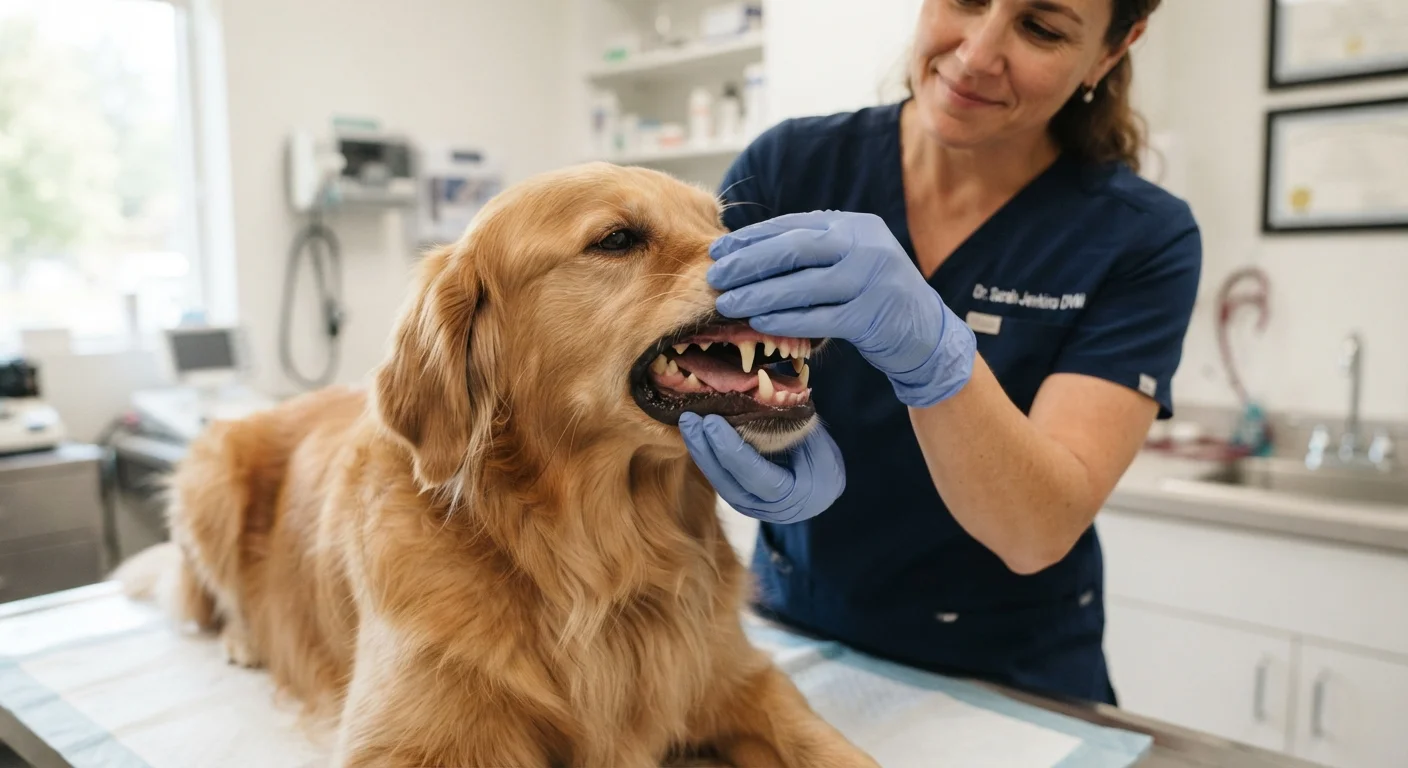
The single most effective way to reduce veterinary expenses over a pet's lifetime is to invest consistently in preventive care. Annual wellness exams allow your vet to catch emerging issues - dental disease, weight changes, early organ dysfunction - before they escalate into expensive interventions.
Dental health is a clear example. Untreated periodontal disease in pets is linked to systemic health complications that require far more expensive treatment than routine cleanings. Our article on how dental health affects your pet's overall wellbeing explains the connection in plain terms. Similarly, staying current on parasite prevention is far cheaper than treating heartworm or managing flea-related skin conditions. Our overview of parasites pet owners in the U.S. actually need to worry about breaks down which risks are most relevant by region.
How to Have an Honest Cost Conversation With Your Vet
Many pet owners feel uncomfortable discussing money with their veterinarian, but most vets would rather know your constraints upfront than have you walk away without any treatment. Before agreeing to a diagnostic workup or treatment plan, it's entirely reasonable to ask: What are the must-do items here versus what's lower priority? Are there equivalent options at different price points?
Bring a Written List of Questions
Vet appointments move quickly, and it's easy to forget what you meant to ask once you're in the room. Writing down your questions in advance - including any cost or prioritization questions - helps you get the information you actually need. Most vets genuinely appreciate an engaged, prepared owner.
Vets are trained to present the medically ideal path. They're also often willing to sequence care - addressing the most critical need first and revisiting additional steps at a follow-up - when a client explains their situation. Being direct is more useful than nodding along to a plan you can't afford and then not following through.
Learning to recognize when something genuinely needs same-day attention versus when a scheduled appointment is appropriate also matters. Our article on signs your pet may be in pain and when to call the vet can help you calibrate that judgment - which in turn helps you avoid unnecessary emergency clinic markups.
Lower-Cost Care Options Worth Knowing About
Not all legitimate veterinary care comes at full private-practice prices. Several categories of lower-cost options are worth knowing before you need them:
- Veterinary school teaching clinics: Accredited programs at veterinary colleges provide care supervised by licensed faculty. Quality is generally high; wait times can be longer.
- Nonprofit and low-cost clinics: Many communities have nonprofits or humane organizations that offer subsidized wellness services - vaccines, spay/neuter, and basic exams - often on a sliding-scale or flat-fee basis.
- Vaccine and wellness clinics: Retail-based wellness clinics can be appropriate for straightforward preventive services, though they're generally not equipped for diagnostics or complex care.
For a financial safety net, it's worth understanding your options in advance. Our article comparing pet insurance vs. a dedicated savings fund lays out how each approach works and what each protects against - a worthwhile read before an emergency forces the decision.
Small Habits That Prevent Big Bills
Some of the most effective cost-control measures don't involve the vet at all - they happen at home. Monitoring your pet's weight, watching for behavioral changes, maintaining a basic first-aid kit, and feeding an appropriate diet all contribute to long-term health in ways that reduce the frequency and severity of veterinary interventions.
Our guide to building a pet first-aid kit at home covers the supplies that veterinary and emergency organizations recommend keeping on hand. And if you're in the early weeks with a new pet, the first 30 days with a new pet outlines how to set the right foundation - including that all-important first vet visit.
Finally, feeding your pet well matters more than many owners realize. Our article on dry food, wet food, or both helps you understand the nutritional trade-offs so you can make a choice that works for your pet and your budget without defaulting to the most expensive option.
This article provides general information for educational purposes only and is not a substitute for advice from a licensed veterinarian. Always consult a qualified veterinary professional for guidance specific to your pet's health needs.