Why Depreciation Is the Cost Most Drivers Overlook
Ask most drivers what it costs to own a car and they'll mention gas, insurance, and the occasional repair bill. Few will mention depreciation - yet for most vehicle owners, it accounts for more financial loss than any other single factor.
Unlike a flat tire or an insurance premium, depreciation is silent. There's no invoice for it. But it's real: every year you own a vehicle, its market value falls, and that gap between what you paid and what it would sell for today represents money you cannot recover.
This is not a reason to avoid buying a car. It's a reason to understand how depreciation works so it doesn't catch you off guard - especially if you're financing a purchase or planning to sell in a few years. As one of the most commonly misunderstood aspects of vehicle ownership, it's worth addressing clearly. Car ownership myths often distract drivers from the costs that matter most, and depreciation tops that list.
20%
Average first-year new car depreciation
Industry estimates consistently show most new vehicles lose roughly 15-25% of their value within the first 12 months of ownership.
~50%
Value lost in five years on average
Many vehicles retain only around half their original purchase price after five years, according to automotive valuation industry data.
#1
Depreciation's rank among vehicle ownership costs
For most drivers, depreciation outpaces fuel, insurance, and maintenance as the single largest ongoing cost of owning a vehicle.
How Depreciation Actually Works
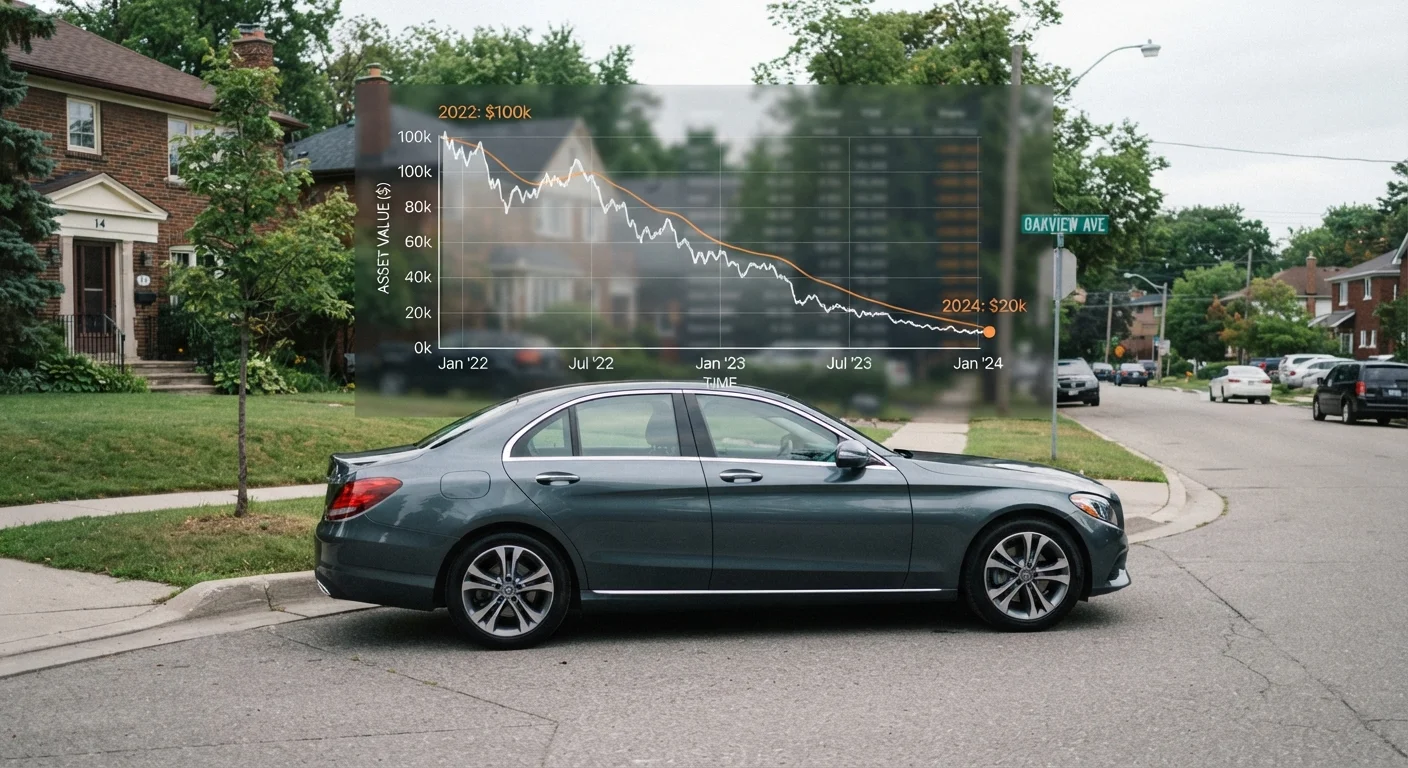
Depreciation follows a curve, not a straight line. The decline is fastest in the early years of ownership and gradually slows as the vehicle ages.
A typical new car might lose 15-25% of its value in the first year. By the end of five years, many vehicles have lost 40-60% of their original purchase price. This is why a three-year-old car can seem like a dramatically better financial deal than a new one - the steepest part of the curve has already passed.
Several forces drive this pattern. New cars command a premium that includes novelty value, full warranty coverage, and the certainty of an unknown history. Once a car has been titled and driven, all of those premiums begin to erode. Each mile driven, each year on the calendar, and each new model year introduced by the manufacturer shifts the value downward.
“Depreciation is the cost that's easiest to ignore and hardest to recover. Most people focus on the sticker price, but the real financial story of a vehicle plays out over years of ownership.”
— Consumer Financial Education Perspective, General principle widely cited by automotive finance educators
For drivers who carry auto loans, understanding the real cost of financing alongside depreciation is essential - because a vehicle can lose value faster than a loan balance shrinks.
Factors That Speed Up or Slow Down the Drop
Not all vehicles depreciate at the same rate. Several variables shape how quickly a car loses value:
- Mileage: Higher annual mileage accelerates depreciation. Vehicles driven well above average mileage are typically worth less at resale than comparable low-mileage examples.
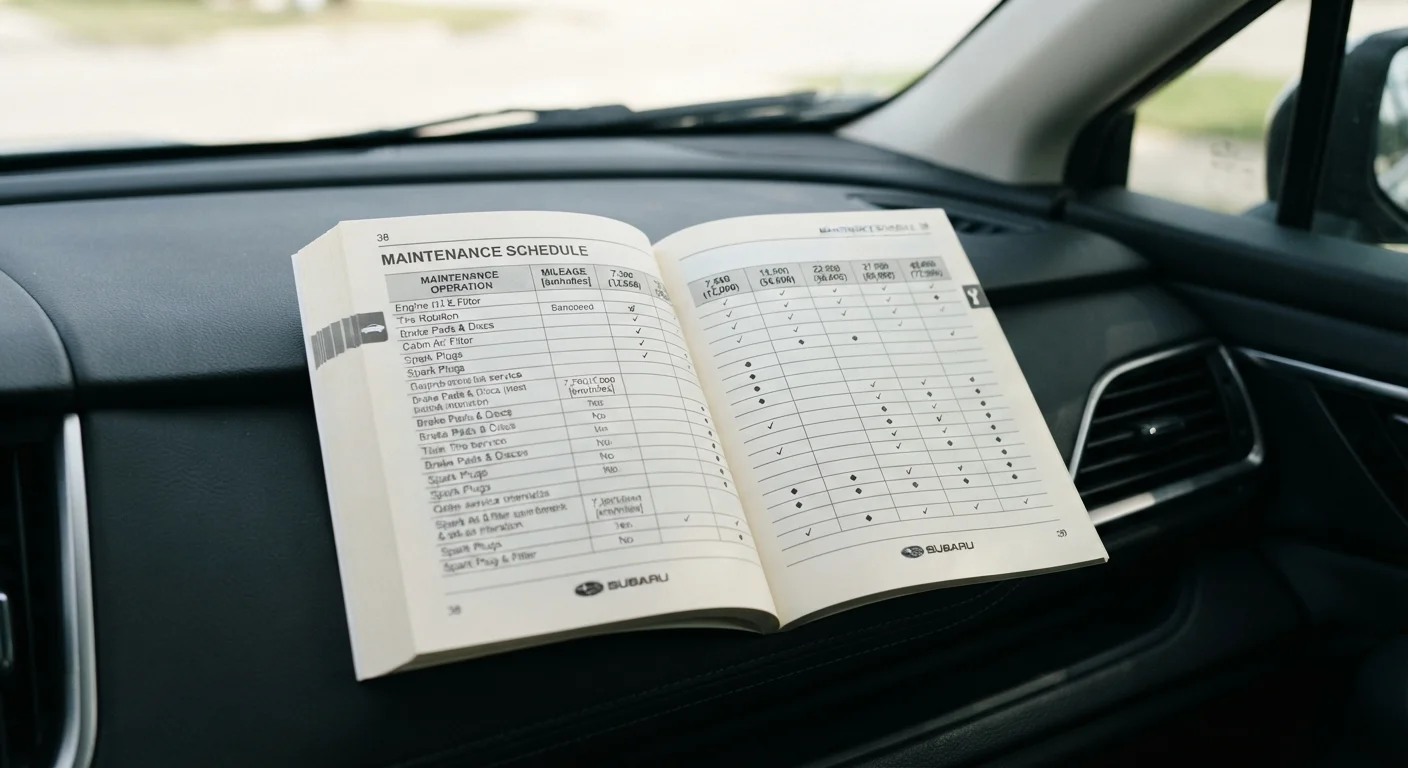
- Condition and maintenance history: A clean, well-maintained vehicle with documented service records holds its value better. Following your car's maintenance schedule isn't just good for reliability - it protects resale value too.
- Market demand: Some vehicle types and models simply hold their value better because buyers consistently want them. Trucks and certain SUVs have historically retained value well in the U.S. market, though this can shift with fuel prices and consumer preferences.
- Accident history: A reported collision typically reduces a vehicle's resale value, even after professional repairs.
- Color and features: Neutral, widely popular colors generally depreciate more slowly than unusual ones. Missing common features can also reduce buyer interest.
Protect Resale Value with a Paper Trail
Keep receipts and records of every oil change, tire rotation, and scheduled service. When it comes time to sell or trade in, a documented maintenance history can meaningfully support the asking price. Buyers and dealers view it as evidence that the vehicle was cared for consistently.
It's also worth noting that vehicles sitting idle still depreciate. Owning a car that rarely gets driven doesn't pause depreciation - time keeps ticking regardless of mileage.
What This Means for Your Financial Decisions
Understanding depreciation doesn't require complex math - it requires awareness of how vehicle ownership fits into your broader financial picture.
If you're buying new, expect significant value loss in the first few years. If you're buying used, research the model's historical depreciation to understand what you're likely to recover at resale. If you're leasing, know that monthly payments are essentially paying for the depreciation that occurs during your lease term, plus fees and financing costs.
Depreciation also intersects with insurance. If your vehicle is totaled in an accident, your insurer typically pays the current market value - not what you originally paid. Gap insurance, which covers the difference between what you owe and what the vehicle is worth, exists precisely because of this dynamic. For more on how vehicle-related insurance costs are structured, understanding policy costs is a useful foundation.
The most practical takeaway: keeping a vehicle longer, once a loan is paid off, can be one of the most effective ways to reduce the per-year financial impact of depreciation. The fixed cost is absorbed over more years, and you eliminate the recurring hit of a new vehicle's early-year value drop.
This article provides general educational information about vehicle depreciation and is not financial or legal advice. For decisions specific to your financial situation, consult a qualified financial professional.