Breaking Down the 17 Characters
The VIN is organized into three distinct sections, each serving a specific purpose. Understanding the structure turns a random-looking string of letters and numbers into a readable document about your vehicle.
Positions 1-3: World Manufacturer Identifier (WMI)
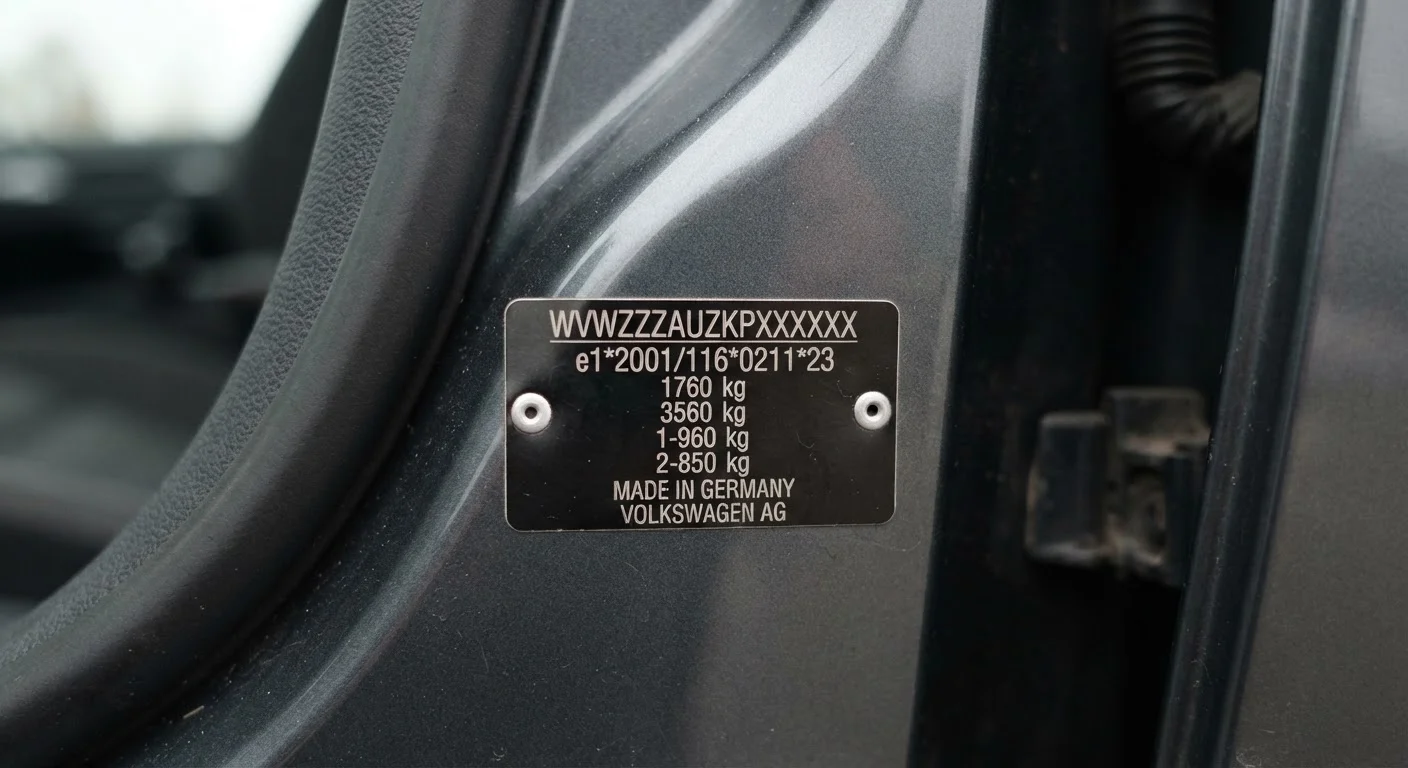
The first character identifies the country of manufacture. For example, vehicles assembled in the United States begin with 1, 4, or 5; Japan-assembled vehicles start with J; Germany with W. The second and third characters narrow it down to the specific manufacturer and vehicle division.
Positions 4-9: Vehicle Descriptor Section (VDS)
This middle block encodes the vehicle's attributes - body style, engine type, restraint systems, and model line. Manufacturers have some flexibility in exactly how they assign these characters, so the meaning of each position varies by automaker. Position 9, however, is universal: it's the check digit, a mathematically calculated value the government uses to verify the VIN is authentic and hasn't been tampered with.
Positions 10-17: Vehicle Identifier Section (VIS)
Position 10 is the model year code - a letter or number that corresponds to a specific year (for example, K = 2019, L = 2020, M = 2021). Position 11 identifies the assembly plant. Positions 12-17 are the vehicle's unique sequential production number, distinguishing it from every other car that rolled off the same line.
17
Characters in every standardized VIN
The 17-character format has been mandatory for all U.S.-market vehicles since 1981, per NHTSA regulation.
3
Structural sections within every VIN
The WMI, VDS, and VIS sections each encode distinct information about origin, specifications, and production sequence.
Position 9
The government-verified check digit
NHTSA requires position 9 to be a mathematically derived check digit used to detect fraudulent or altered VINs.
Where to Find Your VIN and Why It Matters
Manufacturers stamp or print the VIN in several locations to make it harder to alter or remove completely. The primary location is the dashboard plate on the driver's side, visible through the lower corner of the windshield. A matching sticker appears on the driver's door jamb. The VIN also appears on your vehicle title, registration, and insurance card.
These redundant placements serve a safety purpose: if the numbers don't match across locations, that's an immediate warning sign of potential fraud or a salvaged vehicle. If you're looking at a used vehicle and the dashboard VIN has been altered or is missing entirely, walk away.
Record Your VIN in Multiple Places
Store your VIN somewhere separate from the vehicle itself - a photo in your phone's notes app, your insurance card, or a home filing folder. If your car is ever stolen, having the VIN readily available speeds up the police report and insurance claim significantly. It also helps when ordering parts or scheduling recalls remotely.
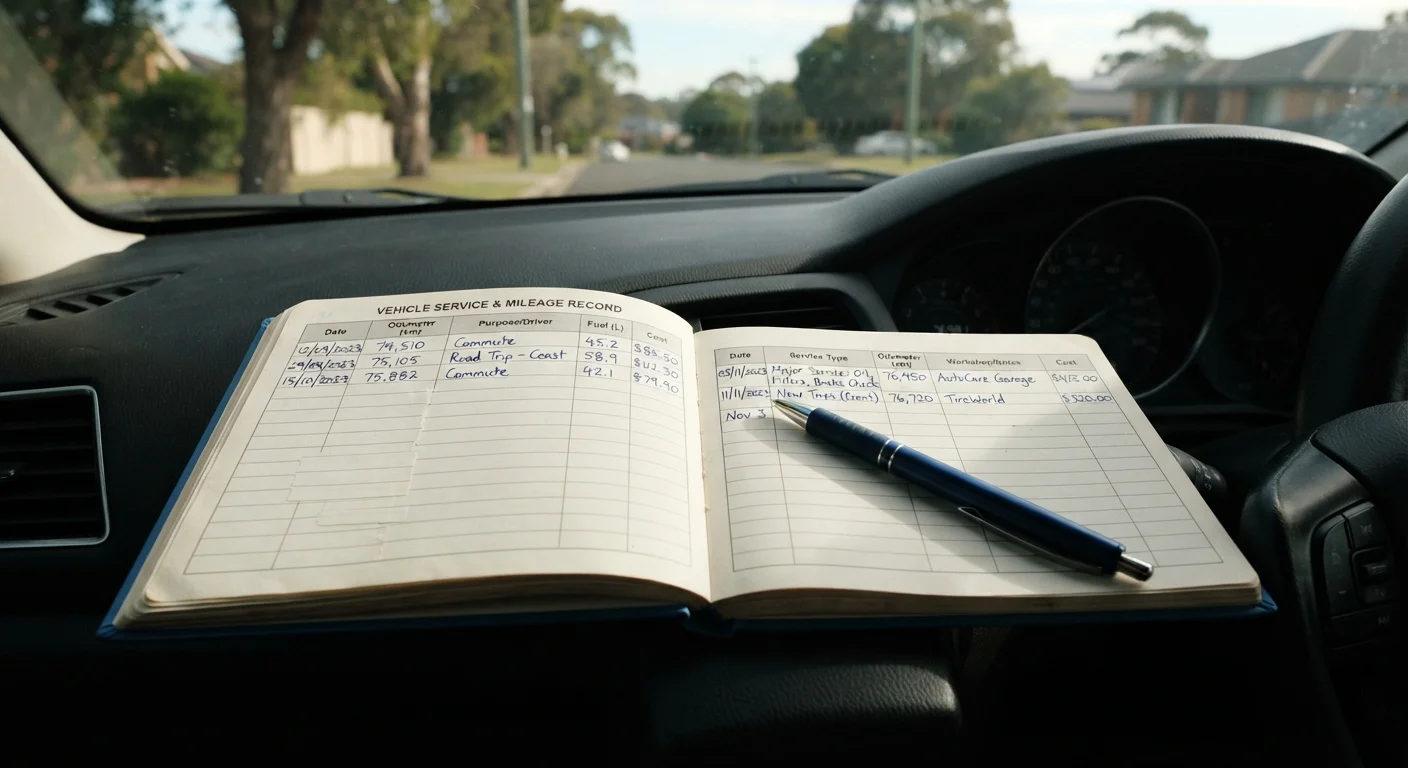
For everyday ownership, your VIN is the key to accessing manufacturer recall information through the NHTSA database - a free public resource. It's also what insurers and lenders use to verify your vehicle's identity. If you ever need warranty service, roadside assistance, or a parts order, the VIN ensures you get the right parts for your exact vehicle configuration. See our vehicle log guide for advice on where to record and store your VIN safely.
Practical Uses Every Driver Should Know
Decoding your VIN isn't just an academic exercise - it has real, practical applications throughout your time as a vehicle owner.
- Recall checks: The NHTSA allows anyone to enter a VIN at nhtsa.gov to see open safety recalls that haven't been repaired. Manufacturers must fix recall defects at no charge.
- Used vehicle research: Before buying a pre-owned vehicle, running the VIN through a vehicle history service can surface accident reports, flood damage, title branding, and odometer discrepancies.
- Parts ordering: A VIN-specific parts lookup ensures compatibility - especially important for items like brake components, filters, or sensors that vary by engine or trim.
- Insurance and claims: Your insurer uses the VIN to confirm exactly what they're covering. Discrepancies between the VIN on your policy and your vehicle can complicate claims.
- Theft recovery: Law enforcement uses VINs to identify and return recovered stolen vehicles to their rightful owners.
If you're new to car ownership, our guide on what nobody tells first-time buyers covers how the VIN fits into the broader picture of registration, insurance, and maintenance from day one. And when you're ready to dig deeper into keeping your vehicle in good shape, the Maintenance & Repairs hub is a practical starting point.