Why Most Drivers Skip the Log - and What It Costs Them
Keeping a vehicle log sounds like extra homework. In practice, it takes less than five minutes after a service visit and delivers outsized returns: a cleaner resale, faster warranty resolutions, and early warning on mechanical issues. Drivers who skip it often pay the price later - in reduced trade-in offers, contested claims, or repeated repairs that a documented history would have flagged sooner.
A vehicle log isn't just a record of the past. It's a financial asset. Prospective buyers often pay a premium for verifiable service histories, and insurers and warranty administrators respond more favorably to documented claims. If you're new to the ownership side of driving, a new driver's starting point for vehicle maintenance covers the foundational tasks this log will help you track.
Start Now, Even Mid-Ownership
You don't need to own a new car to start a vehicle log. Begin with whatever records you have - past receipts, inspection stickers, dealer printouts - and log everything going forward. An incomplete history is still far more useful than no history at all, especially when it comes to resale or a contested repair.
The format you choose matters far less than the habit. Paper, digital, or a combination - pick what you'll actually use consistently.
What you will need
What to Track: The Essential Categories
A useful vehicle log covers four core categories:
- Scheduled maintenance: Oil changes, tire rotations, fluid replacements, and filter swaps aligned with your manufacturer's intervals. Decoding your car's maintenance schedule can help you understand what each service milestone involves.
- Repairs and parts replacements: Any unscheduled work, including what failed, what was replaced, and at what mileage.
- Mileage and fuel economy: Odometer readings at fill-ups and calculated MPG over time.
- Recall and warranty work: Dates, descriptions, and documentation of any manufacturer-covered or dealer-covered repairs.
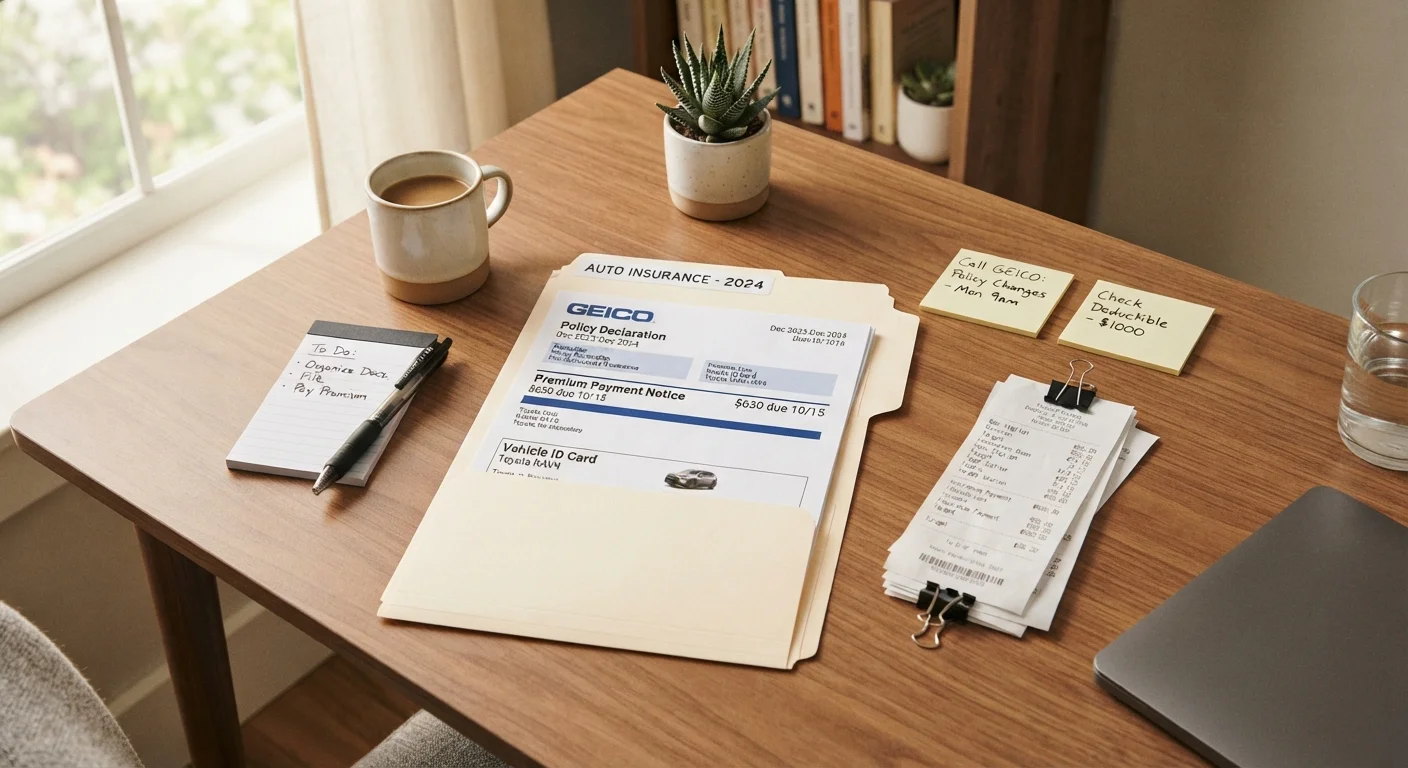
Keeping these four categories current gives you a complete picture of your vehicle's health and history at any point in time. It also positions you well if you ever need to reference your records for insurance purposes - as outlined in how your paper trail affects insurance claims.
Don't Rely on Memory or Dealer Records Alone
Service centers and dealerships may keep their own records, but those records can be incomplete, inaccessible after a business closes, or difficult to retrieve quickly. A log you control and maintain is the only record you can guarantee will be available when you need it most - whether at a roadside breakdown or in a resale negotiation.
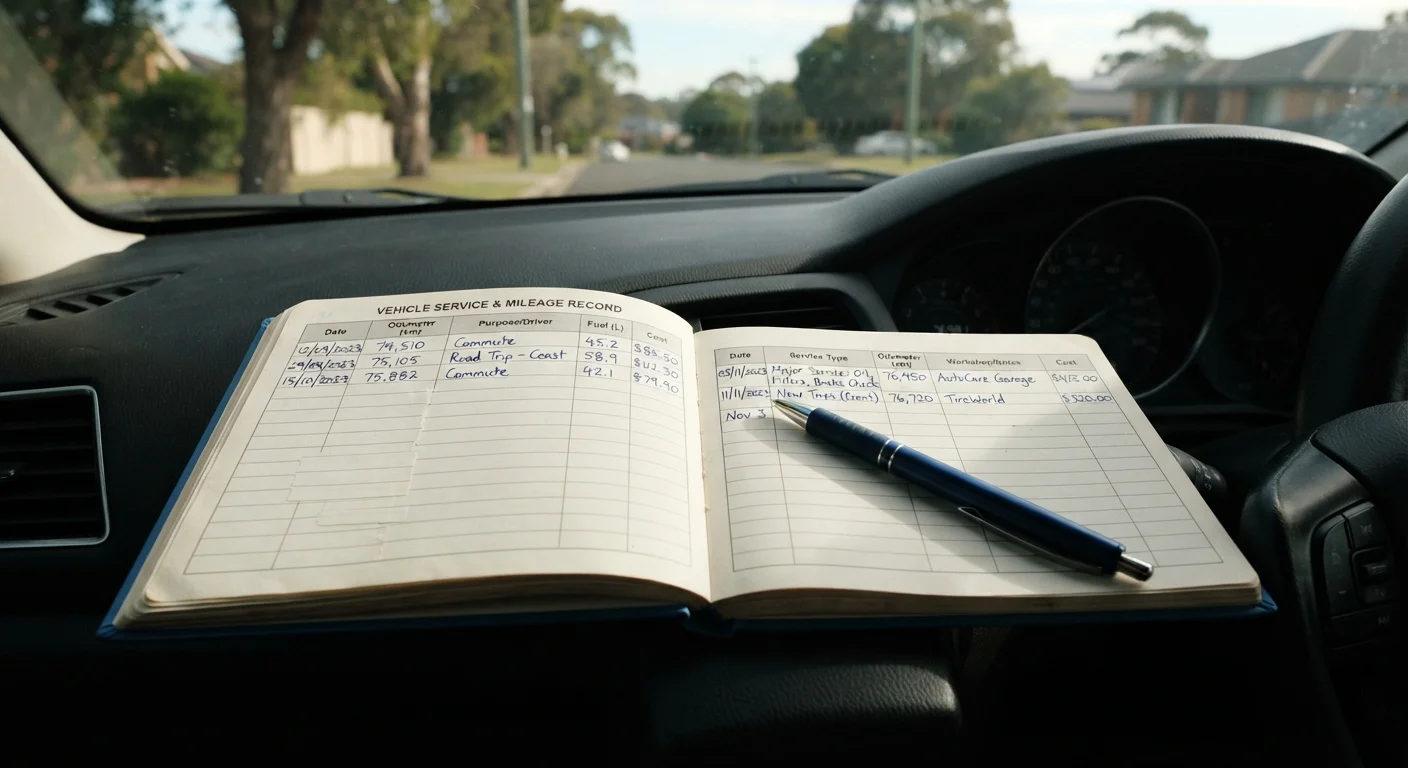
Dedicated notebook or binder
Provides a physical, permanent record that doesn't depend on software or internet access.
Vehicle logbook app
Automates mileage tracking and service reminders, making digital recordkeeping easier.
Folder or accordion file
Stores physical receipts, inspection certificates, and warranty documents alongside your log.
Owner's manual
Confirms manufacturer-recommended service intervals to log against.
Step-by-Step: Building and Maintaining Your Log
Follow these steps to build a vehicle log that works for your situation - whether you're starting fresh with a new car or catching up on an older one.
Choose your format and set it up
Decide whether you'll keep a paper log or use a digital tool - the right choice is whichever one you'll actually maintain. A basic spiral notebook works. So does a dedicated vehicle logbook app. What matters is that it lives in or near the vehicle (or syncs automatically) so it's available when you need it.
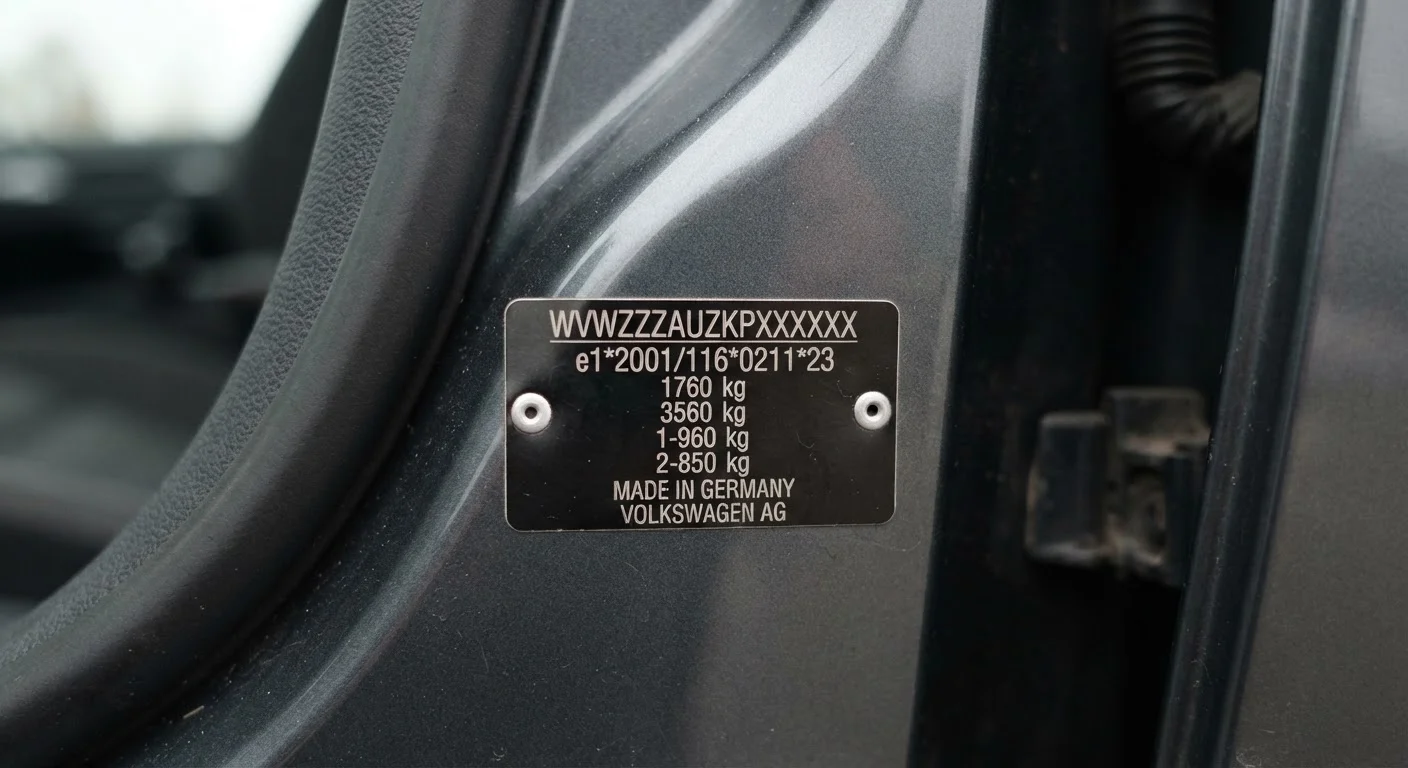
Label your log with the vehicle's make, model, model year, and VIN (Vehicle Identification Number) - the 17-character code found on the driver-side dashboard or door jamb. The VIN ties every entry to a specific vehicle, which is essential if you own more than one car or sell the vehicle later. See what each segment of your VIN means for context on why this identifier matters.
Record every service and maintenance event
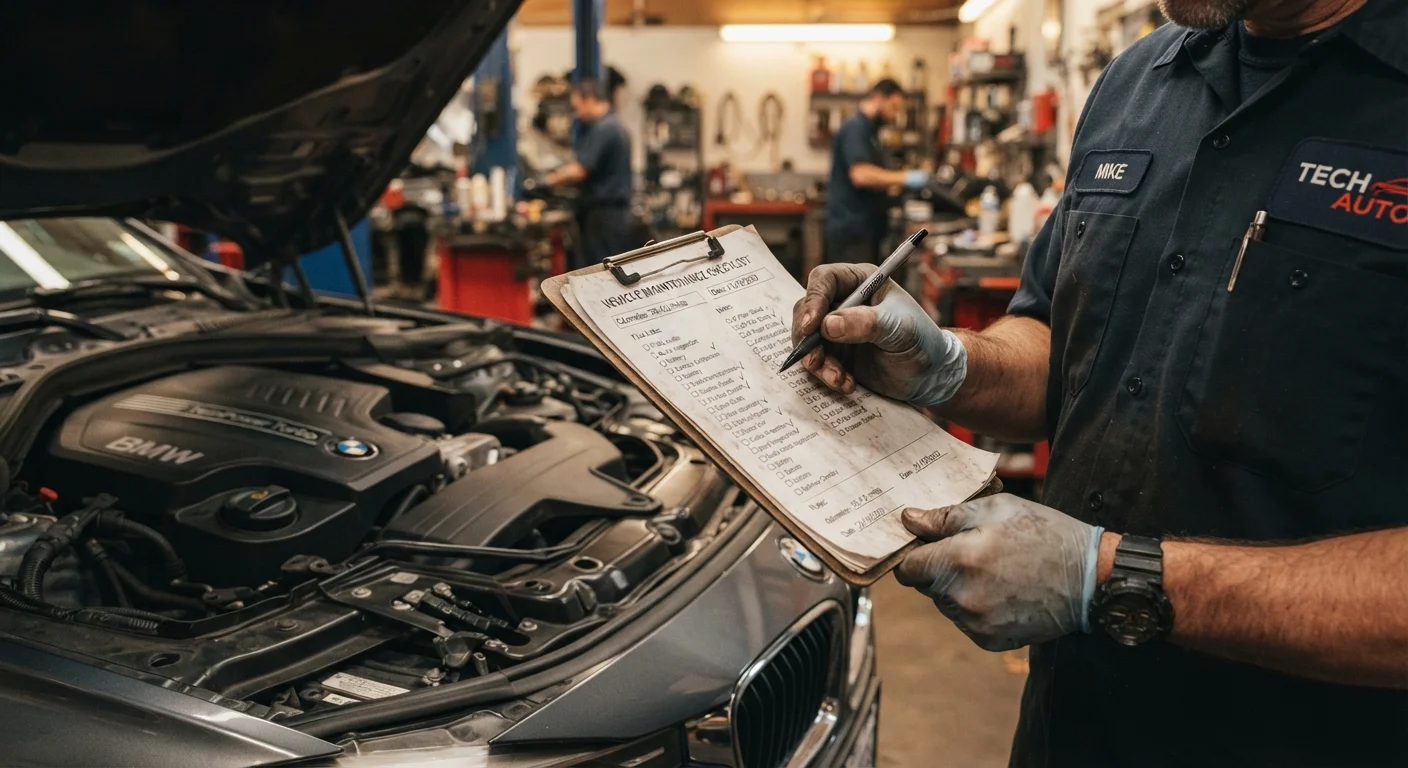
Each time the vehicle receives any service - oil change, tire rotation, brake inspection, fluid top-off - log the following: date, current odometer reading, service performed, cost, and who did the work (shop name or DIY). This creates a timestamped trail that proves the vehicle was maintained.
Even minor items like a cabin air filter replacement or a wiper blade swap belong in the log. Buyers, mechanics, and warranty administrators look for patterns of care, not just major repairs. For a clear picture of which services fall due and when, see which maintenance milestones actually matter.
Track mileage and fuel economy
Log your odometer reading at every fill-up, then calculate miles per gallon by dividing miles driven since the last fill-up by gallons pumped. Note both figures. A gradual decline in fuel economy often signals a maintenance need - a clogged air filter, degraded spark plugs, or low tire pressure - before the problem becomes expensive.
Consistent mileage tracking also supports accurate service interval calculations, insurance inquiries, and business mileage deductions if the vehicle is used for work. Consult a qualified tax professional about any deduction claims based on your specific situation.
Document repairs, recalls, and warranty work
Every repair - whether covered under warranty, a recall fix, or an out-of-pocket job - deserves a full entry: what failed, what was replaced or repaired, parts used, labor cost, and whether the work was covered by a warranty or recall. Keep the original written estimate alongside the final invoice; discrepancies between the two can matter if a dispute arises later.
If the same component fails repeatedly, your log gives you a clear history to present to a mechanic, dealer, or warranty provider. That paper trail can be decisive - a point reinforced in how documentation affects insurance claims.
Review and update before any major transaction
Before selling the vehicle, trading it in, filing an insurance claim, or bringing it in for a major repair, review your log for completeness. Fill in any gaps you can verify. A complete, coherent service history is a concrete selling point - many private buyers and dealerships treat well-documented vehicles as lower-risk purchases.
For high-mileage vehicles, a thorough log demonstrating consistent care can be especially persuasive. Drivers aiming to keep a car running long-term will find that documented habits reinforce trust with mechanics and future owners alike - relevant if you're following guidance on keeping a car running well past 150,000 miles.
Your Log Is a Financial Document
A well-maintained vehicle log can directly affect the dollar amount you receive when selling or trading in a vehicle, the outcome of a warranty dispute, and the accuracy of any mileage-based tax deduction. Treat it with the same care you'd give any financial record - store it safely, back it up, and keep it current.
This article is for general informational and educational purposes only. It does not constitute financial, legal, tax, or insurance advice. For guidance specific to your situation - including any tax deductions related to vehicle use - consult a qualified professional.