Why New Drivers Should Know the Basics
Owning a vehicle means taking on responsibility for a complex machine that depreciates, wears, and occasionally breaks down. New drivers who understand even the fundamentals of maintenance are far better positioned to catch problems early, avoid being overcharged at a shop, and keep their car reliable for years. You don't need a mechanical background - you need a working understanding of what your car needs and why.
This guide is part of the broader Car Ownership Basics knowledge set, designed to give first-time owners a solid foundation before they encounter their first dashboard warning light or unexpected shop bill.
Owner's manual
The official booklet (or digital document) from the vehicle manufacturer that specifies correct fluids, service intervals, and operating procedures for your specific car.
Service interval
The mileage or time period between scheduled maintenance tasks, such as oil changes or tire rotations, as specified by the manufacturer.
Dipstick
A metal rod inserted into the engine that allows you to check the level and condition of engine oil without any tools.
Tire pressure (PSI)
The amount of air inside a tire, measured in pounds per square inch. The correct PSI for your car is found on the door jamb sticker, not on the tire itself.
Coolant
A liquid mixture (usually water and antifreeze) that circulates through the engine to regulate temperature and prevent overheating or freezing.
VIN
Vehicle Identification Number - a unique 17-character code assigned to every vehicle that identifies its make, model, year, and manufacturing details.
The Maintenance Tasks Every Owner Should Recognize
Routine maintenance falls into two categories: things you can reasonably monitor yourself, and things that require a qualified technician. Start by learning to check the following on a regular basis:
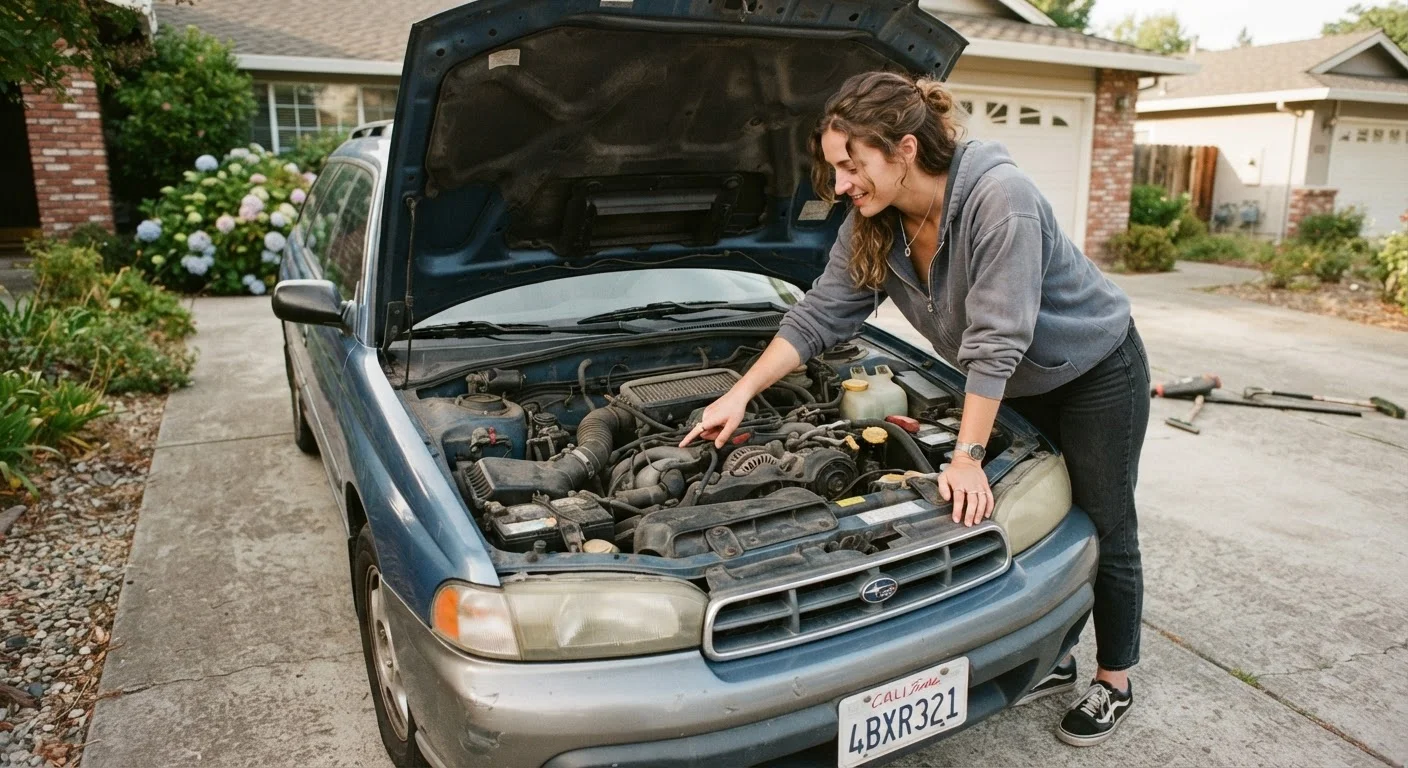
- Engine oil: Low or dirty oil causes engine wear. Most vehicles have a dipstick that lets you check level and color in under two minutes.
- Tire pressure: Under-inflated tires reduce fuel efficiency and handling safety. Check pressure monthly with an inexpensive gauge - the correct PSI is printed on a sticker inside the driver's door jamb, not on the tire sidewall.
- Coolant level: Keeps the engine from overheating. Check only when the engine is cold.
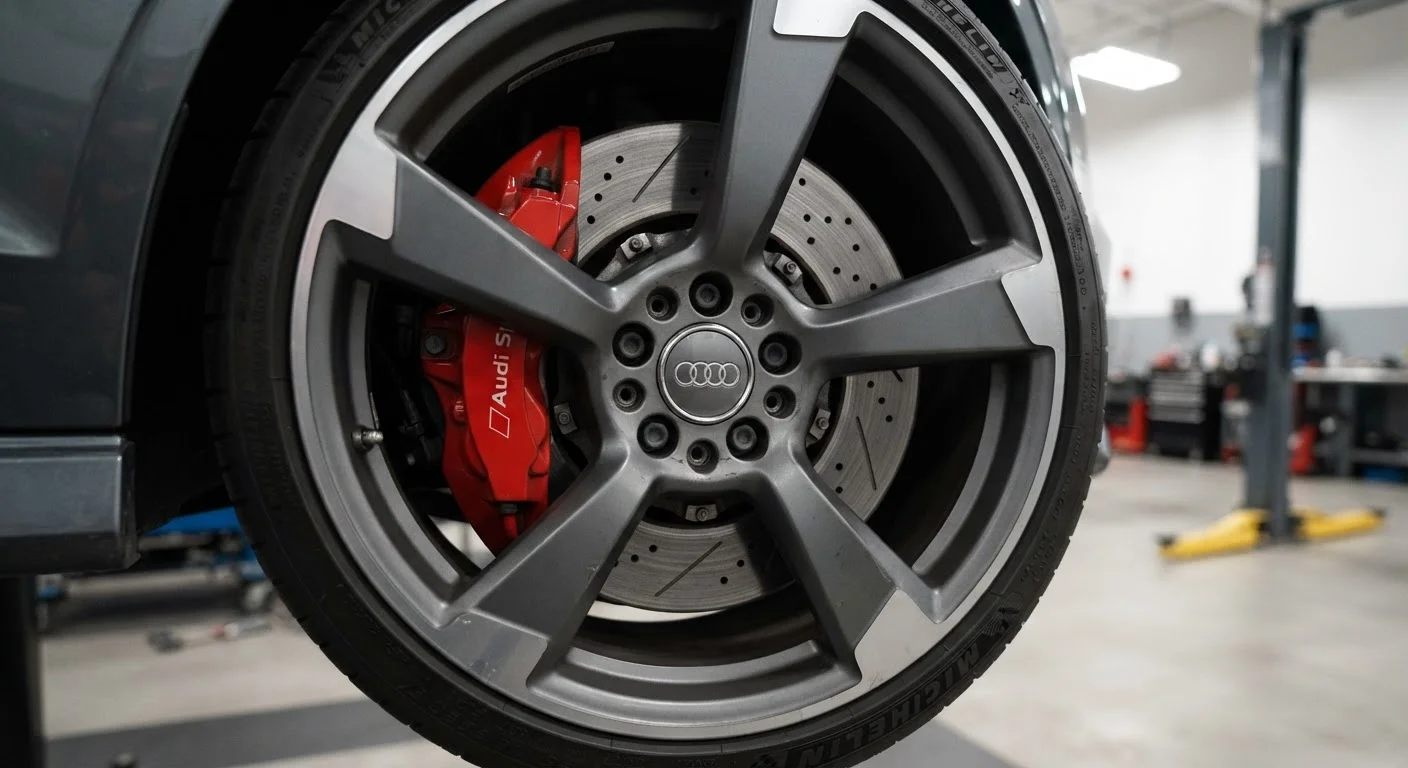
- Brake fluid and brake feel: A spongy brake pedal or grinding noise warrants immediate attention. For a deeper understanding of how the stopping system works, see Brake Pads, Rotors, and Calipers.
- Wiper blades: Replace annually or when streaking begins - visibility is a safety issue, not a comfort preference.
- Air filter: A clogged cabin or engine air filter reduces performance and air quality. Typically replaced every 15,000-30,000 miles depending on driving conditions.
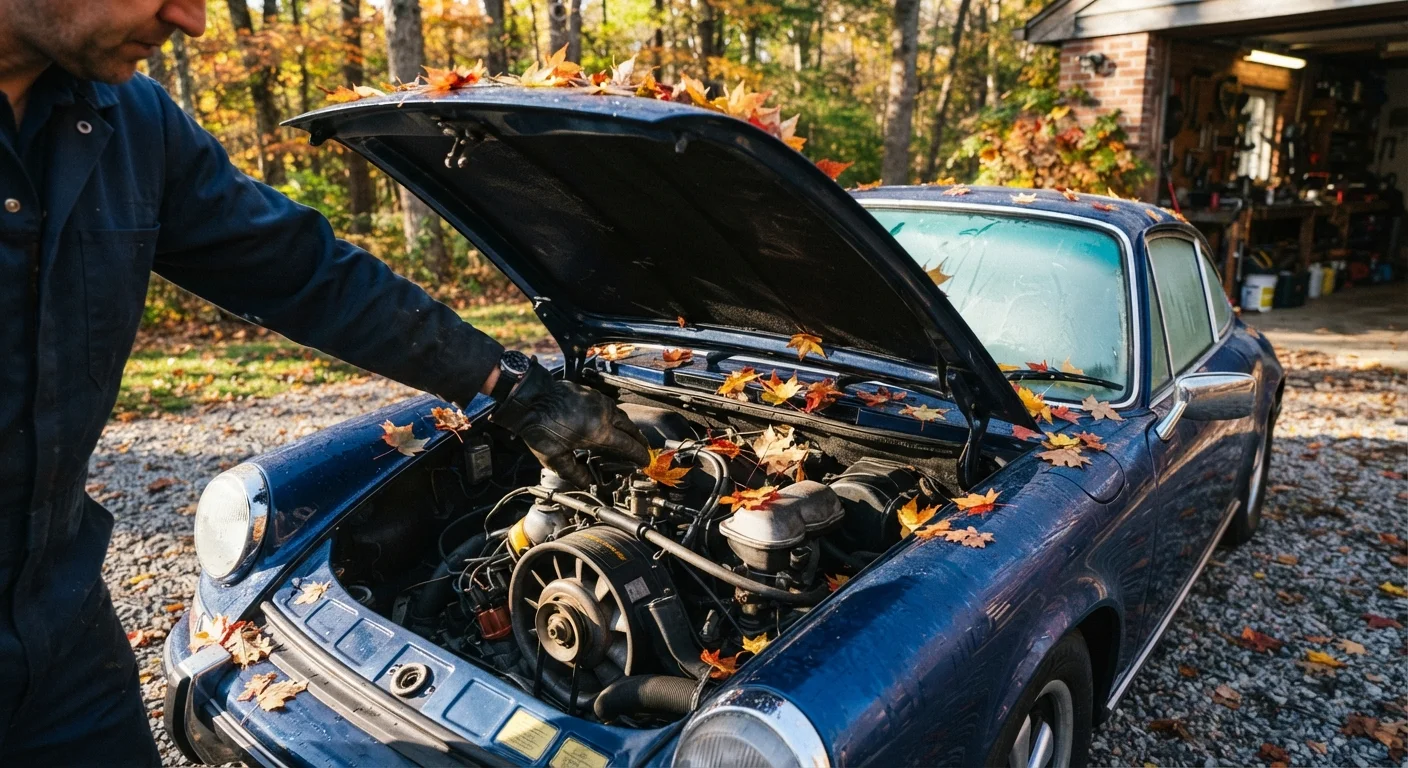
Seasonal conditions add another layer of maintenance needs. Seasonal Car Care walks through which checks to prioritize as weather changes.
Make a Quick Monthly Checklist
Set a recurring phone reminder on the first of each month to spend five minutes on your vehicle: check tire pressure, glance at fluid levels, and look for any new warning lights. Catching a slow tire leak or low coolant early is far cheaper than dealing with the consequences on the road.
Reading Your Owner's Manual (It's Not Optional)
The owner's manual is the single most reliable source for your vehicle's maintenance requirements. Every car has different fluid types, tire pressures, and service intervals - generic advice from the internet may not apply to your specific make, model, and engine configuration.
Locate the maintenance schedule section and note the mileage or time-based milestones for oil changes, transmission service, spark plug replacement, and belt inspections. Many drivers are surprised to learn that their manufacturer's recommended oil change interval differs significantly from the old "every 3,000 miles" rule of thumb that circulated for decades.
The "3,000-Mile" Rule Is Outdated
Many older driving guides and some quick-lube chains still promote the idea of changing oil every 3,000 miles. Most modern vehicles with synthetic oil are designed to go 5,000-10,000 miles or more between changes, depending on the engine and oil type. Always follow your owner's manual rather than a generic rule of thumb - over-servicing wastes money, but under-servicing causes real engine wear.
If you bought a used vehicle and the manual is missing, most manufacturers make digital versions available on their official websites. Your VIN can help you find the exact documentation for your specific build.
When to DIY and When to See a Mechanic
Some tasks are genuinely safe for a careful beginner: checking fluid levels, replacing wiper blades, swapping cabin air filters, and monitoring tire pressure. These require minimal tools and carry low risk when done correctly.
Other jobs carry real safety implications and should be handled by a qualified mechanic: brake system work, suspension components, timing belt replacement, and any repair that involves lifting the vehicle. A mistake in these areas can affect your ability to control the car and put you and others at risk.
You're not obligated to use a dealership for routine service. Independent mechanics can legally perform covered maintenance without voiding your warranty under U.S. consumer protection law, provided they use manufacturer-approved fluids and parts. Getting a second opinion on an expensive repair estimate is always reasonable.
Don't Attempt Brake or Suspension Work Without Training
Brake and suspension repairs directly affect your ability to control the vehicle. Incorrect installation of brake pads, rotors, or suspension components can cause brake failure or loss of vehicle control. If you're unsure about a repair, take it to a qualified mechanic - the cost of professional service is far less than the risk of getting it wrong.
Building a Maintenance Habit From Day One
Consistency matters more than perfection. Set a recurring monthly reminder to do a quick walk-around: check tire condition visually, glance at fluid levels, and note any new sounds or dashboard lights. Pair maintenance with a mileage milestone system - many drivers use oil change intervals as a natural checkpoint to inspect other items at the same time.
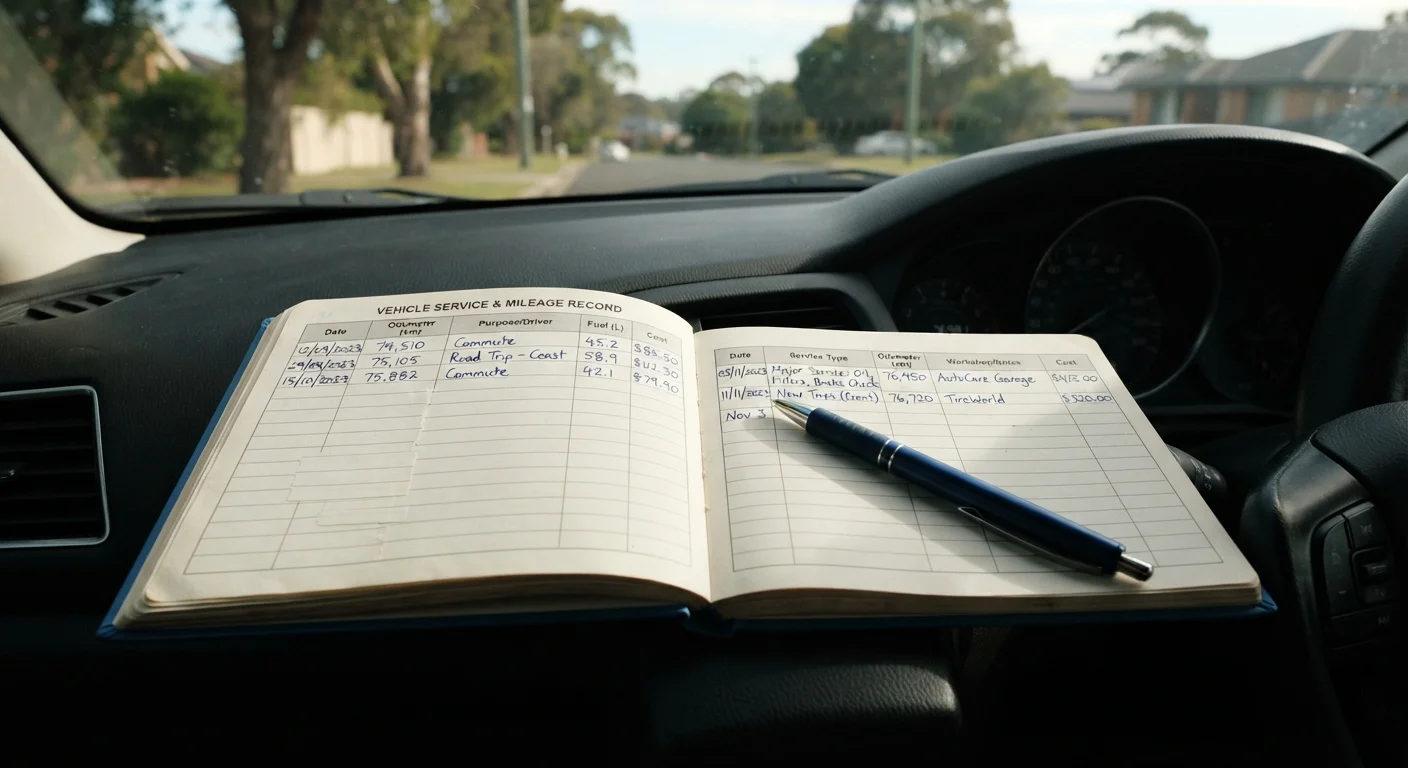
Keeping a simple log of every service - date, mileage, what was done, and cost - protects you in multiple ways. It helps you spot patterns (a fluid that keeps running low, for example), supports warranty claims, and adds documented value at resale. Keeping a Vehicle Log explains exactly what to track and why it pays off.
Maintenance costs are also a real budget line item. If you're building financial habits alongside this new ownership responsibility, Your First Budget is a practical starting point for factoring in recurring vehicle expenses.
For drivers who plan to keep their vehicle well into high-mileage territory, the habits you build now compound over time. Keeping a Car Running Past 150,000 Miles covers what changes as the odometer climbs.
This article is for general informational purposes only and does not constitute professional mechanical, financial, or legal advice. Always consult a qualified mechanic for repairs that affect vehicle safety.