Why High-Mileage Cars Need a Different Approach
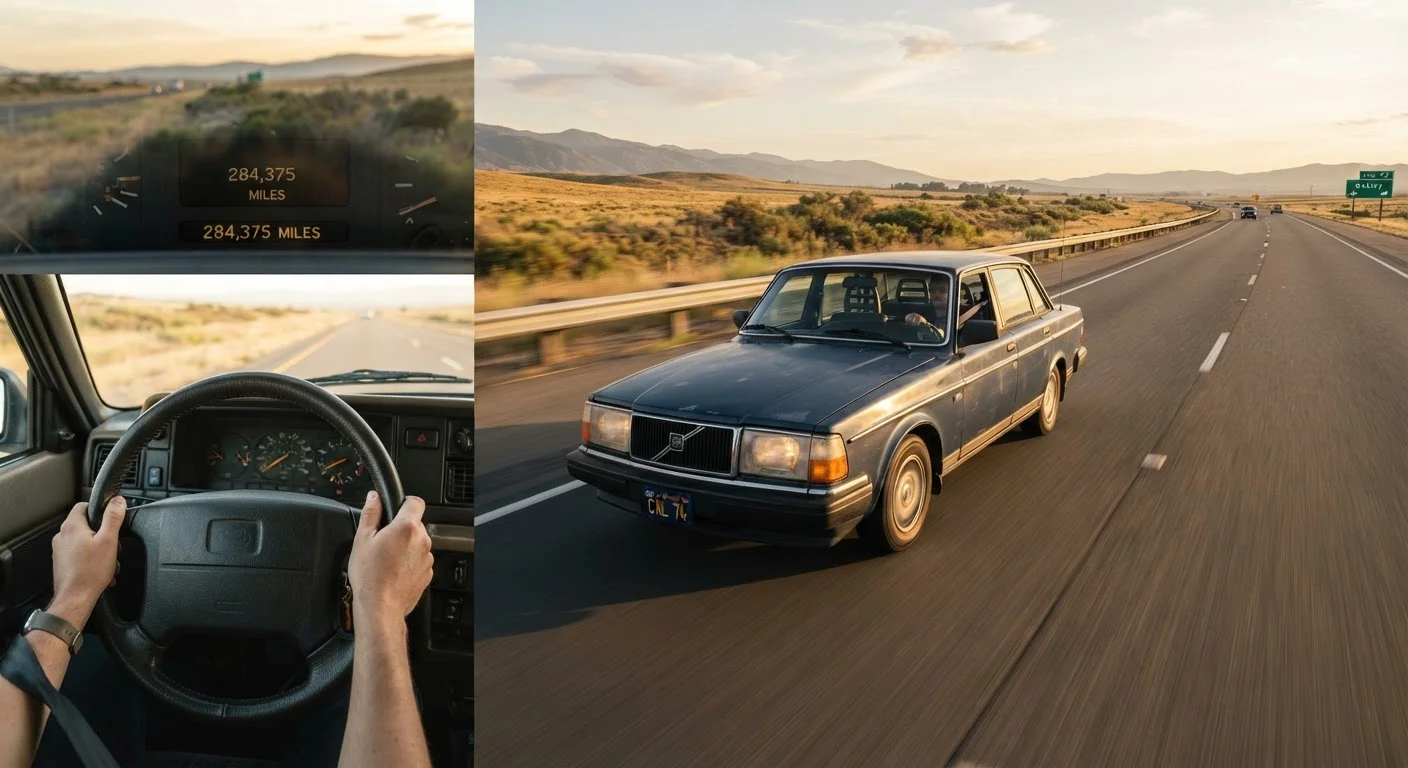
A vehicle crossing 150,000 miles isn't failing - it's simply entered a phase where proactive maintenance matters more than it ever did before. Rubber seals harden, metal surfaces accumulate microscopic wear, and fluids degrade faster in engines that have run through hundreds of heat cycles. The good news: most of those changes are manageable with consistent, informed upkeep.
The instinct to defer service on an aging car to "save money" often backfires. A neglected cooling system failure or a transmission left on old fluid can turn a $150 service into a $3,000 repair. Understanding which systems are most vulnerable - and why - is the foundation of keeping an older vehicle dependable. See our guide to maintenance intervals that actually matter for a broader look at timing service correctly.
Switch to a high-mileage oil formulation and shorten your check intervals
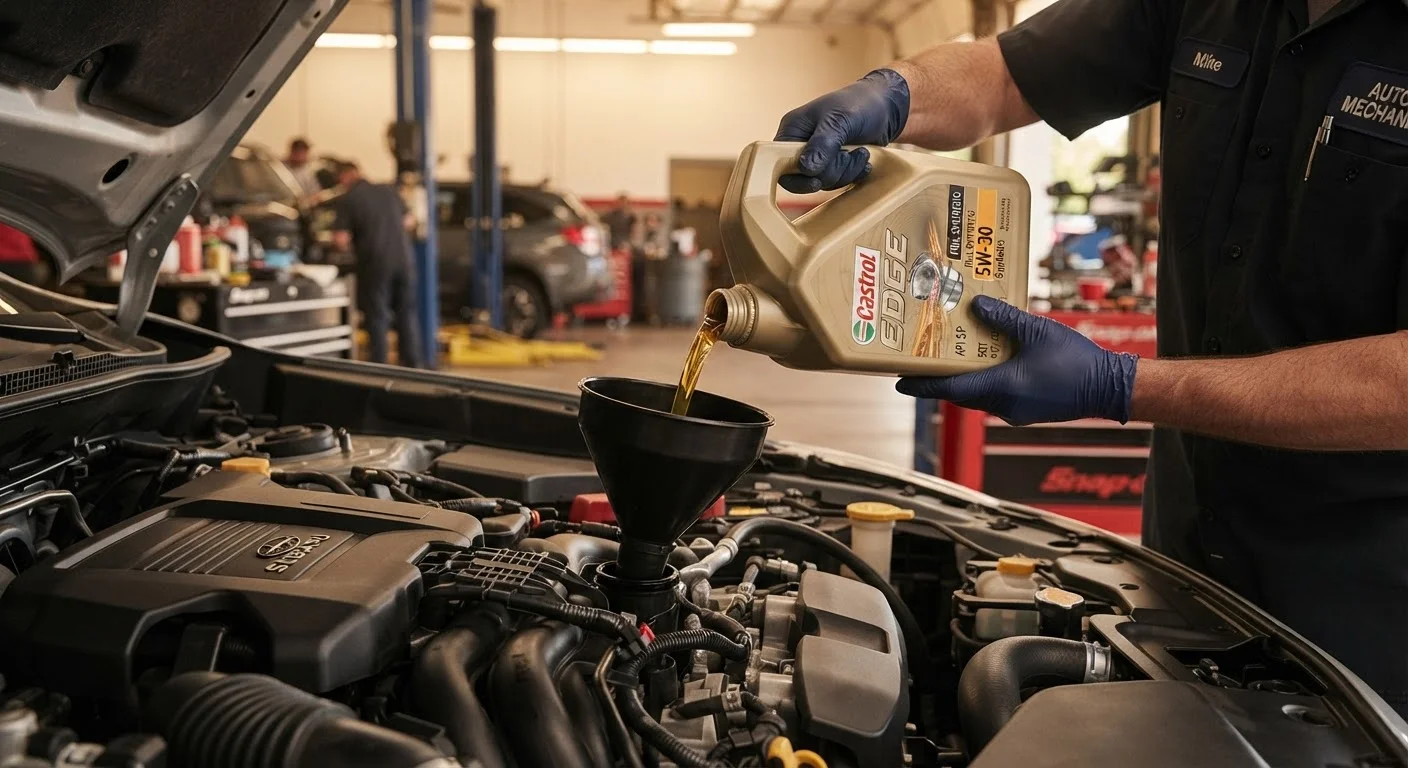
Aging engines with worn seals lose oil between changes more readily than newer ones. High-mileage formulations add seal conditioners that reduce seepage, while more frequent level checks catch developing consumption before it starves bearings or cylinders.
Flush and replace transmission fluid on schedule - don't skip it on older vehicles
Transmission fluid degrades and accumulates metal particles over time. On a high-mileage vehicle, old fluid dramatically accelerates internal wear and can cause shifting problems that are expensive to repair.
Inspect and replace cooling system hoses, belts, and the thermostat proactively
Rubber components harden and crack with age, and a burst radiator hose or failed thermostat can cause engine overheating - one of the fastest ways to destroy an otherwise healthy motor. Replacing these on a scheduled basis is far cheaper than the damage they cause when they fail.
Keep tires properly inflated and rotated to protect suspension components
Worn or uneven tires put added stress on ball joints, wheel bearings, and struts - components that are already aging in a high-mileage vehicle. Correct inflation and regular rotation extend tire life and protect the suspension system underneath.
Have brake fluid tested and replaced if moisture contamination is detected
Brake fluid is hygroscopic - it absorbs moisture from the air over time. Contaminated fluid lowers the boiling point of the braking system, which can cause brake fade under hard use and accelerate corrosion inside calipers and the master cylinder.
Core Practices for Long-Haul Reliability
The following habits are grounded in how engines and drivetrain components actually age - not in dealership upsell cycles. Prioritize them based on your vehicle's history and current mileage.
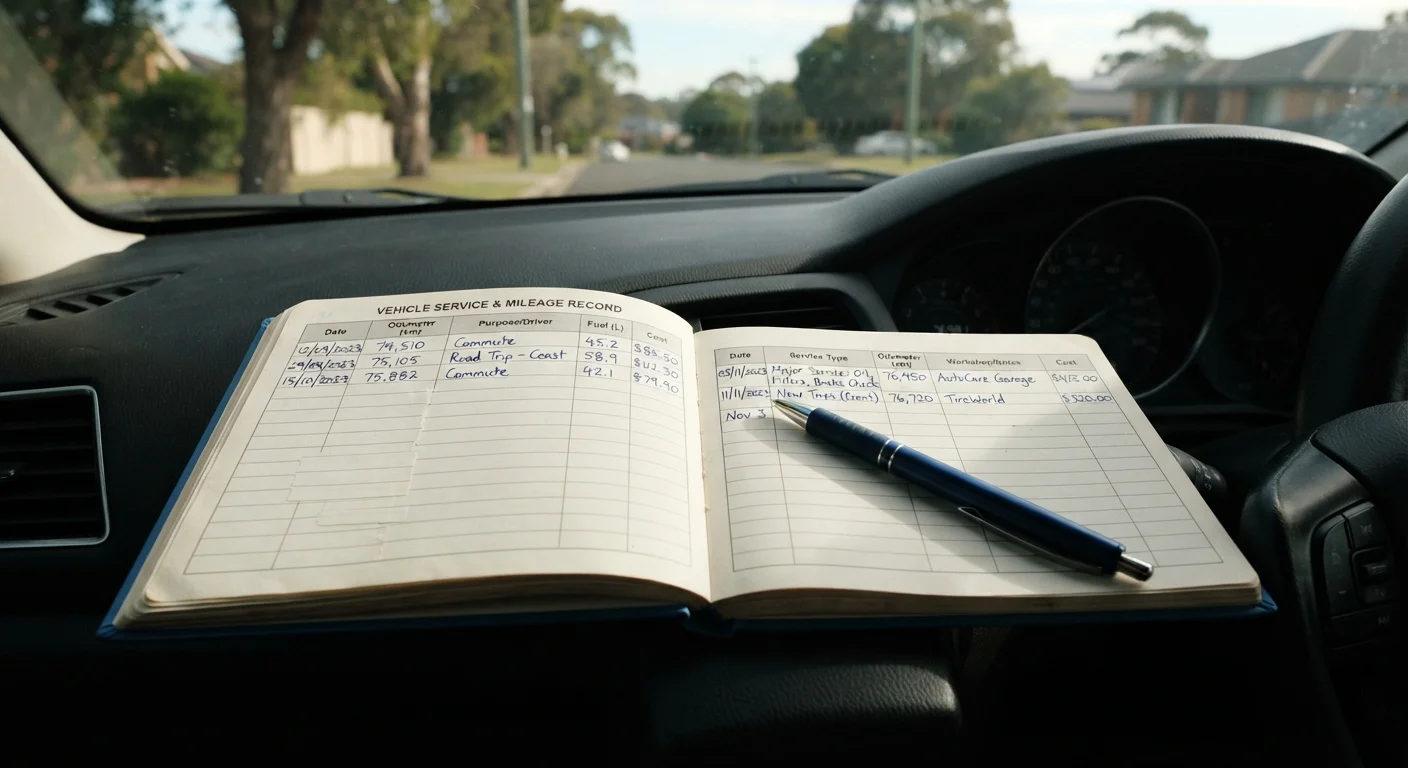
If you haven't been tracking service dates and mileage, now is the time to start. A detailed log makes it easier to spot developing problems and gives any mechanic a reliable baseline. Our vehicle log guide explains exactly what to record and why it pays off over time.
Fluids, Seals, and the Aging Engine
Engine oil is the single most important variable in a high-mileage vehicle's lifespan. Older engines often develop small leaks at gaskets and seals, and they may begin consuming small amounts of oil between changes. Checking the oil level every two to three weeks - not just at change intervals - catches problems before they cause damage.
~200,000
Miles many modern vehicles can reliably reach
Consumer analysis from IHS Markit (now S&P Global Mobility) has found the average vehicle age on U.S. roads exceeded 12 years, reflecting that well-maintained cars regularly surpass 150,000-200,000 miles.
1 in 3
High-mileage failures linked to cooling system issues
Industry repair data consistently identifies cooling system failures - hoses, thermostats, and water pumps - as among the most common causes of roadside breakdowns in vehicles over 100,000 miles.
Formulations marketed as "high-mileage" oils typically include seal conditioners and additional detergents. Whether these are worth it depends on your engine's specific condition, but for vehicles showing early signs of seepage, they're a reasonable choice to discuss with a trusted mechanic. For a clear-eyed look at what oil change intervals modern engines actually need, see our piece on oil change myths costing drivers money.
When to Involve a Mechanic You Trust
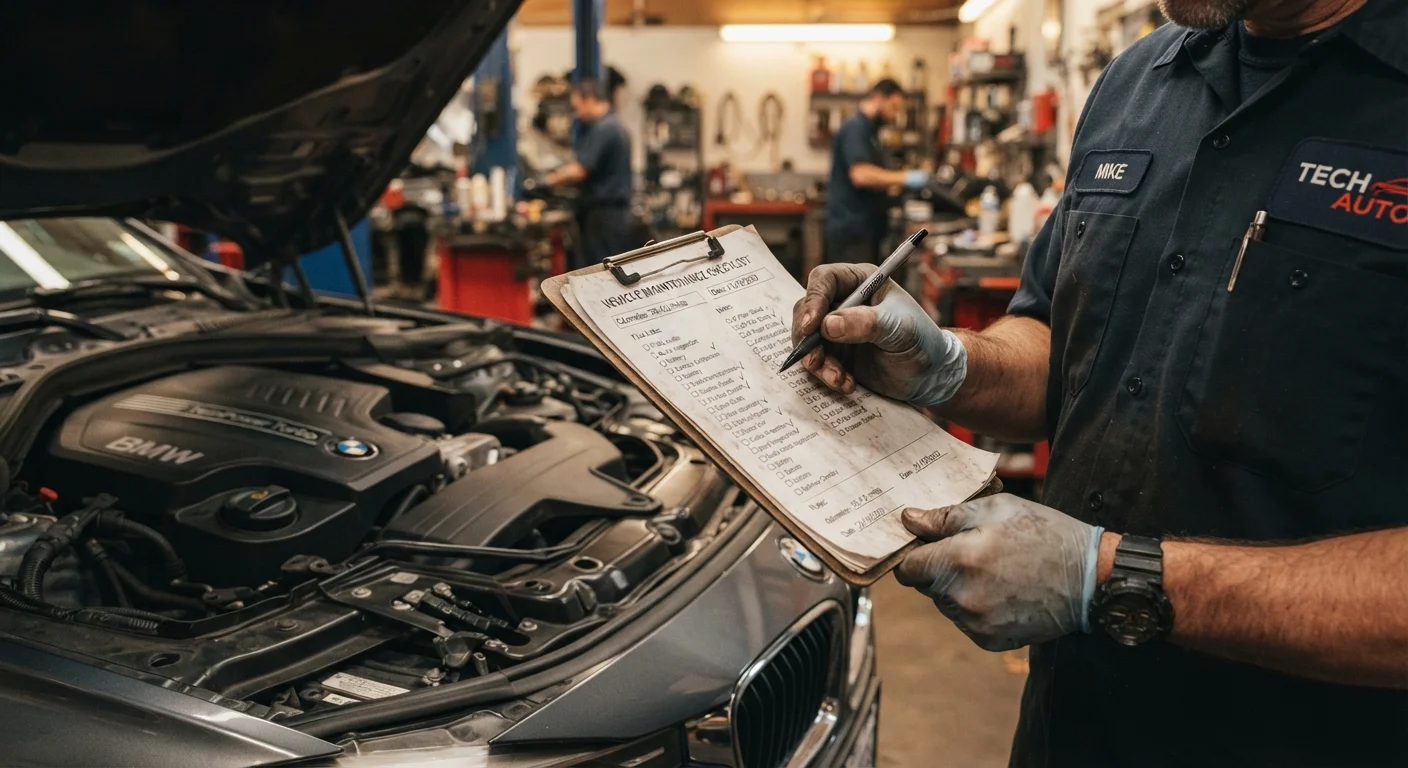
At high mileage, some jobs - like a timing belt replacement or diagnosing an oil leak's exact source - genuinely require a professional. Finding an independent mechanic you trust before something goes wrong gives you a resource for honest assessments. A good mechanic on an aging vehicle is a long-term investment, not just a one-time fix.
The cooling system deserves equal attention. Coolant breaks down chemically over time and can become acidic, corroding the radiator, water pump, and heater core from the inside. A coolant flush at the interval specified in your owner's manual - and a visual inspection of hoses for cracking or softness - prevents most cooling system failures. Refer to your owner's manual or our maintenance schedule explainer to confirm the right interval for your vehicle.