Why Coverage Gaps Stay Hidden Until It's Too Late
Insurance policies are designed to be comprehensive-sounding - and most of them genuinely do cover a broad range of losses. The problem is the exclusions. Every policy has them, and they are usually written in dense legal language tucked toward the back of a document most people never open after buying coverage.
The result is a gap between what policyholders believe they have and what the contract actually promises. Those gaps are rarely discovered during renewal. They surface during a claim - after a flood, a fire, a car crash, or a medical emergency - when the stakes are already high and the options to fix the problem are limited. Coverage gaps in common policies tend to follow predictable patterns, which means they are also predictable enough to fix ahead of time.
The mistakes below represent the blind spots that come up most often, across the four main types of personal insurance: home, auto, health, and life.
Gaps Show Up at Claim Time - Not Before
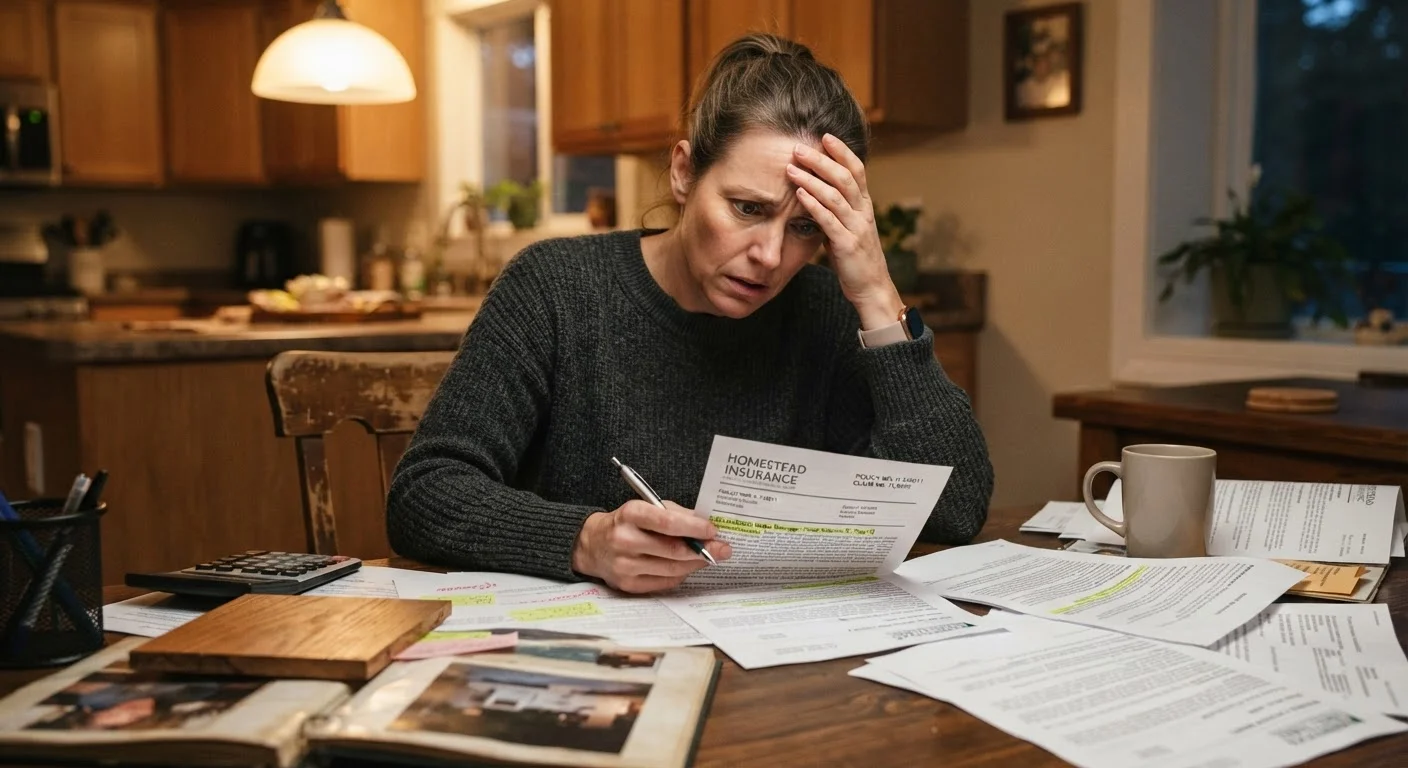
Insurance exclusions rarely come with a warning label on your renewal notice. Most policyholders find out what isn't covered only when they file a claim and it gets denied. Reading the exclusions section of your policy - not just the summary page - is the only reliable way to know what protection you actually have. If the language is unclear, ask your agent to explain it in plain terms before you need to use it.
The Most Common Blind Spots - and How to Close Them
Each of the following mistakes reflects a real and recurring pattern. None of them require specialized knowledge to avoid - they just require reading the policy before a claim forces you to.
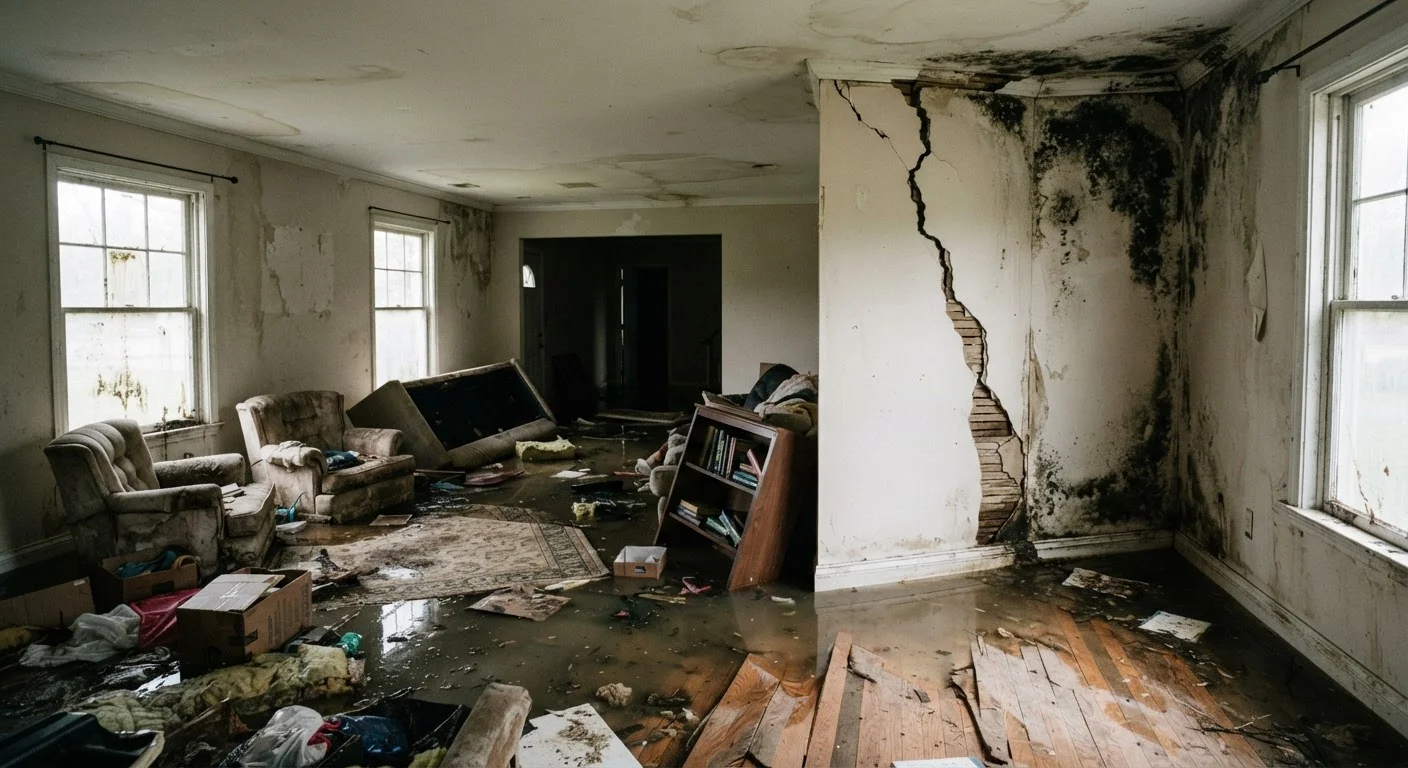
Assuming a standard homeowners policy covers flood damage.
Why it happens: Many homeowners equate 'water damage' with flood coverage, not realizing the two are treated as entirely different perils in insurance terms.
Running a home-based business without checking whether equipment or liability is covered.
Why it happens: People assume that because their laptop or tools are in the house, the homeowners policy covers them for business use. Most standard policies specifically exclude business property and business liability.
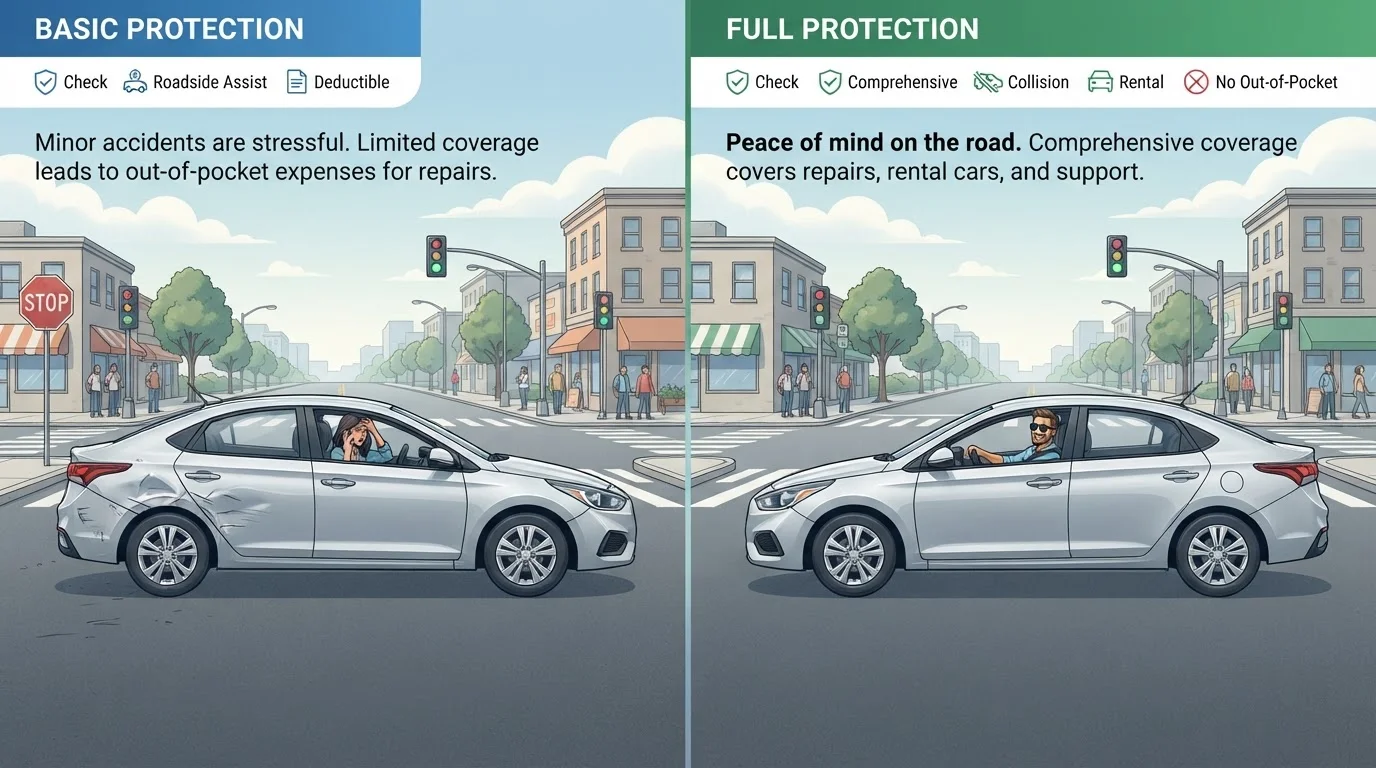
Treating liability-only auto insurance as full protection for all scenarios.
Why it happens: Liability coverage is the legal minimum in most states, so drivers often equate 'legal' with 'sufficient.' It protects others when you cause an accident - but it does not pay for your own vehicle repairs or medical bills.
Failing to schedule high-value items like jewelry, art, or instruments separately.
Why it happens: Standard homeowners and renters policies do cover personal property, but they impose per-item and category sublimits - often $1,000-$2,500 for jewelry - that fall far short of actual replacement costs.
Overlooking life insurance policy exclusions and assuming any cause of death is covered.
Why it happens: Term and whole life policies are often purchased quickly, and buyers rarely read beyond the coverage amount and premium. Exclusions for certain activities, conditions, or contestability periods are buried deeper in the contract.
Ignoring out-of-network costs in health insurance until a bill arrives.
Why it happens: Consumers focus on monthly premiums and copays when choosing a health plan, often skipping over the network details that determine what they actually pay for care.
A broader look at things people mistakenly assume are covered shows how widespread these misunderstandings are. And if a past claim has already been affected by one of these gaps, avoiding missteps during the claims process can still make a significant difference in the outcome.
Don't Rely on the Summary Page Alone
Insurance declarations pages and welcome packets summarize what a policy covers, but they rarely list exclusions in detail. The full list of what is not covered lives in the policy contract itself. Relying only on the summary is one of the most common reasons people are blindsided by a denied claim. Always request and read the complete policy document.
Making Coverage Review a Habit, Not a Crisis Response
The practical fix for most of these blind spots is the same: review your policies before you need them. That means reading past the declarations page, asking your agent direct questions about exclusions, and doing a coverage check whenever your life circumstances change - a new home, a new business venture, a new valuable item, a new family member.
Use a household coverage checklist to work through each policy type systematically. And if your current coverage feels thin or confusing, underinsurance - carrying too little coverage - is a separate but related risk worth understanding before your next renewal.
Coverage decisions are general financial and insurance choices that vary significantly by individual situation, provider, and state. Consult a licensed insurance agent or adviser before making changes to your coverage.
This article is for general informational purposes only and does not constitute insurance, financial, or legal advice. Policy terms, exclusions, and availability vary by insurer and state. Always read your full policy documents and consult a licensed insurance professional for guidance specific to your situation.