
The Coverage Your Landlord's Policy Doesn't Provide
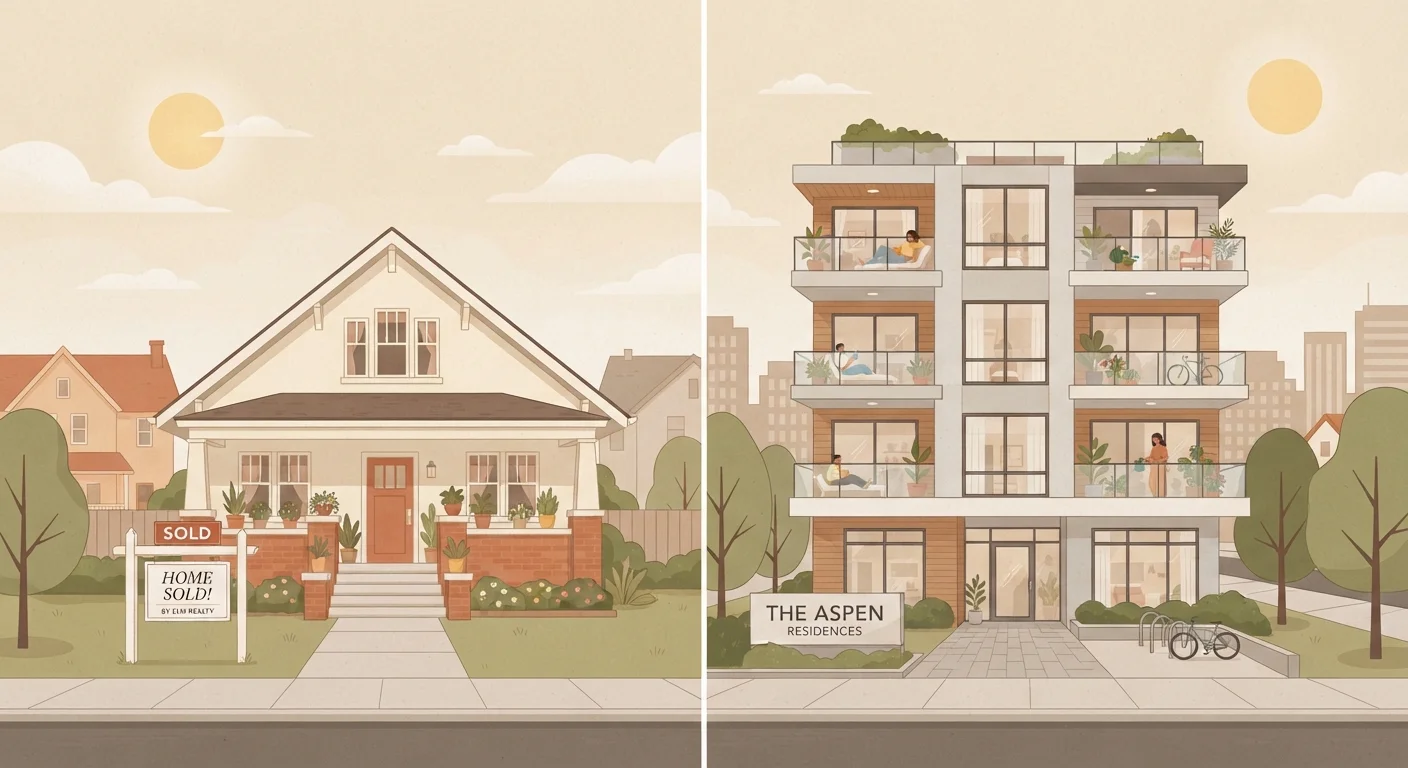
One of the most common and costly misconceptions renters carry is believing their landlord's insurance policy extends to them. It doesn't. A landlord's policy - sometimes called a dwelling policy - is designed to protect the physical building: the walls, roof, plumbing systems, and the landlord's own property. It has nothing to do with your couch, laptop, or clothing.
If a fire breaks out in your apartment and destroys everything you own, the landlord's insurer will pay to repair the walls. Replacing your belongings is entirely your problem unless you have your own renters policy. For a side-by-side look at how these two coverage types differ, see Homeowners Insurance vs. Renters Insurance.
Actual Cash Value vs. Replacement Cost
Renters policies pay out personal property claims in one of two ways: actual cash value (ACV) or replacement cost value (RCV). ACV deducts depreciation, so an old laptop might pay out far less than what a new one costs. Replacement cost coverage pays what it actually costs to buy a comparable new item today. RCV policies typically carry a slightly higher premium but can make a significant difference in a real claim.
What a Standard Renters Policy Typically Covers
Most renters insurance policies bundle three core protections:
- Personal property coverage - pays to repair or replace your belongings if they're damaged by a covered peril such as fire, smoke, windstorm, vandalism, or theft. This applies both inside your apartment and, in many cases, when your belongings are in your car or a storage unit.
- Personal liability coverage - protects you financially if someone is injured in your home and pursues a claim or lawsuit against you. It can also cover accidental damage you cause to someone else's property.
- Additional living expenses (ALE) - sometimes called loss of use coverage, this pays for temporary hotel stays, meals, and other costs if your apartment is uninhabitable due to a covered event.
Understanding how these components relate to your premium and deductible helps you size a policy appropriately. The Policy Costs Explained hub breaks down those mechanics in plain terms.
~$15/mo
Typical average monthly renters insurance cost
The Insurance Information Institute has cited average renters insurance premiums in the range of roughly $15-$20 per month, though actual costs vary by location, coverage amount, and deductible chosen.
55%
Renters without any renters insurance
Various industry surveys have found that a majority of renters in the U.S. do not carry renters insurance, despite relatively low premium costs.
$30,000+
Average value of a renter's personal belongings
Insurance industry estimates suggest the average renter owns far more personal property than they realize - often exceeding $30,000 in replacement value when clothing, electronics, and furniture are totaled.
What Renters Insurance Typically Won't Cover
The exclusions in a renters policy are just as important as what's included - and they catch a surprising number of policyholders off guard at claim time.
- Flooding - water damage from external flooding is excluded from standard renters policies. Separate flood insurance is available through the National Flood Insurance Program or private insurers.
- Earthquakes - earthquake damage requires a standalone policy or endorsement in most states.
- High-value items over sub-limits - standard policies cap reimbursement on categories like jewelry, fine art, musical instruments, and electronics. If your belongings in those categories exceed those limits, you'll need a scheduled endorsement.
- Business equipment used for income - if you run a home-based business, your business gear is often excluded or severely limited under a personal renters policy.
- Your roommate's belongings - unless they're specifically listed on your policy, they're not covered.
These blind spots are common across many policy types. Things People Assume Their Insurance Covers - But Doesn't walks through several more widely misunderstood exclusions.
Do a Home Inventory Before You Buy
Before choosing a coverage limit, walk through each room and estimate the replacement cost of what you own - furniture, electronics, clothing, kitchen equipment, and more. Most people are surprised how quickly the total climbs. A written or photo-documented inventory also makes filing a claim significantly easier if you ever need to.
How to Use This Information Practically
The most reliable way to understand your specific coverage is to read your actual policy document - not just the summary card or the marketing description. Look for the declarations page (which lists your coverage limits and deductible), the covered perils section, and the exclusions section.
If you own items that exceed standard sub-limits - jewelry, camera equipment, collectibles - ask your insurer about scheduling those items individually. If you live in a flood-prone area or an earthquake-active region, investigate separate coverage options before assuming you're protected.
For a broader view of where coverage gaps tend to surface across different policy types, Gaps People Discover Too Late is a useful companion read. And if you want to understand how renters coverage compares to auto insurance logic, Understanding Auto Insurance Coverage Types offers a helpful parallel breakdown.
This article provides general information about renters insurance for educational purposes only. Coverage terms, exclusions, and eligibility vary by insurer and state. Always read your policy documents carefully and consult a licensed insurance agent or adviser for guidance specific to your situation.