The Core Difference: Who Owns the Walls
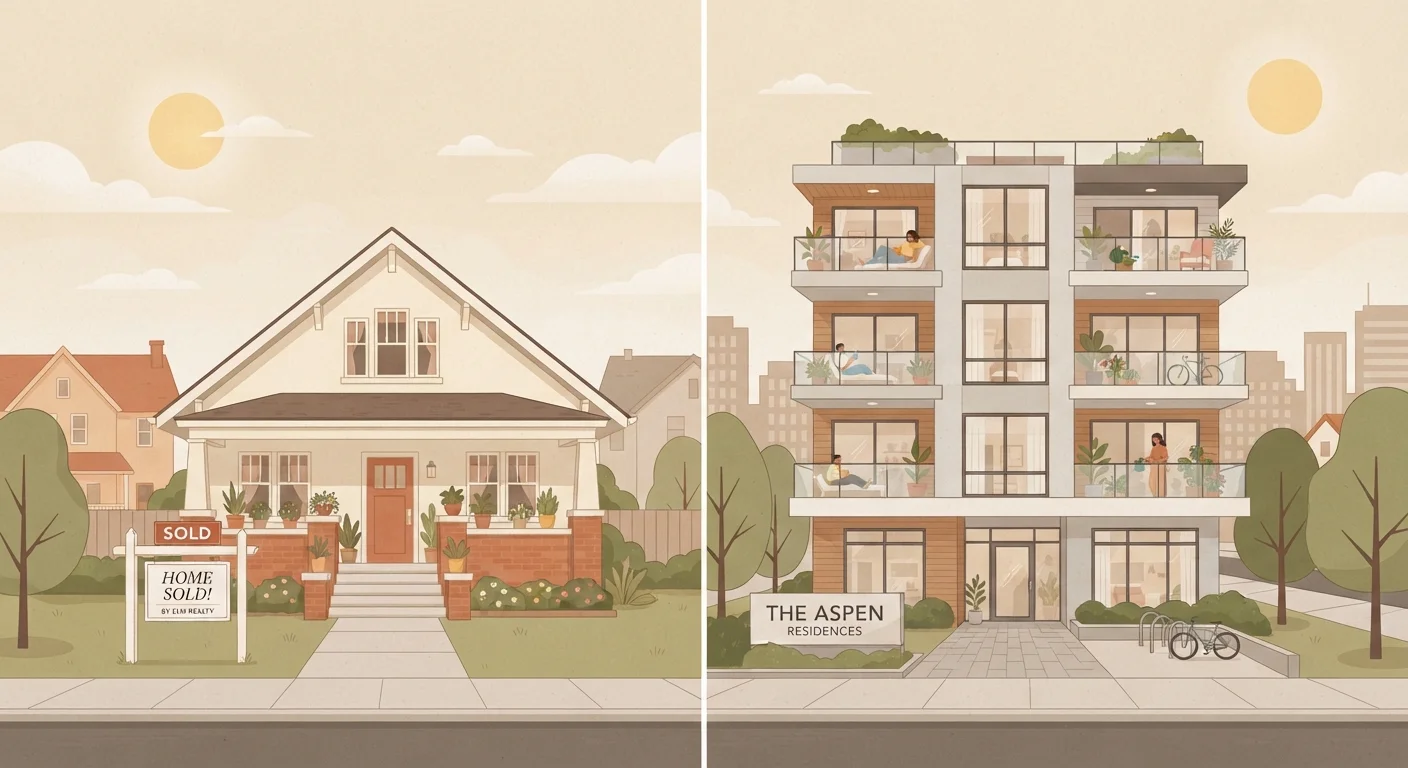
The single biggest distinction between these two policies comes down to one question: do you own the structure you live in, or does someone else? The answer determines which type of policy applies to you - and what risks you actually need covered.
Homeowners insurance is designed for people who own their property. It covers the dwelling itself - walls, roof, foundation, and attached structures like garages - along with personal belongings and personal liability. Mortgage lenders almost always require it as a condition of the loan.
Renters insurance is designed for tenants. It skips coverage for the physical building entirely (that's the landlord's responsibility) and focuses on what you own and what you might be legally responsible for. Many landlords now require tenants to carry it.
| Criterion | Homeowners Insurance | Renters Insurance |
|---|---|---|
| Covers the physical structure | Yes | No |
| Covers personal belongings | Yes | Yes |
| Personal liability coverage | Yes | Yes |
| Additional living expenses | Yes | Yes (loss of use) |
| Typically required by | Mortgage lender | Some landlords |
| Covers floods or earthquakes | No (separate policy) | No (separate policy) |
| Relative cost | Higher | Lower |
What Each Policy Actually Covers
Despite their differences, these two policies share some meaningful common ground - and understanding both sides helps you avoid surprises.
Personal Property
Both policies typically cover your belongings - furniture, electronics, clothing, and more - against perils like fire, theft, and certain types of water damage. The key difference is scale: homeowners tend to have more property and higher coverage limits, but the underlying protection works similarly. High-value items like jewelry or art may need scheduled endorsements (add-ons) under either policy.
Liability Protection
Both policies include personal liability coverage. If a guest slips and falls in your home and sues you, liability coverage helps pay legal costs and damages up to your policy limit. This coverage follows you, not the property - meaning it can even apply to incidents that happen away from home, depending on the policy.
Additional Living Expenses
If your home becomes uninhabitable due to a covered event, both policy types typically cover temporary housing and related costs while repairs are made. Renters may see this called "loss of use" coverage.
For a detailed look at what renters coverage does and doesn't include, see what renters insurance actually covers.
~57%
Renters who carry renters insurance
According to the Insurance Information Institute, a significant share of renters remain uninsured for their personal property and liability.
~93%
Homeowners with homeowners insurance
The Insurance Information Institute estimates the vast majority of homeowners carry a policy, largely because mortgage lenders require it.
Key Gaps to Know Before You Assume You're Covered
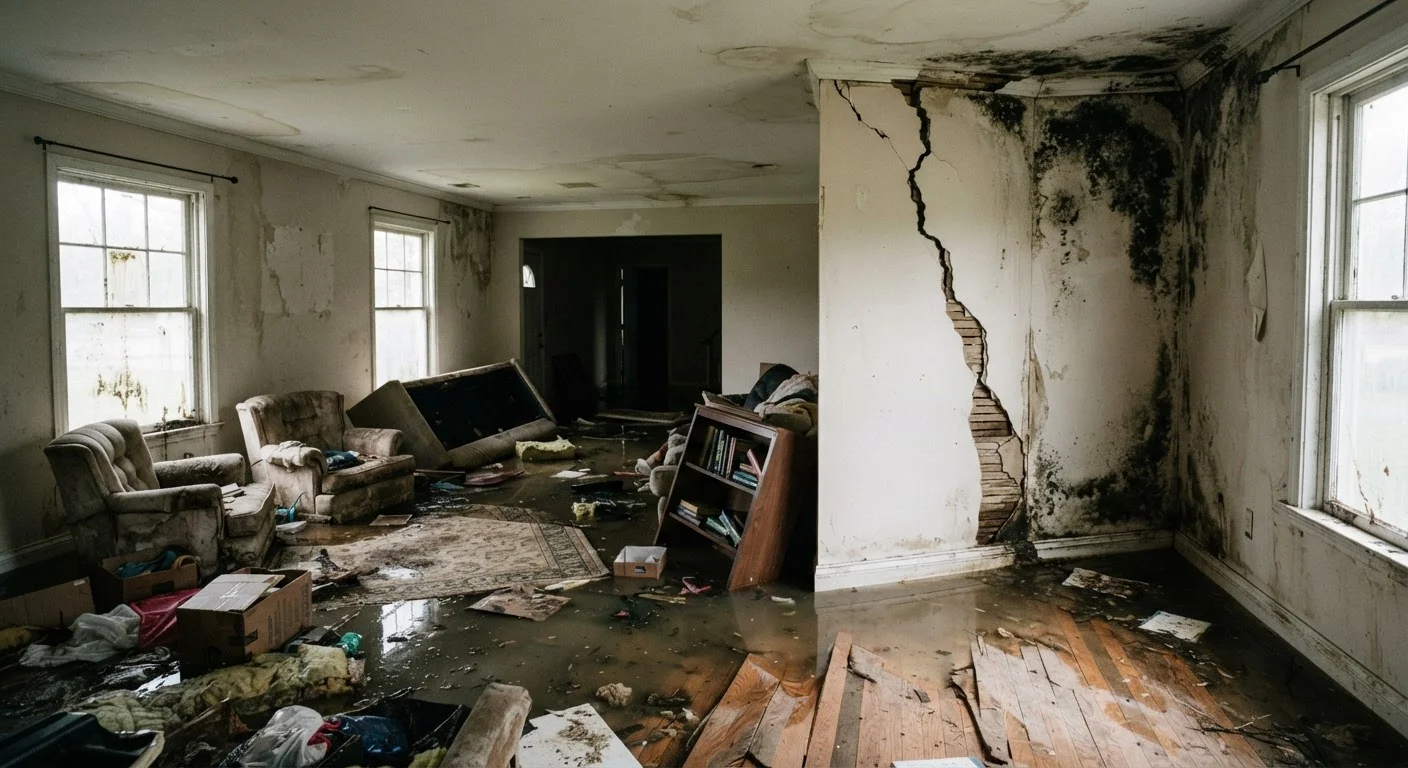
Both policy types carry exclusions that catch policyholders off guard at claim time. Floods and earthquakes are not covered under either standard homeowners or renters policy - separate coverage is needed for those perils in most states.
Homeowners also need to understand that the dwelling coverage is tied to replacement cost, not market value. Rebuilding a home often costs more than its current sale price, so underinsuring the structure is a real risk.
For renters, the most common misconception is assuming the landlord's policy provides any protection for personal property. It does not. If a fire destroys your apartment building and you have no renters policy, your belongings are uninsured - your landlord's coverage only protects the structure.
Standard policies also typically exclude home-based business equipment beyond a low dollar threshold, certain breeds of dogs for liability purposes, and wear-and-tear damage. For a deeper look at these blind spots, see coverage blind spots in common insurance policies and flood, earthquake, and mold exclusions most homeowners miss.
Your Landlord's Policy Does Not Cover You
A landlord carries insurance on the building they own - not on anything inside your unit. If your belongings are stolen or destroyed in a fire, their policy will not pay you anything. Renters insurance exists specifically to fill this gap. If your landlord does not require it, that doesn't mean you don't need it.
Cost and Practical Considerations
Homeowners insurance is substantially more expensive than renters insurance because it covers far more - including a physical structure that could cost hundreds of thousands of dollars to rebuild. Premiums vary widely based on location, home size, construction type, credit history, and claims history, so general figures shift considerably by region and insurer.
Renters insurance is among the more affordable personal insurance products available. The lower cost reflects the narrower scope: insurers aren't on the hook for rebuilding a building. Even so, the liability and personal property protection it delivers is genuine and financially meaningful.
One more thing worth noting: if you also own a car, your auto policy works alongside - not in place of - either of these. See understanding auto insurance coverage types for how those policies interplay.
This article is for general informational purposes only and does not constitute personalized insurance, financial, or legal advice. Coverage terms, exclusions, and premiums vary by insurer, policy, and state. Always read your actual policy documents and consult a licensed insurance agent or adviser for guidance specific to your situation.