The Intervals That Drive Most Decisions
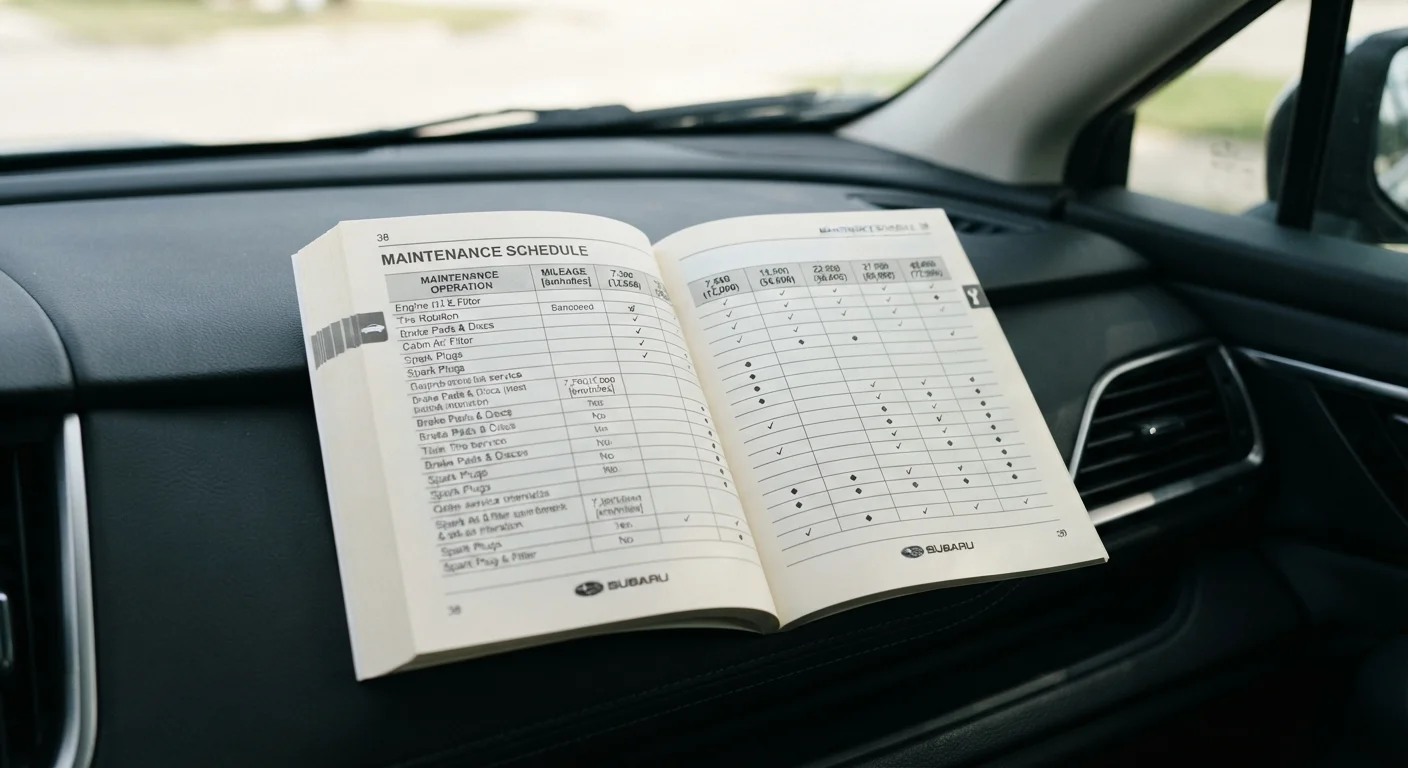
Your owner's manual lists dozens of service items, but not all of them carry equal weight. A handful of intervals form the backbone of preventive maintenance - and missing them consistently is what turns routine upkeep into costly repairs. For a deeper look at what each milestone means for your vehicle's health, see our full breakdown of your car's maintenance schedule.
The most consequential intervals for most drivers fall into three windows:
- Every 3,000-10,000 miles: Oil and oil filter changes (interval depends on whether you use conventional or synthetic oil and your vehicle's specifications)
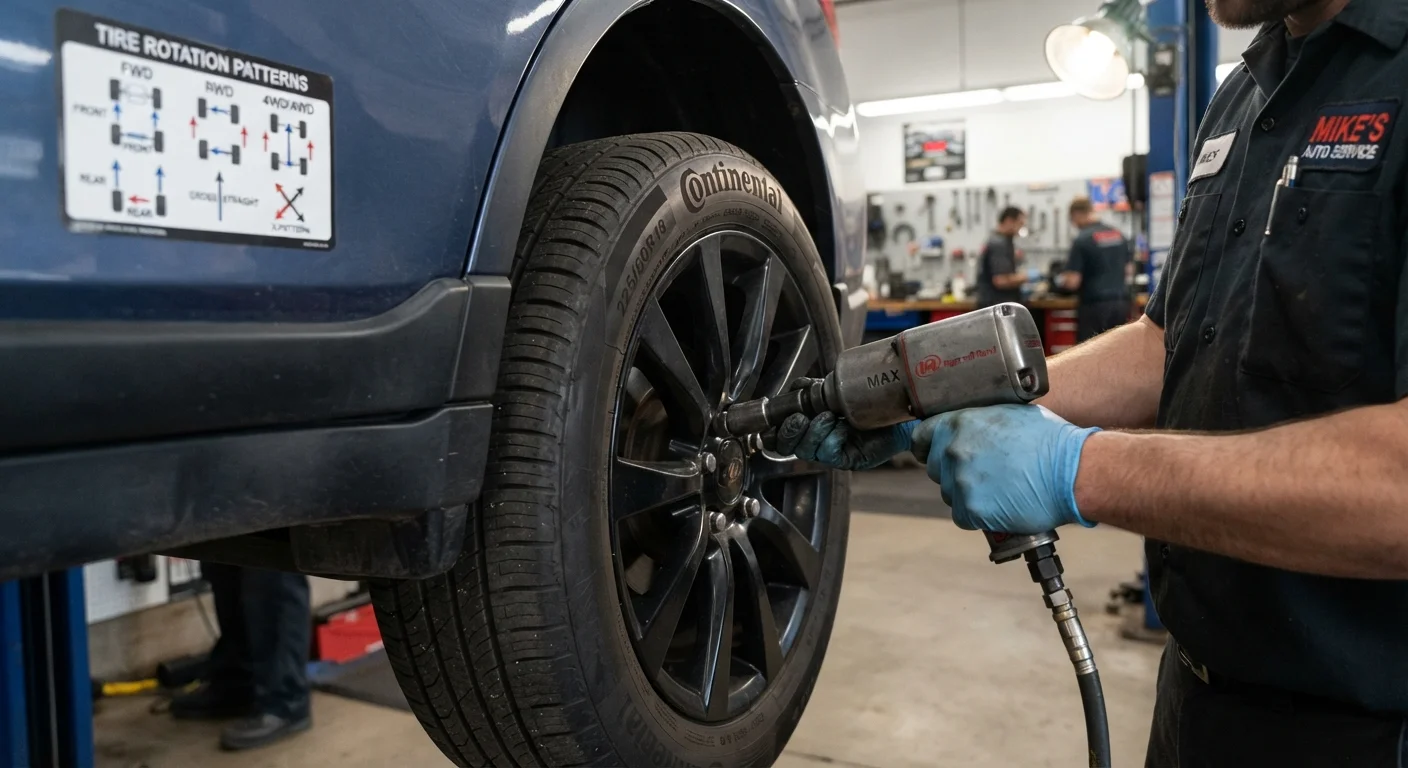
- Every 5,000-7,500 miles: Tire rotation to even out tread wear - see our guide to tire rotation, balancing, and alignment for what each service actually does
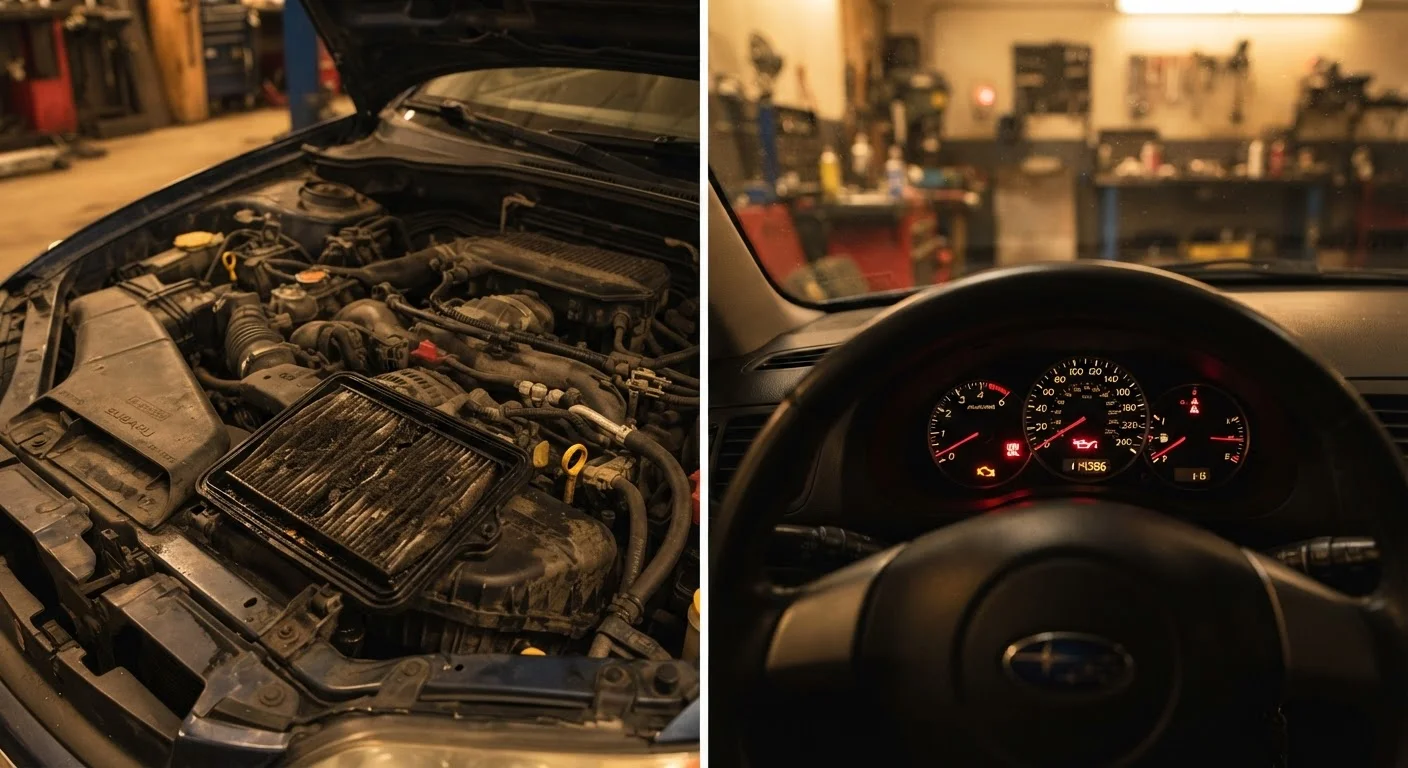
- Every 15,000-30,000 miles: Air filter inspection and possible replacement, cabin air filter swap, brake fluid check
Always cross-reference these general ranges with your specific vehicle's manual, as manufacturer specifications vary by engine type, model year, and driving conditions.
High-Mileage Milestones You Shouldn't Overlook
Some services get pushed out of mind because they don't come up often - but they carry significant consequences when skipped. Deferred maintenance has a compounding effect, as explained in our article on why skipping routine maintenance catches up with you.
Key Mileage Thresholds
- 30,000 miles: Fuel filter on older vehicles (many newer models have in-tank filters with longer service lives), spark plug inspection on standard plugs
- 60,000 miles: Transmission fluid change (especially important for vehicles with automatic transmissions), serpentine belt inspection, coolant flush depending on manufacturer guidance
- 90,000-100,000 miles: Timing belt replacement on vehicles that use one (interference engines are especially at risk if this is neglected), spark plug replacement if using standard plugs, power steering fluid service
If you're pushing a vehicle past 150,000 miles, maintenance priorities shift slightly - our guide to keeping a car running well past 150,000 miles covers what aging engines and transmissions specifically need.
How to Stay Organized Without Guesswork
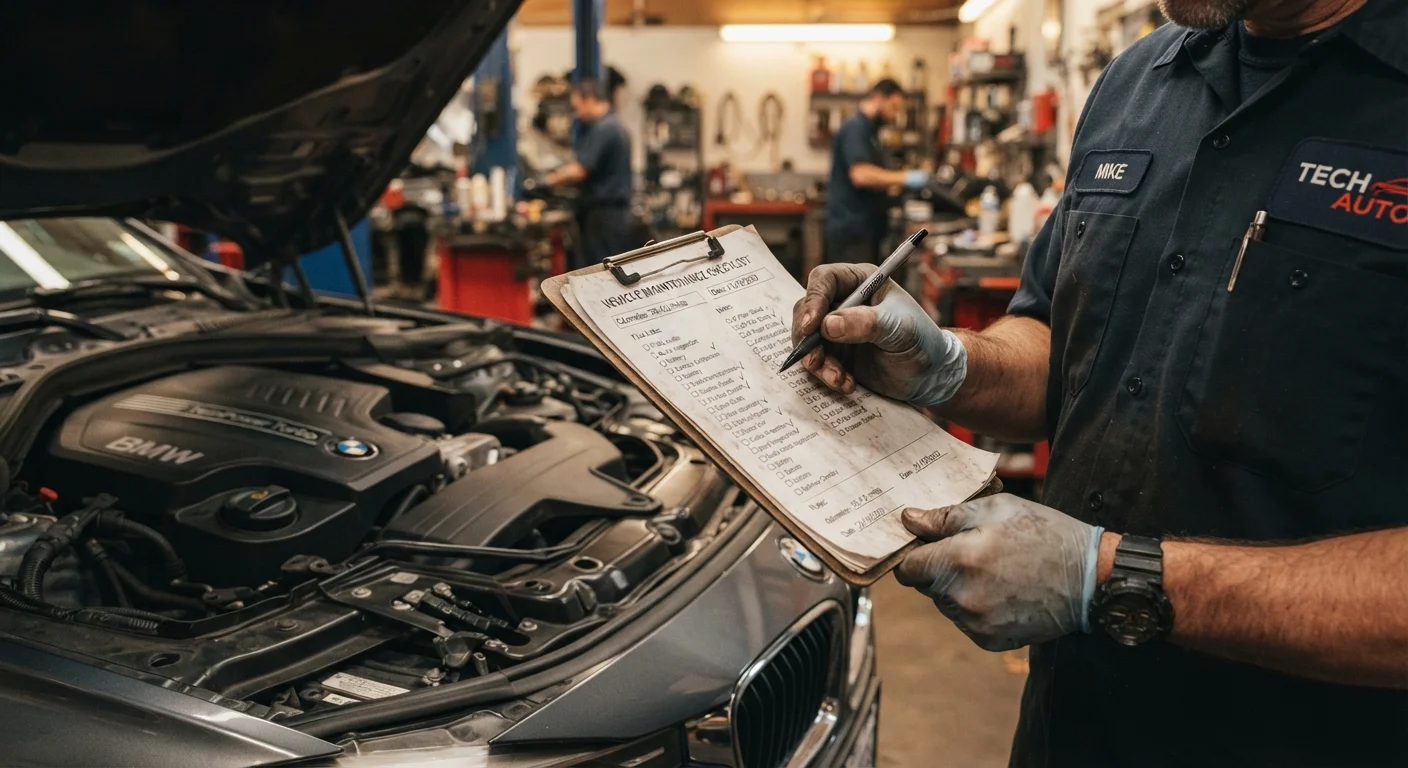
Maintenance intervals are only useful if you're tracking them. A simple vehicle log - recording service dates, mileage, and what was done - pays dividends when you need to verify history for a warranty claim or resale. Our article on keeping a vehicle log outlines exactly what to document.
Choosing where to have work done also affects how consistently intervals get met. Each option carries real trade-offs - read our comparison of dealer service centers vs. independent mechanics before defaulting to one or the other. And if oil change frequency is a source of confusion, separating oil change myths from modern engine reality is worth your time.
Season changes also trigger their own set of checks. A battery that's borderline in September can fail in January - see seasonal car care preparations for a practical walkthrough of what each season actually demands.