Why Seasons Matter More Than Mileage (Sometimes)
Most drivers think about car maintenance in terms of miles - oil changes every 5,000 miles, tire rotations every 7,500, and so on. That mileage-based thinking is sound, but it doesn't tell the whole story. Temperature swings, road salt, summer heat, and humidity introduce stresses that accumulate regardless of how far you've driven.
A battery that's borderline in September can leave you stranded in January. Coolant that tested fine in spring may be degraded by fall. Wiper blades that smear in a light summer rain become genuinely dangerous in a winter storm. Understanding these seasonal failure patterns puts you in control - and reduces how often you're caught off guard.
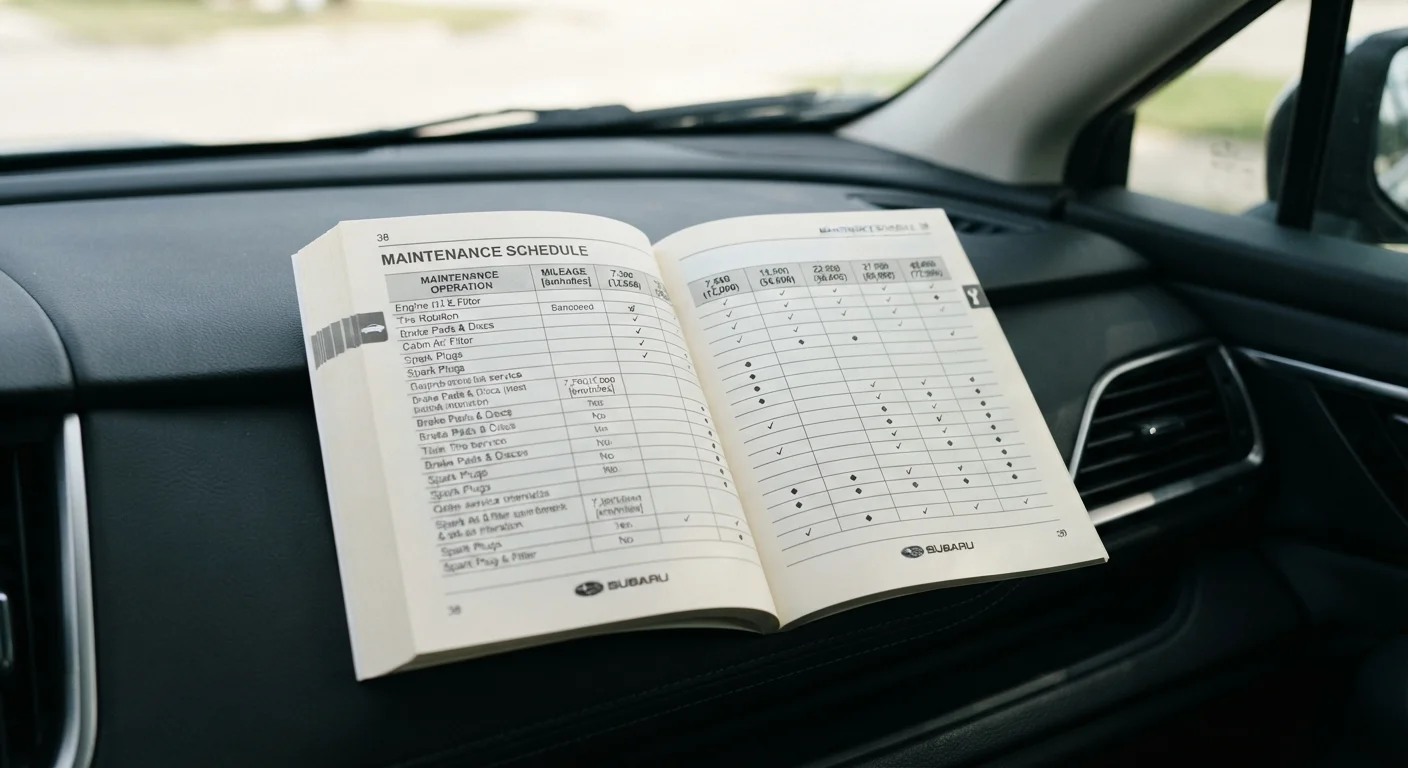
For a broader view of how mileage-based and condition-based maintenance work together, see how to decode your car's maintenance schedule. This checklist focuses on the season-specific layer that mileage intervals don't always capture.
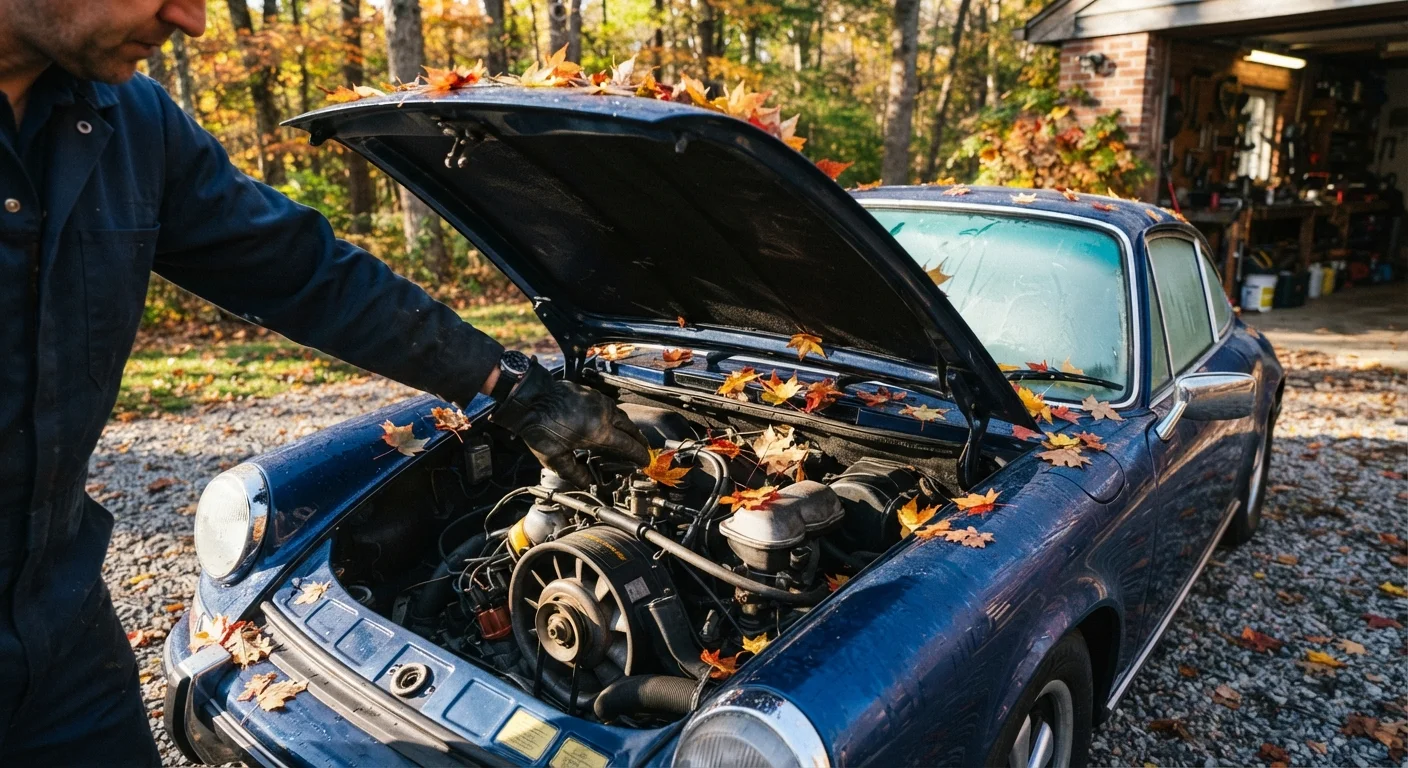
Fall Preparation (Before Temperatures Drop)
Winter Operation
Spring Inspection (After Winter)
Summer Readiness
What to Inspect and Why
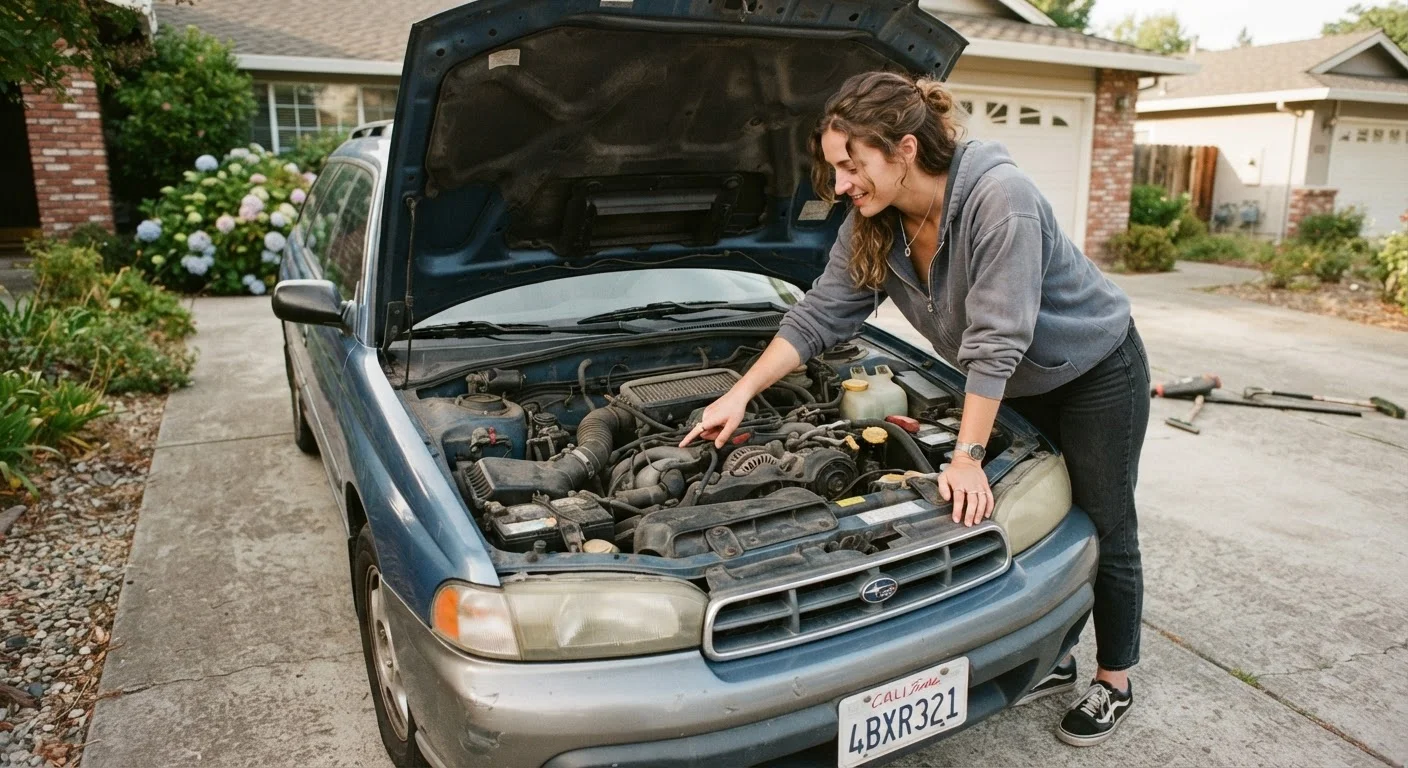
The items below are organized by season and by the systems most vulnerable to weather-related stress. Use this as a walkthrough before each seasonal shift - not as a replacement for your owner's manual, and not as a substitute for a qualified mechanic when something looks or feels wrong.
Safety Tasks Require a Qualified Mechanic
Visual inspections are a first step - not a sign-off. Brake system components, suspension parts, and anything involving fluid pressure or structural integrity should be assessed and serviced by a licensed mechanic. If you find something that looks worn, leaking, or damaged, don't drive on it until a professional has evaluated it.
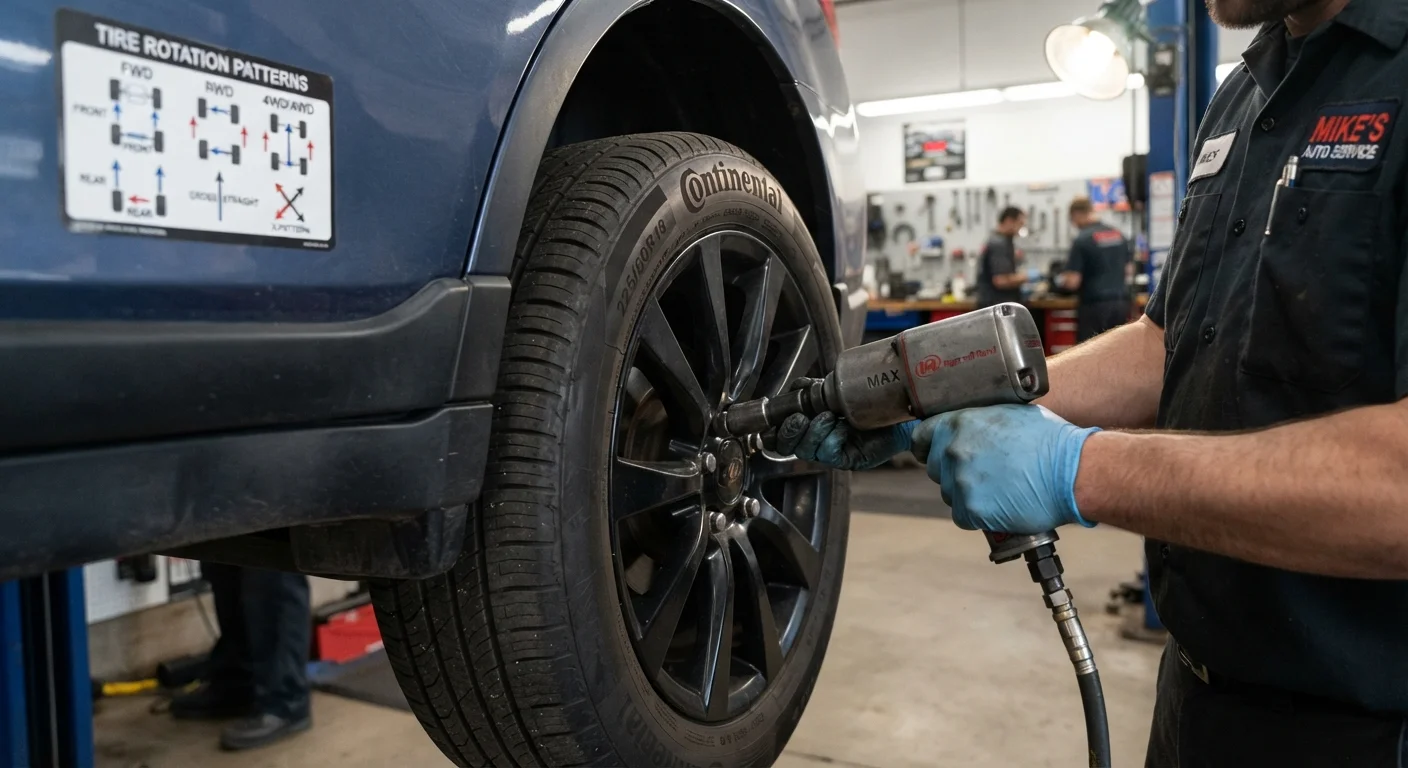
Tires deserve special attention at every seasonal transition. Rotation, balancing, and alignment each serve distinct purposes, and cold weather is exactly when an already-worn tire becomes a safety issue. Check tread depth and pressure before temperatures drop significantly.
If you're newer to vehicle ownership and want foundational context before working through this checklist, a new driver's starting point for vehicle maintenance covers the basics in plain language. And for any long-distance driving you're planning around seasonal travel, a pre-drive walkthrough for road trips adds another useful layer.
Don't Rely on Warning Lights Alone
Dashboard warning lights are a last resort, not an early warning system. By the time a low-coolant or battery warning illuminates, you may already be in a borderline situation. Visual inspection and periodic testing catch problems before your car's sensors do - especially heading into temperature extremes.
Battery health is where cold weather does the most damage. A fully charged battery loses roughly 35% of its starting power at 32°F and up to 60% at 0°F. To understand how the battery, alternator, and starter interact - and what warning signs actually mean - the electrical trio explained is worth reading before winter arrives.
Digital Multimeter
Measure battery resting voltage to assess battery health before cold or hot weather stresses it.
Antifreeze / Coolant Tester
Check the freeze and boil-over protection level of your coolant each fall and spring.
Tire Pressure Gauge
Monitor tire pressure during seasonal temperature swings, which can change pressure by several PSI.
Tread Depth Gauge
Precisely measure remaining tire tread to determine whether tires are safe for another season.
Portable Jump-Start Pack
Provide a self-contained emergency start if your battery fails in cold weather without needing another vehicle.
Flashlight or Headlamp
Inspect undercarriage, hoses, belts, and brake components in shaded or low-light conditions.
This checklist is for general informational purposes only and does not constitute professional mechanical advice. When in doubt, consult a qualified mechanic before operating your vehicle.