Why Car Myths Stick Around
Automotive advice travels fast - from parents to kids, shop waiting rooms to online forums - and a lot of it hasn't been updated since carburetors were standard equipment. Some habits are harmless; others quietly cost drivers money, shorten vehicle life, or lead to unnecessary repair bills.
The good news: separating fact from fiction doesn't require a mechanic's certification. It just requires knowing where the old rules came from and why modern vehicles work differently. For a broader look at what car ownership actually costs, see what a vehicle really costs per year.
Myth
You need to let your engine idle for several minutes to warm it up in winter before driving.
Fact
Modern fuel-injected engines warm up faster and more efficiently under light driving load than by sitting still.
Extended idling made sense for older carbureted engines that needed time to vaporize fuel properly. Today's engines use electronic fuel injection and computer-controlled systems that reach operating temperature more quickly when the car is moving gently. Prolonged idling in cold weather wastes fuel, increases carbon buildup in the engine, and in enclosed spaces poses a carbon monoxide risk. Most manufacturers recommend no more than 30 seconds of idle time before driving off slowly.
Myth
Putting premium fuel in a standard engine makes it run better and last longer.
Fact
Unless your vehicle's manual specifies premium fuel as required, regular-grade fuel is the correct and cost-effective choice.
Premium fuel has a higher octane rating, which resists engine knock in high-compression engines. In a standard engine designed for regular fuel, premium provides no performance benefit, no fuel economy gain, and no protective effect. You're simply paying more per gallon for no measurable return. Check your owner's manual: if it says "recommended" rather than "required," your engine is engineered to run correctly on regular.
Myth
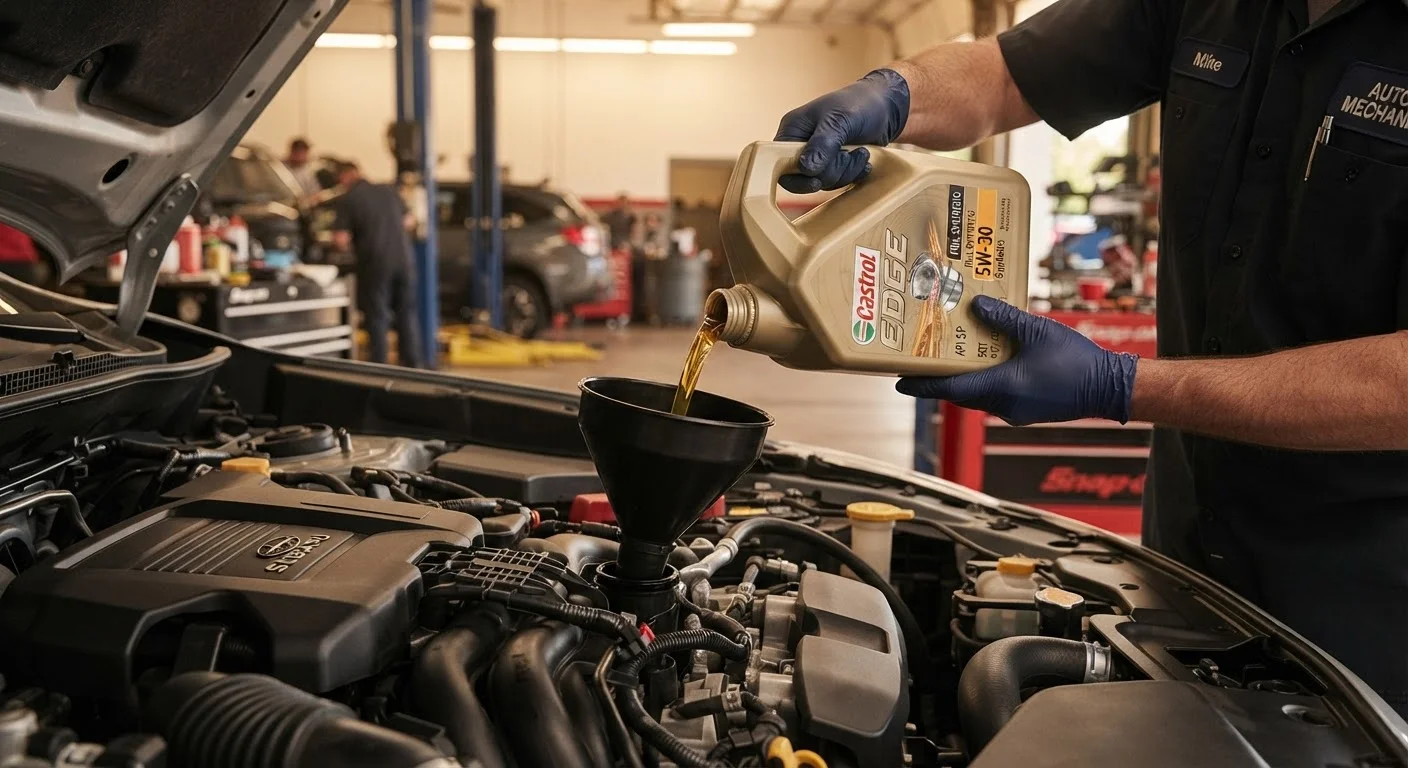
You must change your oil every 3,000 miles to keep your engine healthy.
Fact
Most modern vehicles and synthetic oils are designed for 5,000- to 10,000-mile intervals or more, depending on the manufacturer.
The 3,000-mile rule was appropriate for older engines using conventional motor oil. Advances in engine technology and synthetic oil formulations have extended service intervals significantly. Following an unnecessarily frequent schedule wastes money and generates excess used oil. The correct interval is always in your owner's manual - and many newer vehicles include an oil life monitoring system that calculates when a change is actually needed based on driving conditions.
Myth
Washing your car frequently damages the paint and finish over time.
Fact
Regular washing, done correctly, protects paint by removing corrosive contaminants like road salt, bird droppings, and industrial fallout.
Paint damage from washing usually comes from technique, not frequency - using dirty sponges, coarse brushes, or washing in direct sunlight can cause micro-scratches. Touchless or two-bucket hand washes with proper automotive soap are safe and protective. Road salt and environmental deposits, if left on a vehicle, are far more likely to cause clear-coat degradation and surface rust than regular washing ever would.
Myth
You should inflate your tires to the maximum pressure printed on the tire sidewall.
Fact
Tires should be inflated to the pressure specified on the sticker inside the driver's door jamb - set by the vehicle manufacturer, not the tire.
The number on the tire sidewall is the maximum pressure the tire can safely hold, not the recommended operating pressure. Over-inflating to that level results in a harsher ride, reduced contact patch with the road, uneven tread wear, and reduced braking performance. The correct pressure for your specific vehicle accounts for its weight distribution and handling characteristics. Check tire pressure monthly and after significant temperature changes - pressure drops roughly one PSI for every 10°F decrease in temperature.
Myth
Dealerships are required to perform warranty service, so all maintenance must be done there to keep the warranty valid.
Fact
Under U.S. federal law, automakers generally cannot void a warranty simply because you had maintenance performed at an independent shop.
The Magnuson-Moss Warranty Act generally prohibits manufacturers from voiding a warranty solely because the owner used a non-dealer repair facility or non-OEM parts, provided the work was performed correctly and appropriate documentation is kept. There are exceptions - if an independent shop's work causes a specific failure, that damage may not be covered. Always keep receipts and service records regardless of where work is done, and consult your warranty documentation or a qualified adviser if you have a specific dispute.
Where These Myths Do Real Damage
The costliest myths aren't the dramatic ones - they're the small, recurring habits that quietly add up. Overpaying for premium fuel twice a month, idling for five minutes every cold morning, or changing oil on a schedule your car's own manual doesn't support: these translate into hundreds of dollars a year in unnecessary spending.
$11B+
Spent annually on unnecessary oil changes in the U.S.
Industry estimates suggest a significant share of oil changes occur before they are actually needed, based on the gap between manufacturer intervals and consumer behavior.
~1 PSI
Pressure drop per 10°F temperature decrease
The U.S. Department of Energy notes that properly inflated tires can improve fuel economy by up to 3%, making monthly pressure checks a simple, cost-free habit.
30 sec
Recommended cold-weather idle time for most modern engines
Most automakers and fuel efficiency advocates suggest no more than 30 seconds of idle before gentle driving, replacing the old multi-minute warm-up routine.
Maintenance myths are especially persistent because the consequences are delayed. Deferred maintenance has a compounding cost, but so does over-servicing based on outdated advice. Both extremes hurt your wallet. For a focused look at one of the most common myths in this space, see oil change myths that cost drivers money.
Don't Confuse 'Recommended' With 'Required' on Fuel
Some owners' manuals say premium fuel is "recommended" while others say it is "required." These are not the same thing. If your manual says required, using regular fuel in that engine over time can cause knock and potential damage. If it says recommended, regular fuel is acceptable and the engine is tuned to handle it. Always check your specific manual - and if in doubt, ask a qualified mechanic rather than assuming.
The same critical thinking applies beyond your driveway. Car insurance carries its own set of entrenched misconceptions - insurance myths that cost Americans real money are worth reviewing alongside what you believe about your vehicle itself.