The True Cost of 'I'll Get to It Later'
Routine vehicle maintenance rarely feels urgent - until it does. An oil change skipped once becomes a habit, and that habit quietly erodes the mechanical systems you depend on every day. What starts as a $60 service can compound into a $4,000 engine repair within a few years of consistent neglect.
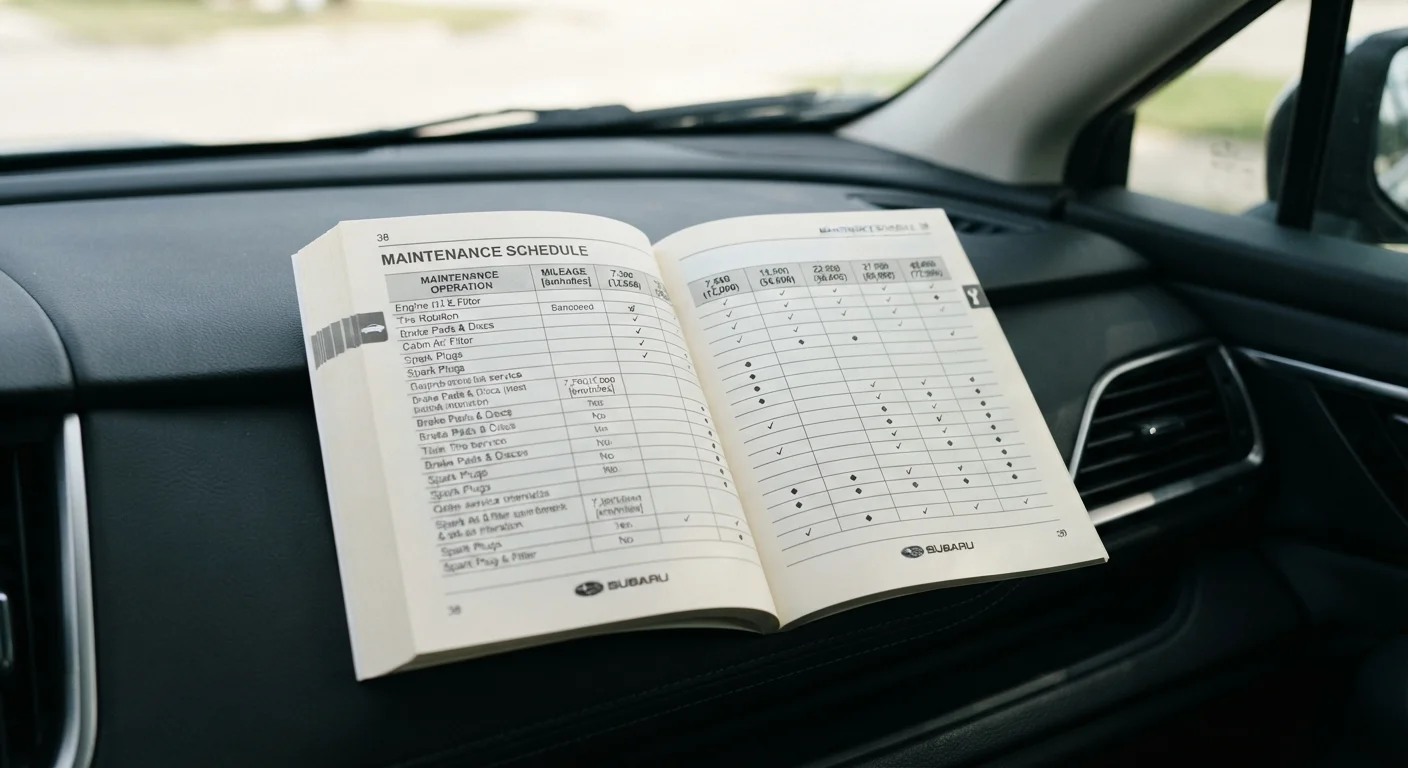
This isn't alarmism - it reflects how vehicles are engineered. Nearly every service interval in your owner's manual exists because components degrade on predictable schedules. Ignore those schedules and you're not saving money; you're borrowing against future repair bills. For a deeper look at how service intervals actually work, see your car's maintenance schedule explained.
Understanding the specific mistakes most drivers make - and why - puts you back in control without needing to rely entirely on a service advisor to tell you what's overdue.
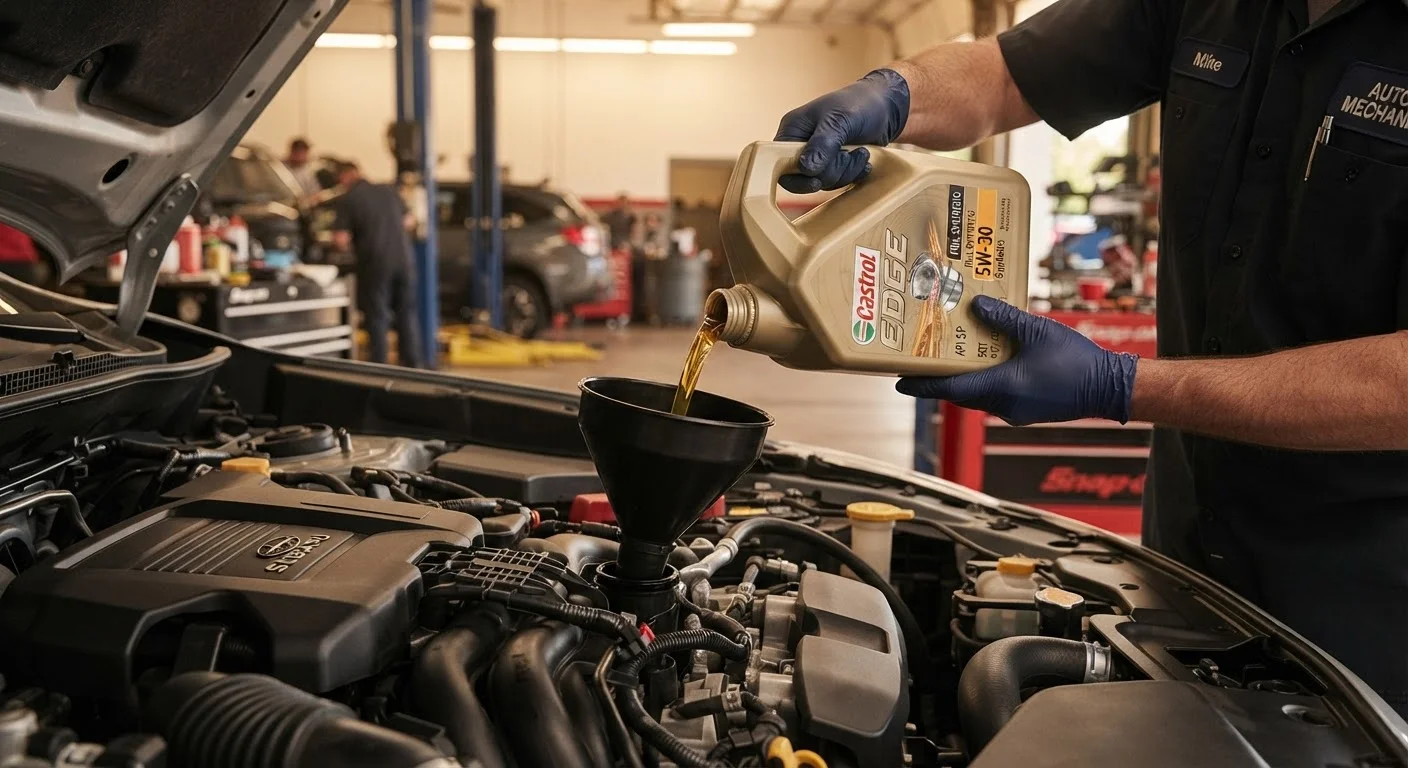
Delaying or skipping oil and filter changes beyond the manufacturer's recommended interval.
Why it happens: Many drivers rely on the outdated 3,000-mile rule or simply wait until a warning light appears, both of which can be too late or unnecessarily frequent depending on the vehicle.
Ignoring tire rotation, inflation, and tread depth checks until a tire fails or wears unevenly.
Why it happens: Tires look fine from the outside until they aren't, and pressure loss is gradual enough that drivers rarely notice it without a gauge.
Neglecting coolant, brake fluid, and transmission fluid because they're out of sight.
Why it happens: Drivers focus on fluids they interact with directly, like fuel and washer fluid, while ignoring those that require opening the hood or consulting a manual.
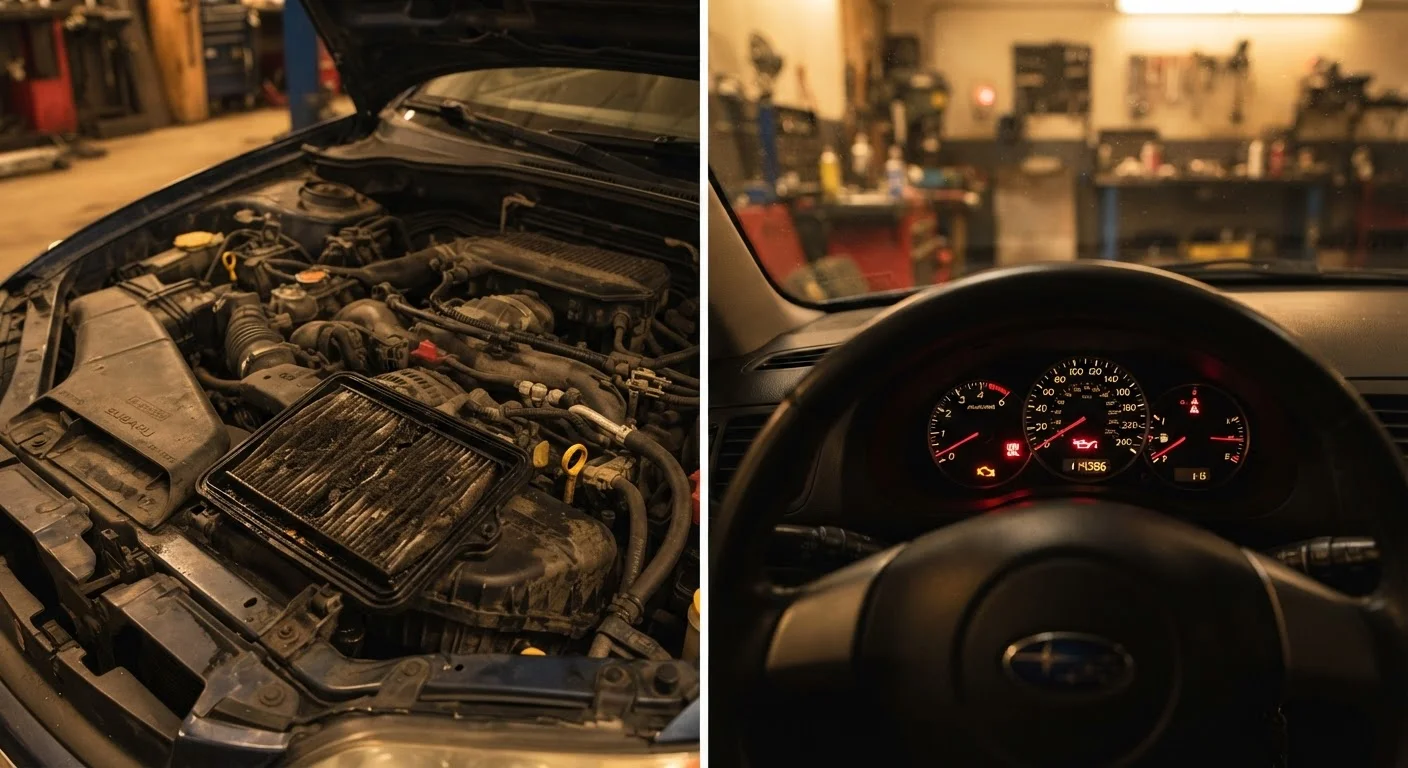
Replacing cabin and engine air filters far less frequently than needed.
Why it happens: Air filters are invisible during normal driving and aren't typically part of every service reminder, so they're easy to overlook for years at a time.
Dismissing small warning lights or unusual sounds as non-urgent.
Why it happens: When a vehicle continues to drive normally after a warning appears, it's easy to rationalize that the issue isn't serious - until secondary damage develops.
Why These Mistakes Keep Happening
Cost and inconvenience are the most cited reasons drivers delay maintenance, but a third factor is equally powerful: misinformation. Myths around oil change intervals, fluid longevity, and tire wear patterns lead well-intentioned drivers to make choices that appear frugal but aren't. The car ownership myths that cost drivers money are surprisingly durable, even as vehicle technology has evolved.
~$1,200
Average annual car maintenance and repair cost per vehicle
According to AAA's annual Your Driving Costs study, average vehicle maintenance and repair expenses run approximately $1,200 per year - a figure that rises substantially when routine services are deferred.
25%
Fuel economy loss from underinflated tires
The U.S. Department of Energy estimates that tires underinflated by just 1 PSI per tire can reduce fuel economy by roughly 0.2%, with significant underinflation costing drivers measurably more at the pump over time.
Staying current doesn't require dealership visits for every service. Many routine tasks - checking tire pressure, inspecting cabin air filters, monitoring fluid levels - can be done at home with basic tools. What matters most is consistency and documentation. A simple log of dates and mileage for each completed service is one of the highest-value habits a vehicle owner can develop. It also protects resale value in ways that are often underestimated.
DIY Maintenance Has Real Limits
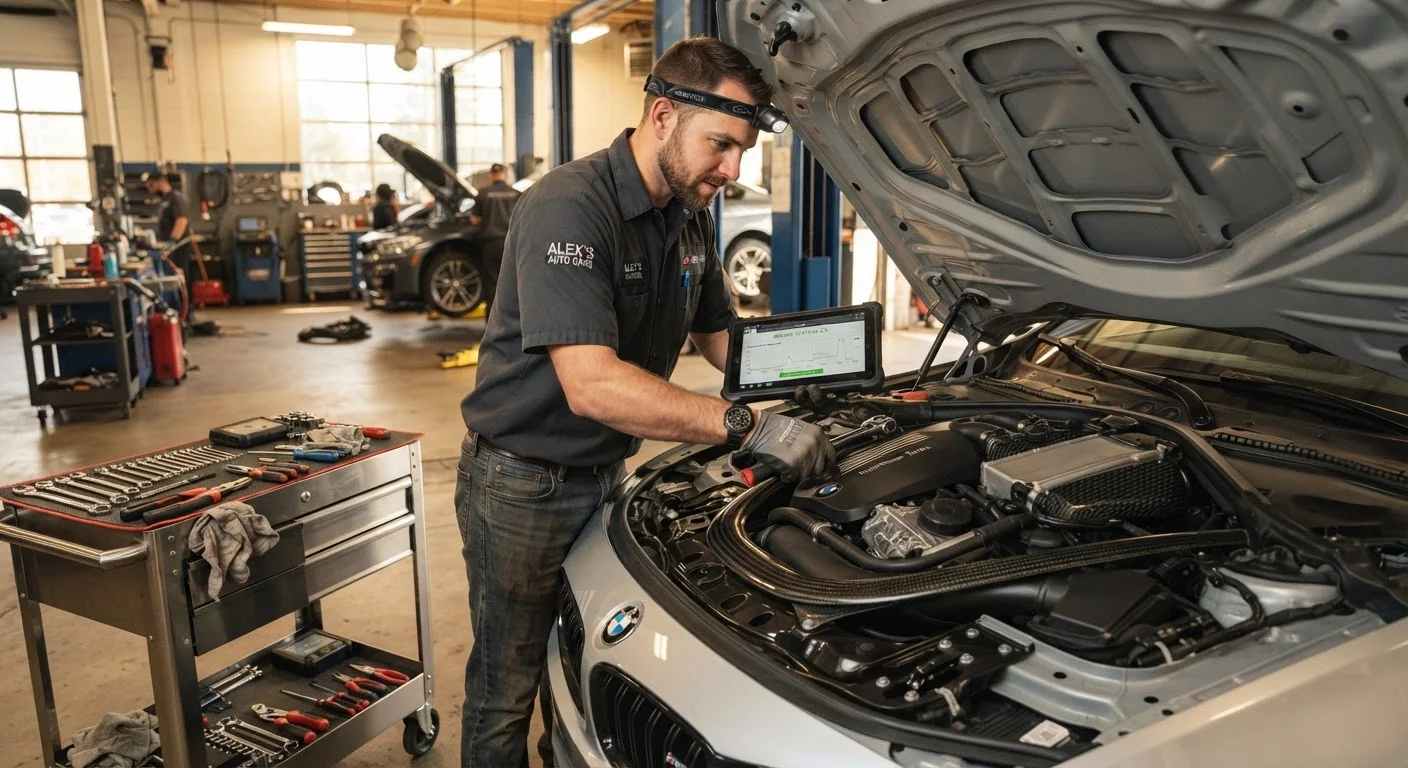
While many routine checks are safe to perform at home, tasks involving brake components, suspension, electrical systems, or fluid leaks should be inspected by a qualified mechanic. Improper repairs can compromise vehicle safety for you and other road users. When in doubt, get a professional assessment before proceeding.
Maintenance spending is also a form of smarter spending - predictable, manageable costs that prevent unpredictable, large ones. Drivers who treat routine service as a fixed operating expense tend to carry far lower lifetime repair costs than those who respond only to breakdowns.