Why the Owner's Manual Is Your Starting Point
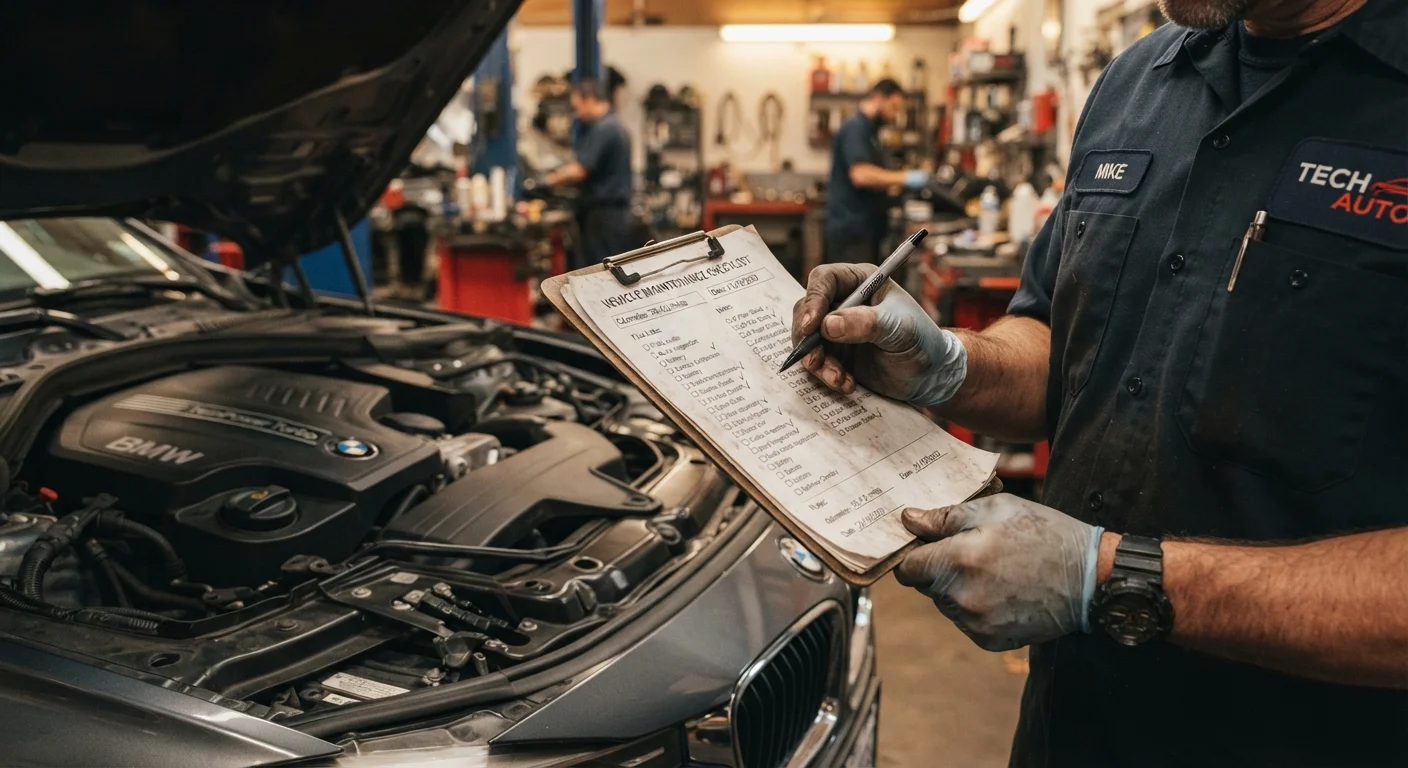
Many drivers rely on the sticker a shop places in the corner of their windshield, or on a service adviser's recommendation, to decide when to bring a car in. Those are useful prompts - but they are not the primary authority. Your owner's manual is.
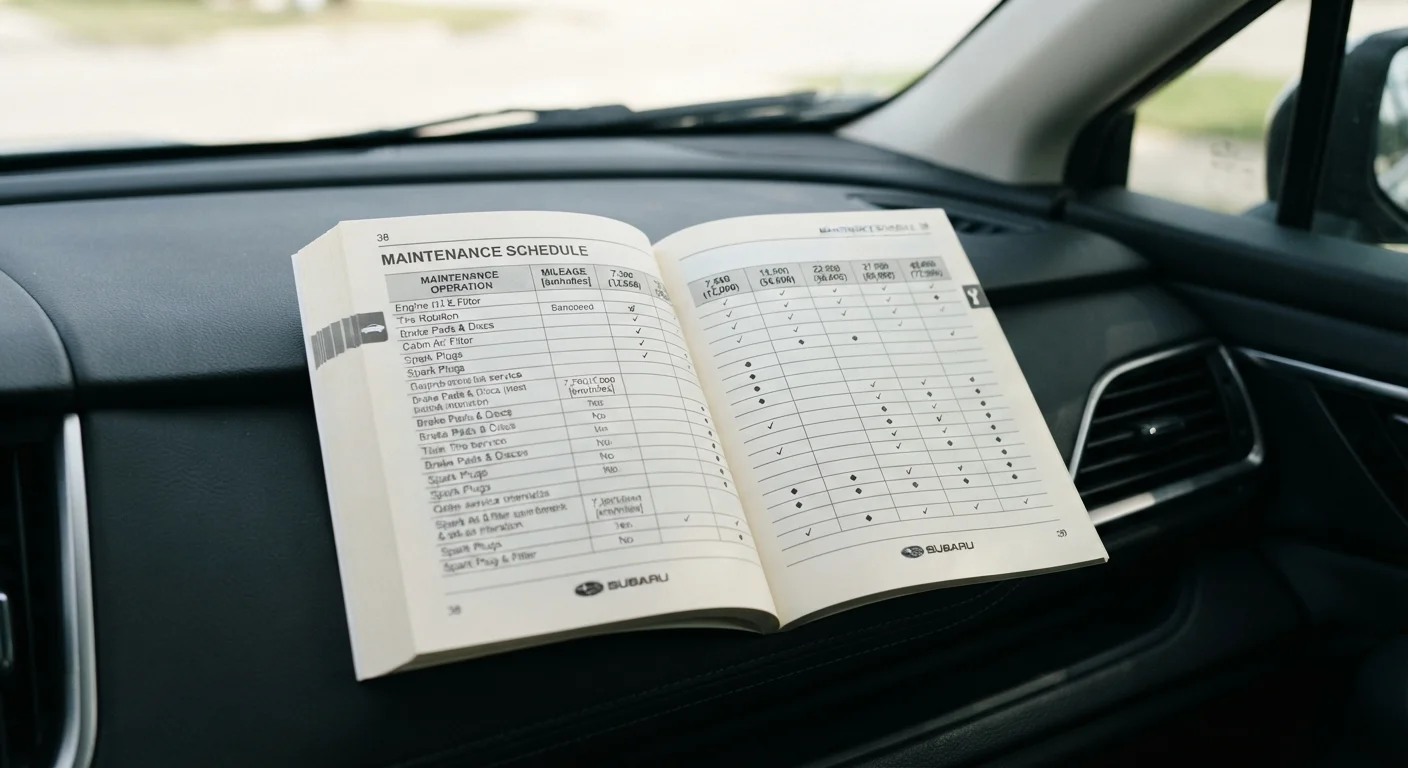
Every vehicle manufacturer engineers a maintenance schedule specifically for that engine, transmission, and drivetrain combination. It reflects the tolerances of your components, the type of fluids specified, and the conditions the vehicle was designed to handle. Generic advice - however well-meaning - cannot replicate that precision.
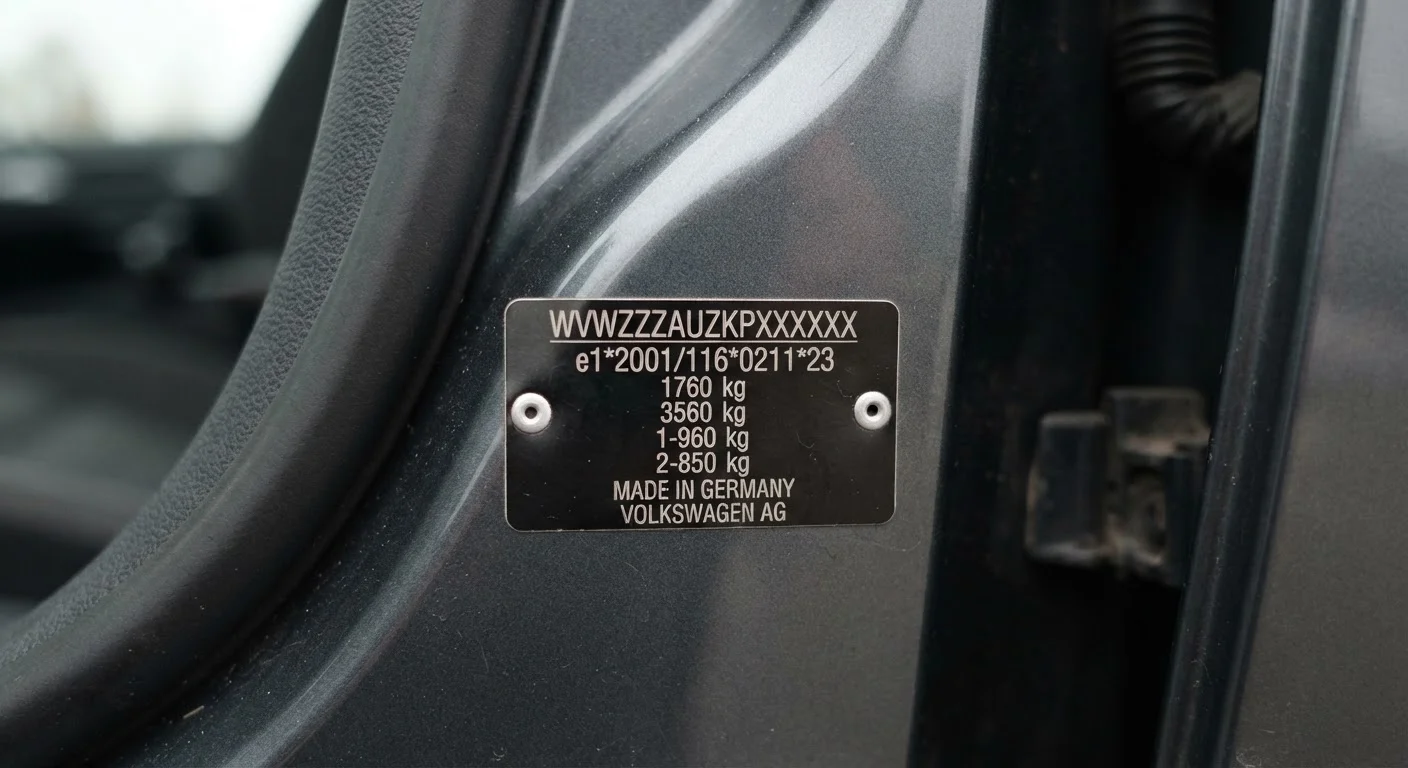
If you've misplaced your manual, most automakers post the information on their official websites. You can also find it indexed by VIN. Speaking of which, understanding what your VIN encodes can help you look up model-specific data accurately - see how to decode your VIN for a full breakdown.
Seasonal Maintenance Is Separate from Scheduled Service
Your manufacturer's maintenance schedule covers time- and mileage-based servicing, but seasonal checks - like battery testing before winter or coolant inspection before summer - are an additional layer of care. See seasonal car care guidance for a practical walkthrough of what each season calls for.
How Maintenance Intervals Are Structured
Manufacturer schedules are organized along two axes: mileage and elapsed time. Service is due at whichever threshold arrives first. A vehicle driven only 3,000 miles in a year may still need an oil change because twelve months have passed and the oil has degraded from heat cycles and moisture accumulation.
Milestones typically cluster around round numbers - 5,000, 15,000, 30,000, 60,000, and 90,000 miles are the most common. Here's what each tier generally involves:
- Every 5,000-10,000 miles: Engine oil and filter change; tire rotation; fluid level checks.
- 15,000-30,000 miles: Air filter inspection and possible replacement; cabin air filter; brake inspection.
- 30,000-60,000 miles: Spark plugs (on many engines); coolant flush; transmission fluid check or change depending on type.
- 60,000-100,000+ miles: Timing belt replacement (if applicable); differential fluid; power steering fluid; suspension components.
These are general patterns. Your manual may differ - which is exactly why reading it matters. For a sharper look at which milestones deserve the most attention, see maintenance intervals that actually matter.
35%
Vehicles on the road overdue for an oil change
According to ongoing vehicle inspection data cited by the Car Care Council, roughly one in three vehicles inspected at outreach events shows oil that is past its change interval.
$1,200+
Average cost of a preventable engine repair
The Car Care Council estimates that neglected routine maintenance - particularly fluids and filters - is a leading driver of repair bills that could have been avoided.
2x
Service frequency under severe vs. normal conditions
For some fluid and filter services, severe-service intervals can be as much as half the mileage of normal-service intervals, according to typical manufacturer schedule comparisons.
Normal vs. Severe Service: Which Applies to You?
Most owner's manuals contain two maintenance tracks. "Normal" service assumes a mix of highway and city driving under moderate conditions. "Severe" service - which carries shorter intervals - applies under a range of common circumstances that many drivers don't immediately recognize as demanding.
You may qualify for the severe schedule if you regularly:
- Drive in heavy stop-and-go traffic
- Make frequent short trips, particularly under five miles in cold weather
- Tow trailers or haul heavy loads
- Operate in extreme heat, cold, or dusty environments
- Drive on unpaved or salted roads
Driving mostly on the highway at steady speeds in a mild climate? Normal service likely applies. Living in a northern city with cold winters and a long commute with frequent stops? Severe service is probably the right track - and that can mean shorter oil change intervals, more frequent brake inspections, and earlier transmission fluid changes.
Check Both Columns in Your Manual
When reviewing your maintenance schedule, locate both the normal and severe service columns before deciding which applies. Many drivers automatically assume normal service, but urban commuters, drivers in extreme climates, and anyone who tows regularly often fall into the severe category. Following the wrong column can mean under-servicing components that see heavier use.
Keeping Records and Protecting Your Investment
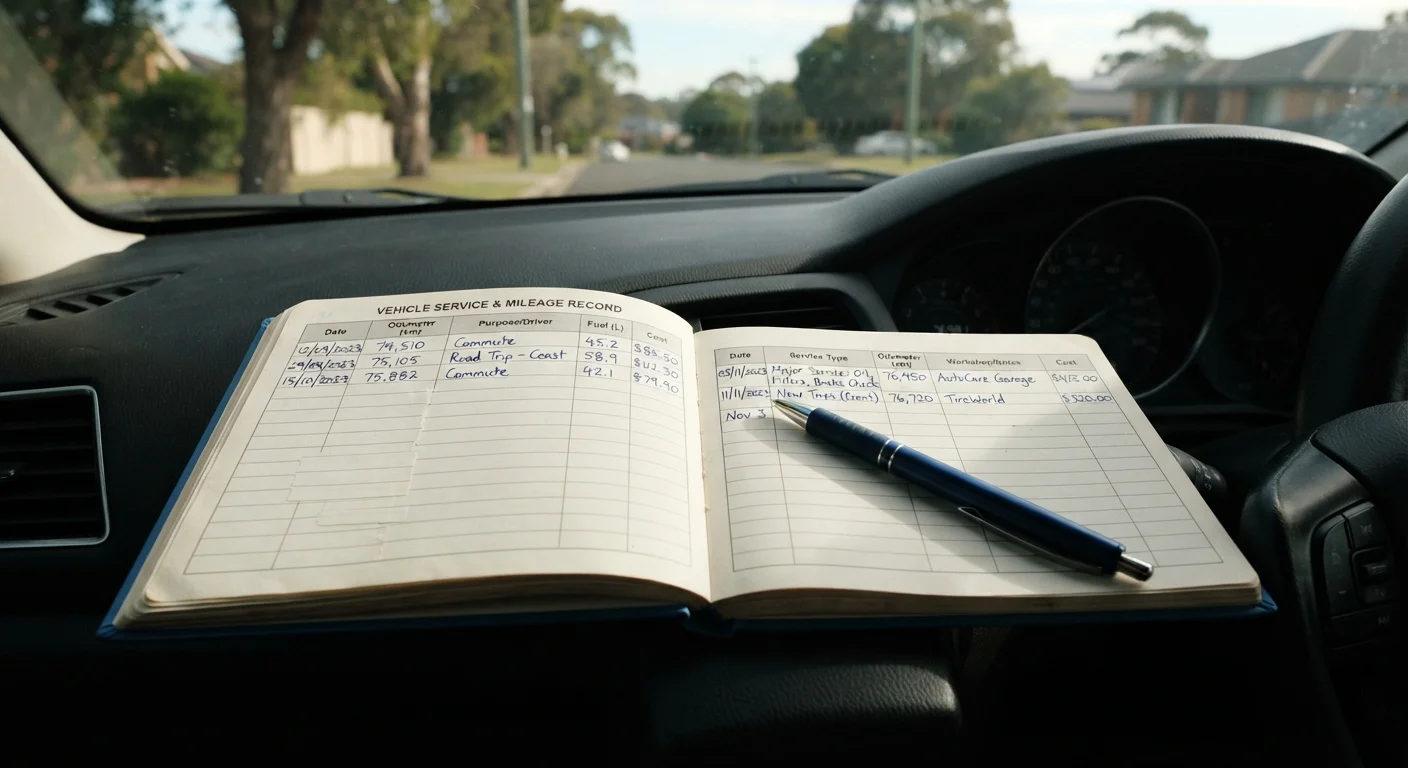
Following a schedule matters. Documenting that you've followed it matters almost as much. A complete service history - receipts, dates, mileage - serves as evidence that the vehicle was properly maintained, which is important for warranty claims, resale value, and diagnosing future problems accurately.
Keeping a vehicle log is a straightforward habit that pays off disproportionately at resale time or when a warranty dispute arises. Well-maintained vehicles also depreciate more slowly, which connects directly to long-term ownership costs - a topic worth understanding alongside how car depreciation works.
If you're deciding where to have work done, knowing your schedule also helps you compare what a dealership recommends against what an independent shop proposes. Our overview of dealership vs. independent shop service can help frame that decision. And for drivers logging serious miles, maintaining a high-mileage vehicle covers the additional care aging components may need.
This article provides general vehicle maintenance information for educational purposes only. Always consult your owner's manual and a qualified mechanic for guidance specific to your vehicle.