How Each Shop Is Structured
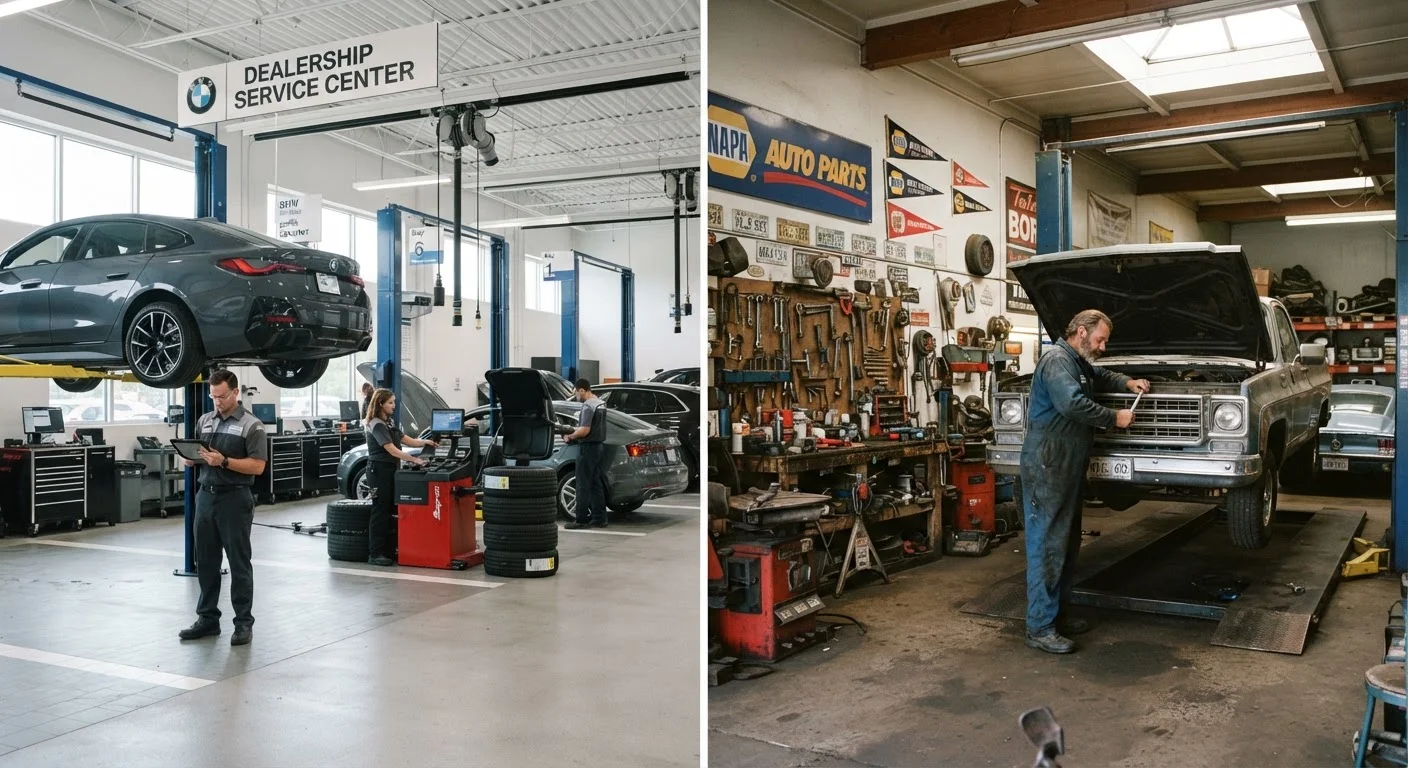
Understanding what separates these two service options starts with how they operate day to day. A dealership service department is attached to a franchise that sells a specific brand - Ford, Toyota, Honda, and so on. Technicians there receive factory training from the manufacturer and work with brand-specific diagnostic tools and software. They stock OEM parts, meaning components that meet the same specifications as what came with the car from the factory.
An independent mechanic operates outside any manufacturer relationship. Many are certified through third-party programs such as the National Institute for Automotive Service Excellence (ASE), which tests technicians across specific repair categories. Independent shops source parts from the aftermarket - a broad ecosystem of suppliers who make components to fit many makes and models, often at a lower price point than OEM alternatives.
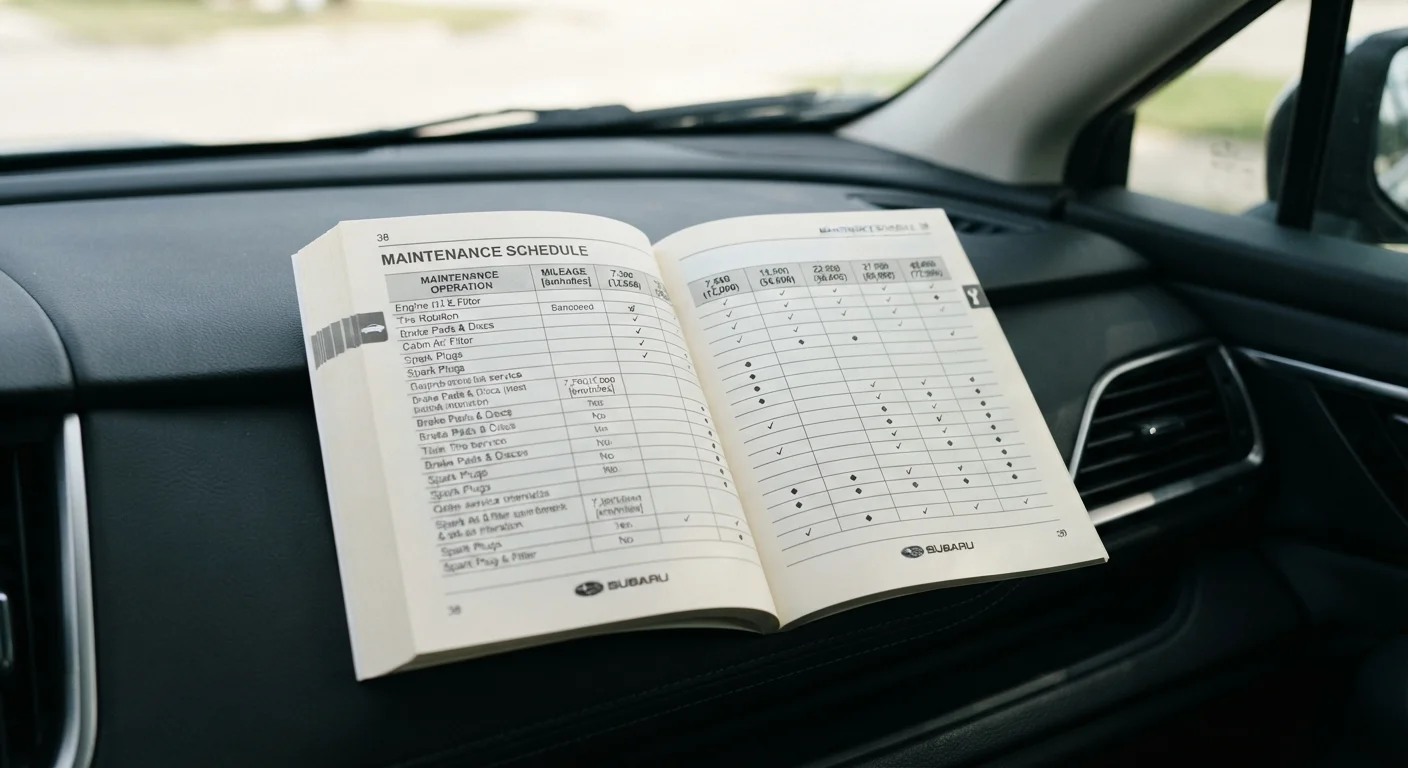
Neither structure is inherently better. Each reflects a different set of trade-offs that matter more or less depending on what you're driving and what needs to be done. For a deeper look at what routine service actually involves, see your car's maintenance schedule explained.
Cost, Convenience, and Parts
Labor rates at dealerships are generally higher than at independent shops - sometimes significantly so. Dealerships carry the overhead of manufacturer-required facilities, specialized equipment, and continuous technician training, and those costs flow into hourly rates. Independent shops carry lower overhead on average, which often translates to more competitive pricing on routine work.
Parts pricing follows a similar pattern. OEM parts from a dealership typically cost more than comparable aftermarket parts. That said, OEM components carry the manufacturer's quality standards, which matters for certain systems - particularly on newer vehicles where tolerances are tight. For many common repairs, quality aftermarket parts from reputable suppliers perform comparably.
| Dealership Service Dept. | Independent Mechanic | |
|---|---|---|
| Technician Training | Factory-certified for specific brand | ASE-certified, multi-brand experience |
| Labor Rate | Typically higher | Typically lower |
| Parts Used | OEM (manufacturer spec) | Aftermarket or OEM (shop choice) |
| Proprietary Diagnostics | Full access to brand tools | Limited or no access for some systems |
| Best Vehicle Age | New to mid-age, under warranty | Mid-age to high mileage |
| Convenience Amenities | Often includes loaner or shuttle | Varies widely by shop |
Convenience also differs. Dealerships often provide loaner vehicles, shuttle service, and online scheduling systems. Independent shops vary widely - some are lean operations where convenience is limited, others are well-staffed businesses with comparable amenities. Checking reviews and asking upfront about logistics helps set expectations.
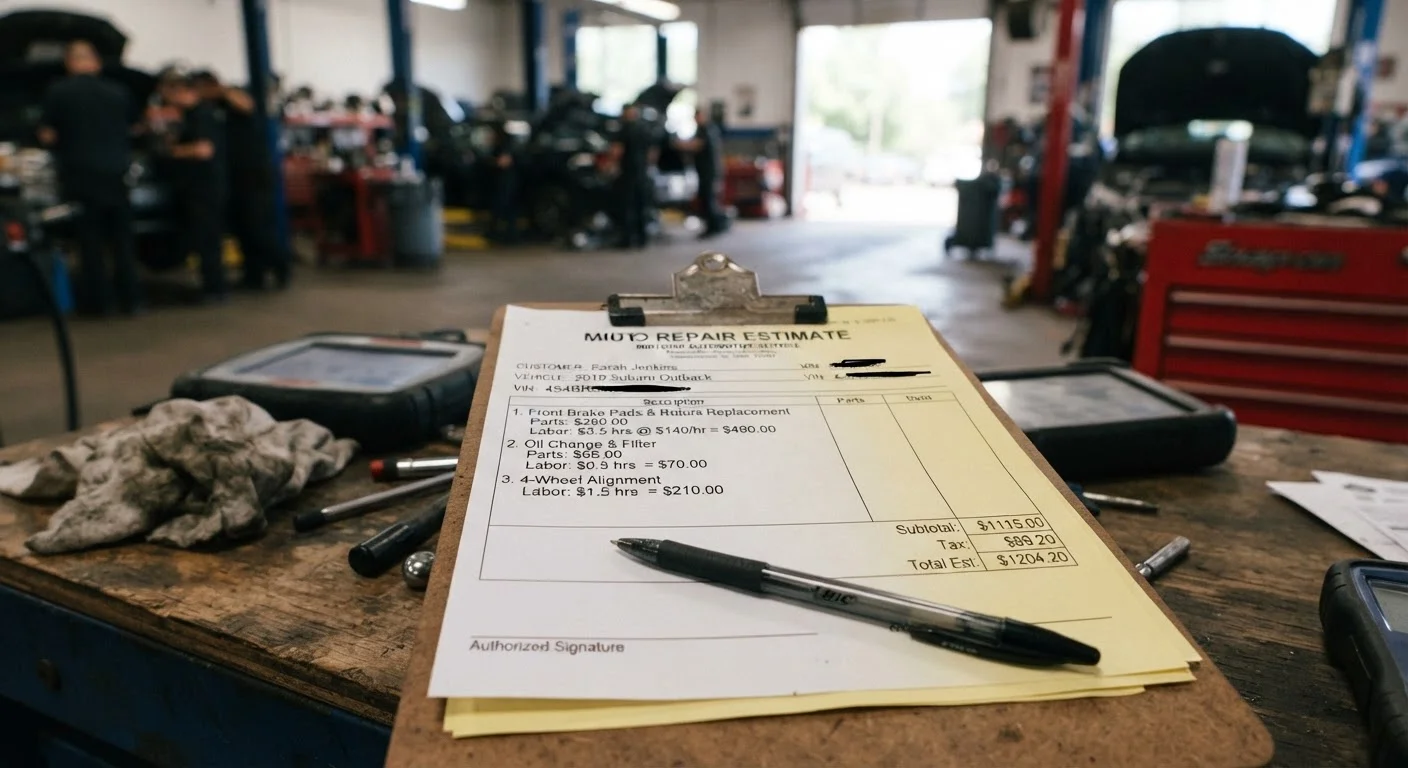
Once you have an estimate in hand from either shop, reading a repair estimate can help you decode what the line items actually mean.
Warranties, Complex Repairs, and When to Choose
A common misconception is that servicing your car outside a dealership voids your manufacturer's warranty. Under the Magnuson-Moss Warranty Act, manufacturers generally cannot require that you use their service departments for routine maintenance, provided you use parts and fluids that meet their specifications and keep records. However, this is a nuanced area - always review your warranty documentation and consult a qualified professional if you have specific concerns.
Keep Your Service Records
Regardless of where you have your car serviced, maintain a folder - physical or digital - of every invoice and service record. These documents demonstrate proper maintenance history, which matters for warranty claims, resale value, and diagnosing recurring issues. A well-documented service history gives any shop a clearer picture of your vehicle's condition.
Where dealerships hold a clear advantage is in diagnostics and repairs on newer vehicles with advanced systems. Modern cars use proprietary software that independent shops may not be licensed or equipped to access - including certain over-the-air update functions, transmission programming, and advanced driver-assistance system calibrations. For these jobs, a dealership's direct manufacturer connection is a meaningful practical advantage.
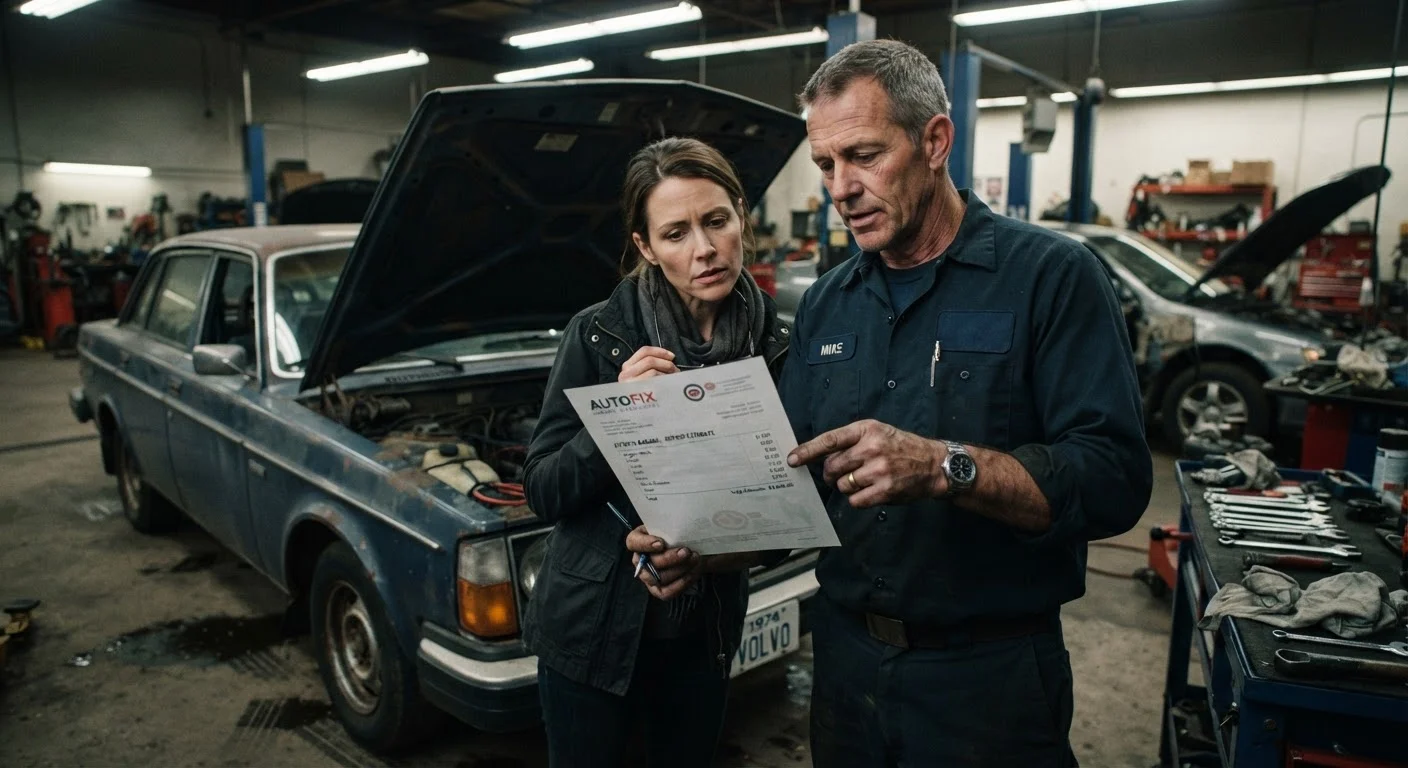
For older vehicles or straightforward maintenance - oil changes, brake pads, filters, belts - a well-regarded independent mechanic with relevant ASE certifications can handle the work competently, often at a lower total cost. The key is vetting the shop: look for certifications, ask about experience with your vehicle type, and get a written estimate before authorizing work.
If you're weighing whether a repair is even worth pursuing, the guidance in when repairing your car stops making financial sense walks through the financial factors to consider before committing either way.
This article provides general educational information about vehicle service options and is not a substitute for advice from a qualified automotive or legal professional. Warranty terms vary by manufacturer and situation; consult your warranty documentation and a licensed professional for guidance specific to your vehicle.