The Three Core Sections of Any Estimate
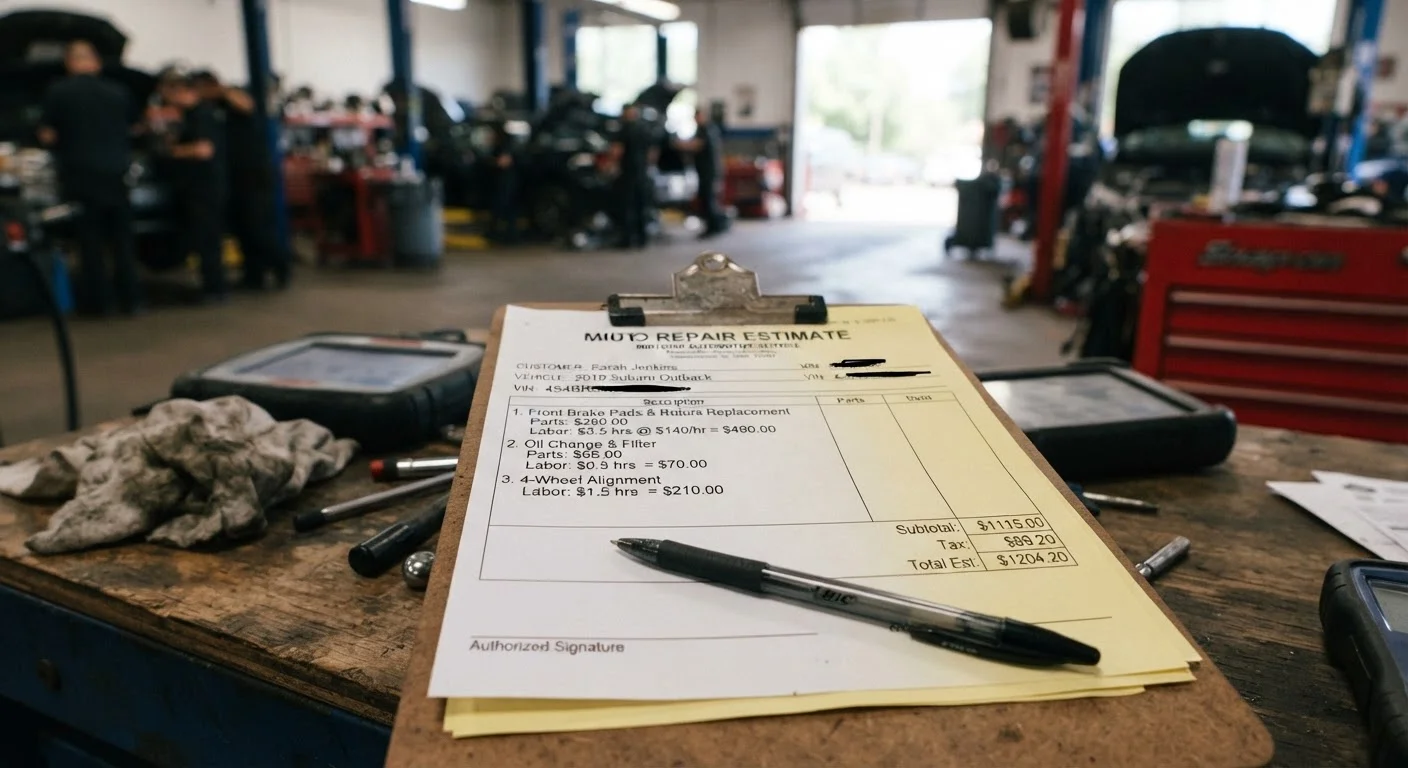
Most repair estimates follow a predictable structure once you know what to look for. The document is typically divided into three core charge categories: parts, labor, and fees. Understanding each one separately makes the total far less intimidating.
Parts are the physical components being replaced or added. Each line should list the part name, a part number, the quantity, and the price. You may see notations like OEM (original equipment manufacturer - made to factory spec) or aftermarket (made by a third party, often lower cost). Some estimates specify remanufactured parts, which are rebuilt used components. Ask the shop which type applies to your job, since this affects both cost and warranty coverage.
Labor is charged in hours and is where many drivers feel most confused. See the next section for a full breakdown of how labor is calculated.
Fees typically appear near the bottom and may include a diagnostic fee, shop supply charges (consumables like rags and solvents), hazardous waste disposal (for fluids), and applicable taxes. These are normal line items, but you're entitled to ask what each one covers.
State Laws Vary on Estimate Requirements
Consumer protection rules for auto repair vary by state. Some states require written estimates above a certain dollar threshold, cap how much a final bill can exceed the estimate, and mandate that replaced parts be made available for inspection. Check your state's attorney general or consumer protection office website for specifics that apply to you.
How Labor Hours Are Calculated
Labor is often the largest single cost on an estimate, and it's calculated differently than most people assume. Shops use standardized labor guides - published by companies like Mitchell or AllData - that assign a preset number of hours to each specific repair task. This is called flat-rate labor.
Under a flat-rate system, a brake job listed at 1.5 hours will be billed at 1.5 hours regardless of whether the technician finishes in an hour or takes two. The shop's labor rate (expressed as a dollar amount per hour) multiplied by those flat-rate hours equals your labor charge. Labor rates vary significantly by region and shop type - dealer service centers vs. independent mechanics often differ considerably on this number.
If multiple repairs are being done simultaneously, ask whether the shop is applying any overlap deductions. Some jobs share disassembly steps, which can reduce total labor time - and a transparent shop will reflect that in the estimate.
Ask for a Revised Estimate in Writing
If a technician discovers additional problems after work begins, you're entitled to a revised written estimate before authorizing the extra work. Don't rely on a phone conversation alone - ask the shop to document the new scope and get your written or recorded approval on file.
Line Items That Often Cause Confusion
A few specific line items tend to generate the most questions:
- Diagnostic fee: Charged for the technician's time spent identifying the problem using scan tools, test drives, or inspection. Many shops credit this fee toward the repair if you authorize the work. It's a legitimate cost - pinpointing an intermittent electrical fault, for example, can take significant expertise.
- Sublet charges: If your shop outsources part of the work (like alignment or glass replacement) to a specialist, those costs may appear as sublet. You're entitled to know who is doing the work.
- Shop supplies: A percentage-based or flat charge covering consumable materials used during the repair. It's standard practice, but shouldn't be excessive - typically 5-10% of the labor total.
- Fluid flush or top-off: Sometimes listed separately from the core repair. Confirm whether these are genuinely necessary or incidental to the main job.
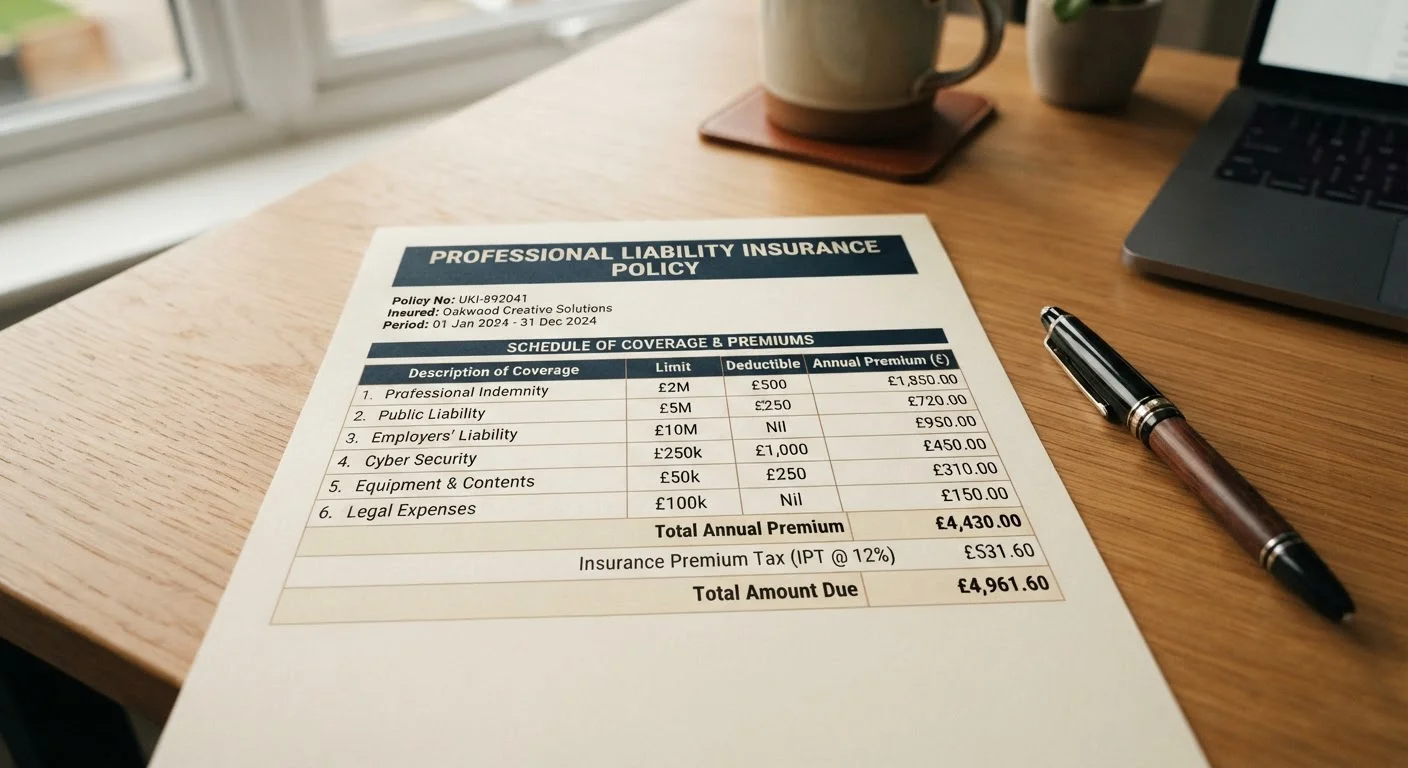
For a broader framework on decoding cost documents, the approach is similar to reading the cost summary page of any insurance policy - isolate each line, understand what it covers, and verify it reflects what was agreed upon.
~$150
Typical diagnostic fee range
Industry surveys suggest diagnostic fees at independent shops generally fall between $75 and $150, though dealer rates can run higher depending on the required tools and time.
30-40%
Typical labor share of a repair bill
Consumer automotive data consistently shows labor often represents 30-40% or more of a total repair cost, making it one of the most impactful variables when comparing estimates.
What to Do Before You Sign
Before authorizing any repair, take these concrete steps:
- Get it in writing. An estimate should always be written and signed. Verbal estimates offer little recourse if the bill comes in higher.
- Ask about parts origin. OEM, aftermarket, or remanufactured - each affects cost, fit, and warranty differently. There's no universally right answer, but you should know what you're getting.
- Clarify the authorization process. If the shop discovers additional problems mid-repair, how will they contact you? Confirm they won't proceed without your explicit approval.
- Request your old parts back. In most states you have the right to inspect replaced components. This confirms the work was actually done.
- Compare scopes, not just totals. When getting multiple estimates, make sure they cover identical work and parts before drawing conclusions from the price difference.
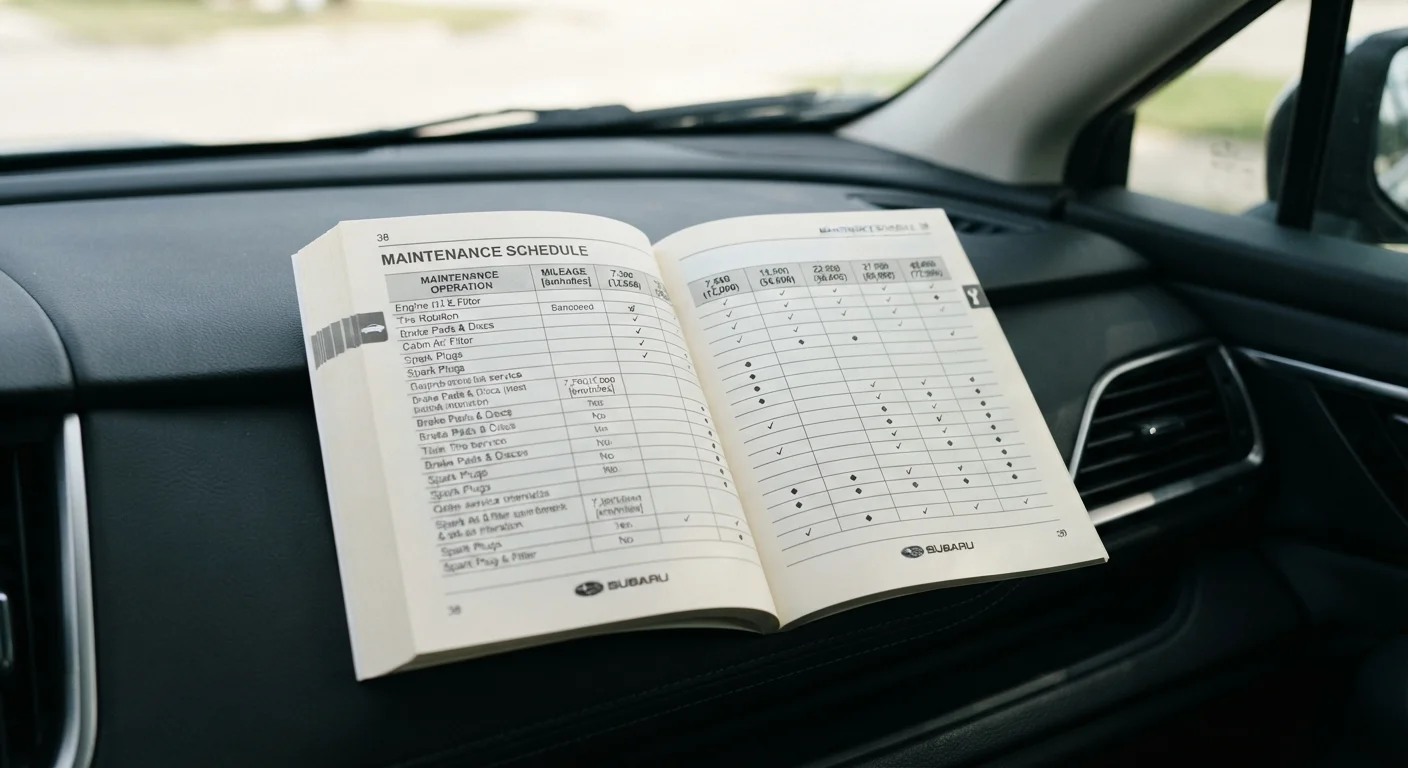
Understanding your estimate is also a first step toward a longer-term picture of your vehicle's costs. Pairing this knowledge with your car's maintenance schedule helps you anticipate upcoming service needs rather than reacting to them. And if something about an estimate still doesn't feel right, signs a repair shop is being straight with you covers the red flags worth knowing.