Why This Matters More Than You Think
The average American spends roughly $400 to $1,000 per year on vehicle maintenance and unexpected repairs - and that figure climbs sharply when a shop isn't being straight with you. Unlike most purchases, auto repair involves an information gap: the mechanic knows what's wrong with your car, and you're largely relying on their honesty to understand what you actually need.
That gap creates room for both genuine mistakes and deliberate manipulation. The good news is that honest shops do exist, and they leave consistent signals. So do the problematic ones. Knowing the difference can save you hundreds of dollars and a lot of frustration. See our guide to reading a repair estimate to understand what the line items on any invoice actually mean before you authorize work.
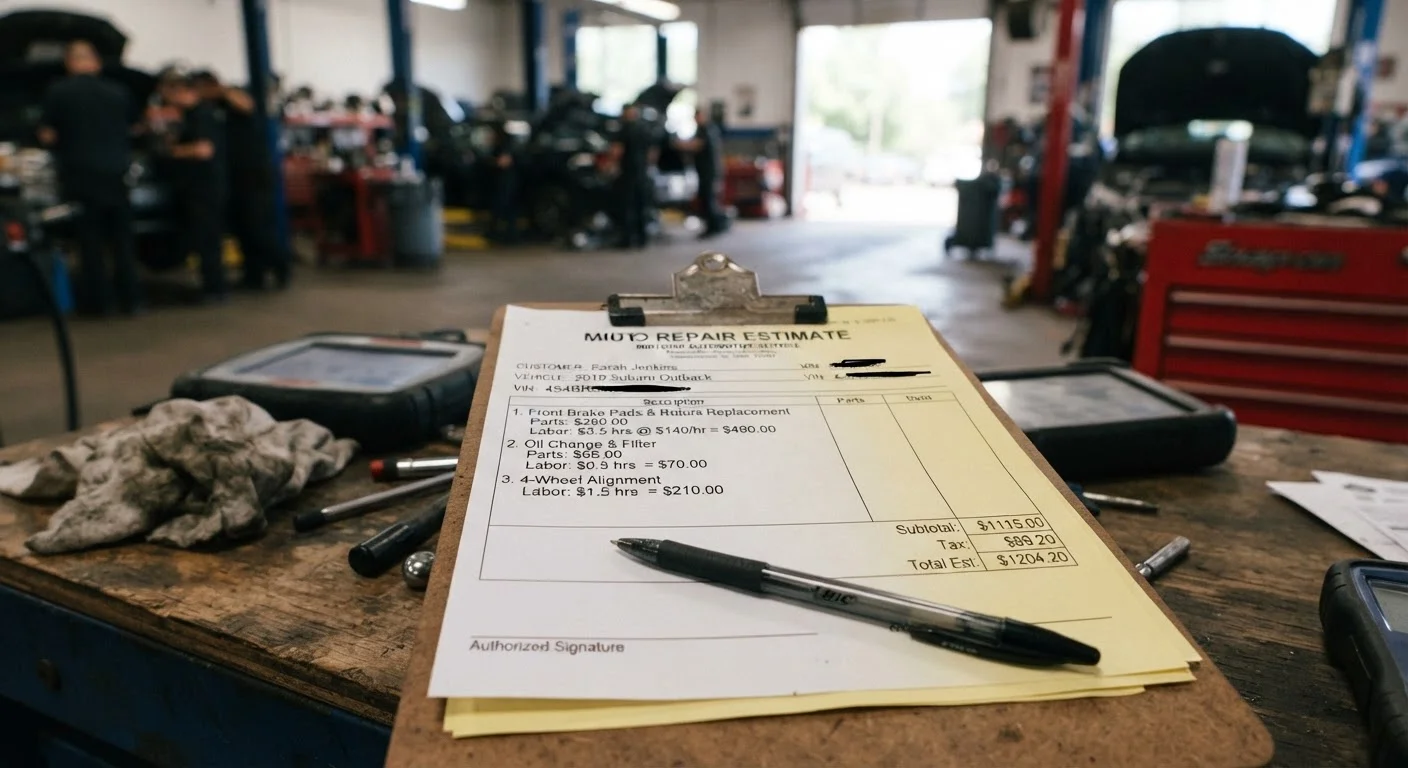
They provide a written estimate before touching your car
A reputable shop will hand you a written estimate - itemized by parts and labor - before any work begins. This isn't a courtesy; in many states, it's a legal requirement. The estimate should clearly separate the cost of parts from labor hours, and any diagnostic fee should be disclosed upfront.
A shop that starts work and then presents a surprise bill afterward, or that gives only a vague verbal range, is operating in a way that makes it harder for you to hold them accountable. Requesting a written estimate is not an unreasonable ask - it's standard practice.
A written, itemized estimate before work starts is standard practice - not an unreasonable ask.
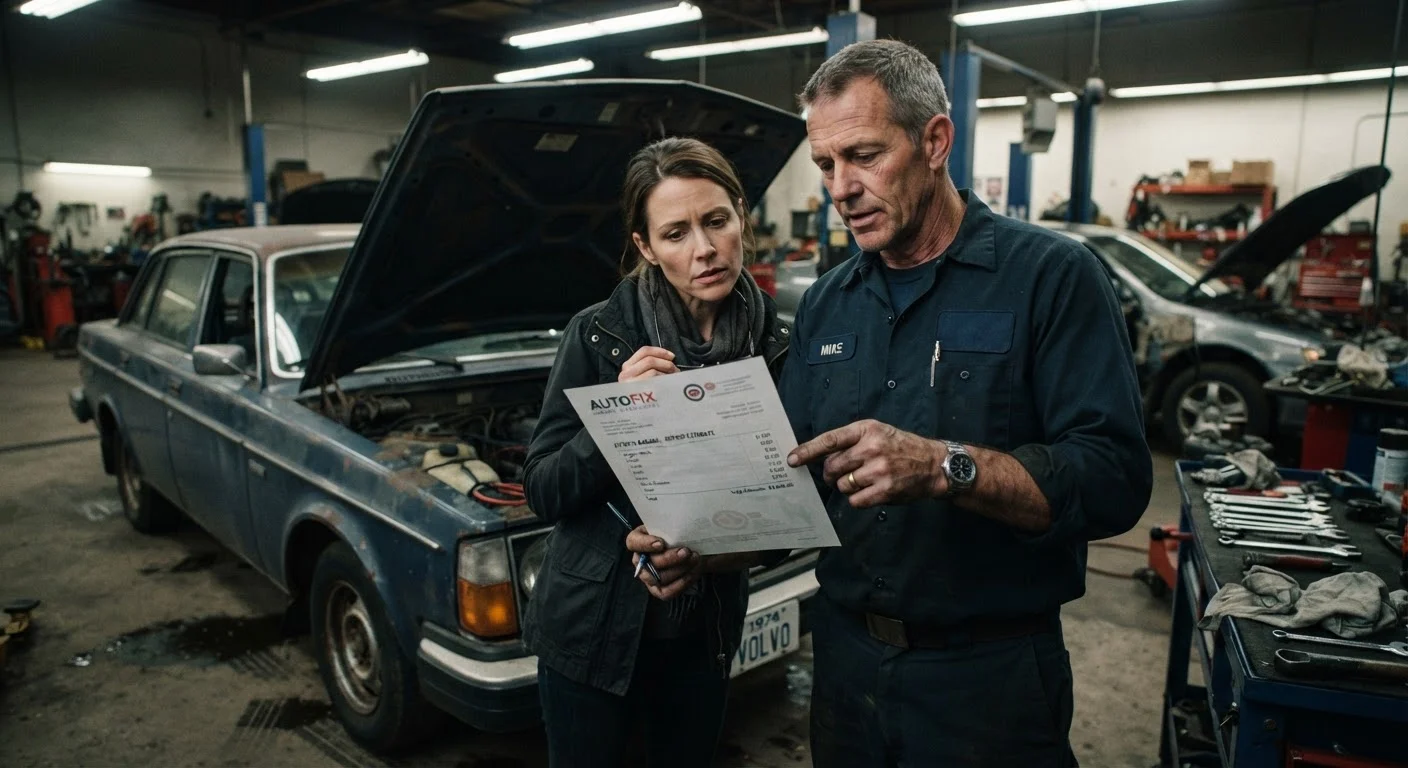
They can explain the problem in plain language
An honest mechanic can tell you what's wrong, why it matters, and what happens if it's left unaddressed - in terms a non-expert can follow. They might use some technical language, but they should be willing to walk you through it if you ask.
If a shop responds to your questions with impatience, deflection, or language designed to confuse rather than clarify, that's a warning sign. Competent mechanics are usually comfortable explaining their diagnosis because they're confident in it. Vagueness often masks uncertainty - or an upsell.
Confidence in a diagnosis shows up as a willingness to explain it clearly.
They distinguish between urgent and non-urgent repairs
Not every problem a mechanic identifies needs to be fixed today. Honest shops will tell you which issues are safety-critical and which ones can wait until your next visit or until your budget allows. They prioritize your safety without manufacturing panic.
If every item on an inspection report comes with "you need this done immediately" language, or if the shop seems reluctant to let you leave without authorizing additional work, that urgency pressure deserves scrutiny. A trustworthy shop understands that building your trust over time is worth more than one inflated invoice.
Trustworthy mechanics separate safety-critical repairs from ones that can wait.
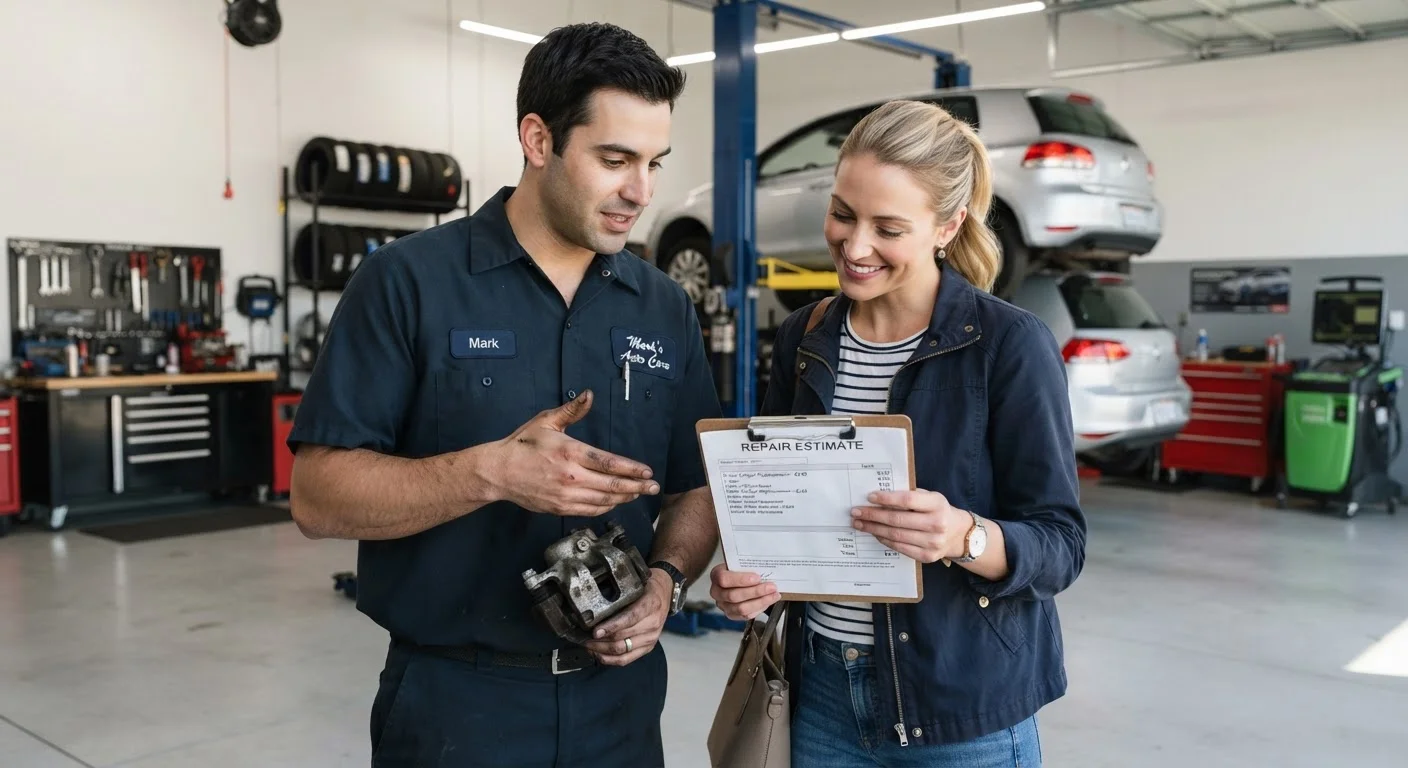
They welcome a second opinion
Any reputable shop should be comfortable with you seeking a second opinion - especially on a costly repair. If a mechanic becomes defensive, dismissive, or applies social pressure when you mention getting another estimate, treat that reaction as informative.
You're also entitled to ask for your old parts back after a repair. Shops that replace components should be able to return what was removed (with a few exceptions for core deposits on parts like batteries and alternators). Receiving your old parts is one way to verify that the replacement actually happened.
A shop that discourages a second opinion is telling you something important.
Their credentials are visible and verifiable
Look for ASE (Automotive Service Excellence) certifications displayed in the shop - these indicate that technicians have passed standardized competency tests. AAA-approved facilities and shops affiliated with recognized industry organizations also undergo periodic vetting.
Certifications don't guarantee honesty, but their presence - combined with transparency in communication - is a positive signal. Their absence isn't automatically disqualifying, but it's worth factoring in, particularly for complex or expensive repairs. You can verify ASE certification status through the organization's public lookup tool.
Visible certifications paired with clear communication are a reliable trust signal.
The invoice matches the estimate - or they called you first
When you pick up your car, the final bill should closely match what was quoted. If it doesn't, the shop should have contacted you during the repair to explain the change and get your approval before proceeding. This is called a change authorization, and professional shops treat it as non-negotiable.
An invoice that's substantially higher than the estimate - with no prior communication - is one of the clearest red flags in the industry. Smarter spending habits across all categories start with knowing what you agreed to pay before the transaction is complete.
If costs change mid-repair, you should hear about it before the work continues - not at pickup.
Build Your Own Knowledge Base
No single visit to a shop is a perfect test of trustworthiness - context matters, and even good shops have off days. What you're looking for is a pattern of transparency, clear communication, and respect for your autonomy as the vehicle owner.
Keep a simple vehicle repair log
Noting the date, mileage, shop name, work performed, and total cost for each service visit gives you a paper trail that's invaluable when evaluating future repair recommendations. If a shop suggests replacing something that was recently serviced, your log gives you the receipts - literally. It also helps when deciding whether to repair or replace your vehicle down the line.
If you're navigating larger financial decisions around your vehicle - whether to repair or replace, how to weigh a dealer's service department against an independent shop - consider that repair shop credibility is just one piece of the picture. Our article on when repairing your car stops making financial sense walks through the broader decision framework.
This article is for general informational purposes only and does not constitute financial, legal, or professional mechanical advice. Always consult a qualified mechanic for diagnosis and repair decisions specific to your vehicle.