Why the Sticker Price Is Just the Starting Line
When most people budget for a vehicle, they focus on the monthly payment. That number is real, but it captures only a fraction of what you'll actually spend. AAA's annual Your Driving Costs study consistently finds that the average American driver spends well over $10,000 per year on vehicle ownership when all expenses are tallied - a figure that shocks many first-time buyers.
The gap between perceived cost and actual cost comes from expenses that don't appear on the window sticker: depreciation, insurance, fuel, maintenance, registration fees, and financing interest. Each of these categories is manageable on its own, but together they can easily double what you thought you were paying. Understanding the full picture isn't about discouraging car ownership - it's about making decisions with open eyes.
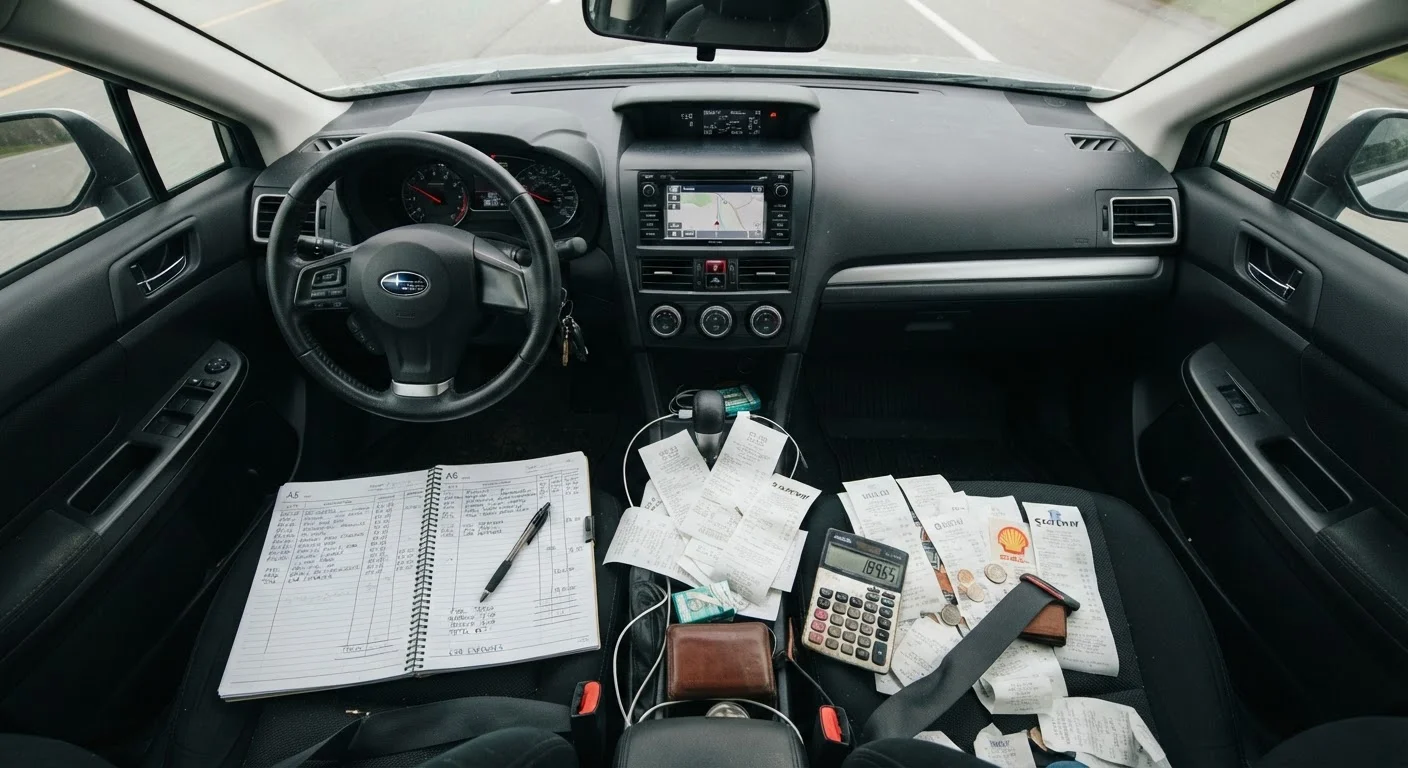
See why monthly transportation costs are harder to track than most expect for a closer look at where the accounting typically breaks down.
Depreciation: The Invisible Cost That Hits Hardest
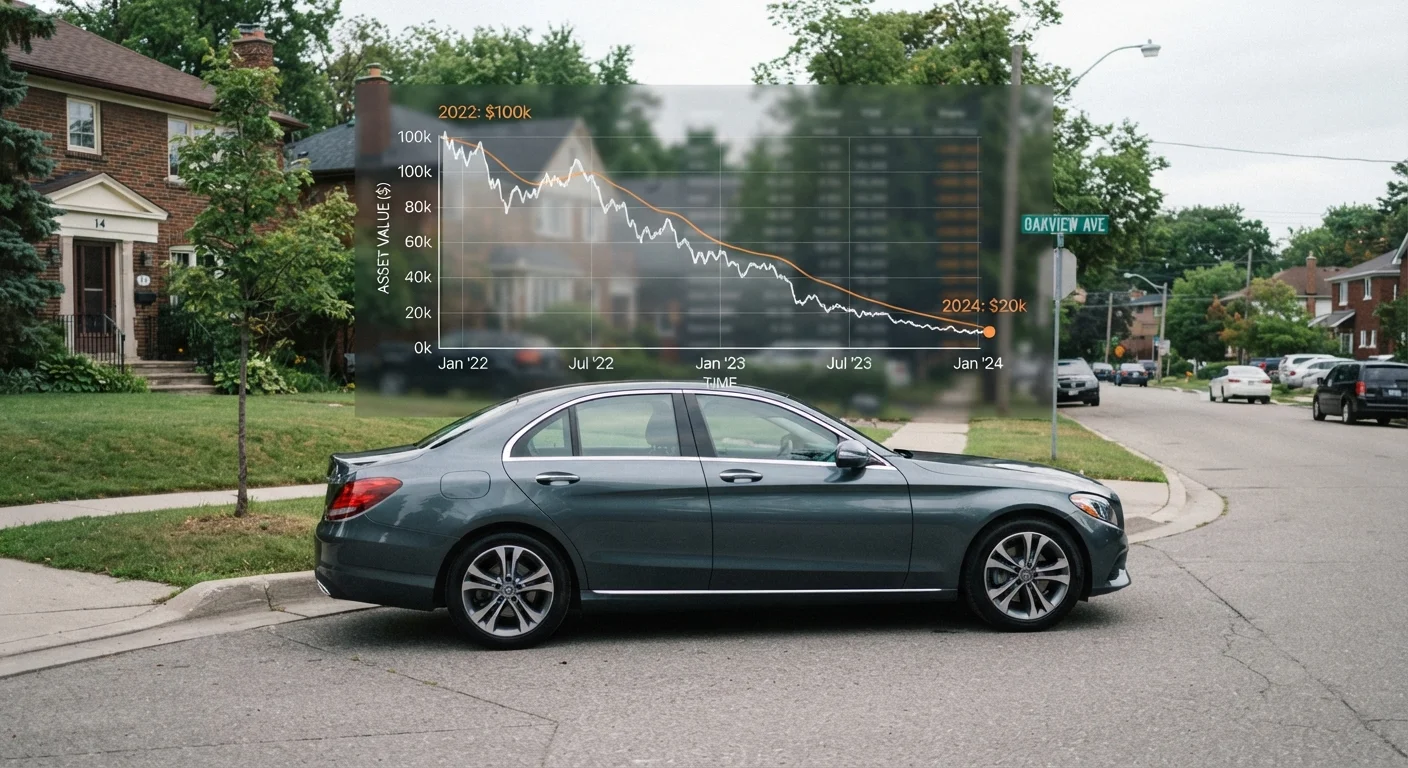
Depreciation - the loss of a vehicle's market value over time - is the largest single ownership cost for most drivers, yet it never shows up as a line item on a monthly statement. A new vehicle can lose roughly 15-20% of its value in the first year alone, and up to 50% within five years, depending on the make, model, and market conditions.
For a vehicle purchased at $35,000, that could mean $5,000-$7,000 in lost value in year one. Unlike fuel or insurance, depreciation is silent: it accumulates whether you drive 5,000 miles or 20,000. It only becomes visible when you sell or trade in.
Before choosing a vehicle, look up its projected resale value at three and five years - not just the purchase price. A cheaper vehicle that holds its value outperforms an expensive one that depreciates steeply.
Depreciation accounts for a larger share of total ownership cost than fuel or maintenance for most drivers, making residual value a critical factor in the overall affordability equation.
Request insurance quotes on any vehicle you're seriously considering before finalizing the purchase. Some vehicles - particularly sports cars, luxury models, and certain SUVs - carry premiums that can meaningfully change your monthly budget.
Insurance cost is one of the most variable and frequently overlooked line items at the point of purchase, yet it's fully knowable in advance with a simple quote request.
Certain vehicle categories - trucks, some SUVs, and lower-volume models - tend to hold value better than others, while high-volume sedans and luxury vehicles often depreciate faster. The detailed guide to car depreciation breaks down the mechanics and what factors you can and can't control.
Insurance, Registration, and Taxes
Auto insurance is a mandatory and substantial recurring expense. The national average for full coverage auto insurance runs into the hundreds of dollars per month, though exact premiums depend on your driving record, location, vehicle type, age, and credit history in states where insurers are permitted to use it. Urban drivers and those with recent claims or violations typically pay significantly more.
Registration fees and state taxes vary considerably by jurisdiction. Some states charge a flat annual fee under $100; others tie registration costs to the vehicle's value, resulting in fees of several hundred dollars per year for newer or more expensive vehicles. Sales tax at the point of purchase can add thousands to the upfront cost - often 6-10% of the vehicle's price.
For a full picture of how insurance pricing works from premium to claim, this end-to-end insurance cost guide is a useful companion.
Don't Overlook Insurance Before You Buy
Insurance premiums on a new or unfamiliar vehicle can be significantly higher than what you currently pay. Some buyers discover only after purchase that their insurance costs jumped by $100 or more per month. Always get a quote on the specific vehicle - including its VIN if possible - before committing to the deal.
Fuel and Day-to-Day Operating Costs
Fuel is the most visible recurring cost of ownership - drivers feel it every time they fill up. The amount you spend annually depends on three variables: how far you drive, your vehicle's fuel economy (measured in miles per gallon), and local fuel prices. A driver covering 15,000 miles per year in a vehicle averaging 28 mpg will burn roughly 535 gallons annually. At $3.50 per gallon, that's approximately $1,875 per year - before accounting for price fluctuations.
Electric vehicles (EVs) shift this cost to electricity, which is generally cheaper per mile but adds complexity around home charging setup costs and potential public charging fees. Hybrid vehicles offer a middle ground, though their fuel savings need to be weighed against a higher purchase price.
Parking fees, tolls, and car washes are smaller but real expenses that add up over a year. Drivers in dense urban areas may pay $100-$300 or more per month on parking alone.
$10,000+
Average annual vehicle ownership cost
AAA's annual Your Driving Costs study estimates the average American driver spends over $10,000 per year when all ownership costs are included.
~50%
Value lost in first five years
Many new vehicles lose approximately half their original value within five years, making depreciation the largest single ownership expense for most buyers.
$1,800-$2,500
Estimated annual fuel cost
Based on 15,000 miles driven annually at average U.S. fuel efficiency and mid-range gas prices; actual costs vary significantly by vehicle and driving habits.
Maintenance, Repairs, and Tires
Routine maintenance - oil changes, filter replacements, brake inspections, and tire rotations - is predictable and relatively affordable when kept current. Neglecting it, however, converts small costs into large ones. A $50 oil change skipped repeatedly can contribute to engine wear that costs thousands to repair.
Industry data suggests drivers should budget roughly $500-$1,000 annually for routine maintenance on a modern vehicle, more as the vehicle ages. Tires represent a distinct line item: a set of four replacement tires typically costs $400-$1,000 depending on size and type, and most vehicles need new tires every 40,000-60,000 miles.
Unexpected repairs are harder to plan for. Building a dedicated vehicle emergency fund - separate from your regular maintenance budget - is one of the most practical steps an owner can take. The Maintenance & Repairs hub offers practical guidance on keeping a vehicle running safely and affordably over time.
Build a Vehicle Emergency Fund
Set aside a dedicated fund separate from your general savings - even $50-$100 per month builds a meaningful cushion over time. Unexpected repairs are a question of when, not if. Having reserves prevents a single repair bill from derailing your broader budget.
How to Build Your Own True-Cost Estimate
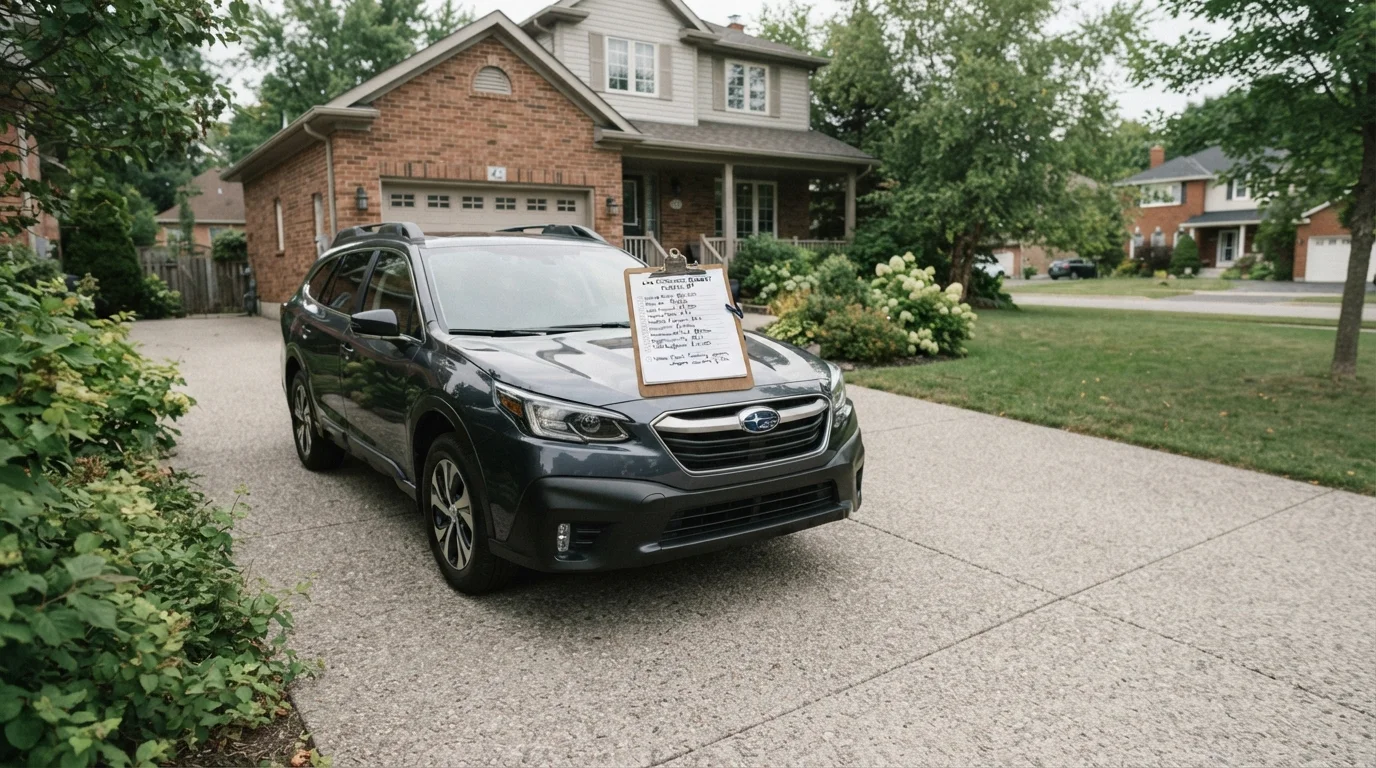
Estimating your actual ownership cost before or after a purchase is straightforward once you know which categories to include. Use this framework as a starting point:
- Depreciation: Estimate annual value loss based on vehicle type and age. Resources like Kelley Blue Book or NADA Guides provide historical residual values for most models.
- Financing cost: Multiply your monthly payment by 12, then subtract the principal portion - what remains is annual interest paid. Understanding the true cost of financing explores how this math plays out across purchase decisions.
- Insurance: Get quotes before committing to a vehicle - premiums vary significantly by model.
- Fuel: Use your expected annual mileage divided by the vehicle's EPA-estimated mpg, multiplied by current local fuel prices.
- Maintenance and tires: Budget $700-$1,200 per year as a conservative baseline for a vehicle under 100,000 miles.
- Registration and taxes: Check your state's DMV fee schedule; factor in annual registration renewal costs.
Adding these together gives you a realistic annual ownership figure. Compare that to your take-home income to assess affordability honestly. And if you're weighing purchase against lease, this honest breakdown of leasing vs. financing covers what changes after you sign.
For an interesting edge case - what happens when a car barely gets driven - the real costs of owning a car that never gets driven shows that fixed costs don't disappear just because the odometer barely moves.