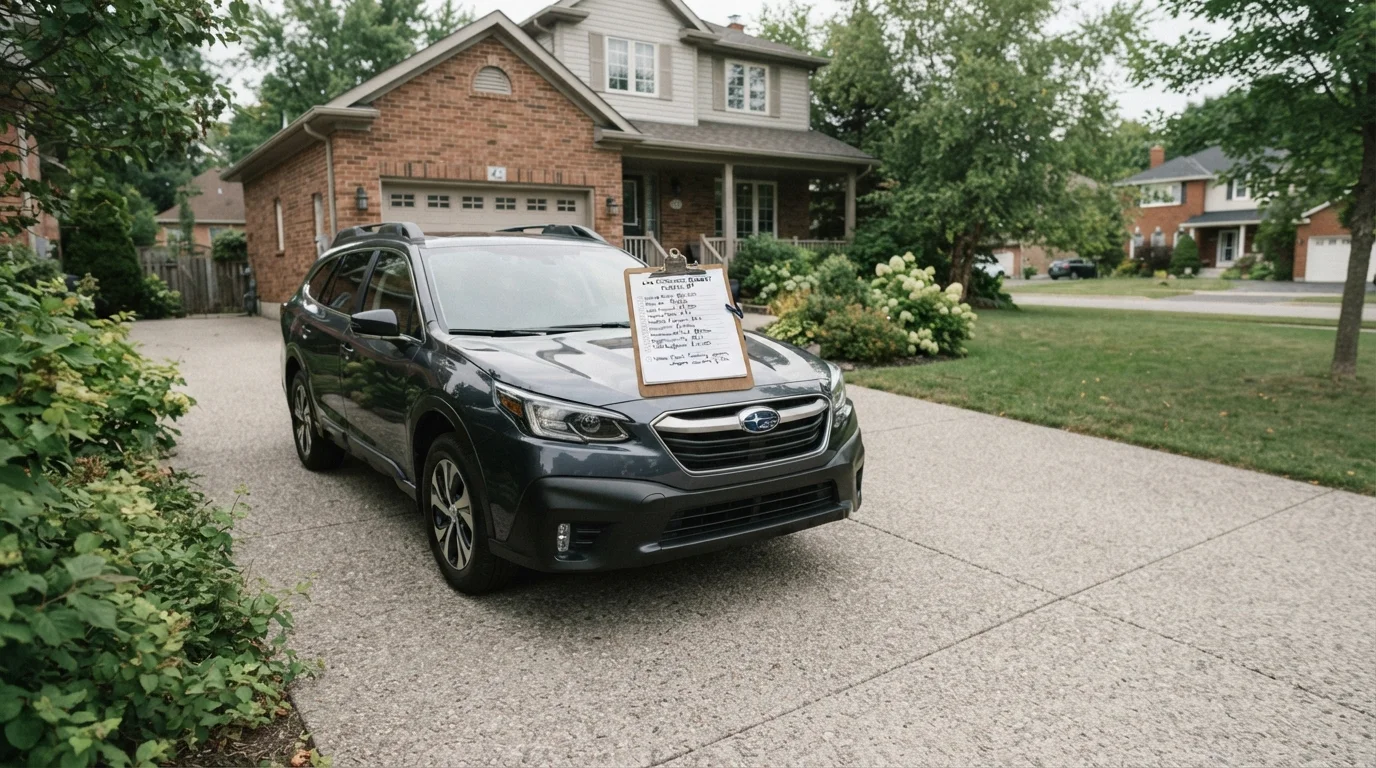
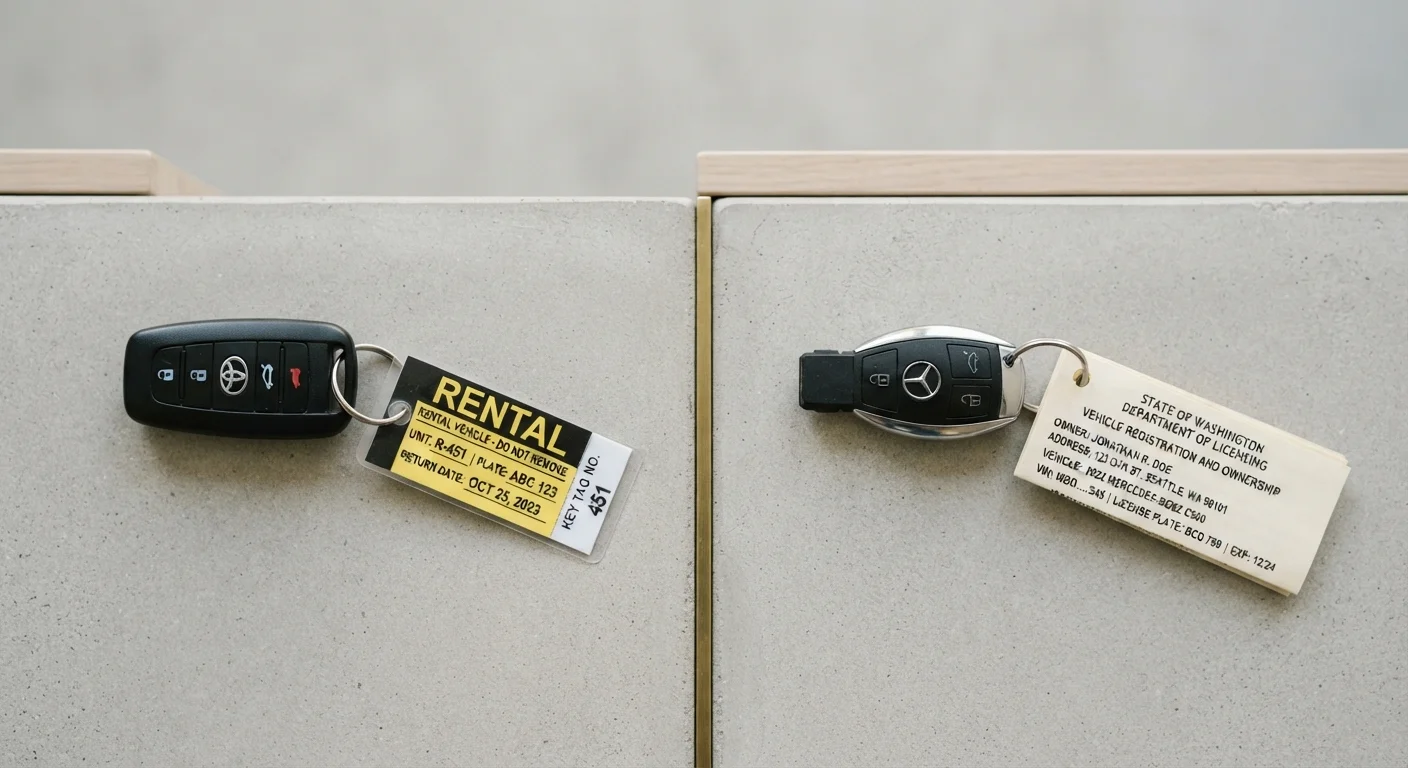
The Moment the Paperwork Is Done
Signing a finance agreement and signing a lease feel similar in the moment - you hand over a down payment, agree to monthly payments, and drive away. What changes dramatically is your relationship with that vehicle from day one.
When you finance, you are the buyer. The lender holds a lien until the loan is satisfied, but you are the legal owner. When you lease, the dealership or leasing company retains ownership throughout the term. You are essentially a long-term renter with structured conditions. That distinction shapes nearly every financial decision you'll make while driving the car.
For a broader look at what vehicle ownership actually involves beyond the monthly payment, see our guide for first-time owners.
| Criterion | Financing (Buying) | Leasing |
|---|---|---|
| Ownership | You own it (lien until paid off) | Lessor retains ownership |
| Monthly Payment | Higher | Lower for same vehicle |
| Mileage Limits | None | Typically 10,000-15,000/yr |
| Modifications Allowed | Yes, unrestricted | No permanent changes |
| End-of-Term Outcome | You own the vehicle outright | Return, buy out, or re-lease |
| Equity Built | Yes, grows over time | None |
| Excess Wear Fees | Not applicable | Charged at lease return |
| Long-Term Cost | Lower if vehicle kept long-term | Higher if perpetually leased |
Mileage, Modifications, and Day-to-Day Restrictions
Lease agreements include mileage caps - typically 10,000 to 15,000 miles per year. Exceed that limit and you'll pay a per-mile penalty at lease-end, often between $0.15 and $0.30 per mile. For a driver who puts 18,000 miles a year on a car with a 12,000-mile cap, that's a $900-$1,800 charge before handing back the keys.
Financed vehicles carry no such restriction. You can drive as many miles as you need without financial penalty, though higher mileage does affect resale value down the road.
Modifications are similarly constrained under a lease. Want to add a hitch, tint windows, or upgrade audio? Most lease agreements prohibit permanent alterations, and any changes must be reversed before the vehicle is returned. With a financed vehicle, those decisions are yours to make.
$0.25
Typical per-mile overage fee on a lease
Industry standard overage fees typically range from $0.15 to $0.30 per mile, meaning even modest overages can generate meaningful end-of-lease charges.
~72 months
Average auto loan term in the U.S.
According to Experian's State of the Automotive Finance Market reports, the average new vehicle loan term has extended to approximately six years, increasing total interest paid.
$1,300+
Estimated average lease-end fees
Combining acquisition, disposition, and common excess wear charges, total lease-end costs frequently exceed $1,000 beyond the final monthly payment.
The True Cost Comparison Over Time
Monthly lease payments are lower than loan payments for the same vehicle - sometimes by $100-$200 or more per month. That advantage is real, but it's also temporary. When a lease ends, you have no asset and typically begin a new lease cycle with new payments. A financed vehicle, once paid off, becomes a cost-free transportation asset (maintenance aside) for however long it remains reliable.
Lease costs that often go uncalculated include the acquisition fee (typically $600-$1,000 charged at signing), disposition fee at lease-end (often $300-$500 if you don't purchase the vehicle), and excess wear charges assessed during the return inspection. Estimating the full annual cost of any vehicle - leased or financed - helps you compare options honestly.
It's also worth understanding how any installment agreement works before you sign. Deferred payments and financing structures carry real costs that deserve scrutiny beyond the advertised monthly figure.
Insurance, Maintenance, and Shared Obligations
One common misconception is that leasing reduces ongoing ownership responsibilities. It doesn't eliminate them - it reframes them. Leased vehicles typically require higher insurance coverage minimums (often comprehensive and collision with low deductibles) because the leasing company is protecting its asset. This can push insurance premiums higher than what a financed vehicle owner might choose to carry.
Maintenance obligations also remain. Lease agreements usually require you to follow the manufacturer's recommended service schedule and document it. Skipping an oil change won't void a loan, but it can result in wear-related charges on a lease return. Some lease packages include maintenance; many do not.
Gap Coverage: A Key Consideration for Both
If a leased or financed vehicle is totaled or stolen, standard insurance pays current market value - which may be less than what you owe on a loan or what the lessor expects under a lease agreement. Gap insurance (Guaranteed Asset Protection) covers that difference. It's often required in lease agreements and worth evaluating seriously for financed vehicles, particularly in the early years of a loan when depreciation outpaces payoff.
For drivers considering whether leasing might genuinely suit their situation, there are specific scenarios where leasing outperforms buying - it's worth reading both sides before committing. You can also explore broader transportation choices if you're weighing alternatives to traditional vehicle ownership.
This article provides general information about vehicle financing and leasing for educational purposes only. Terms, costs, and conditions vary by lender, leasing company, state, and individual circumstances. Consult a licensed financial professional before making decisions based on your specific situation.