
The Costs That Start the Day You Sign
Most first-time buyers focus on the monthly payment. That number is real, but it's nowhere near the full picture. The moment you sign for a car, several additional costs come into play - and none of them wait.
Sales tax is calculated on the purchase price in most states, and it's due at closing. Dealer fees - documentation fees, destination charges, dealer prep - vary widely and are often non-negotiable once you're at the signing table. Knowing these exist before you walk in reduces the shock when the final number appears.
There's also depreciation to consider. A new vehicle typically loses a meaningful percentage of its value in the first year alone, which matters if you ever need to sell or trade. The day-to-day realities of owning versus leasing differ in ways that become clear only after you've signed - understanding them upfront puts you in a stronger position.
Title
The legal document that proves who owns a vehicle. When a car is financed, the lender typically holds the title until the loan is fully repaid.
Registration
A state-issued permit that allows you to legally operate your vehicle on public roads. It must be renewed periodically - usually annually - and comes with a fee.
Depreciation
The gradual loss of a vehicle's market value over time. New cars typically depreciate fastest in their first few years of ownership.
Liability coverage
The portion of auto insurance that pays for damage or injuries you cause to other people or their property. It does not cover your own vehicle.
Deductible
The amount you pay out of pocket before your insurance policy covers a claim. A higher deductible typically means a lower monthly premium, and vice versa.
Owner's manual
The booklet provided with every vehicle that contains the manufacturer's recommended maintenance schedule, fluid specifications, and operating instructions.
Registration, Title, and Paperwork Explained
Title and registration are the two documents that prove you legally own and can operate your vehicle. They're separate, and each has its own process.
The title is the legal proof of ownership. If you financed the car, the lender holds the title until the loan is paid off. The registration is what allows you to drive on public roads - it's renewed annually in most states and tied to a registration fee that varies by state, vehicle weight, and sometimes vehicle age or value.
Your license plate is issued through registration, not the title. States handle these processes differently, so timelines and fees will vary. Some states allow dealers to handle registration on your behalf; others require you to visit the DMV directly.
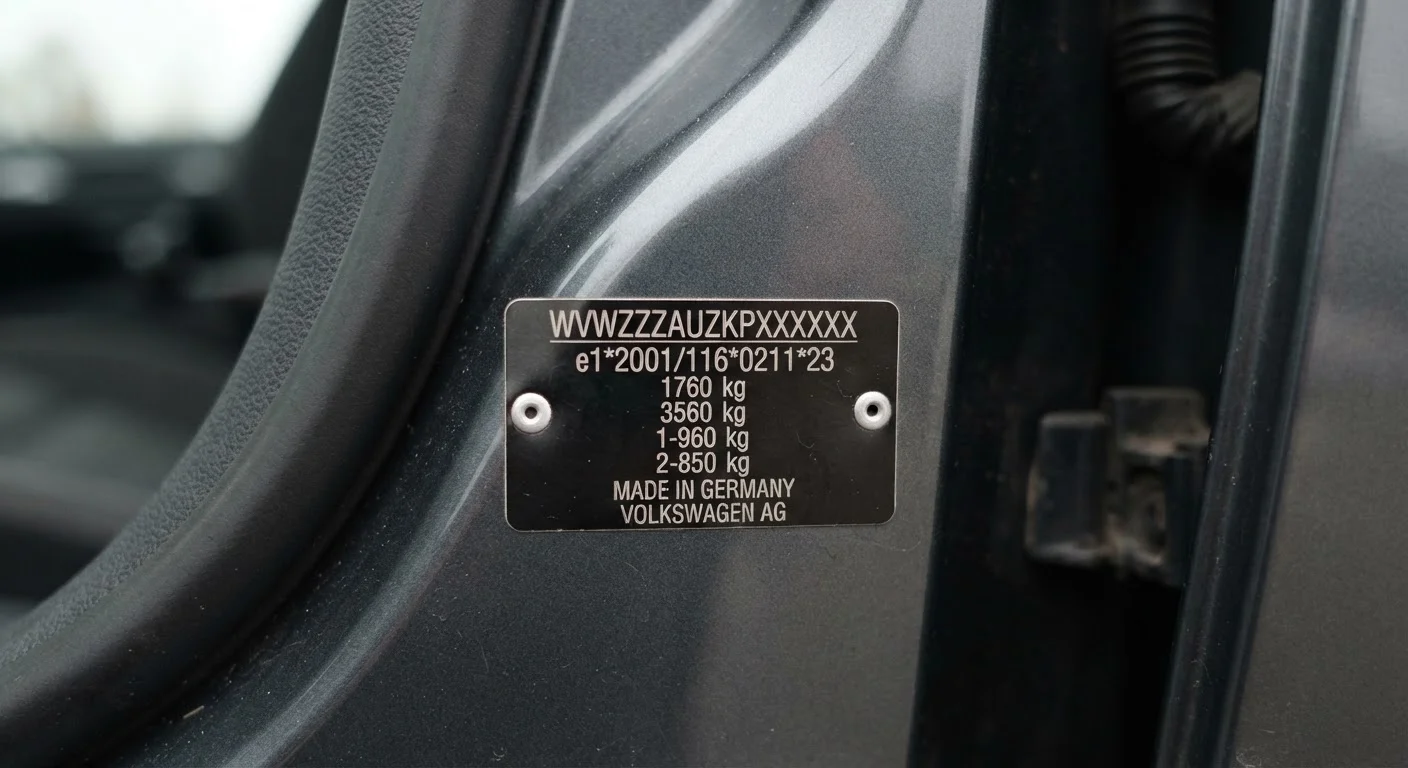
Your car's VIN connects all of this paperwork together. Every VIN tells the full story of your vehicle - from where it was manufactured to its accident and title history.
Dealer Handling vs. DMV Direct: Know the Difference
In some states, the dealership handles title transfer and registration on your behalf and collects the fees at closing. In others, you're responsible for visiting the DMV yourself within a set window after purchase. Check your state's DMV website to understand what's expected of you - missing a deadline can result in penalties.
Auto Insurance: What You Actually Need to Know
In nearly every U.S. state, carrying at least a minimum level of auto insurance is required by law. You cannot legally drive off the lot without it. But minimum coverage and adequate coverage are not the same thing.
Liability coverage pays for damage or injuries you cause to others. It does not cover your own vehicle. Collision coverage pays for damage to your car in an accident. Comprehensive coverage covers theft, weather events, and other non-collision damage. If your car is financed, your lender will almost certainly require both collision and comprehensive - this is not optional.
Premiums are influenced by your driving history, age, location, the car itself, and the coverage levels you choose. To understand how deductibles, premiums, and out-of-pocket costs interact, see this plain-English breakdown of your first insurance policy before you commit to a plan.
Get Insurance Quotes Before You Finalize the Purchase
Insurance costs vary significantly by vehicle make, model, and your personal profile. Getting quotes on the specific car you're considering - before you sign - gives you a complete cost picture. Some vehicles cost noticeably more to insure than others, even at the same purchase price.
Maintenance Is Not Optional - Here's Where to Start
Cars don't break down randomly - they break down when maintenance gets skipped. As a new owner, your job is to follow the manufacturer's maintenance schedule, which lives in your owner's manual. That schedule tells you when to change the oil, rotate the tires, replace the air filter, flush the brake fluid, and more.
The most common first-year oversights include:
- Skipping oil changes because the car seems to be running fine
- Ignoring tire pressure until a flat occurs
- Not checking fluid levels - coolant, brake fluid, windshield washer fluid
- Overlooking the cabin air filter, which affects air quality and HVAC performance
The foundational upkeep tasks every new driver should understand go beyond oil changes - and learning them now prevents expensive repairs later. You'll also want to know which jobs are DIY-friendly and which ones should always involve a qualified mechanic.
Many widely believed car habits are simply wrong - like needing to warm up your engine in winter. Starting with accurate information protects your vehicle and your wallet.
Budgeting for Your Car Over Time
A car payment alone doesn't capture the real cost of ownership. Building a realistic monthly budget means accounting for insurance, fuel, routine maintenance, registration renewal, and an emergency fund for unexpected repairs.
A simple framework: add up your fixed monthly costs (loan payment, insurance) and estimate your variable costs (fuel based on your commute, oil changes spread across 12 months, tire replacement amortized over several years). That total is your actual monthly car cost.
If you've never built a budget before, this beginner-friendly budgeting guide walks through the essentials without complicated spreadsheets. Parking, tolls, and car washes are easy to forget and easy to underestimate - add a small buffer for those too.
Even a car that rarely gets driven carries ongoing costs. Insurance, depreciation, and registration add up even when the odometer barely moves - something worth understanding before you commit to ownership.
This article is for general informational purposes only and does not constitute financial, legal, or insurance advice. Costs, regulations, and requirements vary by state and individual circumstance. Consult a licensed professional for guidance specific to your situation.