The Illusion of the 'Free' Parked Car
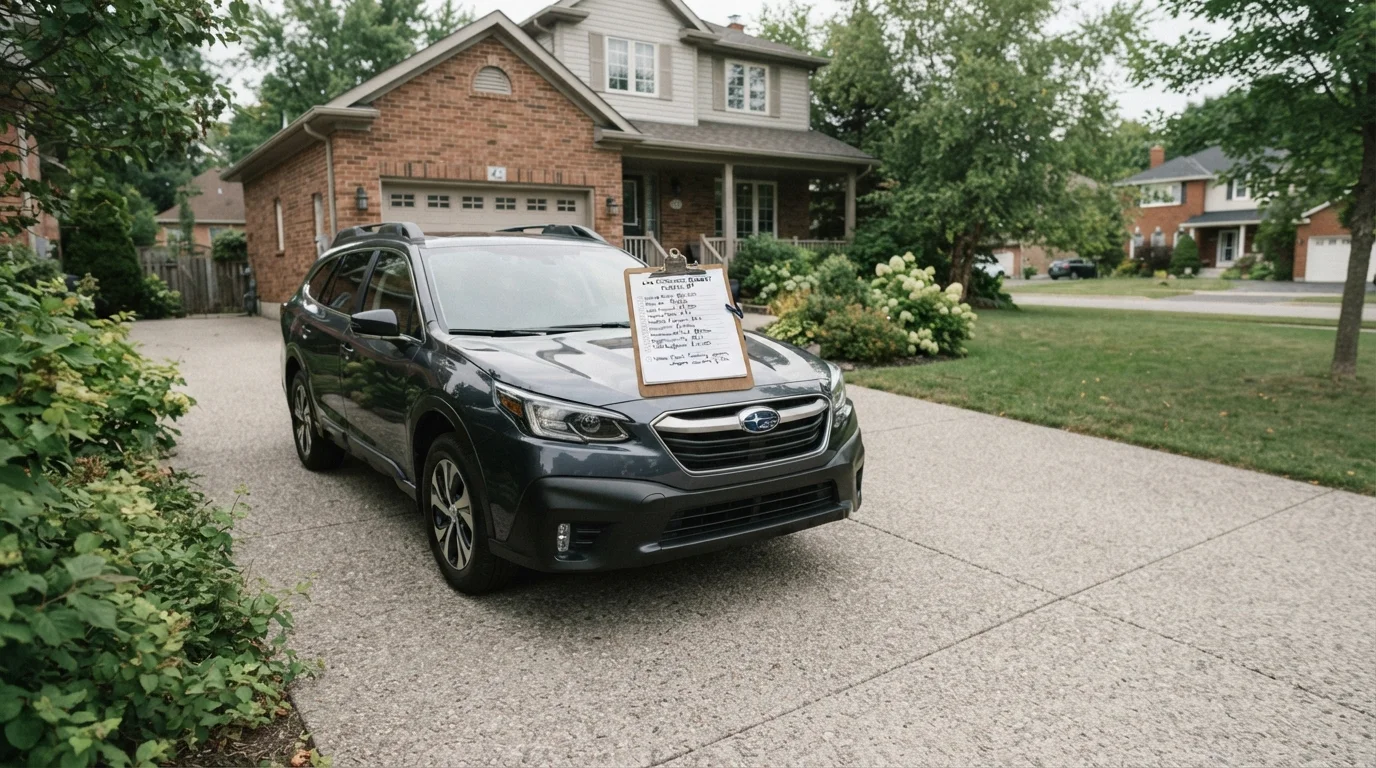
It's easy to feel like a car that isn't being driven isn't costing you anything. No gas, no wear and tear - what's the harm? But the reality is that vehicle ownership carries a set of fixed costs that run continuously, month after month, regardless of whether the car moves an inch.
For drivers who work from home, live in walkable areas, or own a second vehicle that rarely gets used, these costs can be surprisingly steep relative to the actual utility they receive. Understanding what you're paying - and why - is the first step toward making a smarter decision about whether to keep the car or explore other options.
The true cost of owning a car extends well beyond what you paid at purchase. For infrequent drivers, those post-purchase costs hit especially hard.
Fixed Costs That Don't Care How Far You Drive
Several major ownership expenses are essentially immune to how often you use the vehicle:
- Insurance: Most standard auto insurance policies charge a flat annual or monthly premium. Unless you're enrolled in a pay-per-mile program, you're paying the same whether you drive 500 miles or 15,000 miles per year.
- Registration and fees: State registration, titling renewals, and emissions testing (where required) are annual obligations tied to ownership, not usage.
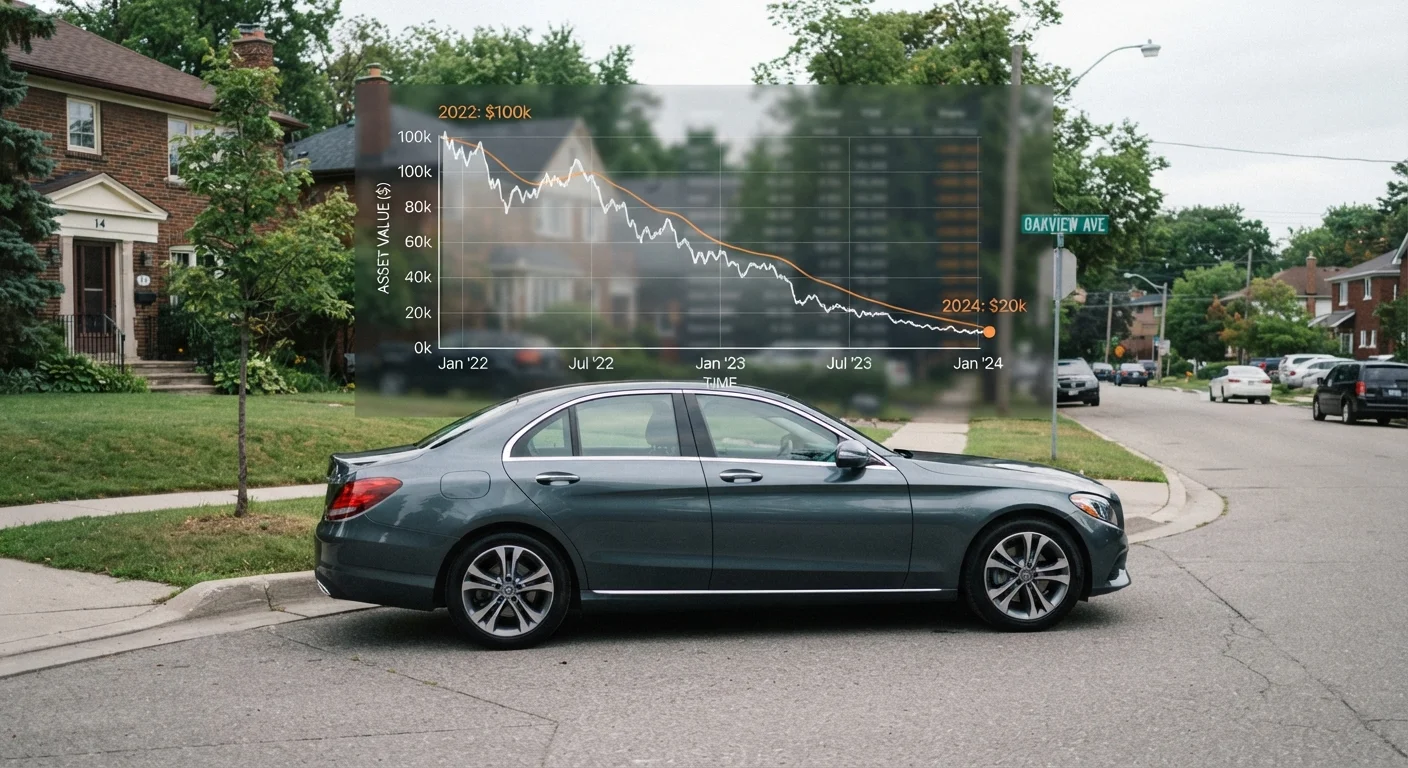
- Depreciation: A vehicle loses value based primarily on age and market conditions. Depreciation works on a clock, not just an odometer. A car parked in a garage still loses roughly the same percentage of value each year as one being driven regularly.
- Loan payments or capital opportunity cost: If you financed the vehicle, monthly payments continue regardless of use. If you paid cash, that capital is tied up and unavailable for other purposes.
- Parking and storage: Whether it's a rented parking space in an urban building or a climate-controlled storage unit, these costs are easy to overlook in a monthly budget.
~$12,000
Average annual cost to own and operate a vehicle
According to AAA's annual 'Your Driving Costs' study, the average American spends roughly this amount per year on vehicle ownership and operation, much of which is fixed regardless of mileage.
15-25%
Value a new car can lose in its first year
Industry estimates suggest new vehicles commonly depreciate by this range in the first year of ownership, a loss that occurs whether the car is driven regularly or rarely.
~$1,000+
Annual registration and fees for many U.S. drivers
Registration costs vary significantly by state, but many drivers in states like California or Virginia pay well over $500-$1,000 annually in combined registration and associated fees.
The Hidden Mechanical Cost of Inactivity
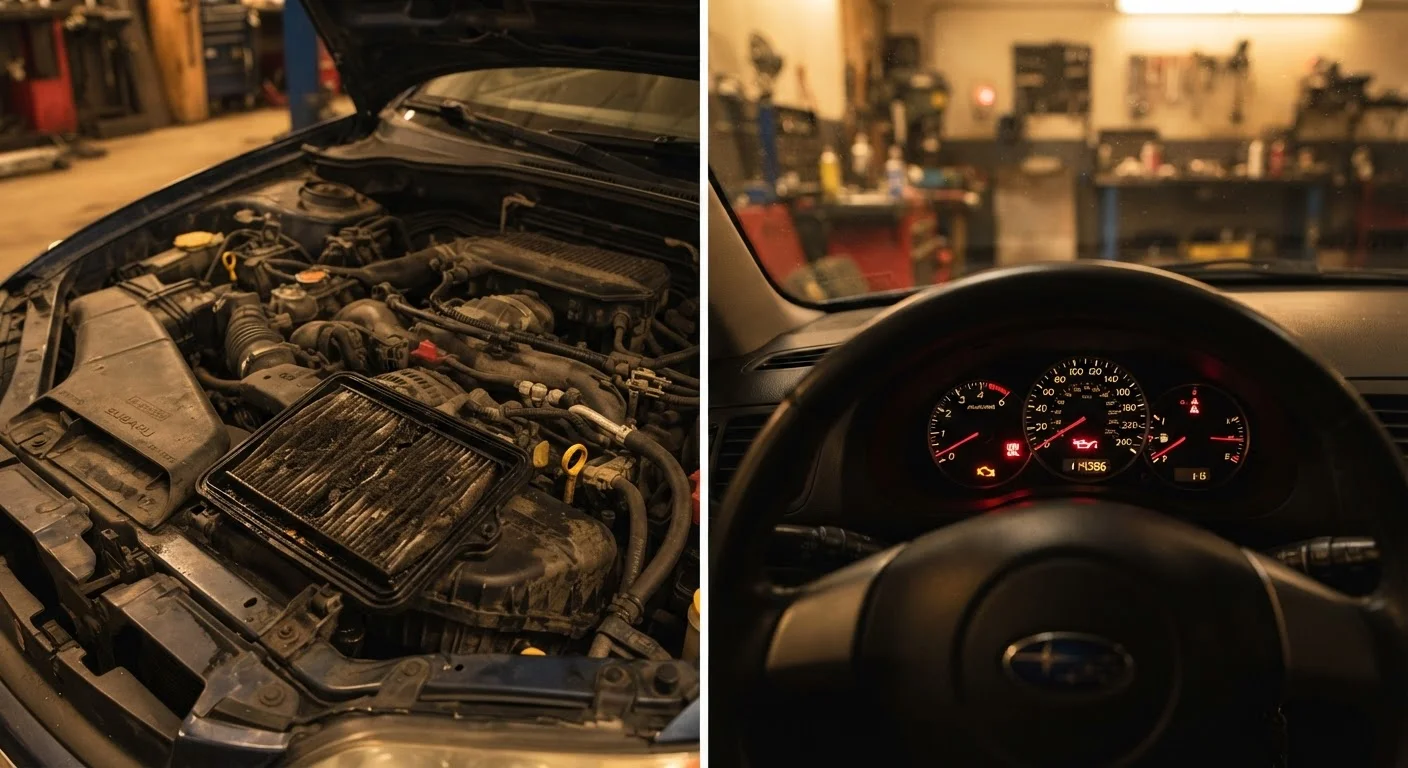
Many owners assume that not driving preserves their car. In reality, extended inactivity creates its own category of mechanical risk. Tires can develop flat spots from sitting in the same position for weeks. Brake rotors can develop surface rust that affects stopping performance. Batteries discharge without regular use. Fuel can degrade over several months, especially ethanol-blended gasoline.
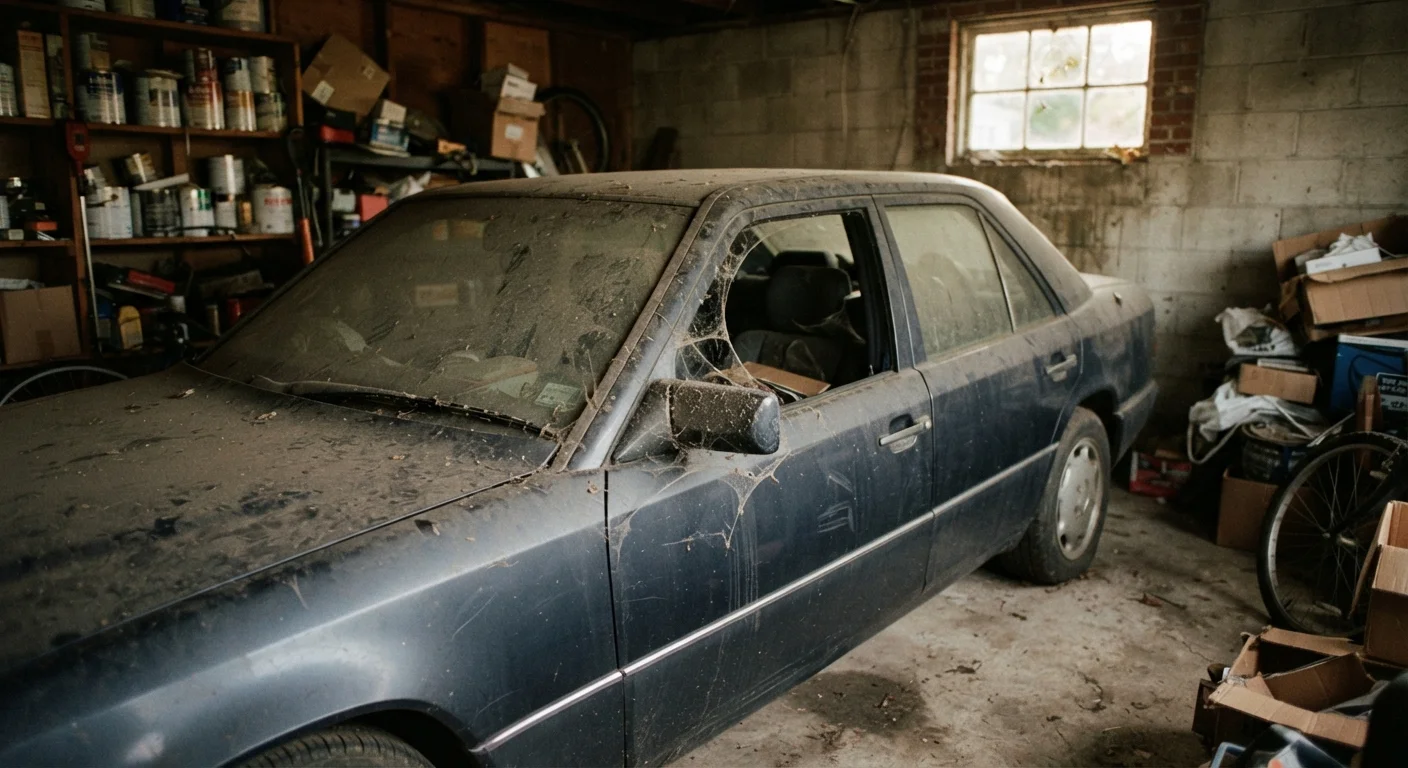
Rubber seals and gaskets can dry out, and rodents may find their way into an inactive engine bay. These aren't hypothetical scenarios - they're among the most common issues mechanics see when a vehicle is brought in after months of sitting idle.
Deferred maintenance compounds over time, and a rarely driven car still needs periodic attention to avoid costly surprises.
Keep an Idle Car From Deteriorating
If you must store a vehicle for an extended period, use a battery tender to prevent discharge, keep the tires properly inflated, and consider a fuel stabilizer if the tank will sit full for more than a month. Moving the car periodically - even a short drive - helps keep fluids circulating and brakes from corroding.
Evaluating Whether Ownership Still Makes Sense
If you're logging very few miles annually, it's worth doing an honest accounting of what the vehicle actually costs versus what alternatives might provide. Add up your annual insurance premium, registration fees, any loan payments, and an estimate of depreciation for the year. Factor in parking or storage if applicable.
Then consider what rideshare, car-share services, or occasional rentals would cost for the number of trips you actually take. For many low-mileage owners - especially those in areas with transit options - the math can shift significantly in favor of alternatives. Leasing is another option worth examining for drivers whose needs are predictable but infrequent.
This isn't a case for any single answer. Some people genuinely need the security and flexibility of a personal vehicle even if they rarely use it. But that decision should be made with a clear picture of what ownership is actually costing, not the assumption that a parked car is a free car.
For a broader view of how transportation spending can slip through the cracks, see why monthly transportation costs are harder to track than most people expect.
This article is for general informational and educational purposes only. It does not constitute financial, insurance, or legal advice. Readers should consult qualified professionals before making decisions about their specific financial situation or vehicle coverage.