The Hidden Complexity Behind a 'Simple' Budget Category
Ask most people what they spend on transportation each month and they'll cite one number: the car payment. Maybe they'll add insurance. But the actual cost of getting around is scattered across a dozen line items-fuel fill-ups, quarterly registration fees, an unexpected tire replacement, parking apps, bridge tolls, and the occasional rideshare. None of these feel like 'transportation' in the moment; they feel like separate, minor transactions. That's exactly why the category consistently blows budgets.
Understanding where the accounting breaks down is the first step to fixing it. The mistakes below are the most common traps-and each one has a straightforward workaround. For a broader look at how transportation fits into your overall spending picture, see where your paycheck actually goes each month.
Common Mistakes That Distort Your Transportation Budget
The errors below aren't about carelessness-they're structural. The way transportation expenses are timed, categorized, and perceived makes accurate tracking genuinely difficult without a deliberate system.
Tracking only the car payment and insurance while ignoring variable costs like fuel, parking, and tolls.
Why it happens: Fixed monthly charges are easy to see on a bank statement; variable costs blend into daily spending and feel categorically different in the moment.
Treating infrequent costs-registration, inspections, tires-as one-time surprises rather than predictable annual expenses.
Why it happens: These charges arrive quarterly or annually, so they don't feel 'monthly.' When they hit, they're absorbed as emergencies rather than planned costs.
Ignoring depreciation because it doesn't appear on a bank statement.
Why it happens: Depreciation is an invisible cost-no charge clears your account-so most budgets simply omit it, which causes people to dramatically understate the real cost of ownership.
Assuming a car-free or hybrid mobility setup is automatically cheaper without actually tracking its costs.
Why it happens: People associate car ownership with expense and assume anything else is frugal. But frequent rideshare use or multiple transit subscriptions can approach or exceed car ownership costs in some markets.
Relying on a single spending category label ('Auto') without subcategories, making it impossible to identify where overruns occur.
Why it happens: Most budgeting apps default to broad categories. Without subcategories, a fuel spike and a repair bill look identical-and neither can be acted on specifically.
~$12,000
Average annual vehicle ownership cost
The American Automobile Association (AAA) has estimated that average annual vehicle ownership costs-including depreciation, fuel, insurance, and maintenance-regularly exceed $10,000-$12,000 for a typical sedan.
30-40%
How much drivers underestimate transportation costs
Consumer budgeting research consistently finds that households underestimate transportation spending by roughly 30-40% when relying on memory rather than a formal tracking system.
Building a More Accurate Transportation Ledger
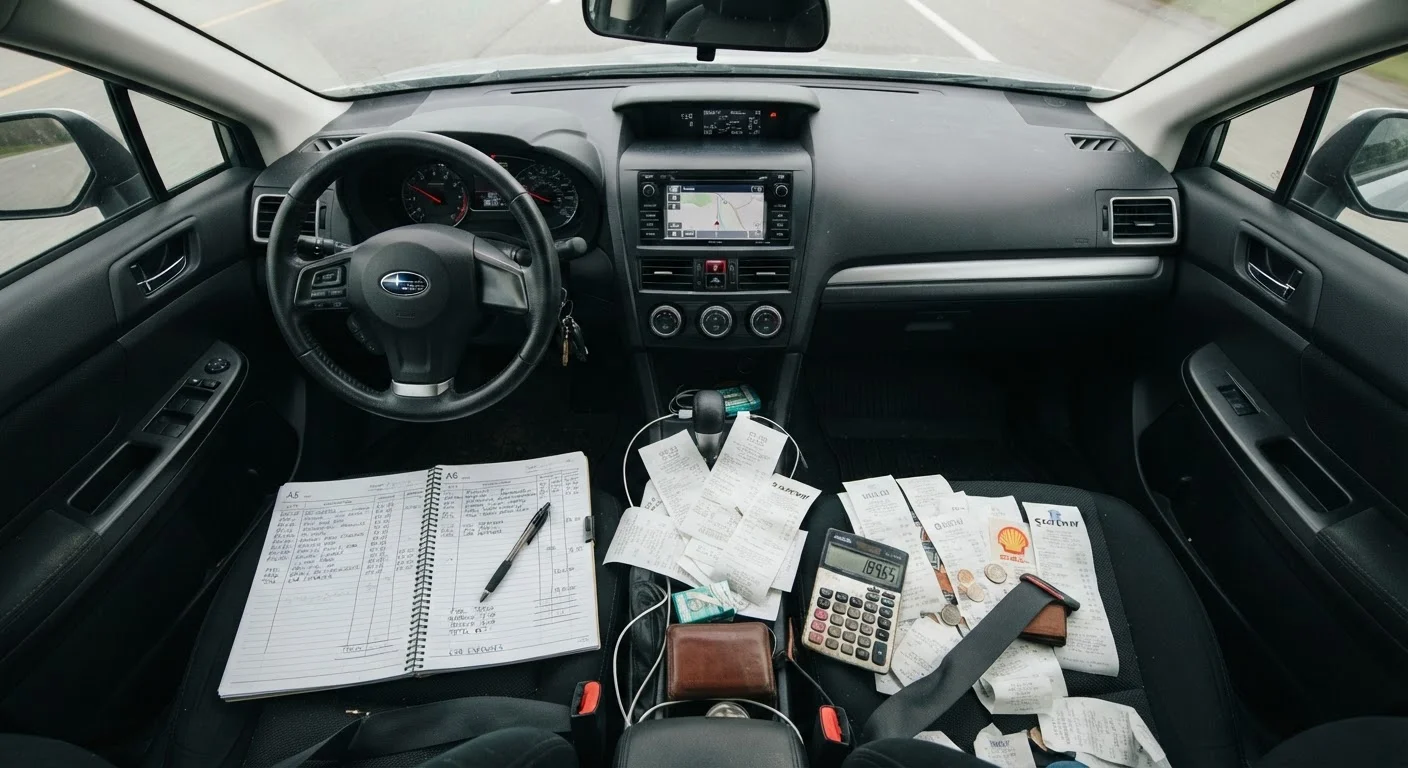
The fix isn't complicated, but it does require a shift in habit. Start by listing every transportation-related expense from the past three months-not just recurring charges, but every fill-up, parking charge, toll, and repair receipt. Annualize irregular costs (registration, inspections, tire rotations) and divide by 12 to get a true monthly figure.
Don't Forget Insurance Costs Can Change
Auto insurance premiums are not permanently fixed-they adjust at renewal based on your driving record, location, vehicle age, and insurer pricing models. A premium that fit your budget last year may not reflect what you'll pay next term. Review your policy details before each renewal period and understand what factors affect your rate. For a plain-language explanation of how premiums and deductibles interact, the policy costs explained hub is a useful starting point.
If you're considering reducing or eliminating car ownership, the same discipline applies. Transit passes, carshare memberships, and rideshare credits all need to be tracked and budgeted. Structuring a car-free budget requires just as much intentionality as owning a vehicle-the categories simply change.
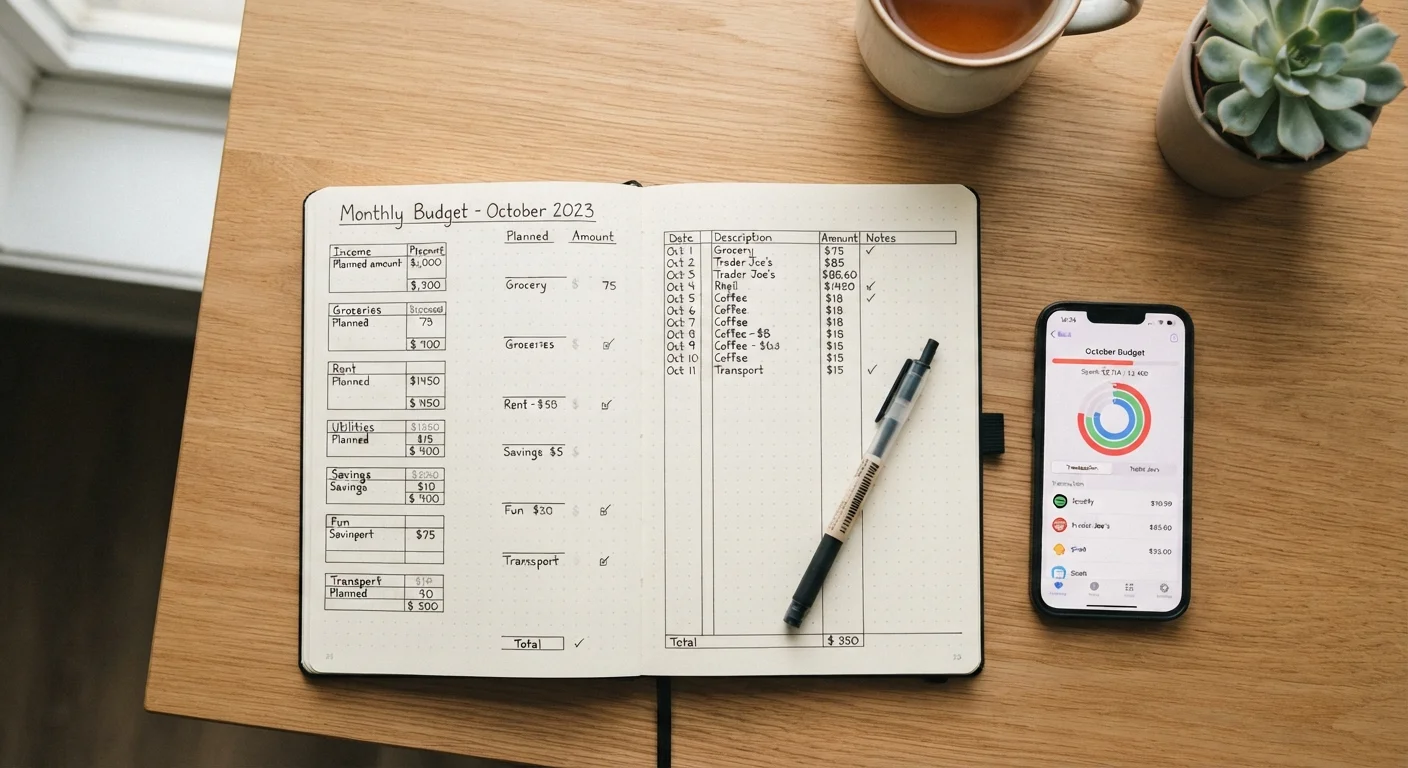
For the mechanics of tracking itself-whether to use an app or a notebook-compare the tradeoffs of tracking by hand versus using an app before committing to a system. And for a full accounting of what vehicle ownership actually costs annually, see the complete breakdown of car ownership costs including depreciation and financing.
This article is for general informational and educational purposes only and does not constitute financial or legal advice. Consult a qualified financial professional for guidance specific to your situation.