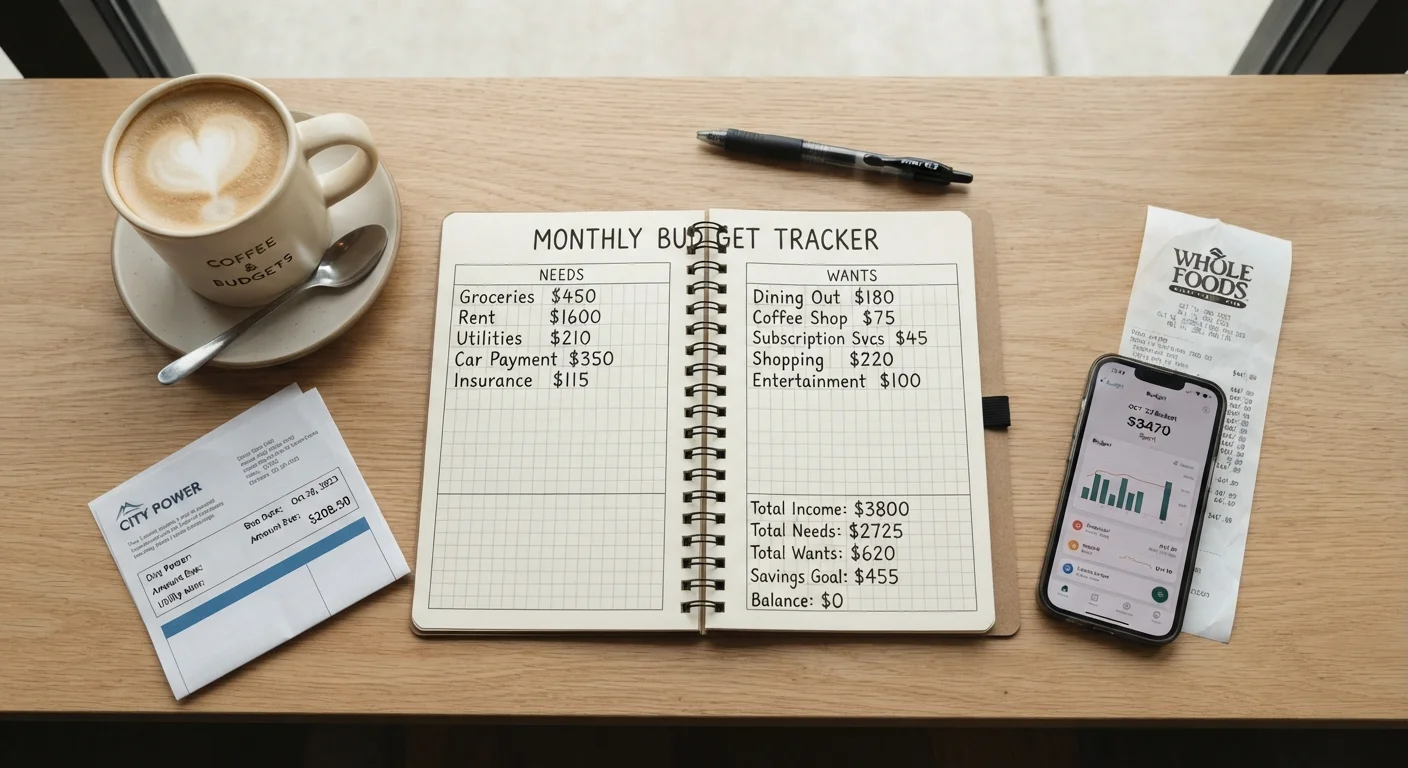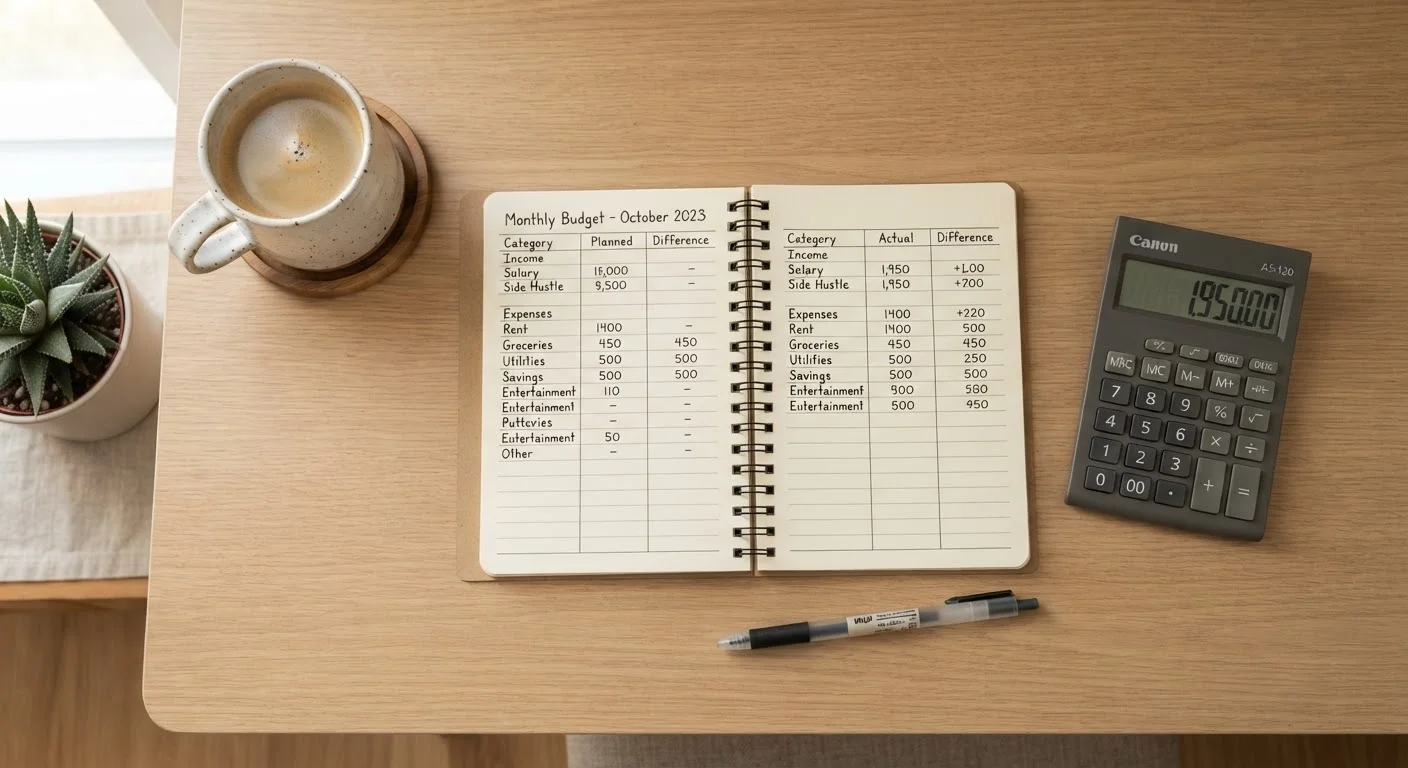
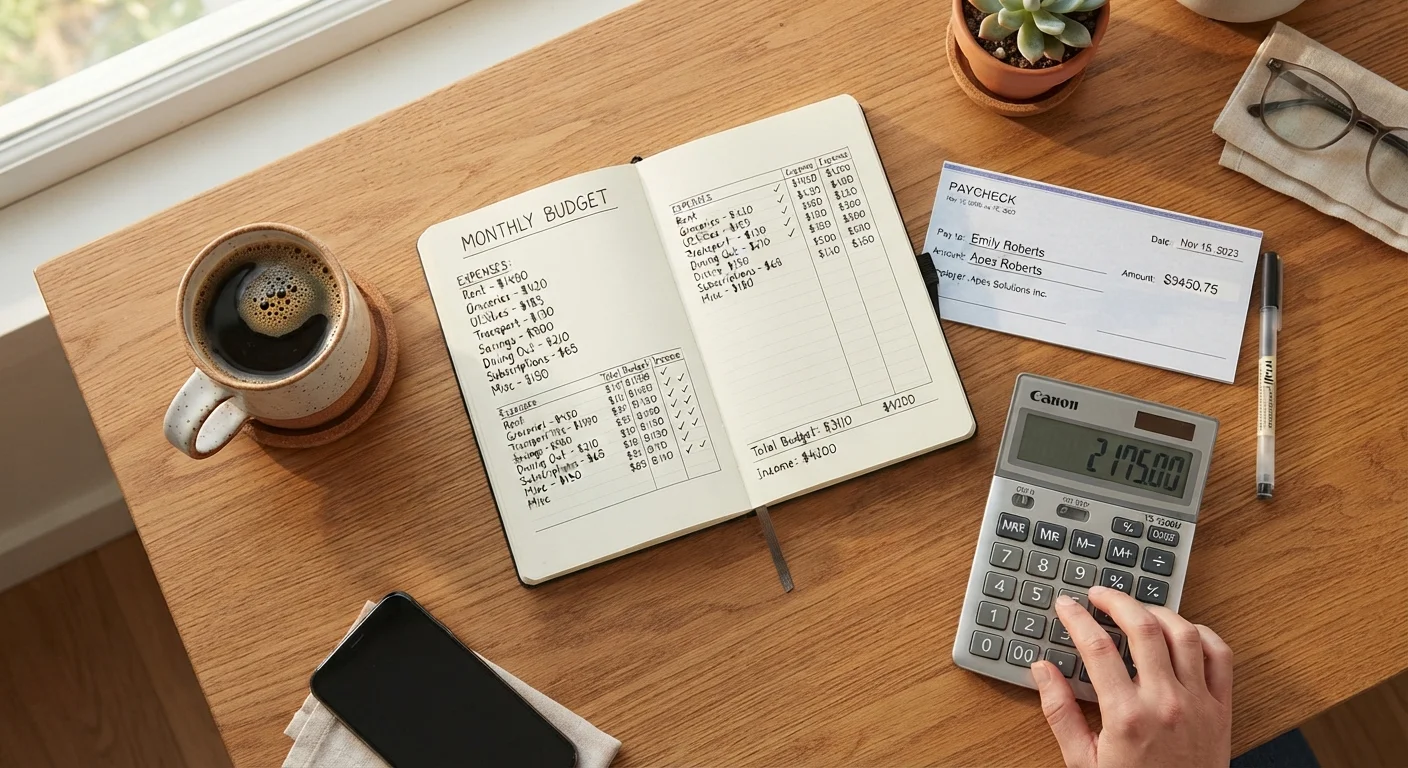
The Five Core Buckets of a Typical Paycheck
Before you can improve your budget, you need an honest map of where your money is already going. For most American households, take-home pay flows into five broad buckets:
- Housing - rent or mortgage, renters or homeowners insurance, utilities, and property taxes
- Transportation - car payments, fuel, insurance, maintenance, or public transit costs
- Food - groceries, dining out, and coffee or takeout runs
- Savings and debt repayment - emergency fund contributions, retirement accounts, credit card payments, and student loans
- Discretionary spending - subscriptions, entertainment, clothing, hobbies, and personal care
Most people underestimate one or more of these categories because they track their big bills carefully but lose sight of smaller, frequent purchases. A clear category breakdown solves that blind spot.
33%
Average share of income spent on housing
According to the U.S. Bureau of Labor Statistics Consumer Expenditure Survey, housing consistently represents the largest single spending category for American households.
~$3,000
Average annual household food spending
The BLS Consumer Expenditure Survey estimates American households spend roughly $3,000 per year on food away from home, separate from grocery costs.
20%
Savings and debt repayment target
The widely referenced 50/30/20 budgeting guideline recommends directing at least 20% of after-tax income toward savings and debt repayment.
Fixed vs. Variable: Why the Distinction Matters
Not all expenses behave the same way, and understanding the difference helps you know where you actually have control.
Fixed expenses are predictable and consistent - your rent is the same in January as it is in August. Because they don't change, the only way to reduce them is to renegotiate or restructure them (refinancing a loan, moving to a less expensive place). That takes planning and time.
Variable expenses change month to month. Groceries, gas, dining out, and entertainment all fluctuate with your habits and circumstances. This is where most budget adjustments happen - and where most overspending hides. A weekend of social plans, a few impulse online orders, or a string of convenience meals can quietly absorb hundreds of dollars without triggering a single large purchase you'd notice.
Try a One-Month Spending Snapshot First
If building a full budget feels overwhelming, start smaller: just track and categorize every transaction for one month without trying to change anything yet. The goal is visibility, not perfection. Once you see your real spending patterns in black and white, setting realistic targets becomes much easier.
Separating your transactions into fixed and variable columns - even just once - often immediately surfaces opportunities to spend more intentionally. See how to draw the line between needs and wants for a deeper look at this process.
How to Map Your Actual Spending in 30 Minutes
Guessing your spending by category rarely produces accurate results. Here's a simple process that works:
- Pull statements: Download or view the last 30 days of transactions from every bank account and credit card you use.
- Label each transaction: Assign every charge to one of your five core categories. When in doubt, ask: is this a need or a discretionary choice?
- Total each category: Add up the spending per group. Compare each total to your take-home pay.
- Calculate percentages: Divide each category total by your take-home pay to see what share of your income each one consumes.
This exercise almost always produces a surprise - frequently in the food, subscription, or convenience spending categories. Once you see the numbers, you can use a framework like the 50/30/20 rule to set targets that reflect both your income and your priorities. From there, the monthly budget reset process gives you a repeatable structure for keeping those numbers in check going forward.
Common Budget Leaks - and Where to Start Looking
Once your categories are mapped, a few patterns tend to show up repeatedly in household budgets:
- Subscription creep: Streaming services, app subscriptions, gym memberships, and digital tools accumulate quietly. Many households are paying for services they rarely use.
- Convenience spending: Takeout, delivery fees, and last-minute purchases often cost significantly more per unit than planned alternatives.
- Irregular but predictable expenses: Car registration, annual insurance premiums, and holiday spending catch many budgets off guard because they aren't monthly - but they're not really surprises either. Dividing annual costs by 12 and setting that amount aside each month smooths out these lumps.
For a more structured review, the monthly budget audit checklist walks you through catching these issues category by category. And if food spending is a recurring pressure point, understanding where grocery dollars actually go can help you find realistic reductions. You can also explore broader saving strategies for cutting costs across everyday expenses.
Percentages Are Benchmarks, Not Rules
Frameworks like 50/30/20 are useful starting points, but they weren't designed for every income level or cost-of-living situation. Someone in a high-rent city or managing significant debt may need to allocate differently. Use percentage targets as a compass, not a rigid mandate - the goal is a budget that reflects your actual life while moving you toward your financial goals.
This article is for general informational and educational purposes only and does not constitute personalized financial advice. For guidance specific to your situation, consider consulting a qualified financial professional.