
Why Grocery Budgets Quietly Swell
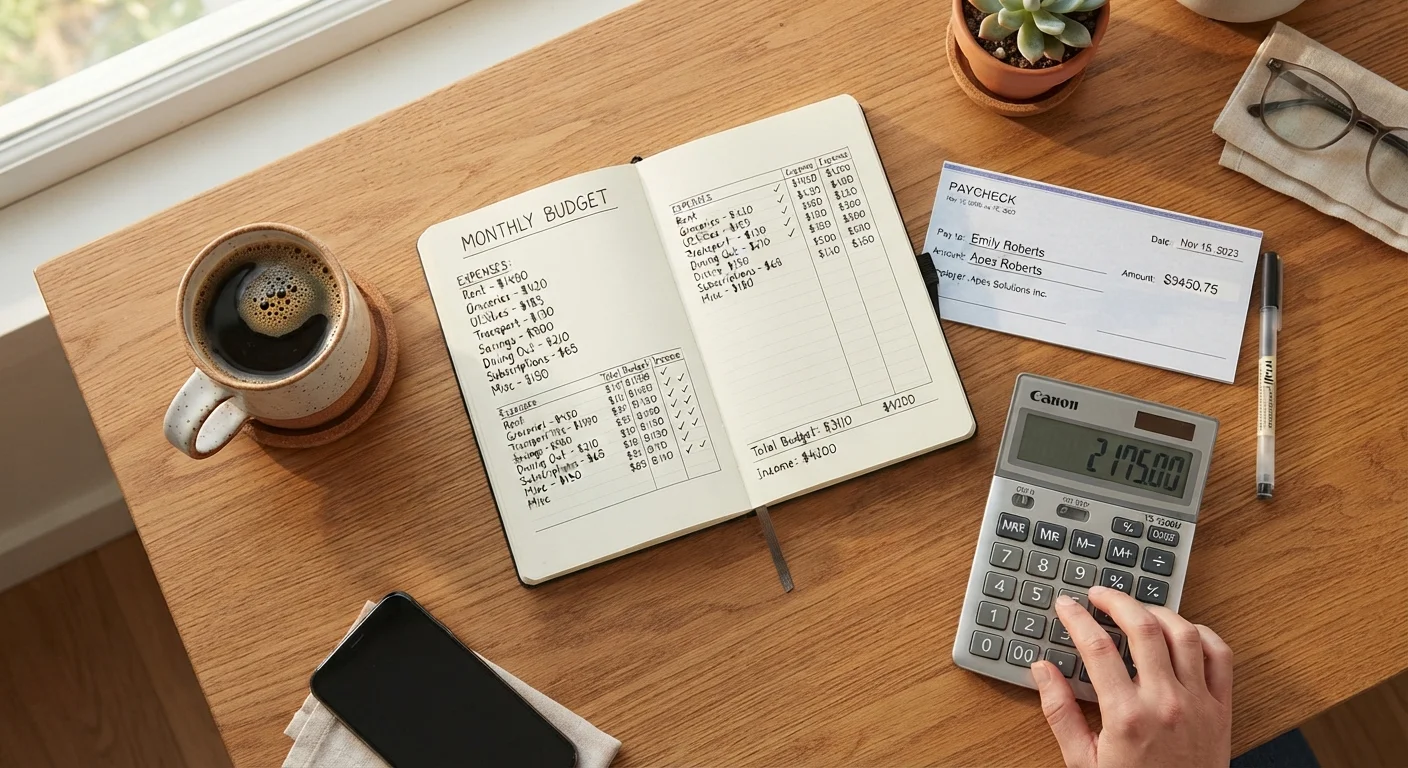
Groceries are one of the few spending categories most households revisit multiple times a week, which makes them both a significant budget line and an easy one to lose track of. Unlike a fixed bill, grocery spending fluctuates based on dozens of small in-the-moment decisions. Understanding where your spending categories actually land is the starting point for getting any of them under control.
The frustrating truth is that grocery overspending rarely comes from a single big mistake. It accumulates through patterns - habitual choices that feel small individually but add up to real dollars over the course of a month. The mistakes below are the most common culprits.
Shopping without a list or a meal plan.
Why it happens: Most people head to the store with a general idea of what they need, relying on memory and in-store prompts to fill the cart. Store layouts are deliberately designed to encourage unplanned purchases.
Paying a premium for convenience packaging and pre-prepped produce.
Why it happens: Pre-washed salad mixes, pre-cut vegetables, and single-serving portions save time, and time is genuinely scarce for busy households. The cost difference isn't always obvious at a glance.
Overbuying perishables based on optimistic plans that don't happen.
Why it happens: It's easy to envision cooking ambitious meals at the start of the week. Life intervenes, and produce ends up in the trash by the weekend.
Ignoring store brands and generic alternatives.
Why it happens: Brand familiarity creates a perception of quality difference that often doesn't exist in practice - particularly for pantry staples, canned goods, and basic dairy.
Shopping hungry or in a hurry, leading to impulsive additions.
Why it happens: Hunger and time pressure both reduce decision-making quality. Studies in consumer behavior consistently show that shopping while hungry leads to higher spend across food categories.
Practical Habits That Trim the Bill Without Much Sacrifice
Cutting grocery costs sustainably isn't about deprivation - it's about replacing low-awareness habits with slightly more deliberate ones. Meal planning is the single highest-leverage change most households can make. It addresses waste, impulse buying, and over-purchasing simultaneously. Our guide to eating well on a budget connects meal planning directly to nutritional goals, which matters for households trying to do both at once.
Food Waste Is a Hidden Budget Drain
The USDA estimates that American households waste between 30 and 40 percent of their food supply. That waste represents real money spent on groceries that never get eaten. Reducing food waste through planning and proper storage is one of the most direct ways to lower your effective grocery bill without changing what you buy.
Store loyalty apps, digital coupons, and weekly sales circulars are worth engaging with - but only for items already on your list. Using a sale as a reason to buy something unplanned is a spending trap, not a savings strategy. For a broader look at how these dynamics play out across spending categories, see our overview of spending traps hidden in plain sight.
Bulk Savings Can Backfire
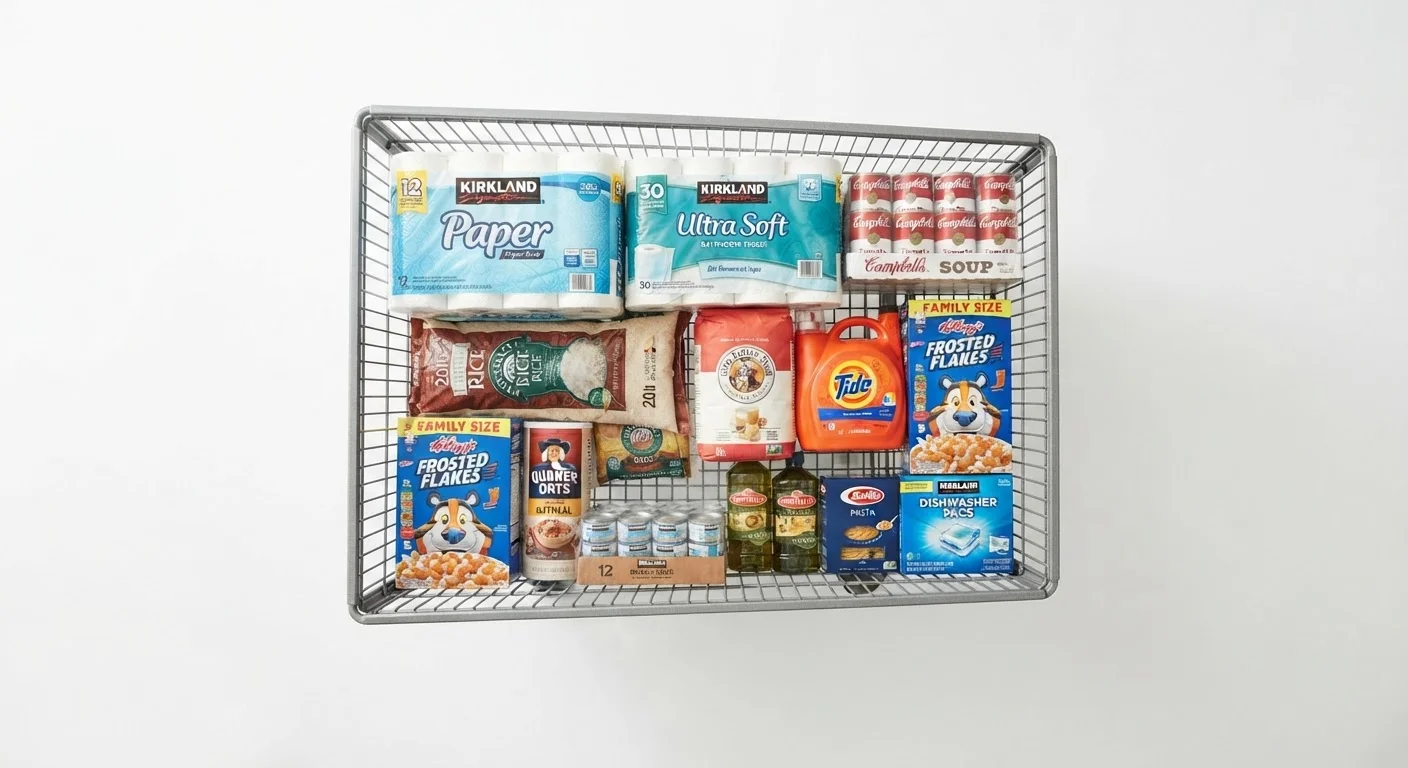
Buying larger quantities feels economical, but the per-unit price advantage disappears if perishables spoil before you use them. Before buying in bulk, assess your household's realistic consumption rate and storage capacity. Our guide to bulk buying walks through when the math actually works in your favor.
If your household budget is especially tight, the calculus on some of these habits shifts. Saving money when the margin is thin requires a different set of priorities - and that article addresses the specific constraints lower-income households face. Grocery spending doesn't exist in isolation either; reviewing your full smarter spending habits across categories often reveals where grocery dollars can stretch furthest.
~$270
Average weekly U.S. household grocery spend
According to Gallup polling data, American households report spending roughly this amount on food consumed at home each week, though figures vary by household size and region.
30-40%
Estimated U.S. household food waste rate
The USDA estimates this share of the food supply is lost or wasted at the consumer level, representing significant unnecessary grocery spending.
Up to 25%
Price premium for pre-cut produce
Consumer research has found that pre-cut and pre-packaged produce can cost substantially more per unit weight compared to whole equivalents at the same store.
This article is for general informational and educational purposes only. It does not constitute personalized financial advice. Readers should consider their own circumstances and consult a qualified financial professional for guidance tailored to their situation.