Why Budget-Friendly and Nutritious Aren't Opposites
A persistent myth in American food culture is that eating healthfully costs more. In reality, many of the most nutrient-dense foods - dried beans, oats, eggs, canned fish, frozen vegetables - are among the least expensive items in any grocery store. The challenge isn't usually cost; it's knowing which foods to prioritize and how to structure a shopping approach that avoids common money drains.
Research consistently shows that heavily processed convenience foods and frequent restaurant meals account for a disproportionate share of household food spending, often without delivering equivalent nutritional value. Shifting even a portion of that spending toward whole, minimally processed ingredients tends to improve both the nutritional quality and cost-efficiency of what a household eats. For a broader look at balanced meal principles, our article on building a balanced plate is a useful companion read.
It's also worth noting that no single food or ingredient is a magic solution. Good nutrition on a budget is the result of consistent, small habits - not dramatic overhauls. Understanding that cutting out entire food groups usually backfires is an important part of that mindset.
This Is General Information, Not Medical Advice
The guidance in this article is intended as general nutrition education for healthy adults. It is not a substitute for personalized medical or dietary advice. If you have a health condition, food allergy, or specific nutritional concern, please consult a registered dietitian or your healthcare provider before making significant dietary changes.
What You'll Need Before You Start
What you will need
Weekly meal planner or notebook
Map out meals before shopping to avoid impulse buys and reduce food waste.
Grocery store app or circular
Check weekly sales and digital coupons before writing your shopping list.
Reusable containers or freezer bags
Store batch-cooked meals and preserve bulk purchases to extend shelf life.
Kitchen scale or measuring cups
Helps with portion awareness and stretching ingredients further across meals.
The Freezer Is Your Budget Ally
Frozen fruits and vegetables are picked and frozen at peak ripeness, preserving most of their nutrient content. They're typically less expensive than fresh out-of-season produce and generate no spoilage waste - making them one of the most practical tools for budget-conscious healthy eating.
Step-by-Step: Eating Well Without Overspending
Build your meals around affordable nutrient-dense staples
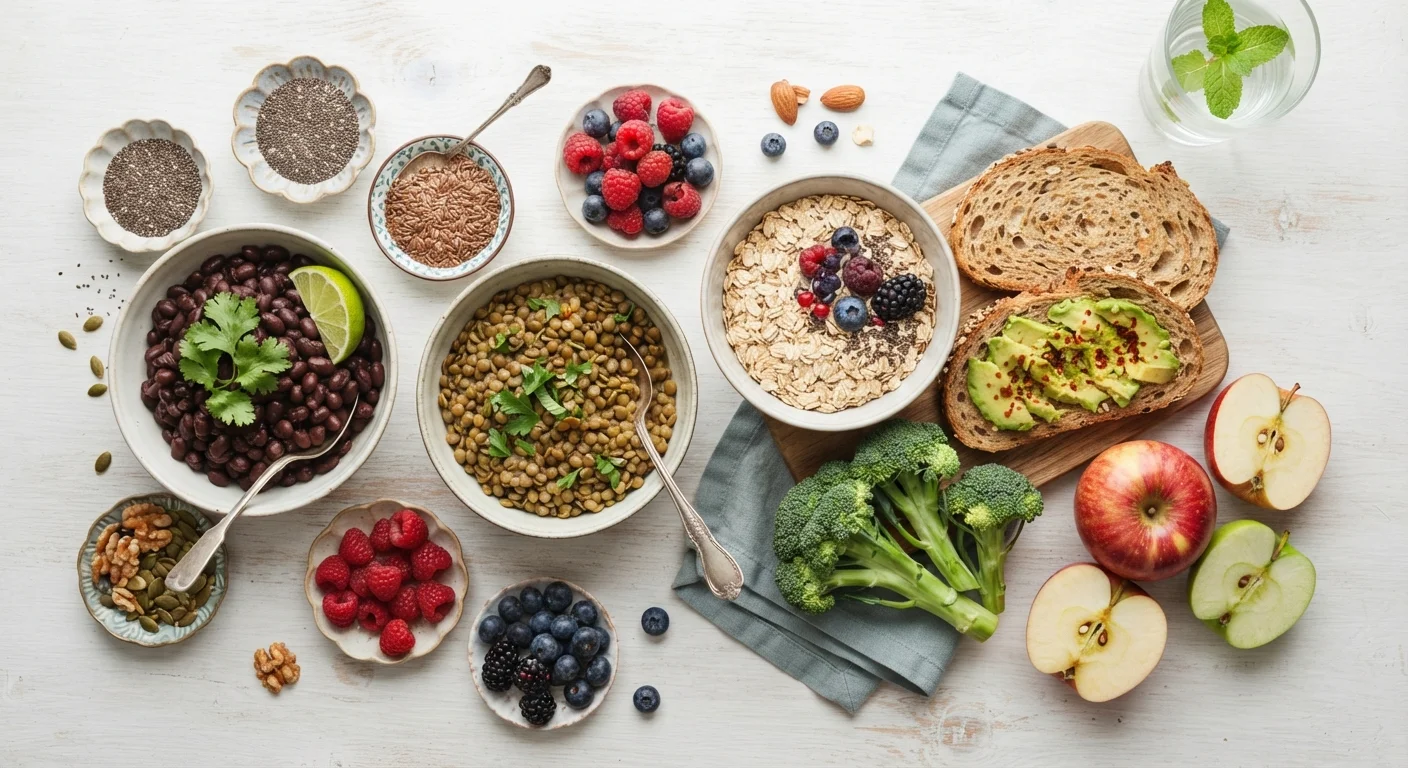
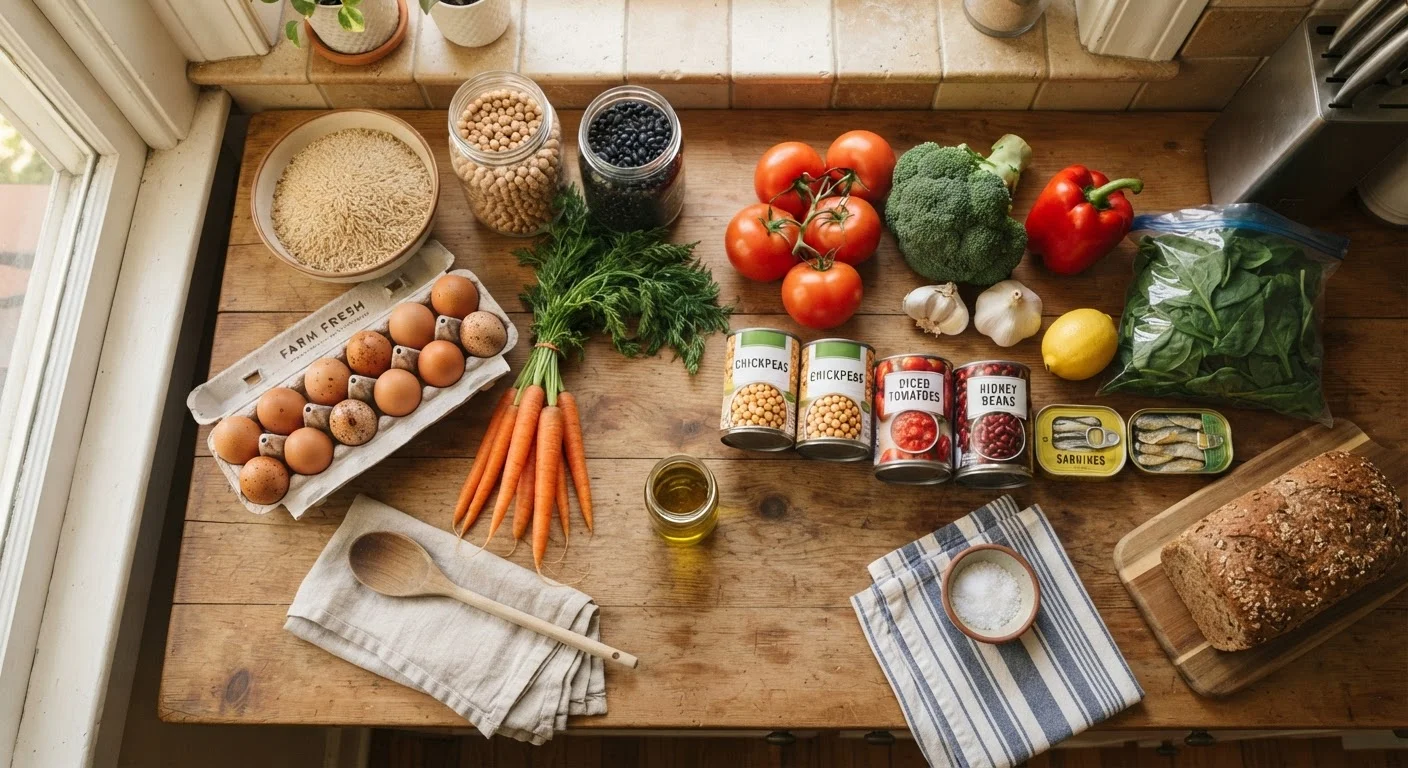
Start by anchoring your weekly meals to foods that deliver strong nutritional value per dollar. Dried or canned legumes (beans, lentils, chickpeas), whole grains (oats, brown rice, barley), eggs, canned fish, and frozen vegetables consistently rank among the most cost-effective nutrient sources available in U.S. grocery stores.
These foods supply protein, fiber, complex carbohydrates, vitamins, and minerals without requiring a premium price. A meal built on lentils and brown rice, for example, provides protein, iron, and substantial fiber at a fraction of the cost of a comparable meat-centered dish. For more on how affordable staples can fill nutritional gaps, see our guide to dietary fiber.
Plan meals for the week before you shop
Without a plan, grocery shopping tends to follow impulse rather than intention - leading to both overspending and underused ingredients that spoil. Before your next shopping trip, sketch out a rough meal plan for the week: breakfasts, lunches, dinners, and any snacks you regularly reach for.
From that plan, build a specific shopping list. Buying only what you intend to use is one of the most reliable ways to keep costs down. Our article on where grocery budgets quietly leak breaks down common spending patterns worth reviewing.
Compare unit prices, not package prices
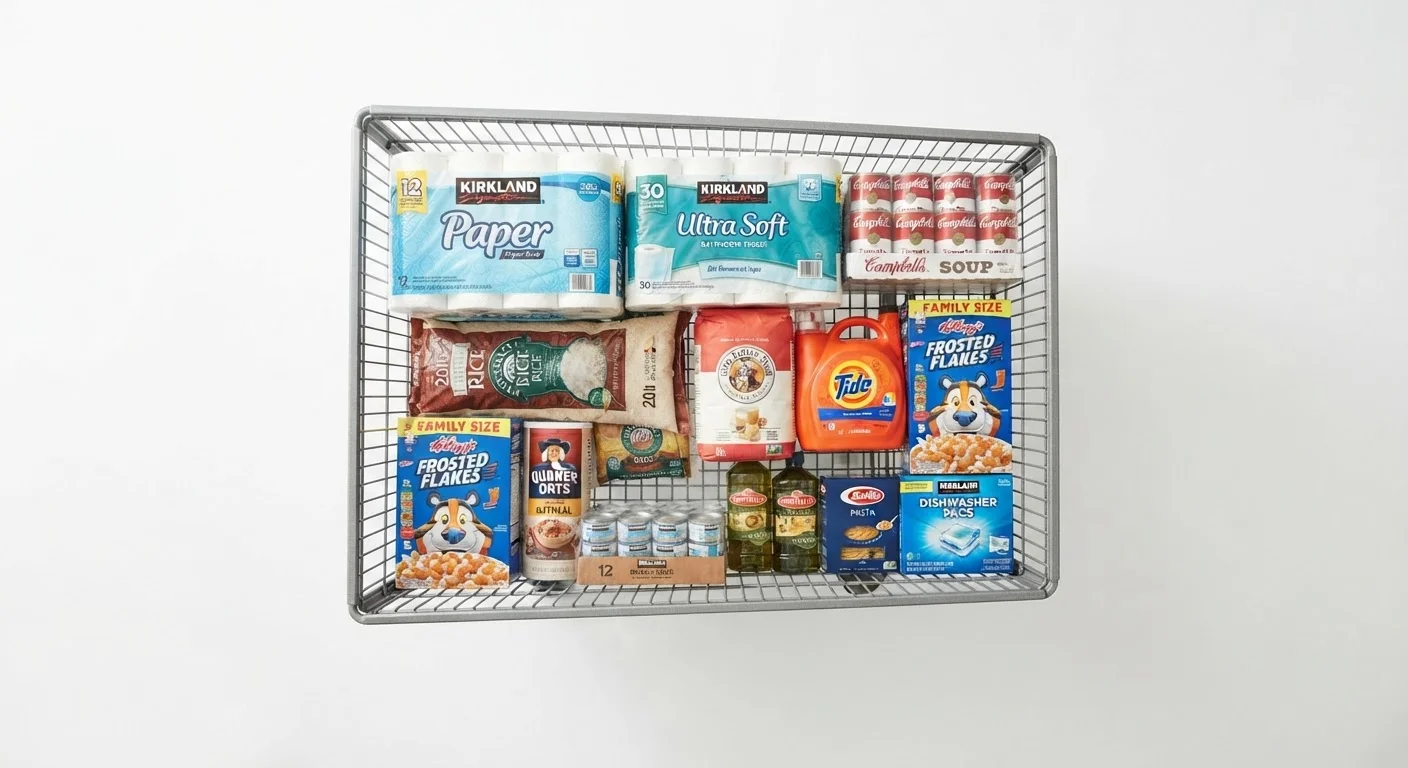
Shelf tags in most grocery stores display a unit price - typically cost per ounce, per pound, or per count - in small print near the product price. This number is what actually tells you which size or brand offers better value. A larger package isn't always cheaper per unit, and a store brand is frequently identical in nutritional content to its name-brand counterpart.
Make a habit of scanning the unit price before choosing between options. This single habit can meaningfully reduce your grocery bill without changing what you eat. For a deeper look at bulk purchasing logic, see when bulk buying actually saves money.
Prioritize seasonal and frozen produce
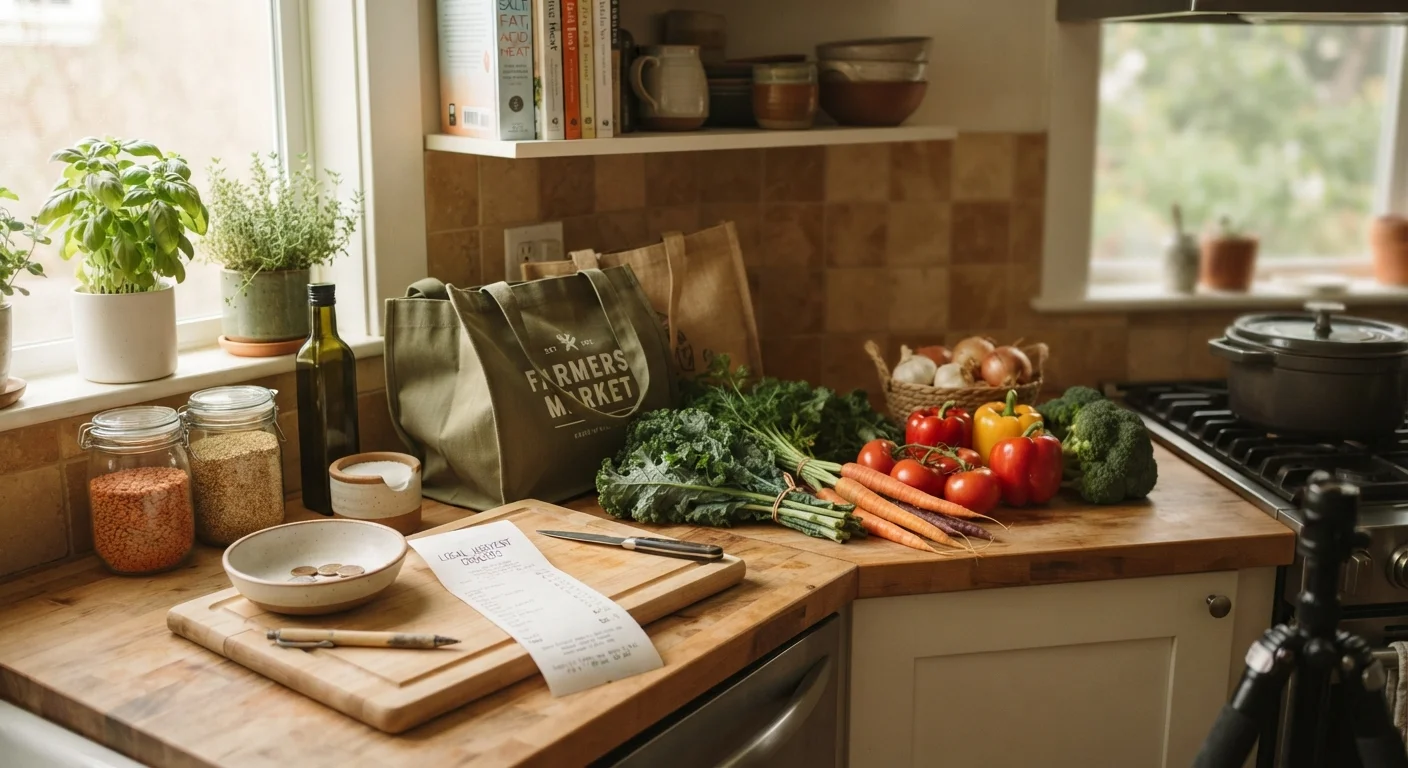
Fresh produce prices fluctuate significantly by season and region. In-season fruits and vegetables cost less, taste better, and are generally at their nutritional peak. Out-of-season produce is often shipped long distances, which drives up cost without improving nutrition.
When fresh isn't practical or affordable, frozen vegetables and fruits are an excellent alternative. They're harvested at peak ripeness and frozen quickly, preserving most of their nutrient content.
Diversify your protein sources
Protein is essential, but it doesn't need to come from expensive cuts of meat at every meal. Eggs, canned tuna or salmon, tofu, cottage cheese, Greek yogurt, and legumes are all protein-rich and substantially more affordable than premium meats. Rotating these into your weekly meals reduces costs while broadening your nutritional intake.
If you're curious about how plant-forward eating affects nutrient balance, our article on plant-based eating trade-offs covers practical considerations without pushing any particular diet style.
Batch cook and use your freezer strategically
Cooking larger portions and storing extras in the freezer reduces both time and money spent over the course of a week. Soups, stews, cooked grains, and bean dishes freeze well and can be reheated on busy evenings when takeout temptation is highest. Batch cooking also reduces the per-meal cost of ingredients by spreading preparation effort across multiple servings.
A well-stocked pantry and freezer also make healthy eating more resilient to busy weeks. For a practical checklist of what to keep on hand, see our guide to stocking a nutritious pantry.
Putting It All Together
Eating nutritiously on a budget is less about finding the perfect diet and more about building a few reliable habits: anchoring meals to affordable staples, planning before shopping, reading unit prices, and using your freezer. None of these require extraordinary effort or cooking skill - they simply require intention.
For households managing tighter financial margins, our article on saving money on a tight budget addresses the broader financial picture. And if you're working on label literacy at the grocery store, reading nutrition labels without a degree is worth bookmarking for your next shopping trip.
Small, consistent choices compound over time - both nutritionally and financially. The goal isn't perfection on either front; it's building a pattern that's sustainable for your household.
This article is for general informational and educational purposes only and does not constitute medical or dietary advice. Consult a registered dietitian or qualified healthcare provider for guidance tailored to your individual health needs.