The Core Logic Behind Bulk Buying
Bulk purchasing is built on a straightforward premise: retailers charge less per unit when you buy more volume, reducing the per-ounce or per-item cost. For consumers trying to stretch every dollar, that discount can be meaningful. But the strategy only works when several conditions align - the right product, the right household, and the right timing.
Understanding when bulk buying serves you well requires looking past the shelf price. As explored in our guide on evaluating real value vs. low price tags, a lower unit cost doesn't automatically mean a smarter purchase. Total cost - including what goes unused - is what actually matters.
Lower cost per unit on non-perishable goods
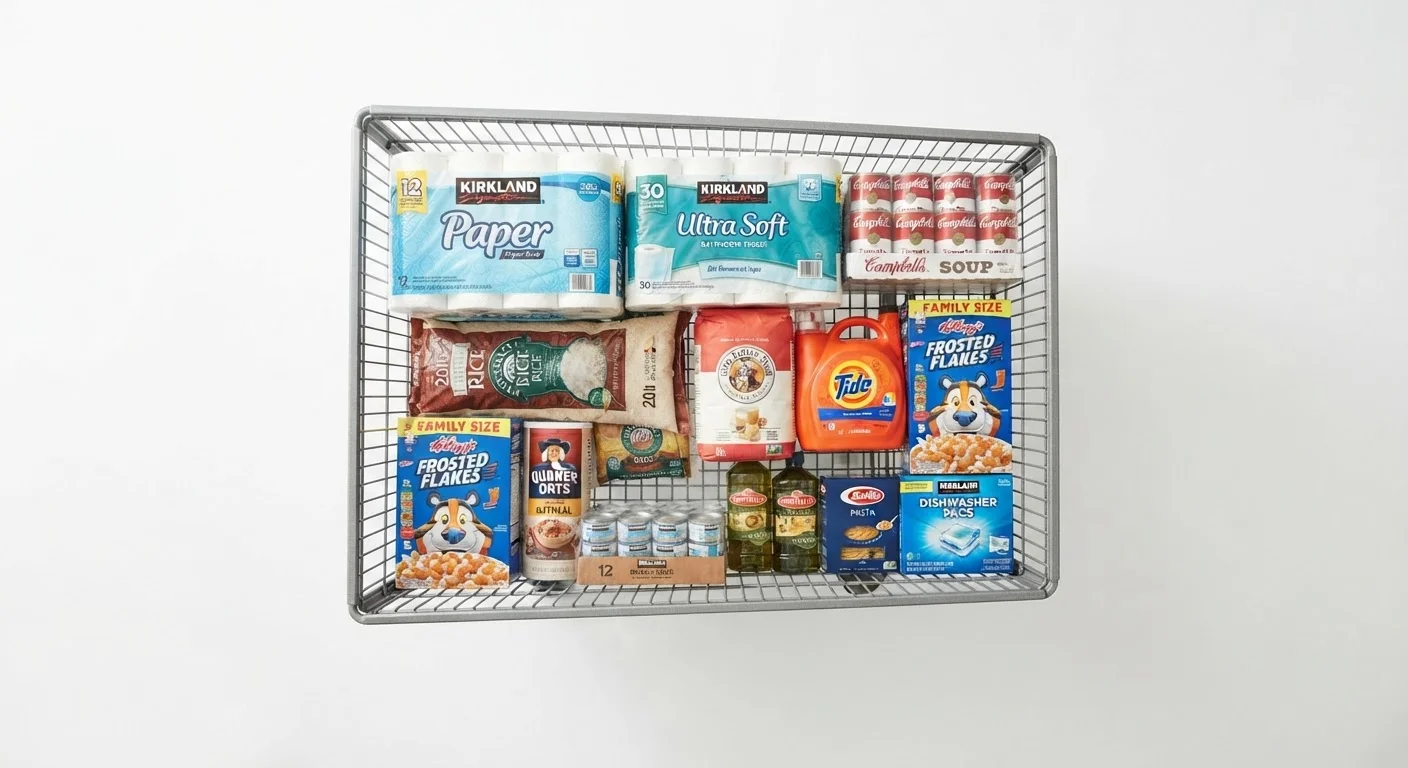
Retailers pass volume discounts to buyers, often resulting in 10-30% lower per-unit costs on staples like paper products, canned goods, and cleaning supplies. Over a year, consistent savings on frequently used items can add up meaningfully.
Fewer shopping trips save time and fuel
Stocking up reduces the frequency of store visits, which cuts both transportation costs and the likelihood of impulse purchases - a secondary saving that is easy to underestimate.
Buffer against price fluctuations
Buying in bulk at today's price protects against future price increases, particularly on commodity-linked products like cooking oil, flour, or cleaning supplies that tend to follow inflation cycles.
Reduces packaging waste for eco-conscious households
Larger containers typically use less packaging per unit of product, which can reduce household waste output and the environmental footprint of routine shopping over time.
Where Bulk Buying Quietly Costs You
The savings narrative around bulk buying is compelling enough that shoppers often overlook the scenarios where it backfires. Food spoilage is the most visible problem: buying a three-pound container of salad greens at a discount delivers zero savings if half goes in the compost bin. The same logic extends to cleaning products with expiration dates, medications, and cosmetics.
There's also a behavioral dimension. Larger quantities can increase consumption - a phenomenon sometimes called "unit bias," where people use more simply because more is available. If a bulk-sized bottle of dish soap lasts only marginally longer than a regular size because usage increased, the savings shrink accordingly.
Spoilage erases savings on perishable items
Perishables bought in excess of what a household can consume before expiration represent a direct financial loss. The unit-price discount becomes irrelevant when a portion of the product is discarded.
Large upfront cost strains tight budgets
Warehouse-style bulk purchases often require significantly more cash upfront than regular retail shopping. For households with limited liquidity, this can disrupt monthly cash flow even if the long-run math is favorable.
Storage constraints limit what's practical
Not all homes have the pantry, freezer, or garage space to store bulk quantities safely. Improper storage can accelerate spoilage or attract pests, compounding the cost rather than reducing it.
Bulk sizing increases consumption rates
Behavioral research suggests people tend to use more of a product when they perceive supply as abundant. This "inventory effect" can reduce the net savings from bulk purchasing on consumable goods.
Product preferences may change before stock depletes
Buying six months' worth of a cleaning product or pantry staple locks you into that item. If you switch brands, develop an intolerance, or simply stop using it, you're left with excess you may not use.
For households managing limited discretionary income, bulk purchases can also create cash flow tension. Spending $80 on a single item to save $15 over six months isn't always rational if that $80 is needed for other expenses in the near term. Our article on saving money when the margin is thin addresses this tradeoff directly.
A Practical Framework for Deciding
Before adding an oversized package to your cart, run through three straightforward questions:
- Will it keep? Non-perishables - toilet paper, laundry detergent, canned goods - are ideal. Fresh produce, dairy, and bakery items rarely work unless you have a specific plan (like freezing).
- Do you use it consistently? Bulk buying a product you use daily is very different from stocking up on something you use occasionally. Consistency of use is what converts a unit-price discount into an actual household saving.
- Can you store it properly? Physical space matters. Overcrowded pantries lead to forgotten items, missed expiration dates, and ultimately waste.
~30%
Typical unit-price discount on bulk non-perishables
Consumer economics research generally estimates bulk purchasing reduces per-unit costs by 10-30% on stable, non-perishable categories compared to standard retail sizing.
30-40%
Share of food purchased that Americans waste
The USDA has estimated that between 30 and 40 percent of the U.S. food supply is wasted, a figure that underscores the spoilage risk inherent in oversized grocery purchases.
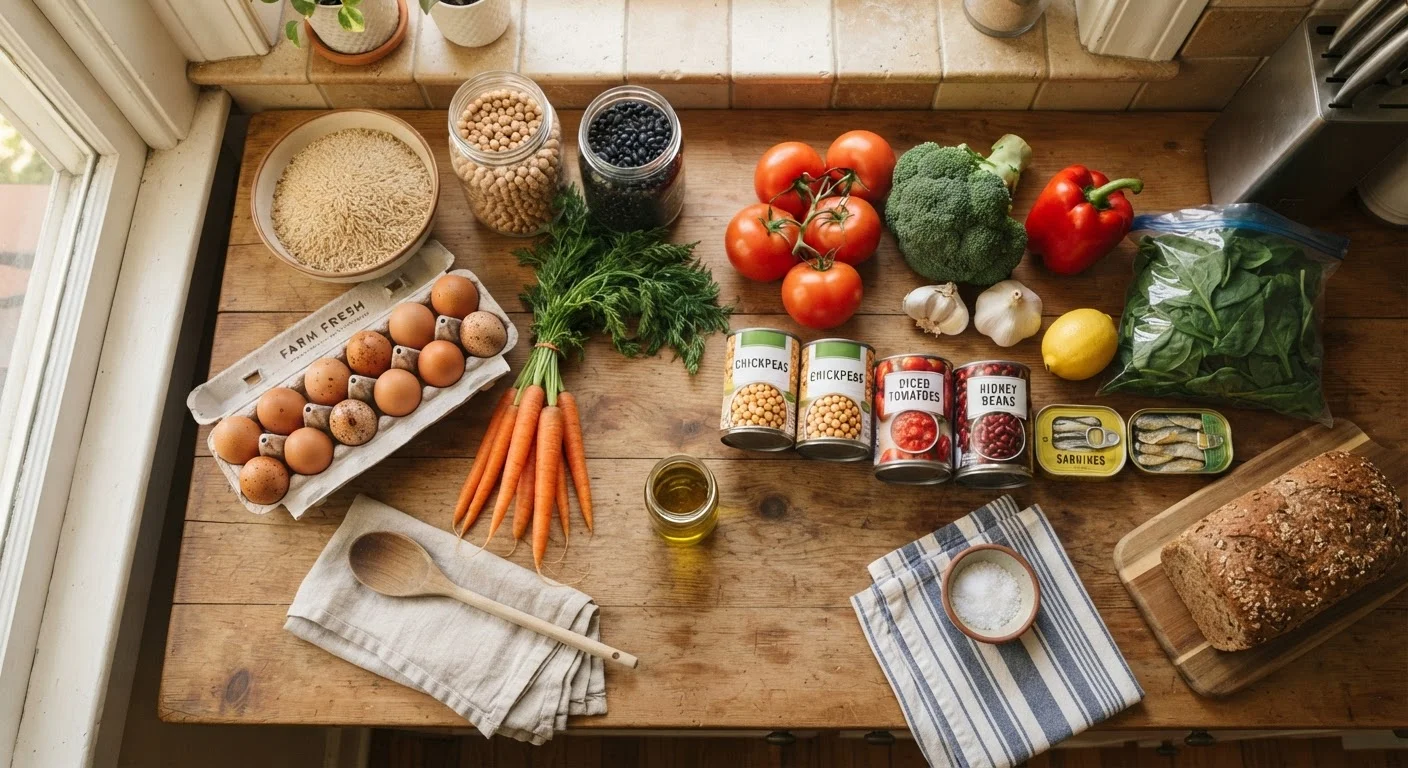
Grocery strategy is one place where bulk buying intersects directly with nutrition. If you're buying bulk staples like dried beans, whole grains, or frozen vegetables, the approach can support both your budget and your diet. See our guide on eating well on a budget for practical overlap between these two goals.
Bulk Buying and Store-Brand Overlap
Many warehouse and bulk-format stores carry their own private-label products alongside name brands. If you're already comparing store brands to name brands at the grocery level, that analysis applies equally in a bulk context. Our article on what research says about brand names vs. store brands can help you layer that decision into your bulk-buying evaluation.
For a broader look at where grocery spending typically gets inflated and how to address it systematically, understanding where your grocery budget actually goes offers a useful complement to the bulk-buying decision.