The Problem With Thinking Cheap Equals Smart
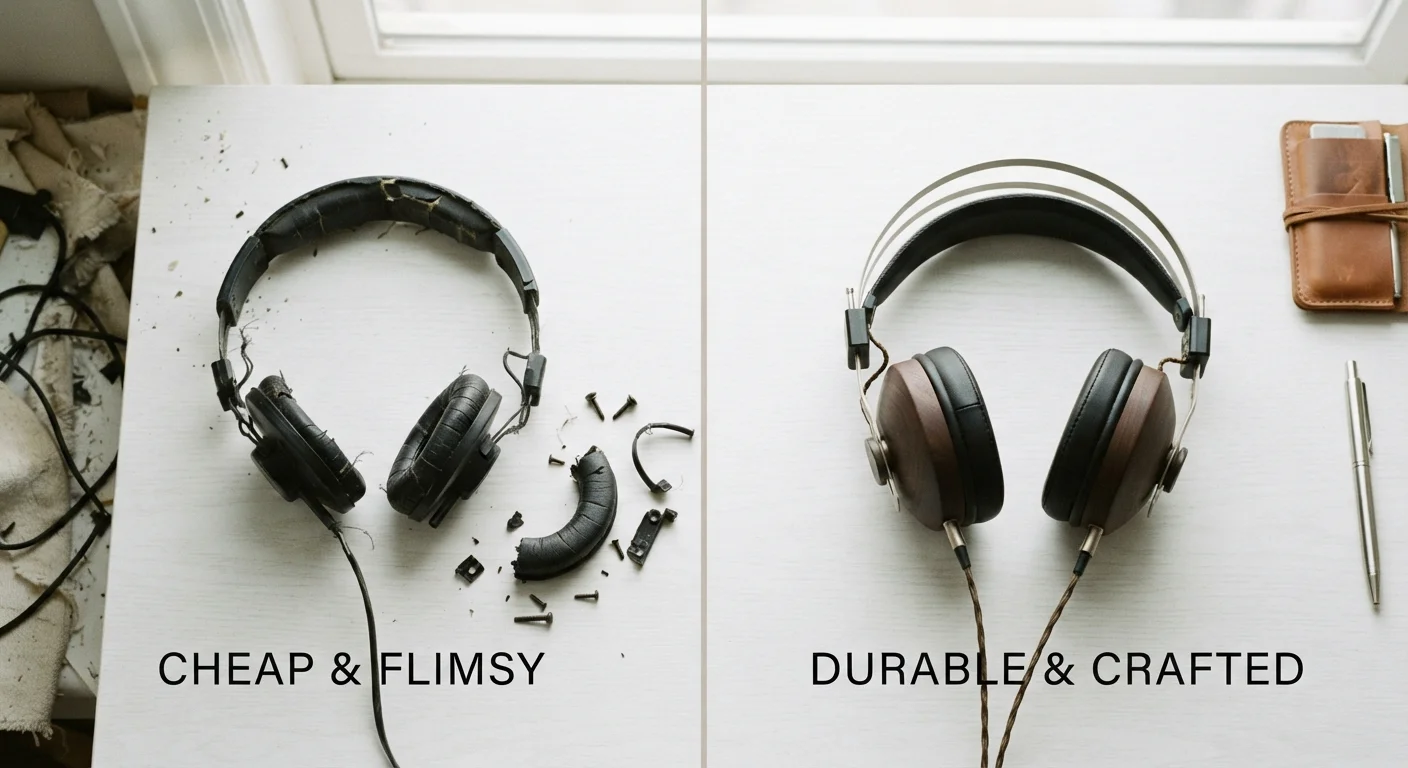
Most of us have been taught that spending less is inherently responsible. But frugality and value are not the same thing. A $15 umbrella that lasts one season costs more over three years than a $45 one that holds up through dozens of storms. The illusion of savings often masks a cycle of repeat purchases that quietly drains your wallet.
Understanding what you're actually buying - and how long it will serve you - is the foundation of smarter spending. This isn't about always buying the expensive option. It's about asking the right questions before any purchase, regardless of price point.
Ask One Question Before Every Purchase
Before committing to any product, ask: 'How many times will I realistically use this, and how long should it last?' If the answers are 'often' and 'a long time,' shift your evaluation away from sticker price and toward durability and cost-per-use. That single habit can prevent most low-price regret purchases.
Cost-Per-Use: The Metric That Changes Everything
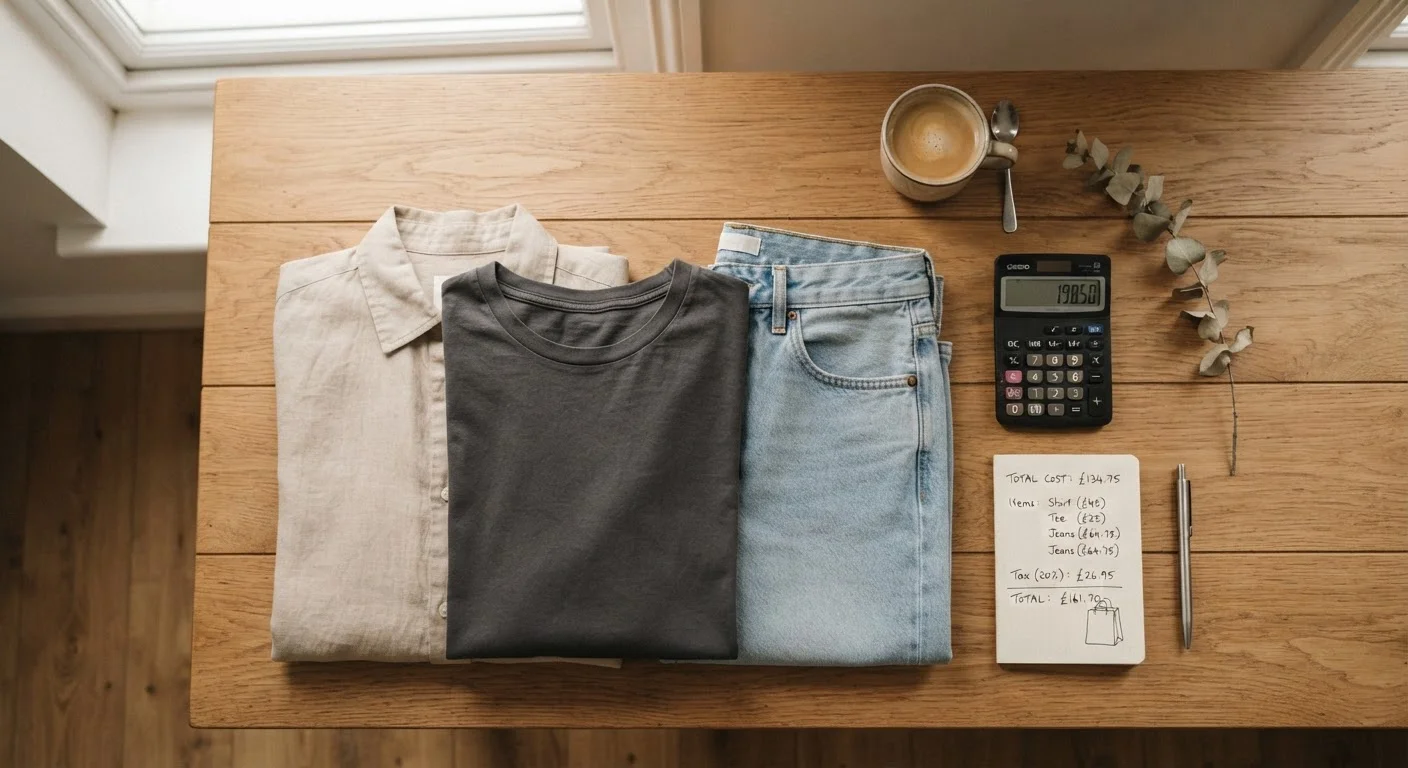
Cost-per-use is one of the most practical tools for evaluating everyday purchases. The formula is simple: divide the price of an item by how many times you'll realistically use it. A $90 pair of shoes worn 150 times costs $0.60 per use. A $30 pair worn 20 times costs $1.50 per use.
This framework applies across categories. In clothing, it's sometimes called cost-per-wear - a concept explored further in this guide to cost-per-wear. The same logic works for electronics, kitchen tools, and even fitness equipment. The more you use something, the less the initial price matters relative to its ongoing value.
2-3x
Replacement frequency of low-durability goods
Consumer behavior research broadly finds that low-cost, low-durability items are replaced two to three times more often than their higher-quality counterparts, negating initial savings.
~30%
Of household purchases involve regret over quality
Surveys on consumer satisfaction consistently find that a significant share of buyers regret prioritizing price over quality on items they use frequently.
Hidden Costs That Erode Cheap-Option Savings
Sticker price is only the beginning of what a purchase actually costs. Many low-price products come with downstream expenses that aren't apparent at the shelf. Common examples include:
- Replacement costs: Items that wear out quickly require repeat purchases, compounding the total spend.
- Proprietary accessories: Cheap electronics or appliances that only work with expensive branded add-ons.
- Repair costs: Products without warranty coverage or repair pathways that cost more to fix than replace.
- Energy consumption: Inefficient appliances that cost more to run over time.
This same pattern shows up in financial products too. Insurance pricing myths illustrates how choosing the lowest premium can lead to significant out-of-pocket costs when coverage gaps emerge. Price and total cost are rarely the same number.
Cheap Isn't Always Wrong - Context Decides
The goal isn't to avoid inexpensive products - it's to match the quality level of a product to how you'll actually use it. For one-time tasks, gifts with uncertain preferences, or items you genuinely need only once, the lowest-cost option is often the rational choice. Value-first thinking adapts to the situation rather than defaulting to either extreme.
How to Evaluate Quality Signals Before You Buy
When you're weighing whether a higher price is justified, look beyond the marketing. Reliable quality signals include construction materials, manufacturer warranty length, user reviews that specifically mention longevity, and the availability of repair parts or customer support.
Understanding quality signals across product categories helps you make this judgment without relying on price as a proxy for quality. Meanwhile, research on brand names vs. store brands shows that price premiums don't always reflect real performance differences - context matters.
The most valuable question to ask is: Does this product match how I'll actually use it? A heavy-duty item you'll use occasionally may not justify its premium. Equally, a budget version of something you rely on daily is likely to cost you more in frustration and replacement cycles.
Building a Value-First Spending Habit
Shifting from price-first thinking to value-first thinking is a habit, not a one-time decision. Start by reading price tags more critically - unit pricing, per-use framing, and markup signals are often right there if you know what to look for.
For bigger purchases, consider whether the buy-once model or a subscription alternative better fits your life - a comparison laid out in one-time purchase vs. subscription. And when you're tempted by bulk pricing, buying in bulk analysis can help you assess whether it's a genuine saving or just a larger version of the same trap.
True value is always a ratio - what you get relative to what you spend, over the full life of the purchase. Keep that ratio in mind and the cheapest option will stop looking like the obvious choice it once seemed.
This article is for general informational and educational purposes only and does not constitute financial or purchasing advice tailored to your individual circumstances. Consult a qualified financial adviser for guidance specific to your situation.