
Why the First Hours After a Loss Set the Tone
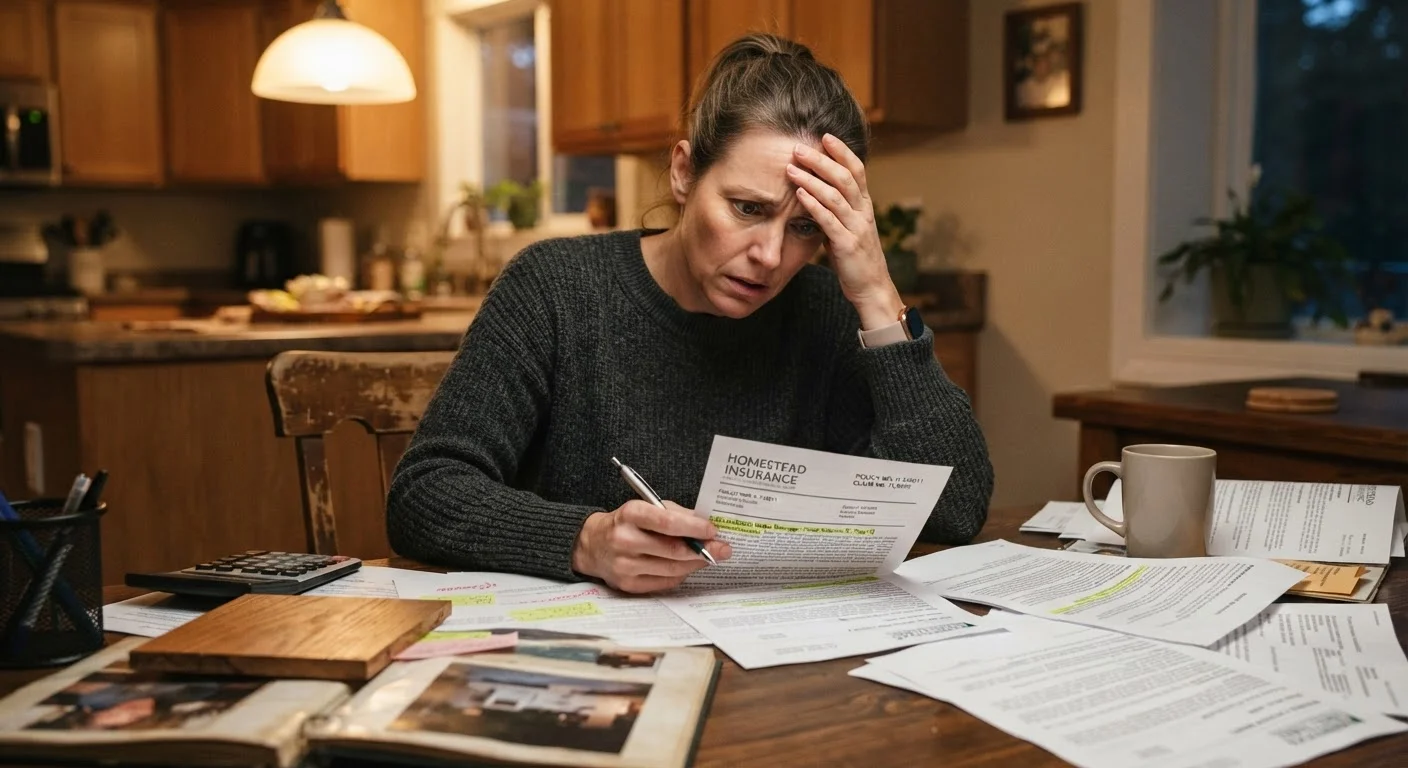
The decisions you make in the immediate aftermath of an insurance loss - what you say, what you photograph, what you repair - shape how smoothly your claim moves through the system. Insurers evaluate claims based on the information and evidence available at the time of filing. Gaps in that record, created by rushing or waiting, give adjusters less to work with - and sometimes give them grounds to question the claim entirely.
Understanding what happens after you file helps you see why early steps matter so much. The claims process is structured, and each stage depends on the quality of what came before it.
1 in 7
Homeowners claims face payment disputes
Industry data consistently shows that documentation gaps and late reporting are leading contributors to claim underpayment or denial disputes.
30 days
Typical insurer acknowledgment window
Many states require insurers to acknowledge a filed claim within 10-30 days; delays in your own reporting can compress the time available for your review.
The Most Common Claim Mistakes - and How to Avoid Them
These errors show up across home, auto, renters, and health claims alike. None of them require specialized knowledge to avoid - they just require knowing they exist before you're in the middle of a crisis.
Reporting the claim too late - or not at all.
Why it happens: Many policyholders assume they have unlimited time to decide whether to file, or they hope the damage will resolve itself without involving insurance.
Giving a recorded statement without reviewing the facts first.
Why it happens: Adjusters often request a recorded statement within hours of the first call, and many policyholders assume they must comply immediately and fully.
Failing to document the damage thoroughly before anything is moved or repaired.
Why it happens: In the chaos after a loss - a fire, flood, or car accident - documentation feels secondary to practical action.
Accepting the first settlement offer without reviewing it against your actual loss.
Why it happens: Policyholders are often relieved the claim was approved and accept the first figure offered without checking the math.
Assuming everything is covered without reading the policy first.
Why it happens: Most people only pull out their policy documents after a loss - not before - and discover exclusions at the worst possible moment.
Failing to keep records of every communication with the insurer.
Why it happens: Conversations happen quickly, and policyholders don't realize those details matter until a dispute surfaces weeks later.
Never Misrepresent Facts on a Claim
Providing inaccurate information - even unintentionally - on a claim can be treated as material misrepresentation, which gives an insurer legal grounds to deny the entire claim. In some cases, it can also result in policy cancellation. Always report what you know to be accurate and tell your insurer if any details change as you gather more information.
If Your Claim Is Denied or Underpaid
A denial or a settlement that doesn't cover your actual loss isn't automatically the final word. Policyholders have appeal rights, and many denials trace back to policy language that's worth challenging with proper documentation. Start by requesting the denial in writing - insurers are generally required to provide a specific reason.
Don't Make Permanent Repairs Before the Adjuster Visits
It's reasonable to take emergency steps to prevent further damage - boarding a broken window, for example - but completing permanent repairs before an adjuster inspects the site can eliminate your insurer's ability to verify the original loss. Document the damage thoroughly with photos and video first, and get explicit approval before doing any substantial repair work.
For a structured path forward, the claim denial dispute process outlines your options, including escalating to your state insurance regulator if the insurer's response is unsatisfactory. And if you want to understand the policy language that leads to denials in the first place, why insurers deny claims breaks down the fine print most people overlook.
This article is for general informational purposes only and does not constitute insurance, legal, or financial advice. Coverage terms, exclusions, and claims procedures vary by policy and provider. Consult a licensed insurance professional or review your actual policy documents for guidance specific to your situation.