
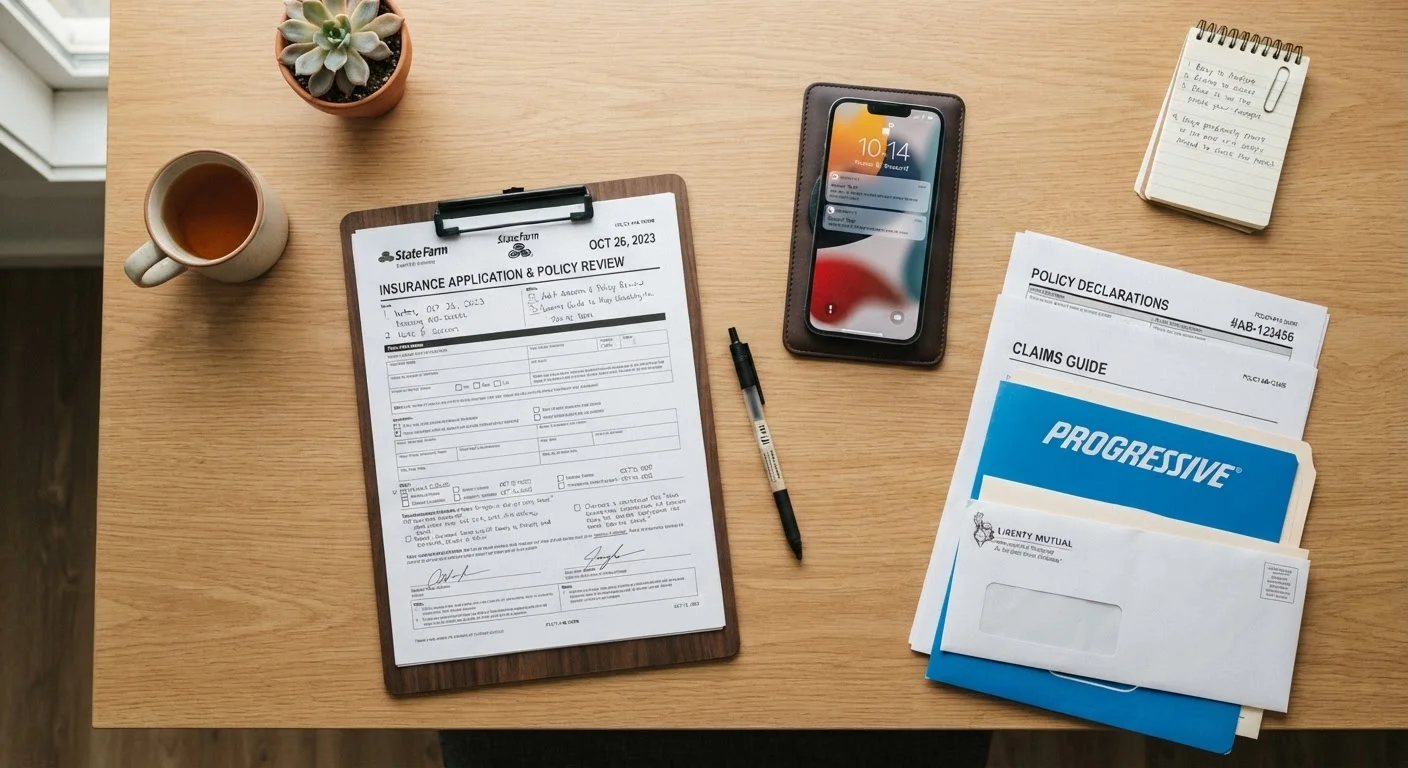
Step One: First Notice of Loss
Everything starts with what insurers call the First Notice of Loss (FNOL) - your initial report to the insurance company that something happened. You can usually do this by phone, through an insurer's app, or online. The company logs the incident, assigns a claim number, and opens a file.
What you say at this stage matters. Stick to the facts: what happened, when, where, and what was affected. Avoid speculating about causes or estimating dollar values without evidence. If you're unsure about any detail, say so. Early missteps can delay your claim or give an insurer grounds for denial, so accuracy from the start protects you.
Most policies have a reporting window - some require notice within a specific number of days after the incident. Missing that deadline can jeopardize coverage, so report as soon as it's safe and practical to do so.
Step Two: Investigation and Adjustment
Once the claim is open, your insurer assigns an adjuster to investigate. This person reviews your policy, contacts you for details, and assesses the actual loss - whether that means inspecting a damaged vehicle, reviewing medical records, or walking through a damaged home.
The adjuster's job is to determine what your policy covers, what the loss is worth, and what the insurer owes. It's important to understand that a company-employed adjuster represents the insurer's interests, not yours. Understanding the difference between an insurance adjuster and a public adjuster can be critical if your claim is large or complicated.
During this phase, cooperate fully - provide requested documents promptly, allow inspections, and keep records of every conversation, including the date, time, and name of who you spoke with. Strong documentation is the single biggest factor in a smooth claims experience.
Keep a Running Claim Log
From the moment you file, write down every interaction with your insurer - the date, the name of who you spoke with, and a summary of what was discussed. This log is invaluable if there's ever a dispute about what was agreed or communicated during the process. Save all written correspondence in a dedicated folder, digital or physical.
Step Three: Settlement or Denial
After the investigation, the insurer makes a coverage decision. If the claim is approved, you'll receive a settlement offer - the amount the insurer is prepared to pay, minus your deductible. Review it carefully before accepting. If the numbers don't add up or the payout seems lower than expected, you can ask the adjuster to explain the calculation or submit additional supporting documentation.
~40%
Homeowners who have never filed a claim
Industry surveys consistently find a large share of policyholders have never gone through the claims process, making the experience unfamiliar when it finally occurs.
15 days
Typical insurer acknowledgment window
Many states require insurers to acknowledge receipt of a claim within roughly 10-15 business days, though exact requirements vary by state law.
If your claim is denied, the insurer must provide a written explanation citing the specific policy language or exclusion involved. A denial isn't always the final word. Learn the formal appeal process and your rights as a policyholder - including when to escalate to your state's insurance regulator.
It's also worth understanding the broader financial picture. Some claims cost more in long-term premium increases than the payout is worth, so weigh that tradeoff before filing smaller losses. For a full picture of how claims fit into your overall insurance costs, see how premiums, deductibles, and claims connect end to end.
Settlement Doesn't Always Mean a Check
Depending on the claim type, your settlement might be paid directly to a repair shop, a contractor, or a medical provider rather than to you. In mortgage situations, a home insurance check may be made out jointly to you and your lender. Always confirm with your insurer how and to whom funds will be disbursed before the process concludes.
This article provides general information about the insurance claims process and is not a substitute for personalized advice from a licensed insurance professional. Coverage terms, timelines, and procedures vary by policy and state. Always read your actual policy documents and consult a licensed agent or adviser for guidance specific to your situation.