
Who Sends an Adjuster - and Why It Matters
When you file a claim, one of the first people to contact you will likely be an insurance adjuster. Most policyholders assume this person is a neutral evaluator. In reality, that adjuster - whether a salaried staff employee or a contractor hired by the insurer - is working to protect the insurance company's financial interests, not yours.
That is not automatically a problem. Insurers are legally required to handle claims in good faith, and many straightforward claims are settled fairly without any conflict. But understanding whose paycheck an adjuster is tied to changes how you should interpret their findings. For a deeper look at what happens from the moment you file, see what happens after you file an insurance claim.
| Criterion | Insurance Adjuster | Public Adjuster |
|---|---|---|
| Who they work for | The insurance company | The policyholder |
| Who pays them | The insurer (salary or contract fee) | The policyholder (% of settlement) |
| Role in the claim | Evaluates loss; offers settlement | Documents loss; negotiates for you |
| Licensing requirement | Varies by state | Licensed in most U.S. states |
| Typical cost to you | None | Roughly 5%-15% of settlement |
| Best suited for | Routine, straightforward claims | Large, complex, or disputed claims |
What Each Type of Adjuster Actually Does
Insurance adjusters (also called company adjusters or independent adjusters contracted by the insurer) inspect the damage, review your policy, and calculate a settlement figure the insurer is prepared to offer. They are trained in loss assessment, but their professional obligation runs to the company that hired them.
Public adjusters are state-licensed professionals you hire independently. They perform the same kind of damage documentation and policy review - but with one key difference: their legal duty is to you. They prepare your claim, gather supporting evidence, and negotiate directly with the insurer on your behalf. Most charge a fee ranging roughly from 5% to 15% of the final settlement amount, though this varies by state, claim size, and individual agreement. Some states cap public adjuster fees by law.
~$800B
U.S. property and casualty claims paid annually
The Insurance Information Institute reports that U.S. property and casualty insurers pay hundreds of billions in claims each year, underscoring how much is at stake in the settlement process.
5%-15%
Typical public adjuster fee range
Public adjuster fees are generally calculated as a percentage of the final claim settlement; state law may cap these fees, so verify the rules in your state before signing a contract.
It's worth noting that public adjusters are distinct from attorneys who handle insurance disputes - a public adjuster manages the claims process itself, while an attorney may be needed if a claim escalates to litigation. Unfamiliar with terms like "proof of loss" or "subrogation"? The glossary of claims terms every policyholder should know covers the language you'll encounter.
When Hiring a Public Adjuster Makes Practical Sense
Not every claim warrants the added expense of a public adjuster. For a fender-bender or a minor water leak with a clear cause, the insurer's adjuster is often sufficient. But certain situations shift that calculation:
- Large property losses - major fire, flood, or storm damage where thorough documentation directly affects the payout amount.
- Denied or disputed claims - if the insurer has denied your claim or you believe the settlement offer is too low, an independent assessment gives you a documented counter-position.
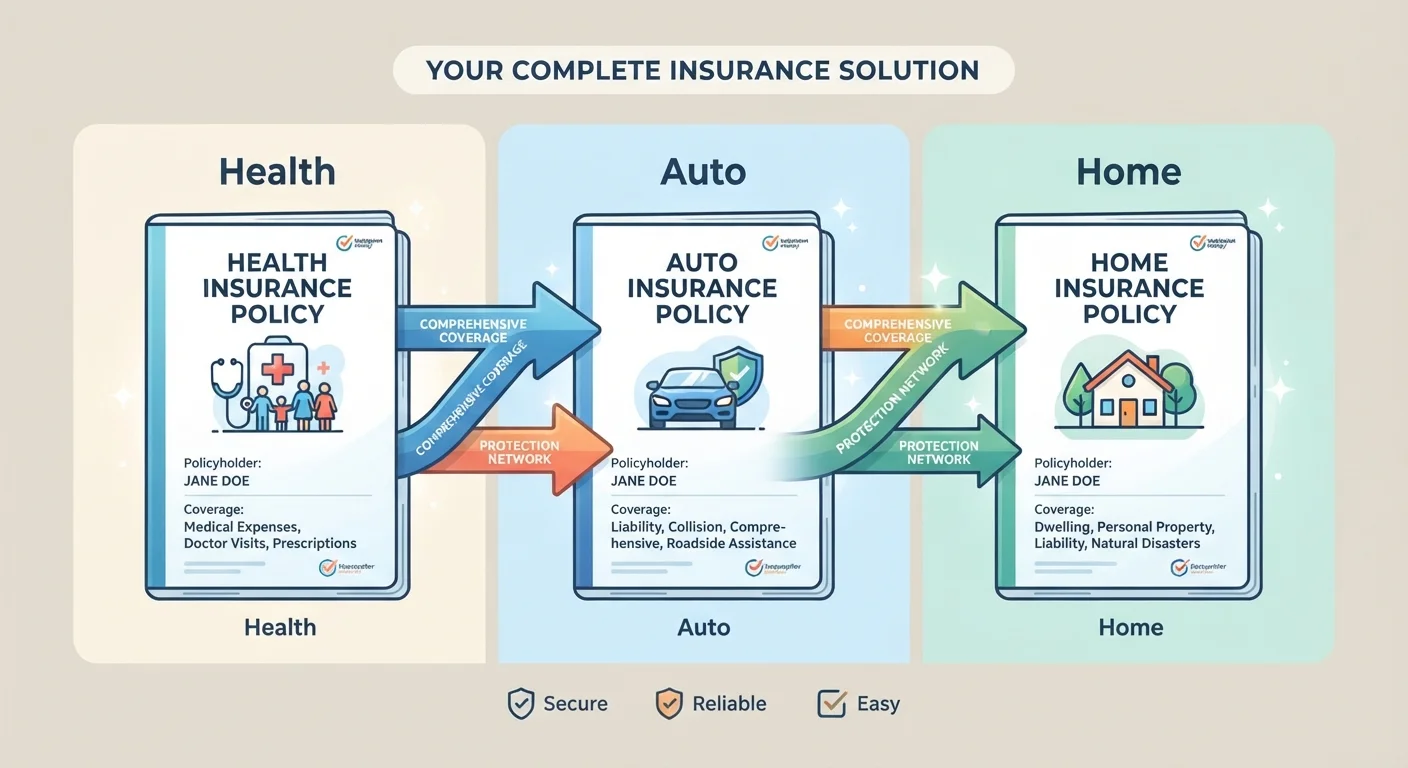
- Complex multi-policy situations - when several policies could apply to a single event, coordination can get complicated. Understanding how coverage layers interact is explored in how health, auto, and home insurance work together after an accident.
- Underinsurance concerns - if you suspect your policy limits may not cover the full scope of your loss, an independent review can surface that gap early. See underinsurance: when your policy limit falls short for context.
Check Your State's Licensing Rules
Public adjuster licensing is regulated at the state level, and the rules vary meaningfully. Some states cap fees, require written contracts, or impose waiting periods before a public adjuster can approach a policyholder after a disaster. Your state's department of insurance website is the authoritative source for current requirements in your area.
Before hiring a public adjuster, verify their license with your state's department of insurance. Licensing requirements and fee caps differ by state, and not all states permit public adjusters for every claim type.
Making an Informed Decision for Your Claim
There is no universal right answer about which type of adjuster serves you best - it depends on the size and complexity of your loss, your comfort navigating the claims process, and whether the initial settlement offer reflects your actual damages.
If you are unsure, you can accept an initial meeting with the insurer's adjuster, receive their assessment, and then consult a public adjuster before agreeing to any settlement. You are generally not obligated to accept a first offer. For a full walkthrough of your rights and responsibilities at each step, the full claims process guide is a practical starting point.
This article is for general informational purposes only and does not constitute legal, financial, or insurance advice. Coverage terms, adjuster regulations, and fee structures vary by state and policy. Consult a licensed insurance professional or attorney for guidance specific to your situation.