
Why Denials Are Often Worth Challenging
Receiving a claim denial can feel final - but it frequently isn't. Insurers process enormous volumes of claims, and denials sometimes result from incomplete information, clerical errors, or an overly broad application of an exclusion. Consumer advocates and state regulators consistently find that a meaningful share of appealed denials are reversed, either in full or in part.
That doesn't mean every denial is wrong. Sometimes a claim genuinely falls outside your coverage, and understanding that distinction early saves you time. But before accepting a denial at face value, it's worth taking a structured look at whether the insurer applied your policy correctly.
This walkthrough covers what you need before you start, the steps to follow in order, and when to bring in outside help. It applies broadly across insurance types - health, home, auto, and others - though specific timelines and procedures vary by insurer and state. Always read your policy and consult a licensed professional for guidance specific to your situation.
What you will need
What You Need Before You Start
A well-prepared appeal is far more likely to succeed than a hasty one. Before you begin writing a single word of your appeal letter, make sure you have the right materials in hand.
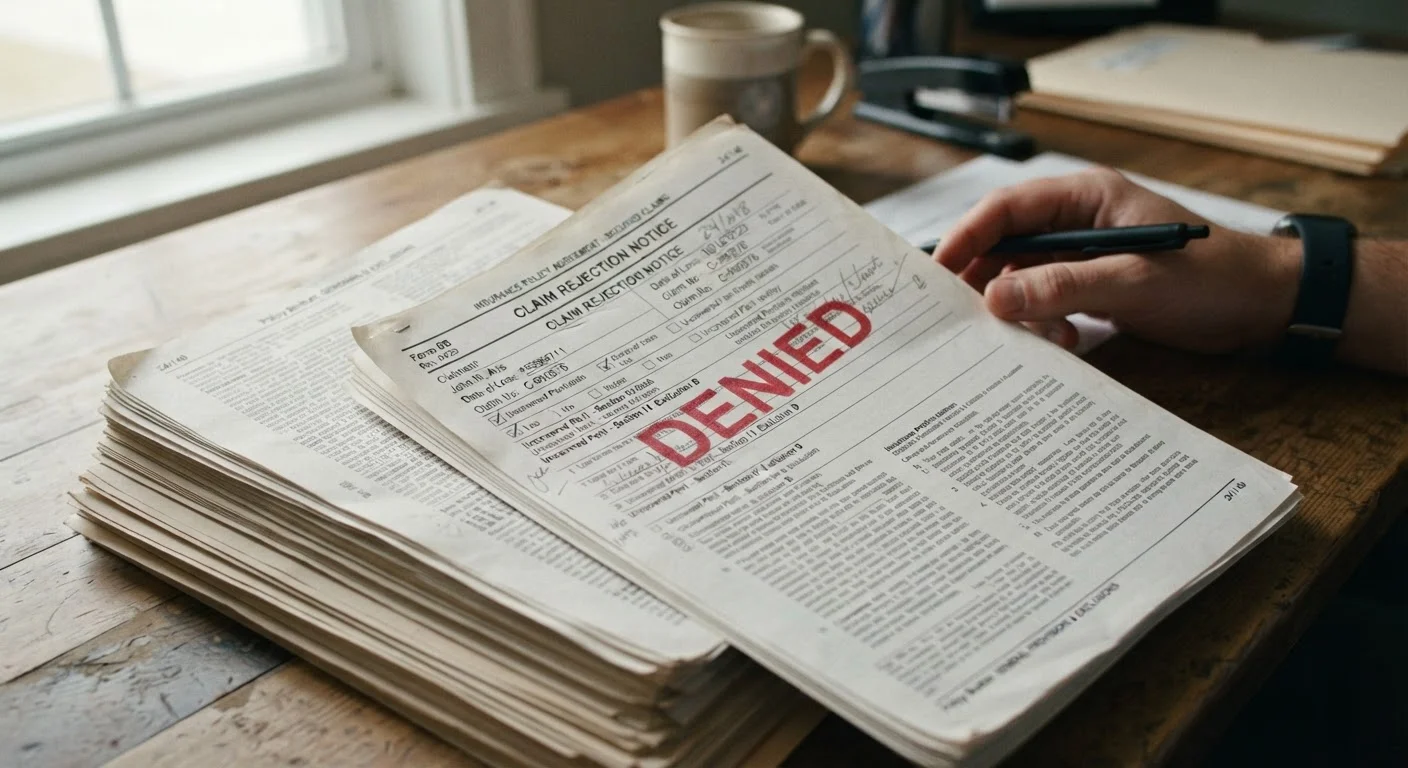
Denial Letter
Identifies the specific reason and policy language your insurer used to deny the claim - the foundation of your appeal.
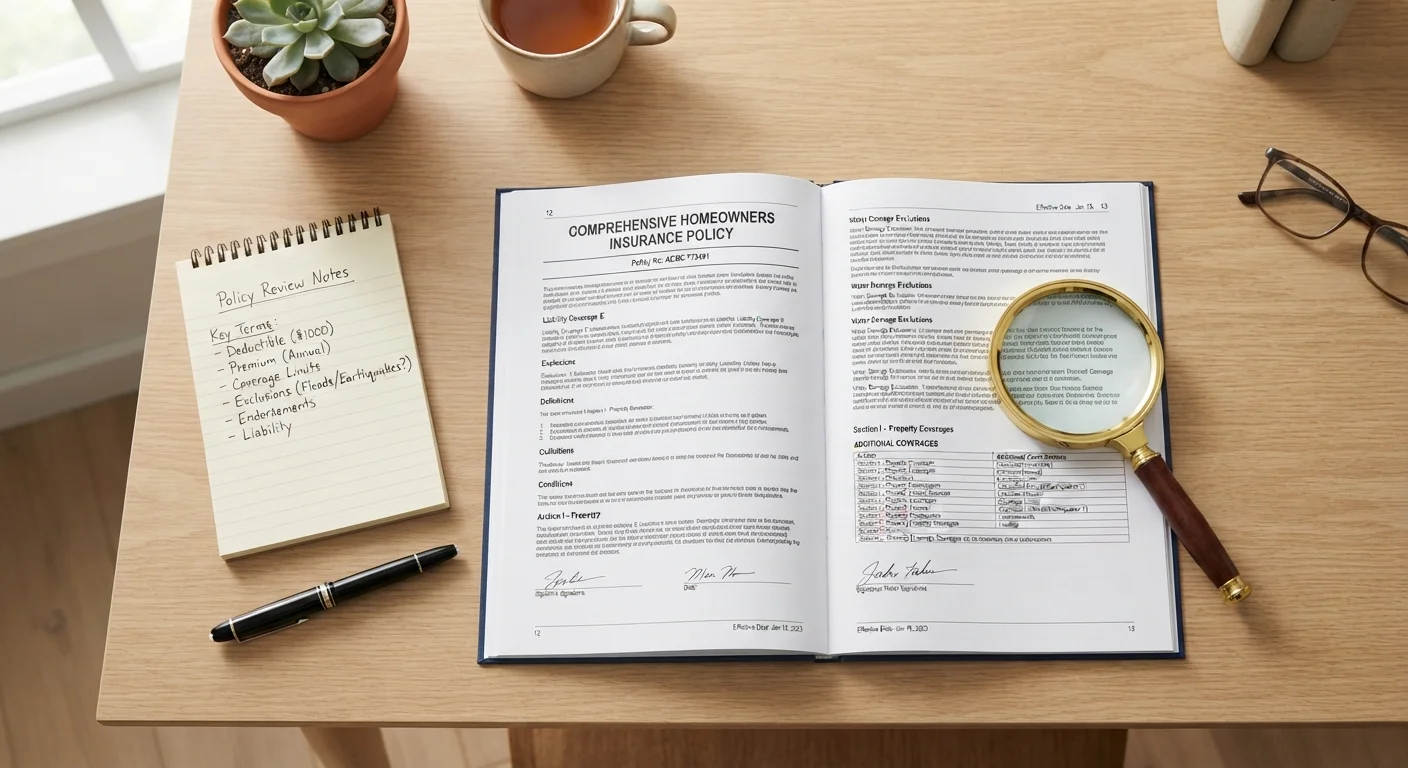
Your Insurance Policy Document
Allows you to cross-reference the denial reason against the actual coverage language, exclusions, and conditions.
Supporting Evidence File
Holds photos, receipts, estimates, medical records, or any documentation that supports your version of the claim.
Certified Mail or Trackable Email
Creates a time-stamped proof of delivery for any written correspondence you send to the insurer.
Public Adjuster or Attorney
A licensed professional who can assess your claim independently and advocate on your behalf if internal appeals fail.
With these in place, you're ready to work through the steps below in order. Skipping steps - especially the evidence-gathering phase - is one of the most common reasons appeals fail.
Appeal Deadlines Are Non-Negotiable
Most insurers set appeal windows of 30 to 180 days from the denial date, and missing that deadline can permanently eliminate your right to dispute. Check your denial letter for the exact timeframe. If the letter is unclear, call your insurer and ask - then document the answer in writing.
Following the Appeal Steps
The steps below walk you through the dispute process from receiving your denial to escalating outside the insurer if necessary. Work through them in order - each step builds on the last.
Get the denial in writing and understand exactly why
If you received a verbal denial, request a formal written denial letter immediately. Under most state laws, insurers are required to provide one. The letter must state the specific reason for denial and reference the exact policy provision or exclusion being applied.
Read it carefully. Denial reasons commonly include: the loss isn't covered under your policy type, a policy condition wasn't met (such as timely notice), or the insurer disputes the facts of the claim. Understanding which category applies shapes your entire appeal strategy. For a deeper look at why denials happen, see why insurers deny claims.
Pull your policy and compare the language side by side
Locate the section of your policy that the insurer cited. Read the exact wording - not a summary brochure, but the actual contract language. Then ask: does the denial reason hold up against what the policy actually says?
Insurers sometimes misapply exclusions, cite the wrong provision, or interpret ambiguous language in their own favor. If the wording is genuinely unclear, most states require that ambiguity be resolved in the policyholder's favor - a principle called contra proferentem. If unfamiliar terms slow you down, the claims terms glossary can help you decode the language.
Gather additional evidence to counter the denial
An appeal without new or stronger evidence is rarely successful. Collect whatever documentation directly addresses the denial reason. If the insurer says the damage predates your policy, gather dated photos or maintenance records. If a medical claim was denied as 'not medically necessary,' ask your provider for a letter of medical necessity.
Organize everything chronologically and label each item clearly. The goal is to make the reviewer's job easy - a well-organized file signals that you take the claim seriously.
File a formal internal appeal with your insurer
Most insurers have a dedicated internal appeals process - sometimes called a grievance or reconsideration process. Your denial letter should include instructions. Write a clear, factual appeal letter that: (1) identifies your claim number and denial date, (2) states why you believe the denial is incorrect, (3) cites the specific policy language that supports coverage, and (4) lists the supporting documents you are enclosing.
Send it via certified mail or a trackable method and keep copies of everything. For context on where appeals fit within the broader claims journey, see the full claims process walkthrough.
Escalate to your state insurance department if needed
If the internal appeal is denied or goes unanswered within a reasonable time, your next step is your state's department of insurance. File a formal consumer complaint - this is free, and the department will contact the insurer on your behalf and require a response.
This step is particularly effective when the denial appears to violate state insurance regulations or when the insurer has been unresponsive. Some states also offer mediation programs specifically for disputed claims.
[tip_callout]Consider professional help for complex or high-value disputes
If the amount in dispute is significant or the policy language is genuinely complex, consider hiring a licensed public adjuster - an independent professional who reviews and advocates for your claim - or an insurance attorney. Many attorneys who handle insurance disputes work on a contingency basis, meaning you pay only if you win.
Before hiring anyone, verify their license with your state's department of insurance. Understanding how coverage decisions intersect with costs can also help - the policy costs explained hub and the coverage types hub offer useful background.
Verbal Agreements Carry No Weight
If an adjuster tells you verbally that a claim will be covered or that a deadline is extended, do not rely on that alone. Always follow up in writing - email is fine - summarizing what was said and asking for written confirmation. Insurers are bound by what is documented, not what was spoken.
This article is for general informational and educational purposes only and does not constitute personalized insurance, legal, or financial advice. Coverage, appeal rights, deadlines, and procedures vary by policy, insurer, and state. Always read your actual policy documents and consult a licensed insurance agent, public adjuster, or attorney for advice specific to your situation.