What Is a Coverage Gap?
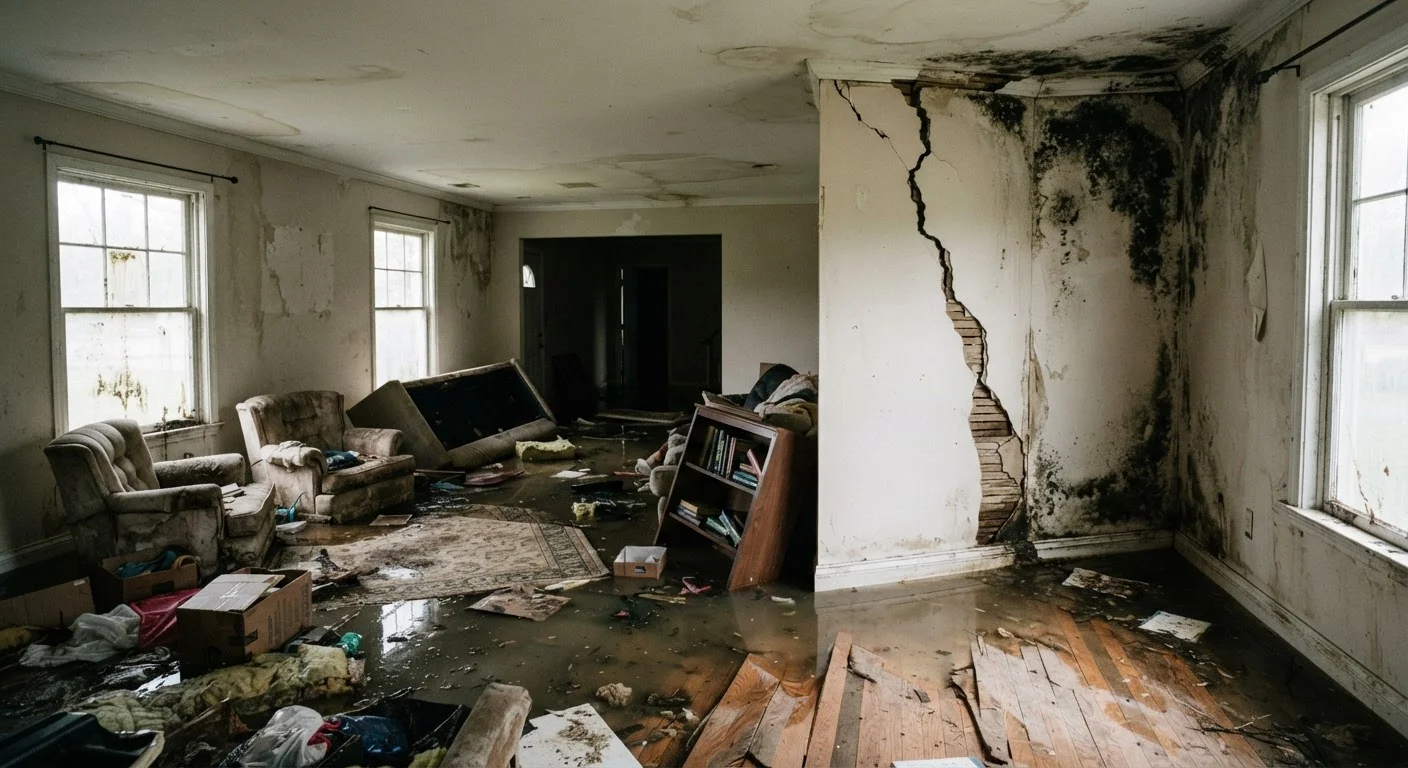
A coverage gap is any situation where you face a financial loss but your insurance policy either excludes the event entirely or doesn't pay enough to cover what you've actually lost. In plain terms: you thought you were protected, and you weren't.
Gaps aren't always the result of a bad policy or a dishonest insurer. Standard policies are written to cover the most common risks for the broadest pool of customers. That means unusual risks - or risks specific to your property, lifestyle, or location - often fall outside the default coverage.
Coverage gap
A situation where a financial loss you experience isn't paid for by your insurance policy, either because the event is excluded or because your coverage limit isn't high enough.
Exclusion
A specific event, cause of loss, or type of property that a policy explicitly will not cover. Exclusions are listed in the policy document and are legally binding.
Endorsement
An optional add-on to an existing insurance policy that changes or expands its coverage - sometimes called a rider or floater depending on the policy type.
Policy limit
The maximum dollar amount an insurer will pay for a covered claim. If your loss exceeds this limit, you pay the difference out of pocket.
Declarations page
A summary page at the front of an insurance policy that lists your coverage types, limits, deductibles, and premium. It's the quickest reference for what your policy includes.
Umbrella policy
A separate liability policy that pays claims above the limits of your existing auto or homeowners policies, providing an extra layer of financial protection against large losses.
Understanding where gaps can appear is the first step toward closing them. This article is general educational information; for advice specific to your situation, consult a licensed insurance professional.
Where Gaps Commonly Hide
Coverage gaps show up across all major policy types. Here are the areas where they most frequently catch policyholders off guard:
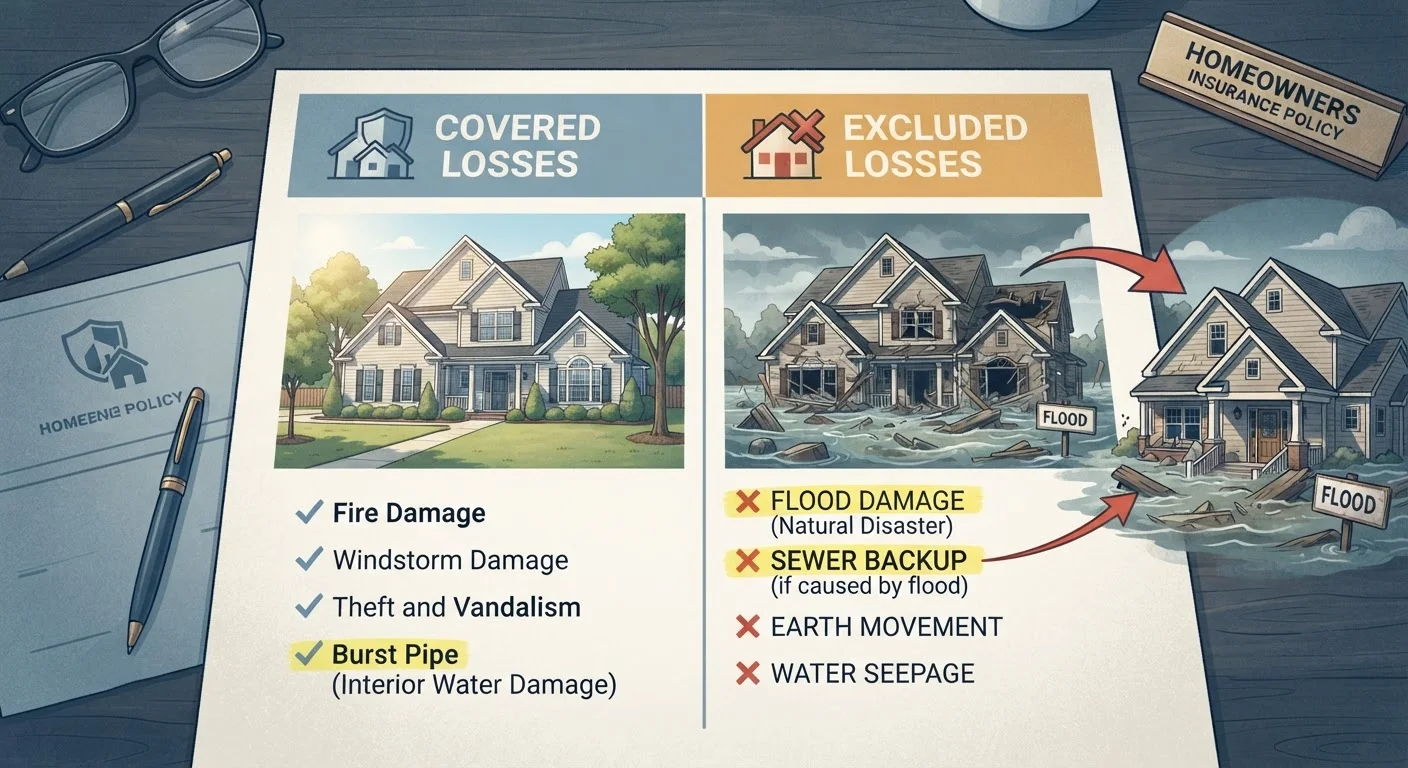
- Homeowners insurance: Standard policies typically exclude flood damage, earthquake damage, sewer or drain backup, and mold remediation beyond narrow limits. Valuable items like jewelry, art, or collectibles usually have sub-limits well below their actual worth. See our detailed look at homeowners exclusions for more on these specific blind spots.
- Auto insurance: Drivers who carry only liability coverage have no protection for damage to their own vehicle. Rental reimbursement and roadside assistance are commonly optional add-ons that many drivers skip.
- Health insurance: Out-of-network care, dental and vision services, and certain prescription drugs often fall outside standard plan coverage. High deductibles can also create effective gaps - coverage exists, but only after a significant out-of-pocket threshold is met.
- Renters insurance: Many renters assume their landlord's policy protects their belongings. It doesn't. A landlord's policy covers the building structure, not a tenant's personal property.
- Life and disability insurance: Group policies through an employer often exclude certain causes of disability or may not be portable if you leave that job.
For a broader look at what standard policies commonly leave uncovered, our article on widely misunderstood exclusions breaks it down by policy type.
Verbal Assurances Aren't Coverage
If an agent or representative tells you something is covered but the written policy says otherwise, the written policy controls what the insurer will actually pay. Always confirm coverage details in your policy documents - not just in a phone call or email summary. If you receive an endorsement or policy change, get it in writing before assuming coverage is in place.
Why Policyholders Miss Them
The most common reason people discover a coverage gap is a denied claim. That's the worst possible moment to learn your policy doesn't cover what you thought it did.
Several factors contribute to this:
- Policies are long and technical. Most people sign up for insurance without reading the full policy document, relying instead on a summary from an agent or an online quote tool. Summaries rarely spell out exclusions clearly.
- Assumptions fill in the blanks. It feels logical that homeowners insurance would cover a flooded basement or that health insurance would cover a dentist visit. But logic and policy language don't always match.
- Policies go unreviewed. Many households set up coverage once and renew automatically year after year without checking whether their coverage still matches their actual situation.
- Life changes outpace coverage updates. Starting a home-based business, adding a swimming pool, or acquiring expensive jewelry can all create new exposures that an existing policy wasn't written to address. See coverage blind spots people discover too late for real-world examples.
How to Find Your Own Blind Spots
You don't need to become an insurance expert to do a meaningful gap check. Start with these practical steps:
- Pull out your declarations page. This one-to-two page summary lists your coverage types, limits, and key exclusions. It's the fastest way to see what you actually have.
- Read the exclusions section. Every policy has one. It lists what the insurer will not pay for. This is where most gaps live.
- Match your coverage to your current life. Think about what has changed since you last bought or renewed your policy - new property, new risks, new dependents.
- Check your limits against replacement costs. A policy limit that made sense five years ago may fall short of today's rebuild costs or property values. Our article on underinsurance and how it happens explains this in detail.
- Use a coverage checklist. A structured review across health, auto, home, and life policies helps catch what a quick scan might miss. The household coverage checkup is a useful starting point.
Make Your Annual Review a Habit
Set a calendar reminder once a year - perhaps at renewal time - to pull your declarations pages and compare your coverage limits against your current property values and lifestyle. Even a 30-minute review can surface a gap that would cost thousands to absorb out of pocket. Bring questions to a licensed agent rather than relying solely on the insurer's renewal summary.
Filling the Gaps: What Your Options Look Like
Once you've identified a gap, you generally have a few options:
- Endorsements (also called riders or floaters)
- Add-ons to an existing policy that extend coverage to specific items or situations - such as a scheduled personal property floater for jewelry, or a sewer backup endorsement on a homeowners policy. These typically cost less than a separate policy.
- Standalone policies
- Some gaps are too large for an endorsement and require their own policy. Flood insurance and earthquake insurance are common examples. These are purchased separately and have their own premiums, deductibles, and coverage limits.
- Umbrella insurance
- A personal umbrella policy provides liability coverage above the limits of your auto and homeowners policies. It doesn't fill every gap, but it can protect against large liability claims that exceed your base policy limits.
Coverage options, costs, and eligibility vary by insurer and state. The right approach for your situation depends on the specific gap, your risk tolerance, and your budget. A licensed insurance agent - not just a quote comparison tool - can help you weigh these choices based on your actual policy documents and circumstances. For a broader grounding in how different coverage types work together, the coverage types overview is a helpful reference.
This article is for general informational and educational purposes only and does not constitute personalized insurance, financial, or legal advice. Coverage terms, exclusions, and availability vary by policy and state. Always read your actual policy documents and consult a licensed insurance professional for guidance specific to your situation.