Why Pet Dental Health Is More Than Fresh Breath
It's easy to dismiss pet bad breath as a normal quirk. In reality, persistent mouth odor is usually a sign of bacterial overgrowth - and that bacteria doesn't stay put. Veterinary research has linked advanced periodontal disease in pets to systemic conditions affecting the heart, kidneys, and liver, because oral bacteria can enter the bloodstream through inflamed gum tissue.
The mouth is a gateway. When the structures around the teeth break down - a process that begins with plaque hardening into tartar - pockets form between the gums and teeth where bacteria thrive. Left untreated, this progresses to bone loss around the roots, chronic infection, and significant pain. The systemic consequences are a downstream effect of that local inflammation.
For most pet owners, the challenge is that dental disease advances quietly. Cats and dogs are hardwired to mask discomfort, meaning a pet with moderate-to-severe gum disease may still eat, play, and behave mostly normally. By the time symptoms become obvious, the disease is often well established.
Dental Disease Often Has No Obvious Symptoms
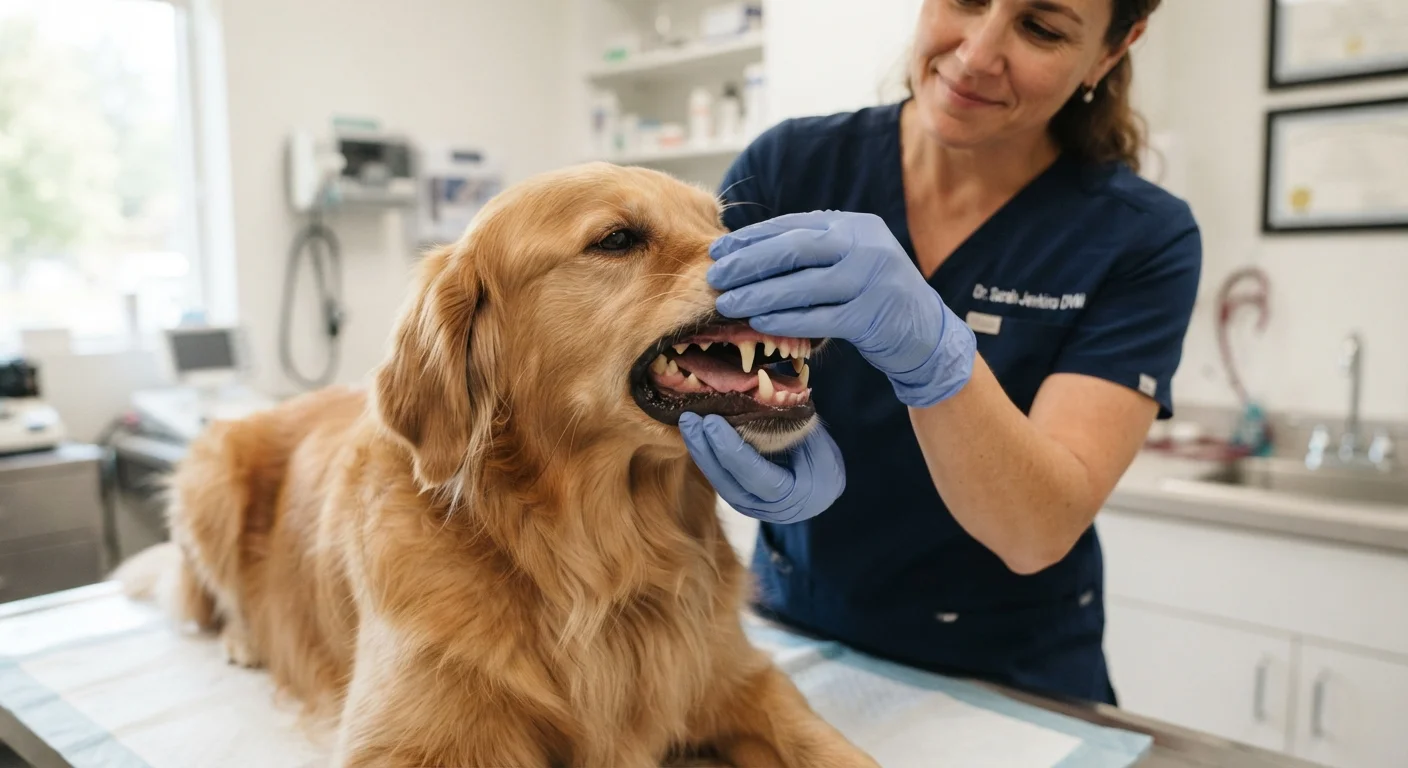
Unlike a limp or a visible wound, oral disease typically develops without dramatic signals. Pets may have significant tartar buildup, gum recession, or even loose teeth without showing obvious distress. This makes routine veterinary dental assessments particularly important - owners cannot reliably gauge oral health by looking at their pet's mouth alone.
What Happens Inside the Mouth Over Time
Plaque forms within hours of eating - a sticky film of bacteria that coats tooth surfaces. Without regular removal, minerals in saliva cause it to calcify into tartar (also called calculus) within days. Tartar adheres firmly to teeth and can only be removed with professional tools. This sets off the cycle of gum inflammation known as gingivitis, which is reversible at early stages but progresses to periodontitis - structural damage that is not.
Studies referenced by veterinary dental specialists suggest that a majority of dogs and cats show some degree of periodontal disease by age three. Smaller dog breeds are particularly susceptible because their teeth are often crowded into a smaller jaw, making plaque buildup harder to manage.
~80%
Dogs with periodontal disease by age three
Veterinary dental specialists commonly cite this figure based on clinical prevalence data across canine patients.
70%+
Cats affected by dental disease by age three
Similar prevalence rates are reported for cats, making early preventive care essential for both species.
#1
Most commonly diagnosed pet health condition
Periodontal disease consistently ranks as one of the most frequently diagnosed conditions in dogs and cats seen by veterinarians in the U.S.
The good news is that early-stage gum disease is genuinely reversible with professional cleaning followed by consistent at-home care. The goal of dental maintenance isn't just cosmetic - it's about interrupting a disease process before it damages tissue that can't be replaced.
At-Home Care: What Actually Works
Daily tooth brushing remains the gold standard for at-home pet dental care, according to veterinary dental organizations. A soft-bristled toothbrush and pet-safe toothpaste (never human toothpaste, which contains ingredients toxic to animals) used consistently will reduce plaque load more effectively than any other at-home intervention.
Getting a pet comfortable with brushing takes patience. Starting with short sessions, using flavored toothpaste, and rewarding cooperation all help build tolerance - especially if started when animals are young. Adult pets can learn to accept brushing too, though it typically takes longer.
Start Slow With Toothbrushing
If your pet has never experienced toothbrushing, begin by simply letting them sniff and lick pet-safe toothpaste off your finger for a few days. Gradually introduce a finger brush, then a soft toothbrush over several weeks. Even brushing a few teeth consistently is better than skipping entirely - consistency matters more than perfection.
Dental chews, toys designed to reduce plaque, and water additives can contribute as supplementary measures. Their effectiveness varies, and owners should look for products vetted by a recognized veterinary dental organization rather than relying solely on marketing claims. These are adjuncts, not replacements for brushing or professional cleaning.
If you're unsure what's realistic for your household routine, your vet can help you build a plan that fits. The annual wellness exam is a practical time to have this conversation and get a baseline assessment of your pet's oral health.
Professional Cleanings and the Cost Reality
A veterinary dental cleaning under anesthesia is the only way to properly clean below the gumline - where the most damaging bacterial activity occurs. Anesthesia-free cleanings, sometimes offered at grooming facilities or pet stores, can remove visible surface tartar but do not address subgingival buildup and are not recognized as an equivalent by veterinary dental specialists.
Professional cleanings do add up. The procedure typically includes pre-anesthetic bloodwork, the cleaning itself with scaling and polishing, and potentially dental X-rays to assess bone loss that isn't visible to the eye. If extractions are needed, costs rise further.
For owners managing veterinary expenses carefully, understanding what's involved helps with planning. A routine annual cleaning caught early is generally less expensive than treating advanced disease that has progressed due to delay. The strategies for managing vet costs guide outlines how to approach these decisions without compromising your pet's care.
This article is for general informational purposes only and is not a substitute for professional veterinary advice. Always consult a licensed veterinarian for guidance specific to your pet's health needs.