What the Physical Exam Actually Includes
When your vet says they're doing a routine exam, they mean a structured, nose-to-tail assessment - not just a quick look. Here's what's typically covered in that single visit fee:
- Eyes and ears: Checking for signs of infection, discharge, redness, or early signs of conditions like cataracts.
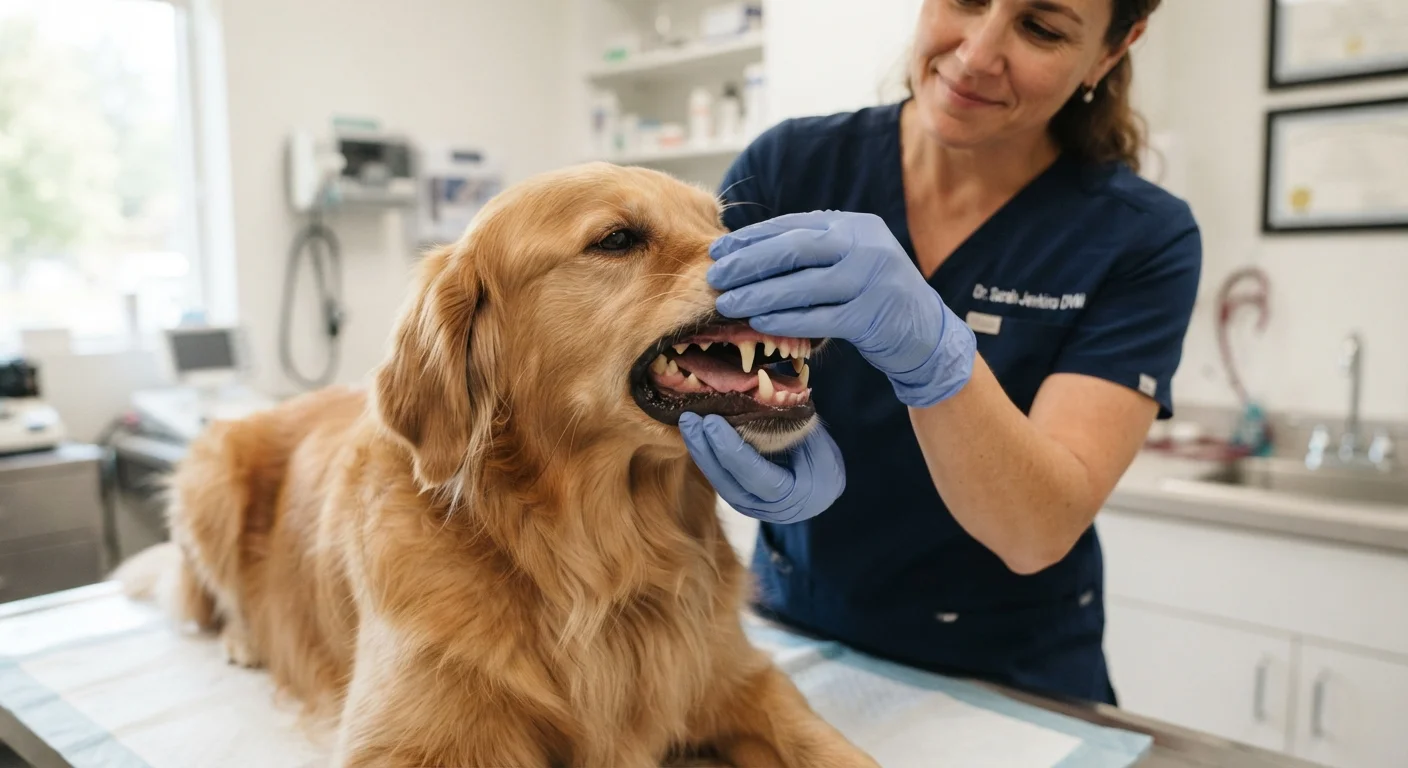
- Mouth and teeth: Assessing tartar buildup, gum health, and any broken or loose teeth. Dental disease is one of the most common - and most overlooked - issues in adult pets. See our guide on how dental health affects your pet's overall wellbeing for context.
- Heart and lungs: Listening with a stethoscope for murmurs, irregular rhythms, or abnormal breath sounds.
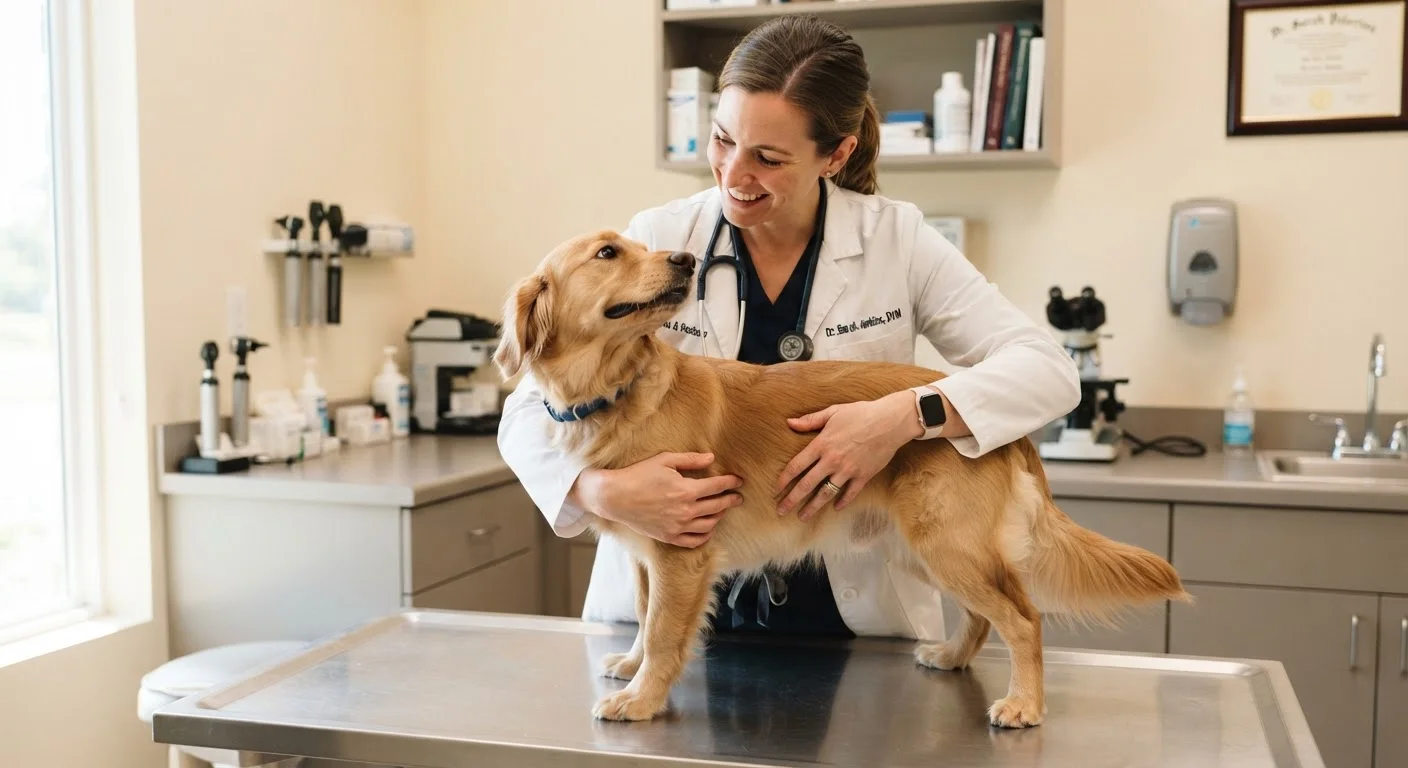
- Abdomen: Gently palpating the belly to assess organ size and detect any unusual masses or discomfort.
- Skin and coat: Looking for lumps, parasites, hair loss, and skin condition.
- Joints and mobility: Checking for stiffness, pain, or early signs of arthritis, especially in older animals.
- Lymph nodes: Feeling for enlargement that could signal infection or other systemic issues.
- Weight and body condition: Comparing to previous visits and assessing whether diet or exercise adjustments are needed.
Your vet will also ask questions about behavior changes, appetite, water intake, and any concerns you've noticed at home. That conversation is part of the exam - don't skip it.
Keep a Simple Pet Health Log
Between annual visits, jot down any changes you notice - appetite shifts, new lumps, behavioral quirks. Even a basic note on your phone with dates gives your vet useful context that a single exam can't always reveal. It takes two minutes and can make a real difference in early detection.
What's Typically Billed Separately
The physical exam fee usually covers the hands-on assessment only. Most practices bill additional services as separate line items. Common add-ons include:
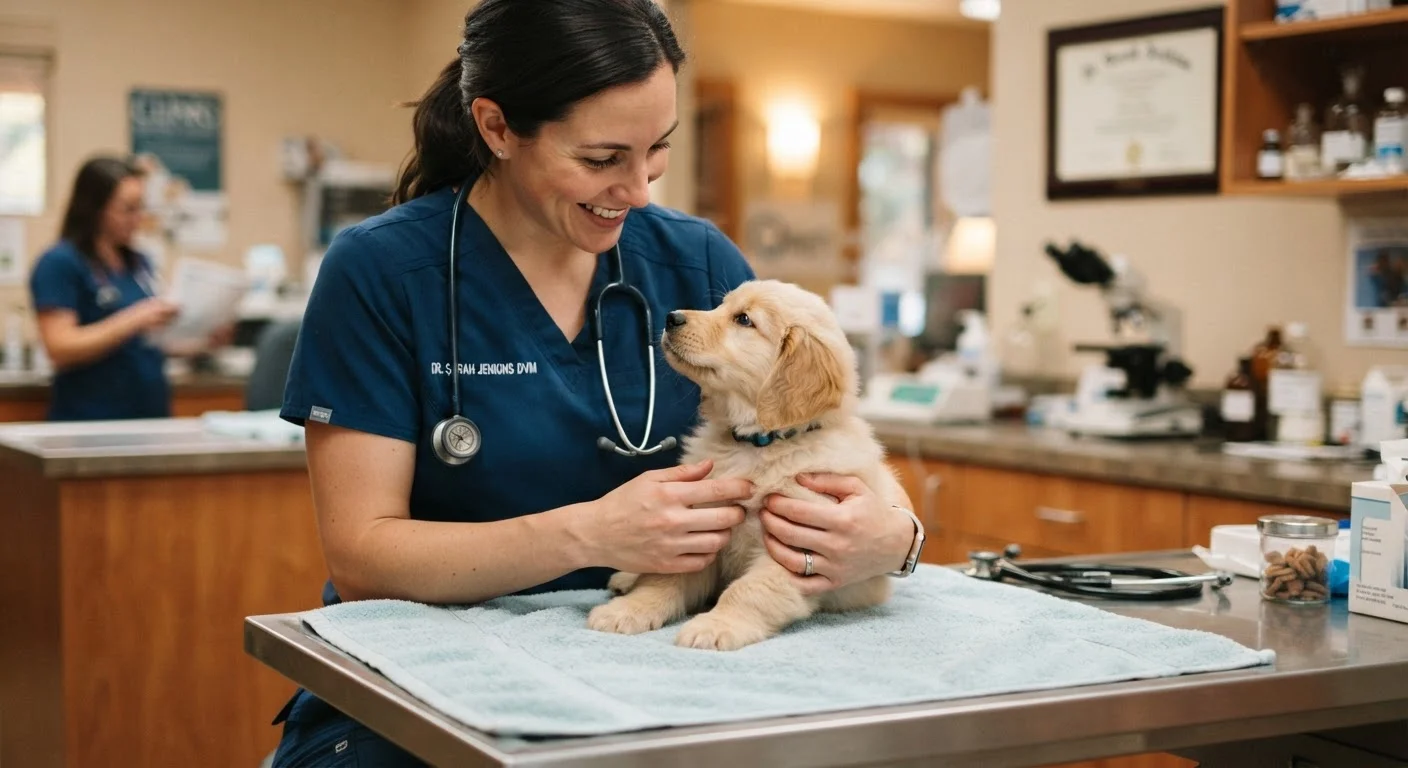
- Vaccines: Each vaccine (rabies, distemper, bordetella, etc.) is generally charged individually. What your pet needs depends on age, vaccination history, and local disease risk. For puppies, see our breakdown of core vs. non-core puppy vaccines.
- Parasite screening: Heartworm tests, fecal exams for intestinal worms, and tick-borne disease panels are often recommended but not always bundled. What parasites you actually need to worry about varies by region and season.
- Bloodwork: A complete blood count (CBC) or chemistry panel is often recommended for senior pets or those on long-term medications. It's not routine for every young, healthy animal.
- Urinalysis: Sometimes requested alongside bloodwork for older pets or those showing certain symptoms.
- Preventive medications: Flea, tick, and heartworm preventives are often prescribed at the visit but are a separate purchase.
1 in 3
Pets have a health issue detected at routine wellness visits
According to the American Veterinary Medical Association, routine exams frequently uncover conditions owners had not noticed at home.
~$50-$250
Typical annual exam fee range (U.S.)
Costs vary widely by geographic region, practice type (private vs. corporate clinic), and whether the practice is in a rural or urban area.
70%
Pets over age 3 show signs of dental disease
The American Veterinary Dental College estimates periodontal disease is among the most common diagnoses made during routine wellness exams.
Understanding this unbundled billing structure helps you ask smarter questions before the visit - and avoid sticker shock at checkout.
How to Prepare and What to Bring
A little preparation makes the visit more productive and may save you money by avoiding a follow-up call.
- Bring a fresh stool sample (collected within 24 hours) if your vet recommends a fecal exam - calling ahead to confirm avoids an extra trip.
- Write down any behavior changes you've noticed since the last visit, even minor ones: more water intake, less interest in play, changes in sleep patterns.
- Know your pet's current medications and supplements - including any over-the-counter products - so the vet can check for interactions or redundancy.
- Bring previous records if you've switched practices. Vaccination history especially helps avoid unnecessary re-vaccination.
If cost is a concern, it's entirely appropriate to tell your vet upfront: "I want to prioritize what's most important today." A good veterinarian will help you triage. For broader strategies on managing vet costs, see our guide on keeping vet costs manageable without skimping on care.
It's also worth knowing how a wellness visit differs from what you'd call if your pet seemed sick. The distinction between wellness and sick visits matters for scheduling and insurance purposes alike.
Pet Insurance and Routine Care
Standard pet insurance policies are typically designed for accidents and illnesses - not routine wellness visits. Some insurers offer optional wellness riders that reimburse for annual exams, vaccines, and parasite testing, but coverage limits, reimbursement rates, and eligible services vary considerably. Review the policy costs and structure before assuming your plan covers preventive care.
This article is for general informational purposes only and is not a substitute for professional veterinary advice. Always consult a licensed veterinarian for guidance specific to your pet's health and medical needs.