Why Pets Hide Pain
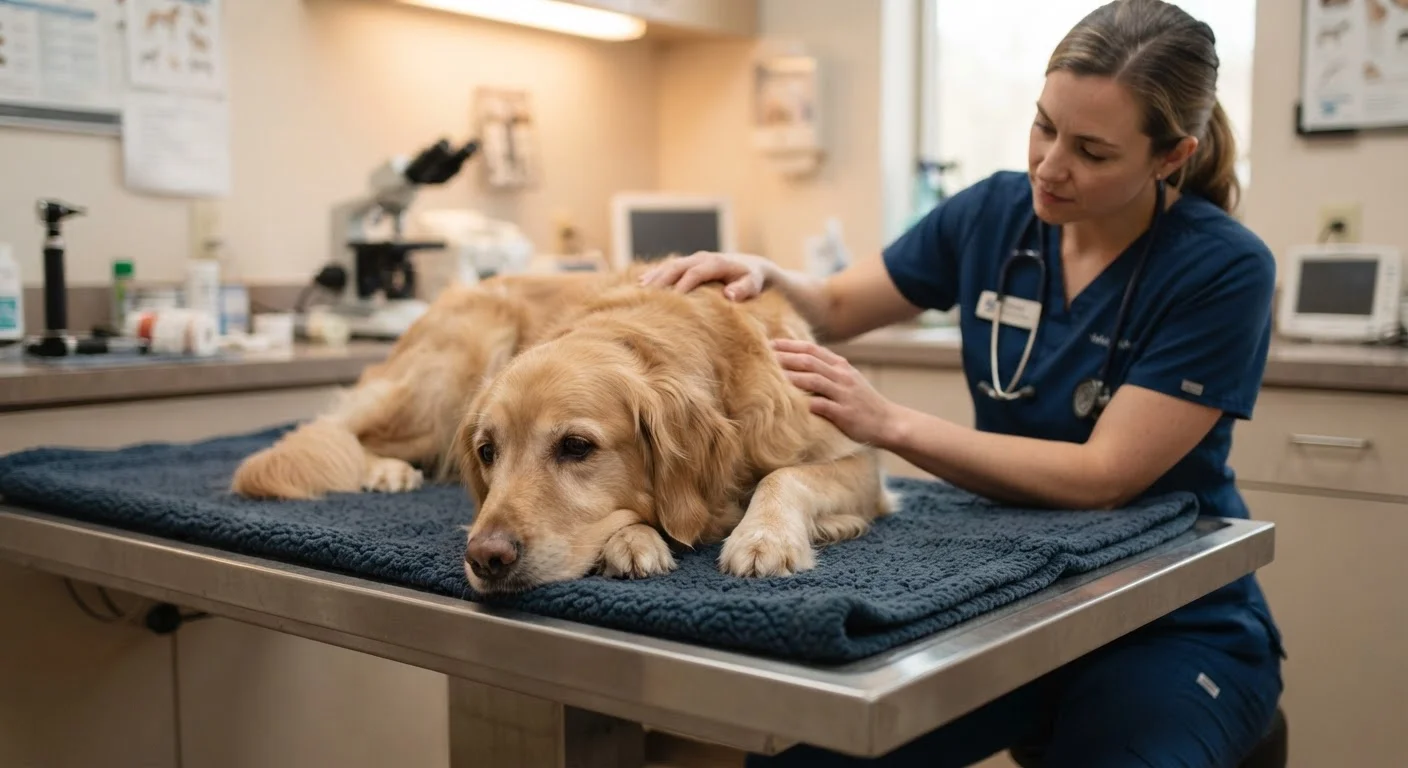
Animals are wired to conceal weakness. In the wild, showing vulnerability invites predators - so even domesticated dogs and cats retain this instinct. That means a pet who seems "fine" may actually be struggling, and a pet who has stopped complaining about something may not have gotten better.
This is why behavioral changes - not just visible injuries - are the real red flags pet owners need to watch. If you notice your animal acting differently, that shift in behavior is often your first and clearest signal that something is wrong.
Common Signs of Pain in Dogs and Cats
Pain shows up differently depending on the species, individual temperament, and the nature of the problem. That said, some patterns are consistent enough to take seriously.
Behavioral Changes
- Withdrawal or hiding: A normally sociable pet that starts avoiding contact or retreating to isolated spots is a classic pain indicator.
- Aggression or irritability: Snapping, growling, or hissing when touched - especially in a spot where your pet previously didn't mind contact - can signal localized pain.
- Restlessness or inability to settle: Pacing, repeatedly lying down and getting up, or refusing to rest can indicate discomfort.
- Changes in vocalization: Whimpering, yowling, or unusual silence from an otherwise vocal pet both warrant attention.
Physical Signs
- Limping or altered gait: Any favoring of a limb, stiffness after rest, or reluctance to jump up or climb stairs.
- Changes in posture: A hunched back, tucked abdomen, or lowered head can reflect internal discomfort.
- Excessive grooming or licking a specific area: Pets instinctively attend to painful spots. Persistent licking of one area is often a sign of localized pain or irritation.
- Loss of appetite or difficulty eating: Dental pain, nausea, or systemic illness can all suppress appetite.
- Rapid, shallow breathing at rest: This can indicate significant pain or respiratory distress - never ignore it.
Pain masking
The instinctive tendency of animals to conceal signs of illness or injury. Rooted in survival behavior, this makes recognizing pain in pets harder than it appears.
Localized pain
Discomfort confined to a specific body part, often visible through guarding behavior, limping, or persistent licking of a particular area.
Hepatic lipidosis
A serious liver condition in cats triggered by prolonged food refusal. This is why a cat not eating for more than 24-48 hours requires prompt veterinary attention.
Triage
The process of assessing the urgency of a medical problem to determine how quickly treatment is needed. Your vet's office can help you triage over the phone.
Guarding behavior
When a pet protects a painful area by pulling away, snapping, or tensing when that area is approached or touched.
When to Call the Vet - and When to Go Right Away
Not every sign of discomfort is an emergency, but some are. Use this framework to guide your decision.
Call your vet within 24 hours if your pet:
- Has been limping for more than a day without improvement
- Has stopped eating for more than 24 hours (cats especially - prolonged fasting can cause liver problems)
- Is licking or chewing a specific spot persistently
- Has visible swelling, lumps, or wounds that aren't healing
- Is sleeping significantly more than usual or seems mentally dull
Seek emergency care immediately if your pet:
- Cannot stand or is suddenly unable to use its hind legs
- Is breathing rapidly or with obvious effort while at rest
- Has a distended abdomen, especially in large-breed dogs
- Has had a seizure or lost consciousness
- Is crying out in obvious distress and cannot be soothed
A Note on Pain vs. Anxiety
Some pain signals - hiding, loss of appetite, behavioral changes - can also be symptoms of anxiety or stress rather than a physical injury. Your veterinarian is the right person to distinguish between the two. Don't try to self-diagnose; a brief phone call to your vet's office can help you figure out the right next step.
When in doubt, call your vet's office and describe what you're seeing. Most clinics have staff who can help you triage over the phone and decide whether your pet needs to be seen urgently. That call costs you nothing and could save your pet significant suffering.
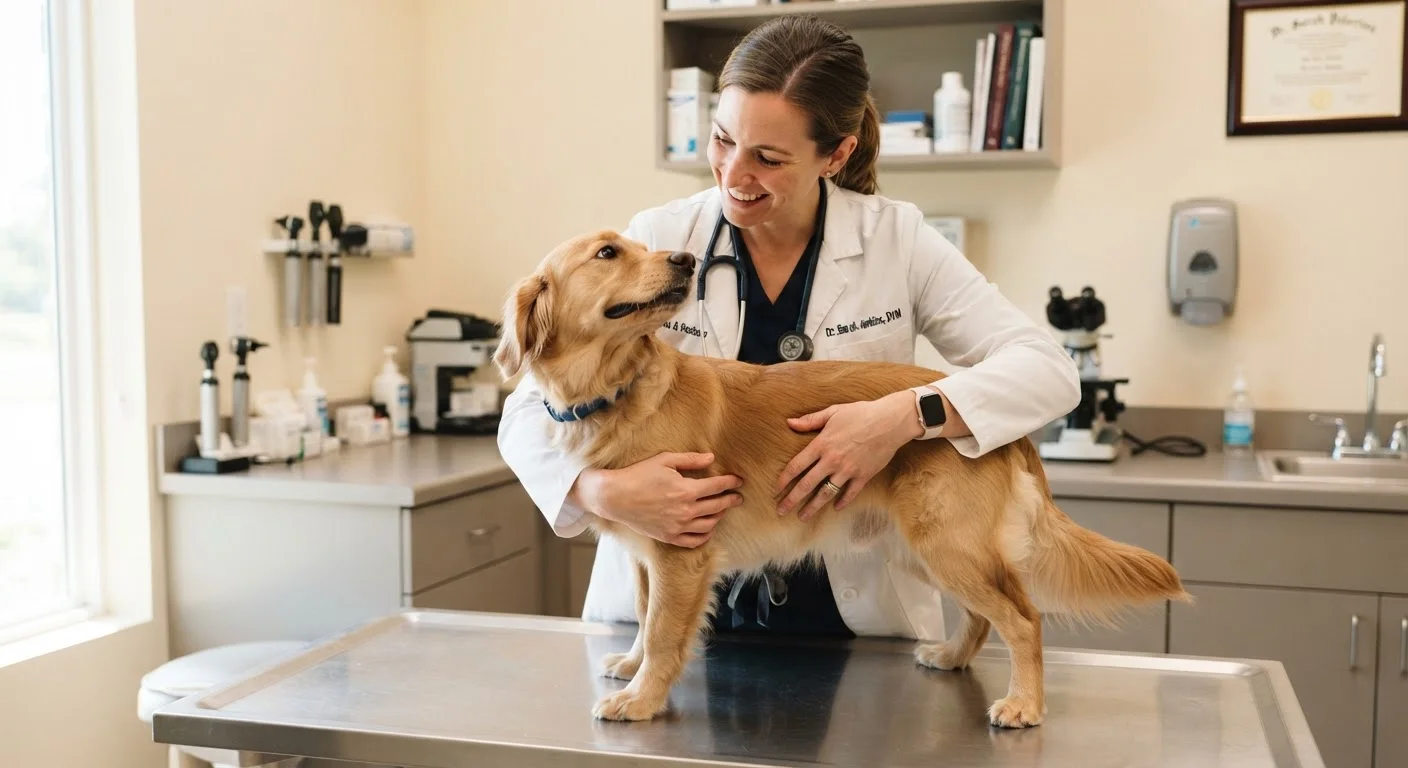
Routine wellness visits are also valuable precisely because vets are trained to detect early pain signs that owners miss. See what a standard annual exam actually covers to understand why these visits pay off. And if cost is a concern, there are legitimate strategies for keeping care affordable without delaying necessary treatment.
It's also worth noting that pain behaviors can sometimes overlap with anxiety symptoms. A pet that hides, stops eating, or becomes reactive may be anxious rather than physically hurting. Your vet can help differentiate the two - but it's useful to know that some owner responses can unintentionally worsen anxious behavior if the root cause is behavioral rather than medical.
Finally, consider putting together a home pet first-aid kit so you're prepared to support your pet while arranging professional care.
This article is for general informational purposes only and is not a substitute for professional veterinary advice. Always consult a licensed veterinarian for guidance specific to your pet's health and condition.