How Each Approach Actually Works
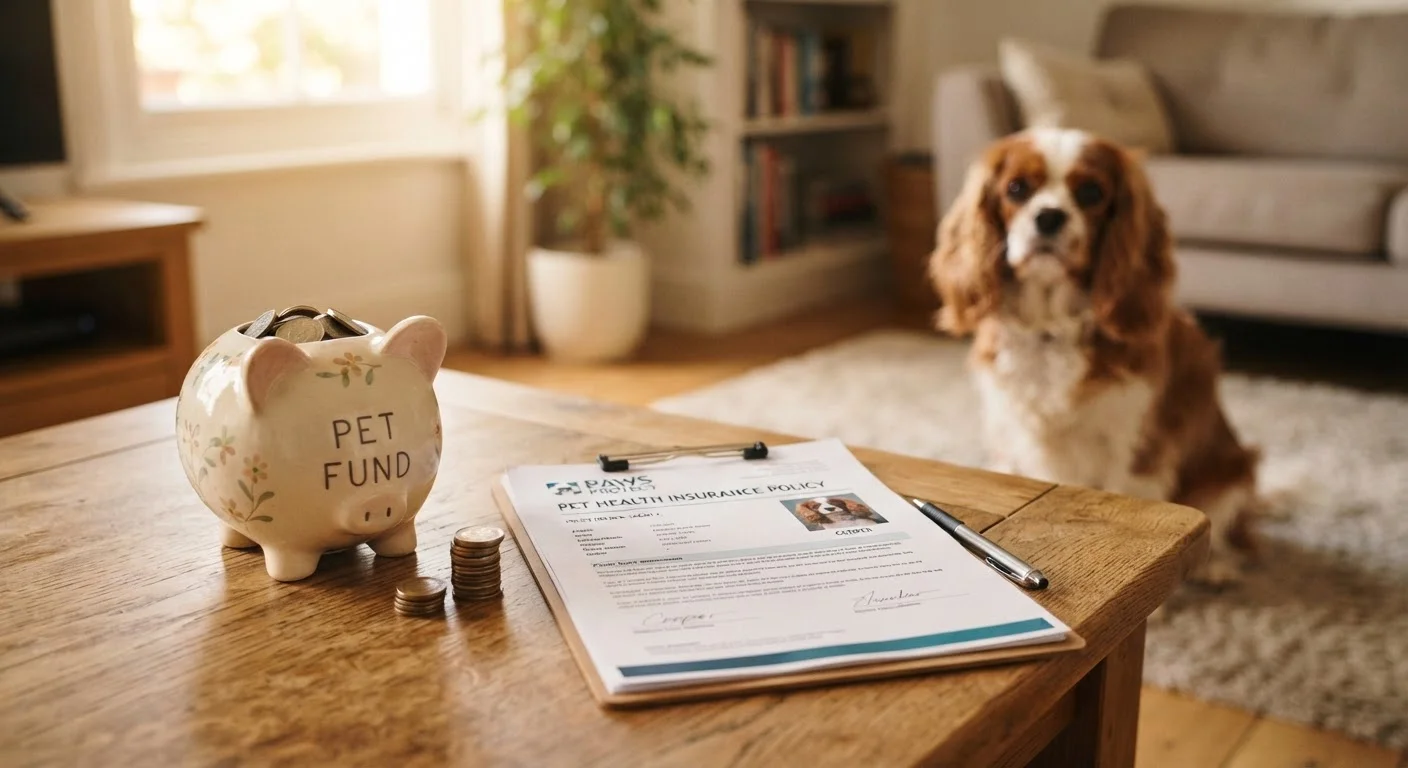
Pet insurance functions similarly to other health insurance products: you pay a monthly or annual premium, meet a deductible when a claim arises, and the insurer reimburses a percentage - typically 70-90% - of covered expenses up to a policy limit. Premiums vary based on your pet's species, breed, age, and location. Most policies cover accidents and illnesses; routine and preventive care generally require a separate wellness rider.
A dedicated savings fund is exactly what it sounds like: a separate account - often a high-yield savings account - where you deposit a fixed amount each month earmarked exclusively for vet costs. You own every dollar, it earns interest, and there are no exclusions. The trade-off is that the fund only pays out what you've put in, meaning a major emergency in year one could exhaust the balance before it's had time to grow.
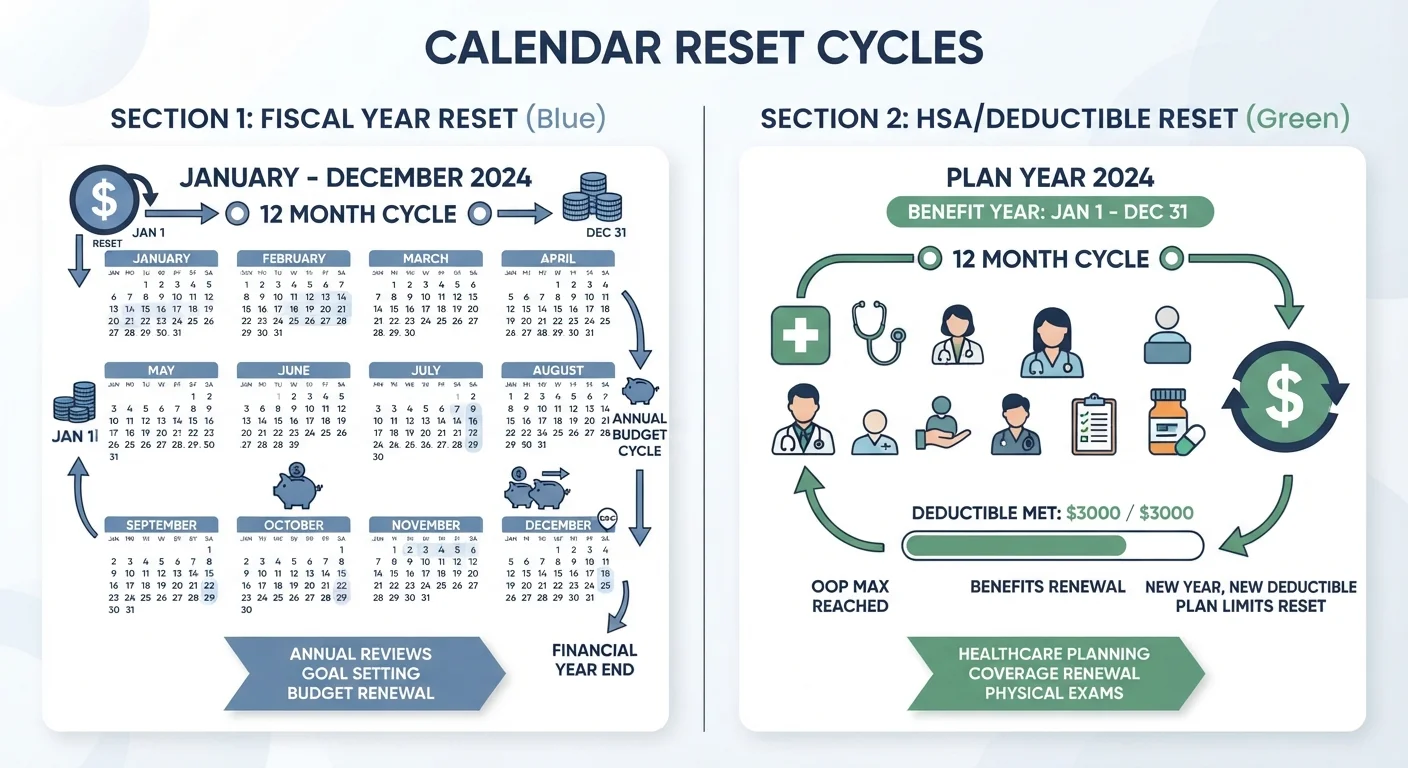
Understanding deductible structures matters for either path. If you do choose insurance, how your deductible resets - annually or per incident - affects your real out-of-pocket exposure. See our guide to annual vs. per-incident deductibles for a clear breakdown of the difference.
| Criterion | Pet Insurance | Dedicated Savings Fund |
|---|---|---|
| Monthly cost | Fixed premium (ongoing) | Self-determined contribution |
| Coverage ceiling | Policy limit (e.g. $5K-unlimited) | Whatever you've saved |
| Pre-existing conditions | Typically excluded | No exclusions |
| Timing risk (early emergency) | Low - covered from day one | High - fund may be underfunded |
| Unused funds | Premiums not refunded | Money stays yours |
| Routine care | Only with wellness add-on | Fully flexible |
| Interest earned | None | Yes, if in savings account |
| Administrative complexity | Claims process required | Withdraw as needed |
The Core Financial Trade-Off
With insurance, you are betting - in a financially rational sense - that your pet's care costs will exceed what you pay in premiums. The insurer is betting the opposite. Neither party is being unreasonable; insurance is a risk-transfer product, not a savings vehicle. If your pet stays healthy, you will likely pay more in premiums than you receive in reimbursements. That's not a flaw - it's how insurance functions by design.
A savings fund inverts this: every dollar you don't spend stays yours. But the fund carries what financial planners call timing risk. If a $6,000 orthopedic surgery happens when you have $800 saved, the gap must come from somewhere - a credit card, a personal loan, or a painful decision about care options. For more on how self-funded strategies handle unexpected gaps, our overview of sinking funds vs. emergency funds explains why many households actually run two separate savings pools.
$1,000-$5,000+
Typical cost range for a single emergency vet visit
Figures cited by the American Veterinary Medical Association reflect common surgical and critical care scenarios.
$30-$100+
Average monthly pet insurance premium (dogs)
Premium ranges vary widely by breed, age, location, and coverage tier, based on industry survey data.
1 in 3
Pets needing unexpected vet care each year
A frequently cited industry estimate suggesting unplanned vet visits are common across the U.S. pet-owning population.
One underappreciated risk of insurance: coverage limits. A policy with a $5,000 annual maximum may feel adequate until a cancer diagnosis triggers $12,000 in treatment costs. Our article on underinsurance and coverage gaps covers how to check whether a limit is truly sufficient.
What to Weigh Before You Decide
Your pet's risk profile. Breed matters considerably. Some breeds carry documented predispositions to hip dysplasia, cardiac conditions, or certain cancers - conditions that generate large, recurring costs. If your pet falls into a higher-risk category, the actuarial math for insurance tends to look more favorable. Conversely, a mixed-breed pet with no known risk factors may be a better candidate for self-funding.
Your pet's age at enrollment. Most insurers base premiums on age at enrollment, and many exclude conditions diagnosed before the policy starts. Enrolling a young, healthy pet locks in lower premiums and broader coverage. Waiting until a condition appears often means that condition becomes permanently excluded.
Your cash flow and risk tolerance. If your monthly budget is already stretched, a predictable insurance premium may be easier to manage than the uncertainty of irregular vet bills. If you have a solid financial cushion and consistent saving habits, a self-funded approach gives you full flexibility. Some households combine both - a modest insurance policy paired with a smaller savings buffer - to cover different expense tiers.
For context on how to structure a savings approach, our hub on saving strategies covers practical methods for building and maintaining dedicated accounts. And for a grounded look at keeping vet costs reasonable regardless of which path you choose, see keeping vet costs manageable without skimping on care.
This article provides general financial and pet care information for educational purposes only. It is not personalized financial or insurance advice. Consult a licensed insurance agent or financial adviser to evaluate options based on your specific situation.