What 'Buying in Bulk or Sets' Actually Means
In clothing, bulk buying typically means purchasing multipacks - three-packs of crew socks, five-packs of t-shirts, or a bundle of the same underwear style in different colors. Buying in sets refers to coordinated pieces sold together, like a matching tracksuit, a two-piece lounge set, or a swimsuit with a cover-up. Both approaches promise convenience and savings, but they work in meaningfully different ways.
Understanding which category you're shopping in matters. Multipacks are usually about replenishing staples cheaply. Sets are more about outfit cohesion and ease. The questions you should ask - and the risks you should watch for - differ between the two. For a broader look at when bulk purchasing pays off, see when bulk buying actually saves money.
The Real Advantages
There are solid reasons why shoppers reach for the multipack or the matching set - and they go beyond just saving a few dollars.
Lower per-item cost on everyday basics
Multipacks almost always bring the unit price down compared to buying the same item individually. For high-turnover basics like socks, underwear, and plain tees, this is a straightforward, repeatable saving.
Saves time and reduces decision fatigue
Matching sets eliminate the need to coordinate tops and bottoms daily. For busy schedules, having pre-matched outfit options already hanging in your closet is a practical advantage.
Consistent fit across multiples of the same item
When you buy the same style in bulk, you know exactly how it fits. There's no guesswork or variation between pieces, which matters especially for workout wear and work basics.
Fewer shopping trips and reorder moments
Stocking up on items you'll definitely use reduces how often you need to shop for replacements - a small but real convenience, especially for staples with predictable wear patterns.
For those who struggle with putting outfits together, coordinated sets remove the guesswork entirely. You already know the pieces work together - they were designed that way. That's a genuine time-saver on busy mornings.
The Real Drawbacks
The appeal of bulk and set buying is real, but so are the pitfalls. Going in without a clear plan can mean spending more than you save.
Large upfront cost even when per-item price is lower
A multipack that costs $40 may be cheaper per shirt than a $12 single, but it still requires $40 at checkout. For shoppers on tight monthly budgets, that lump sum can strain spending plans.
Quality in multipacks can be noticeably lower
Manufacturers often use thinner fabrics or simpler construction in bulk-packaged items to hit a lower price point. Items that seem like a bargain may wear out faster, negating the cost advantage.
Sets can limit mix-and-match flexibility
When pieces are designed only to work together, they're harder to integrate into the rest of your wardrobe. A matching set that can't be worn separately quickly becomes a one-look item.
Risk of buying more than you'll actually wear
Overbuying basics - especially in the same color or cut - means some pieces sit unused. Clothes that aren't worn represent money spent and closet space occupied for no return.
Difficult to return or exchange partial quantities
Many retailers won't accept returns on opened multipacks, and sets are often sold as a unit. If one piece doesn't fit or perform well, you may be stuck with the whole purchase.
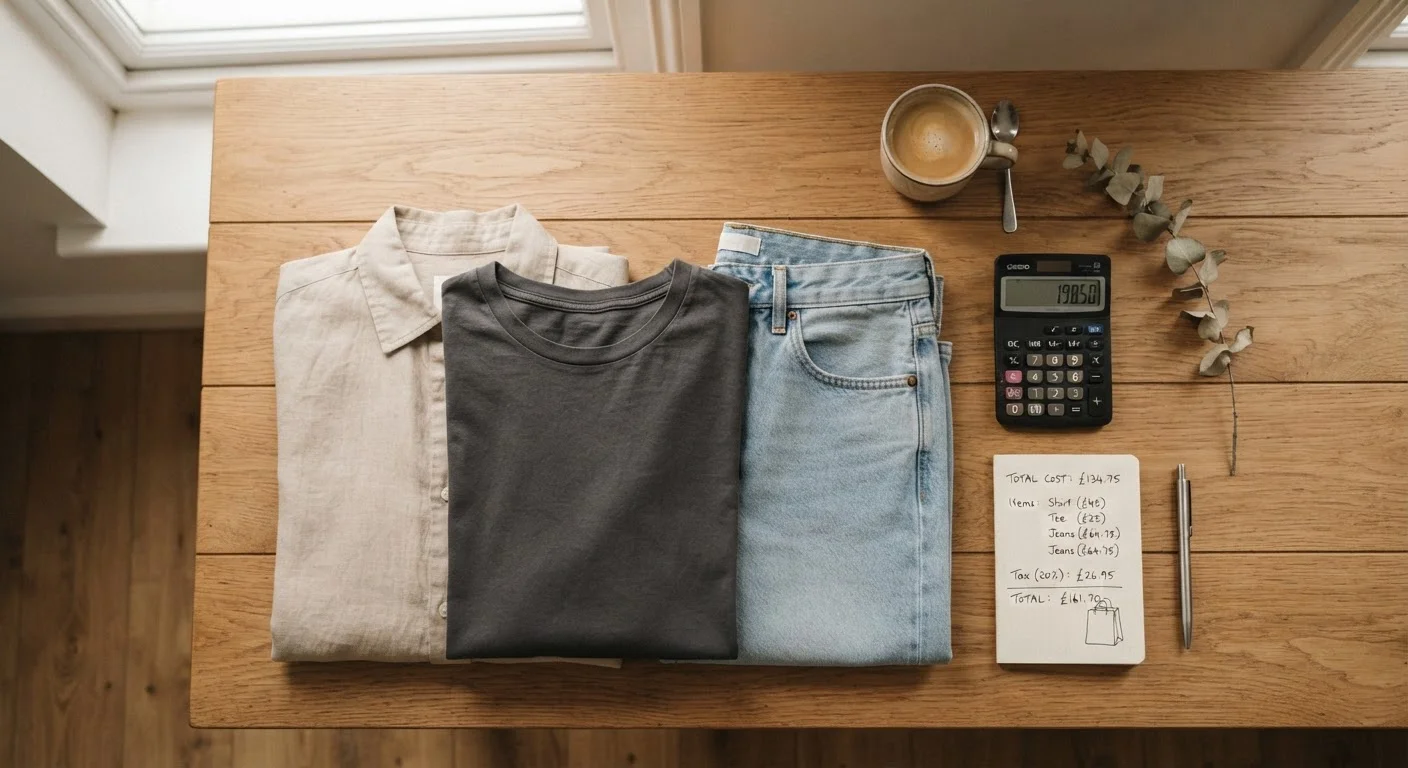
It's also worth applying a cost-per-wear calculation before any bulk purchase. A six-pack of tees looks like a deal until three of them fade after a handful of washes - at that point, the per-wear cost climbs fast.
~30%
Clothing Americans buy but rarely or never wear
Research from various wardrobe studies consistently estimates that a significant share of purchased clothing goes unworn, making intentional buying especially important.
2-3x
How much longer quality basics typically last
Consumer testing by clothing durability researchers has found that mid-quality basics often outlast discount multipacks by a factor of two to three wash cycles.
When It Makes Sense - and When It Doesn't
Bulk and set buying earns its place in a smart wardrobe strategy under specific conditions. It works well when you're replacing something you already know you love - the same socks you've worn for two years, the same athletic shorts that held up through hundreds of workouts. It also works for underlayers and basics that don't need to express personal style: plain white tees, neutral leggings, everyday bras.
It works less well when you're experimenting with a new style, buying a set primarily because it photographs well, or grabbing a multipack just because the math looks appealing in the moment. If you're drawn to the idea of a more intentional approach to what fills your closet, articles on fast versus slow fashion trade-offs and thrift shopping versus buying new can add useful perspective. For broader saving context, the saving strategies hub is worth a browse too.
A Note on Sizing in Multipacks
If you haven't worn a particular multipack brand before, consider ordering a single item first to confirm the fit and fabric quality. Sizing in bulk basics can run differently from individual retail items - even within the same brand family. This small step can save you from being stuck with a full pack that doesn't work.