Why Dress Codes Feel So Confusing
Dress codes have always existed to signal the tone of an event or environment - but somewhere between office memos and wedding invitations, the language got murky. Terms like "Business Casual" and "Smart Casual" mean different things to different people, and vague wording like "festive attire" or "resort casual" can send even confident dressers into a spiral.
The good news: once you understand the underlying logic of each tier, the guesswork mostly disappears. Dress codes operate on a spectrum from fully relaxed to strictly formal. Your job is simply to identify where an occasion lands on that spectrum - and dress accordingly.
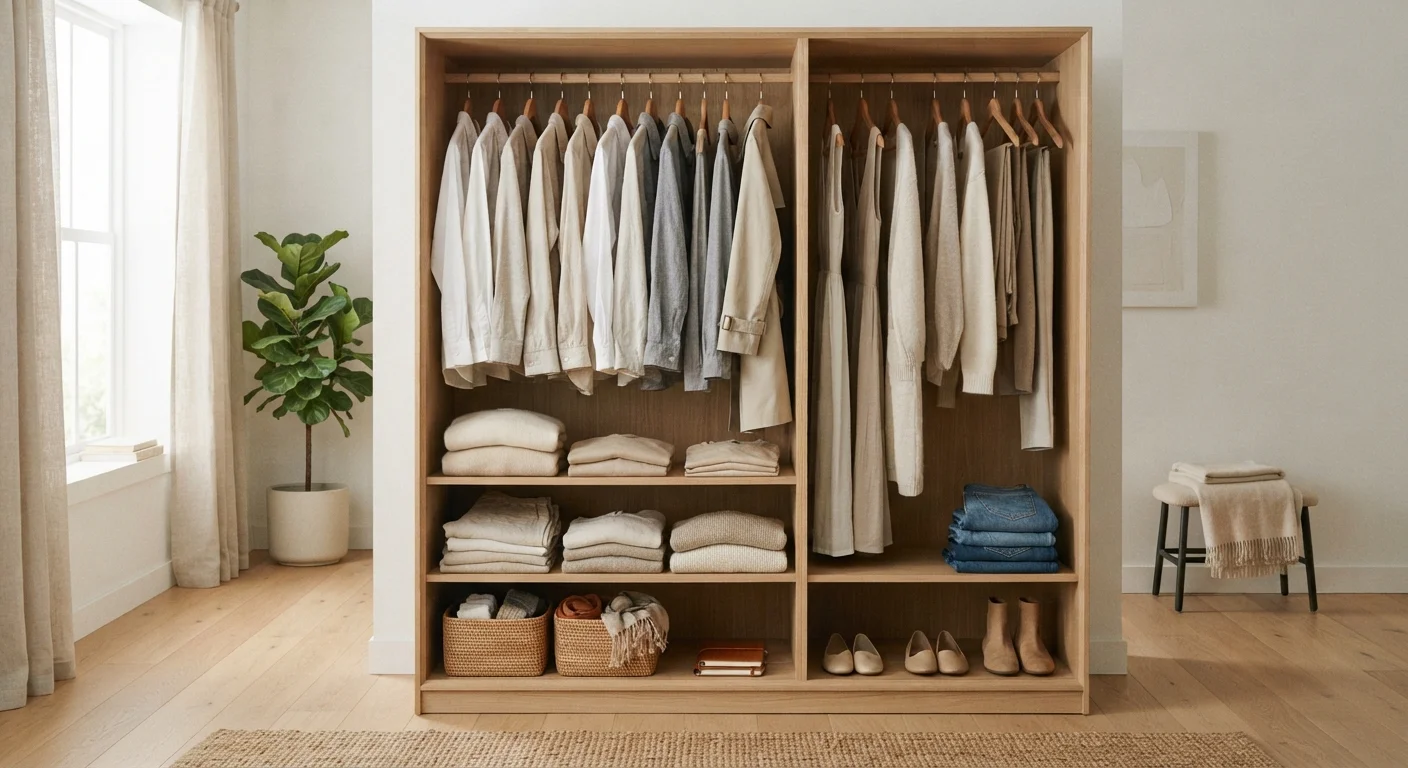
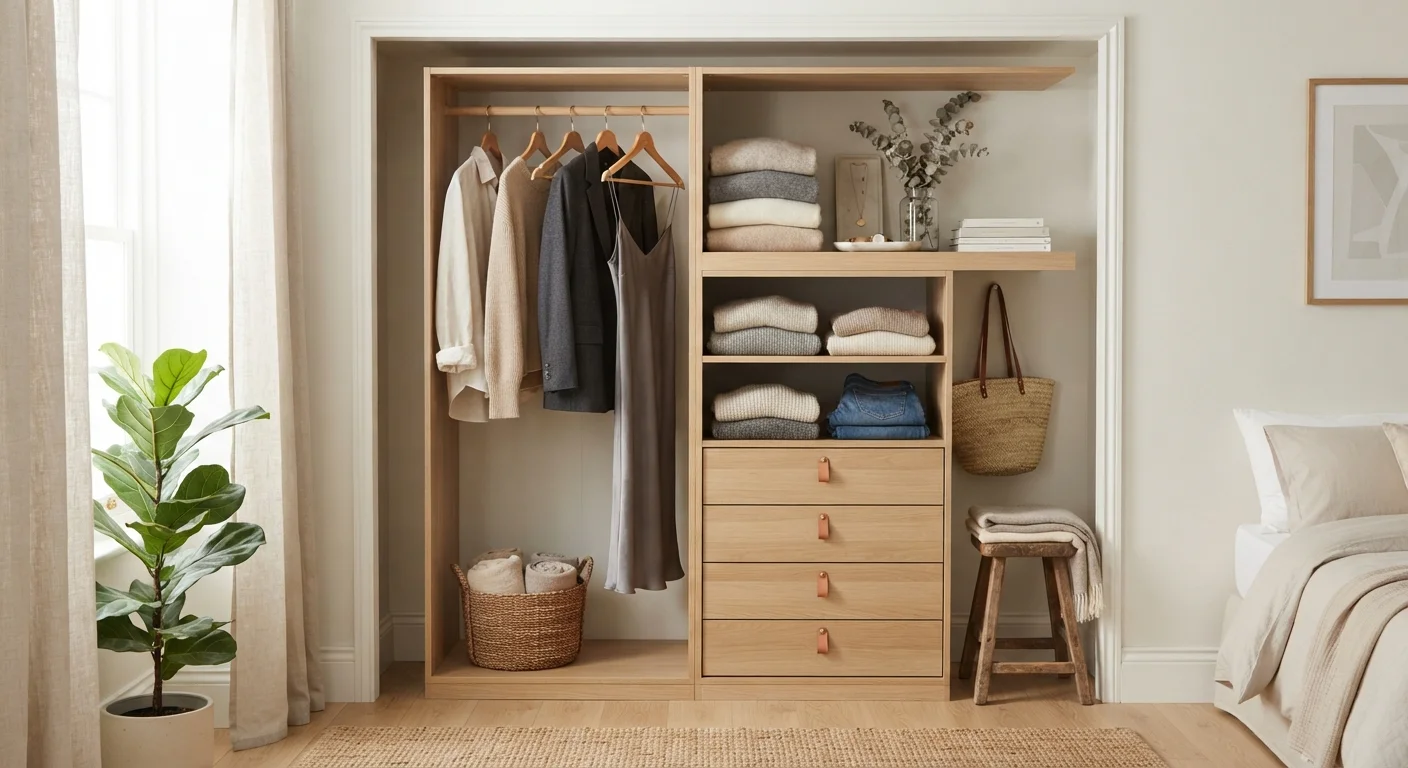
If you're still building the foundational pieces that make cross-code dressing easy, our guide to building a versatile wardrobe is a great place to start.
| Dress Code Levels | 5 main tiers: Casual, Smart Casual, Business Casual, Cocktail/Semiformal, Black Tie/Formal |
| Most Common Office Standard | Business Casual - used by the majority of U.S. office workplaces |
| Safest When in Doubt | Dress one level up from your best guess - overdressed is easier to adjust than underdressed |
| Versatile Anchor Piece | A well-fitted blazer can elevate most outfits across three or more dress code tiers |
| Most Misunderstood Code | "Smart Casual" - commonly confused with both Business Casual and plain Casual |
The Dress Code Spectrum, Tier by Tier
Here's a plain-English breakdown of each major dress code level - what it signals, where you'll encounter it, and what to actually wear.
Casual
The most permissive tier. Think weekend errands, backyard cookouts, and casual dinners with friends. Jeans, T-shirts, sneakers, and sundresses all fit. The only rule: clothes should be clean, intact, and reasonably well-fitted. Sloppy doesn't equal casual.
Smart Casual
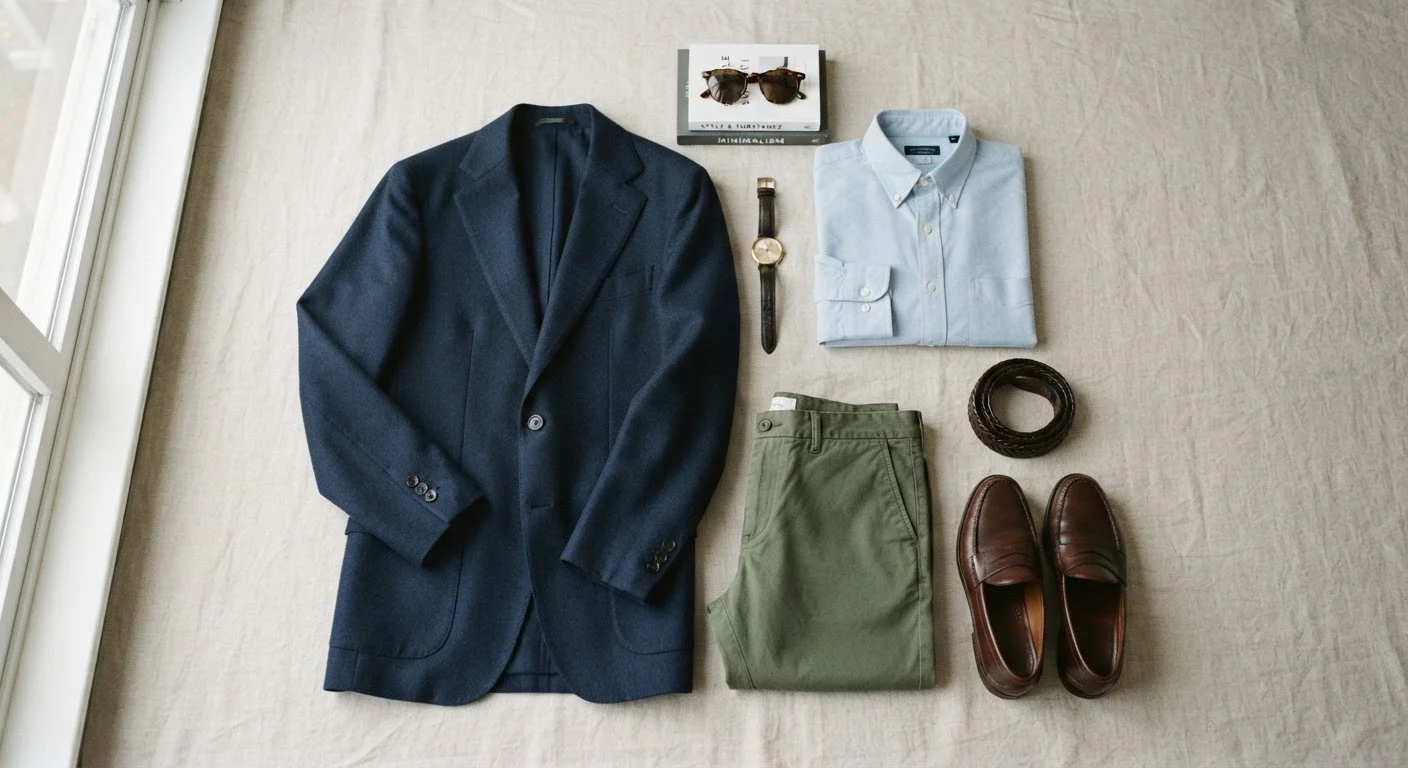
This is the most commonly misread code. Smart Casual asks you to look intentional without being formal. Dark-wash jeans paired with a tucked blouse or structured knit, neat leather sneakers or loafers, and thoughtful accessories all work. Avoid overly athletic pieces and anything wrinkled or worn-looking. Think: stylish enough to walk into a nice restaurant without hesitation.
Business Casual
The dominant standard in American workplaces. Polished but not stiff. Chinos, slacks, collared shirts, blouses, cardigans, and blazers belong here. Clean leather shoes or dressy flats complete the picture. Jeans are usually a grey area - dark, well-fitted denim may fly in some offices but not others. When uncertain, leave them home.
Cocktail / Semiformal
Reserved for evening events with a celebratory or upscale social vibe: weddings, fundraisers, formal holiday parties. Women typically wear knee-to-midi dresses or dressy separates. Men reach for a dark suit, dress shirt, and tie. Accessories and shoes should feel deliberately chosen rather than grabbed at the last minute.
Black Tie / Formal
The most elevated tier. Tuxedos for men; floor-length gowns or very formal short dresses for women. This level is rare in everyday American life but shows up at certain galas, awards events, and very formal weddings. The invitation will almost always say "Black Tie" explicitly - don't assign this tier unless you see it in writing.
Business Formal
The most conservative professional dress level. Typically includes a matched suit, dress shirt, tie, and leather dress shoes for men; tailored suit, dress, or skirt suit for women. Seen at executive meetings, courtrooms, and formal corporate events.
Business Casual
A relaxed professional standard that still looks polished and intentional. Slacks, chinos, collared shirts, blouses, blazers, and loafers are common. Jeans, graphic tees, and athletic shoes generally fall outside this category.
Smart Casual
A social or semiformal standard that bridges casual and professional. It allows well-fitting jeans in dark washes, stylish knitwear, neat sneakers, and other thoughtfully chosen relaxed pieces combined with elevated basics.
Cocktail Attire
Semiformal dress for evening social events such as weddings, galas, or holiday parties. For women, knee- to midi-length dresses or dressy separates work well. For men, a dark suit with a dress shirt and tie fits the mark.
Casual
The most relaxed dress code, appropriate for everyday errands, informal gatherings, and leisure activities. Jeans, T-shirts, sneakers, and comfortable everyday pieces are all fair game. Even casual dress benefits from clean, well-fitting garments.
Black Tie
A formal dress code reserved for upscale events such as galas, award ceremonies, and formal weddings. Men typically wear a tuxedo; women wear floor-length gowns or very formal cocktail-length dresses.
Practical Rules for Getting It Right Every Time
Understanding the tiers is half the battle. Applying them confidently is the other half. A few principles make the translation from definition to outfit much smoother.
When the Invitation Doesn't Specify
If an invite skips the dress code entirely, context is your best clue. A rooftop happy hour at 6 p.m. likely calls for Smart Casual; a Saturday evening wedding almost certainly means Cocktail or above. When in genuine doubt, reaching out to the host is never wrong - it shows consideration rather than cluelessness.
- Dress one level up when unsure. Arriving slightly overdressed is far easier to manage - removing a blazer or swapping jewelry - than arriving underdressed with no fix available.
- Invest in adaptable anchor pieces. A well-fitted blazer, dark trousers, a crisp white button-down, and versatile shoes can collectively cover Business Casual through Cocktail depending on how they're combined.
- Fit matters more than formality. A clean, well-fitting casual outfit will consistently read as more appropriate than a too-large, wrinkled suit. Tailoring - even basic alterations - dramatically improves how any piece looks.
- Read the context clues. Time of day, venue, and host all offer hints. Morning garden party and black-tie gala are rarely the same dress code, even if both say "formal."
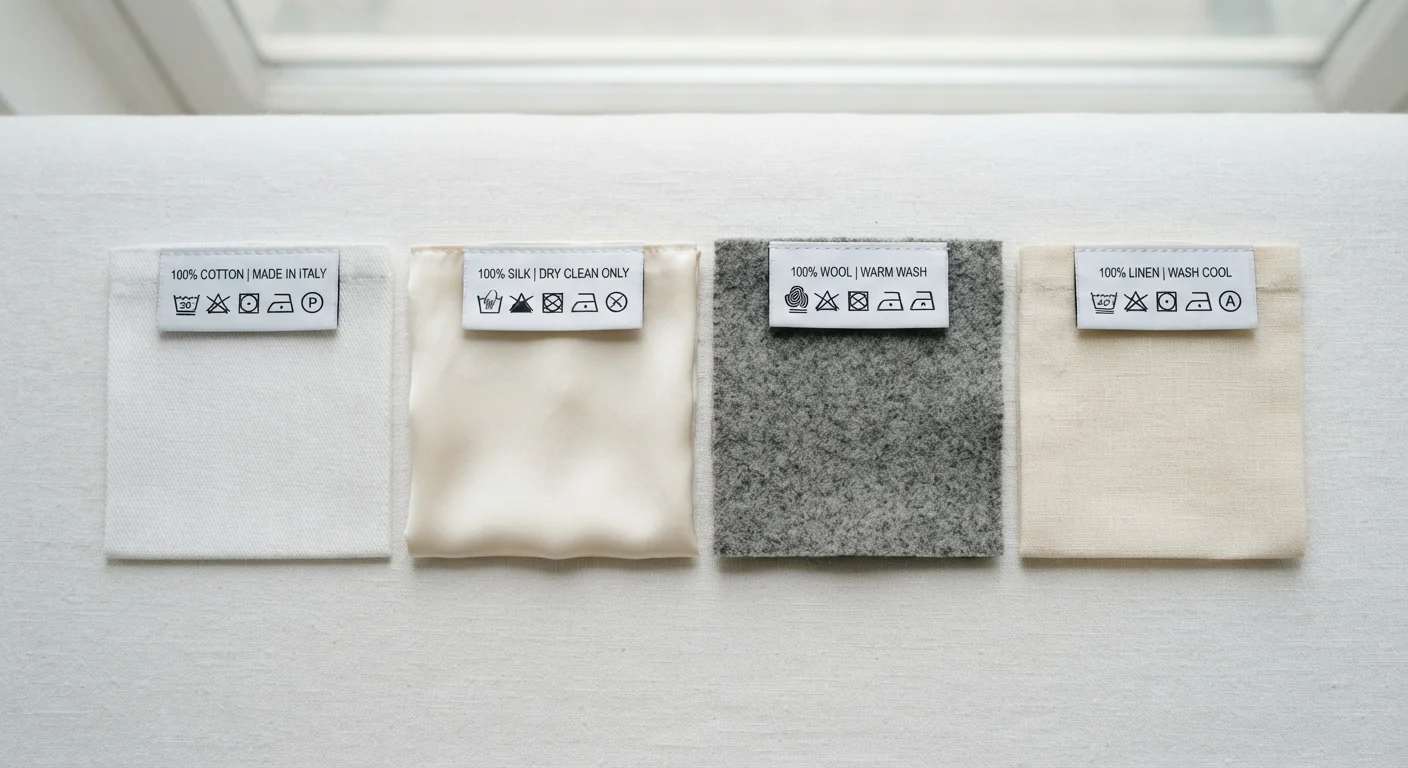
For more on building outfits that work across occasions, see the practical end-to-end style guide for budget-conscious dressers. And once you've invested in quality pieces for any tier, protect them - the clothing care labels guide will help your wardrobe last longer.