Why Everyday American Style Starts With Clarity
Most Americans don't have a style problem - they have a clarity problem. The closet is full, yet nothing feels right. Sound familiar? The antidote isn't more clothes; it's a clearer picture of who you're dressing for and what your daily life actually requires.
Before buying a single item, spend ten minutes mapping your weekly routine. How many days are casual versus work-appropriate? Do weekends involve outdoor activities, social events, or mostly errands? Honest answers to these questions reveal the real shape of your wardrobe needs - and expose the categories where you're likely over- or under-invested.
Think of this as your personal style brief. Once you know what you need your clothes to do, every future purchase becomes easier to evaluate. For readers just beginning this process, our beginner's wardrobe guide offers a structured walkthrough of foundational pieces and color logic.
Start With Your Lifestyle, Not Your Wishlist
Before browsing anything, jot down your five most common weekly scenarios - work, errands, workouts, socializing, and so on. Then check whether your current wardrobe actually serves each one. The gaps you find become your real shopping list.
Building a Wardrobe Foundation That Actually Works
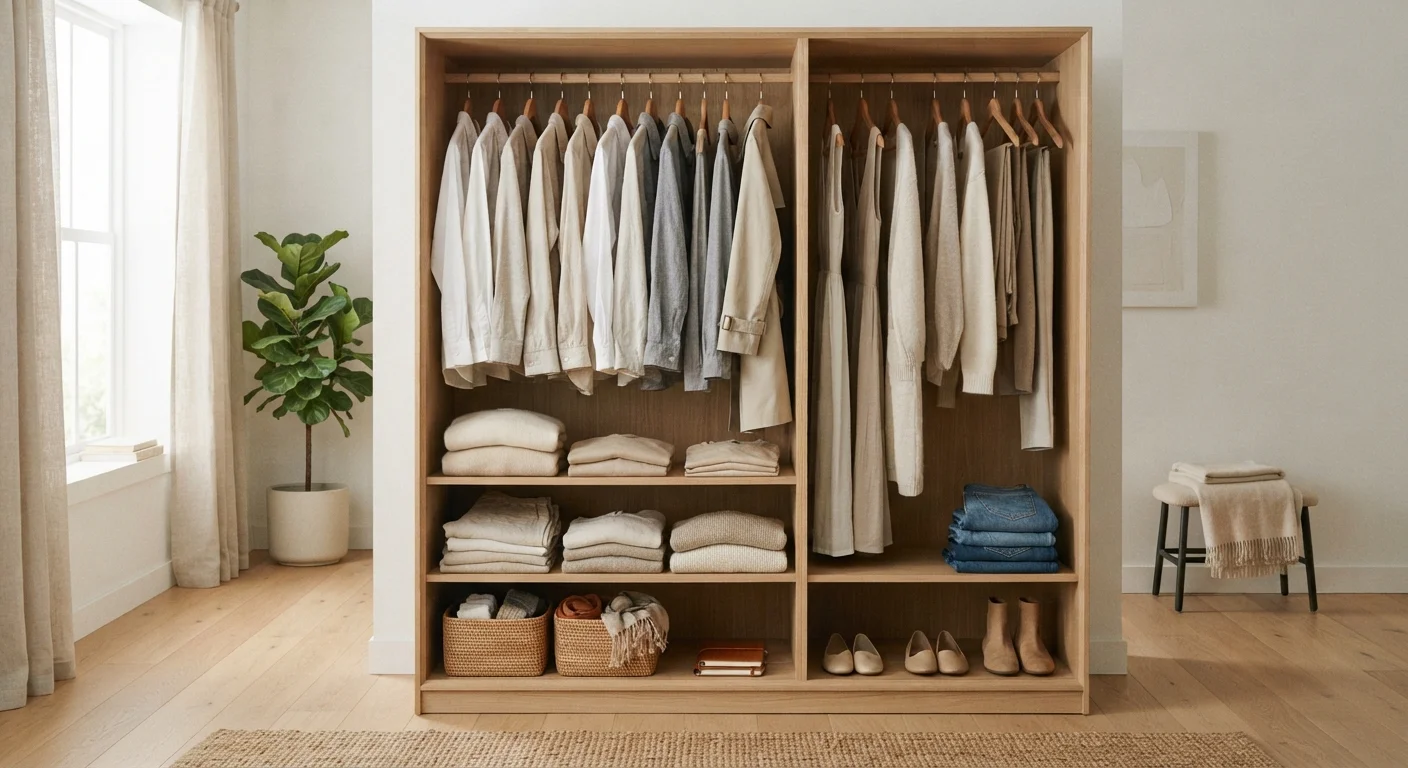
A functional wardrobe is built around versatile anchor pieces - garments that mix easily with others and suit multiple occasions. For most everyday Americans, that means a handful of well-fitting bottoms in neutral tones, a few layering tops, one structured outer layer, and reliable footwear that bridges casual and semi-formal settings.
Versatility is the key metric. Ask of every item: How many other pieces in my closet does this work with? If the honest answer is fewer than three, the item earns its place only if it fills a true gap - say, a specific occasion or seasonal need.
~$1,700
Annual apparel spending per U.S. consumer
The U.S. Bureau of Labor Statistics Consumer Expenditure Survey consistently places average household apparel spending in this range, underscoring how much is at stake in everyday clothing decisions.
30%
Clothes never worn after purchase
Research from various consumer behavior studies suggests roughly a third of purchased clothing is worn fewer than three times, pointing to a widespread gap between intention and use.
Resist the urge to fill every category at once. A wardrobe built gradually - replacing worn items with intentional upgrades - stays lean and coherent. Over time, gaps become obvious on their own, making shopping decisions nearly automatic.
Color, Fit, and Proportion: The Invisible Rules
Two people can wear the same shirt at very different price points and look worlds apart - the difference is almost always fit. Clothes that align with your actual body shape, rather than a size label, project confidence and polish regardless of what they cost. When in doubt, prioritize fit over everything else.
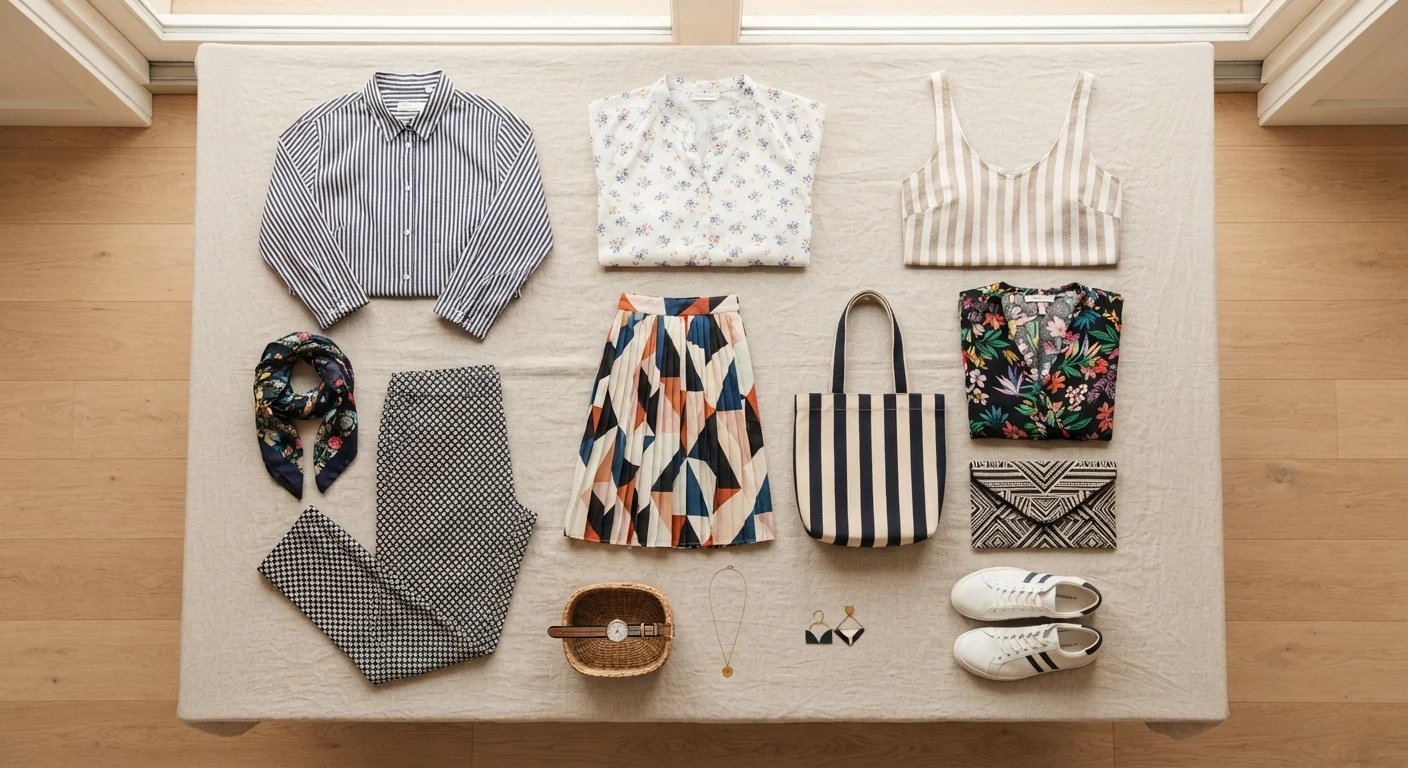
A neutral palette - think navy, white, grey, olive, camel, and black - creates a natural framework where pieces automatically coordinate. Once your neutrals are solid, adding one or two accent colors or patterns feels intentional rather than chaotic. Our guide on pattern mixing and proportion breaks down how to layer prints and balance silhouettes accessibly for any body type and budget.
When trying on anything in a store, sit down, raise your arms, and take a few steps. If the garment pulls, gaps, or rides up in any of those positions, it won't work in daily life - regardless of how it looks standing still.
Most clothing is sized for a static standing position, but real life involves movement. Fit-testing under realistic conditions prevents expensive returns and wasted purchases.
Build your neutral palette before adding color. Once you have a working base of three to four neutrals that all coordinate, any color or print you add will automatically have multiple partners in your closet.
Neutral anchors multiply outfit options exponentially without requiring more pieces, which is the core logic behind capsule-style dressing for any budget level.
Proportion matters too. Looser tops pair naturally with more fitted bottoms, and vice versa. This one principle eliminates a lot of the guesswork around what goes together.
Never Buy for Fit You Hope to Achieve
Purchasing clothes in a size you plan to grow into or out of is one of the most common wardrobe budget leaks. Clothes should fit your body right now. Alterations are a far smarter investment than holding a closet full of aspirational sizes that may never see regular wear.
Shopping Smarter Without Spending More
Intentional shopping starts before you reach any store or website. A written list of specific gaps - not vague wishes like "more casual tops" but concrete items like "a white crewneck in a medium weight" - dramatically reduces impulse purchases and decision fatigue.
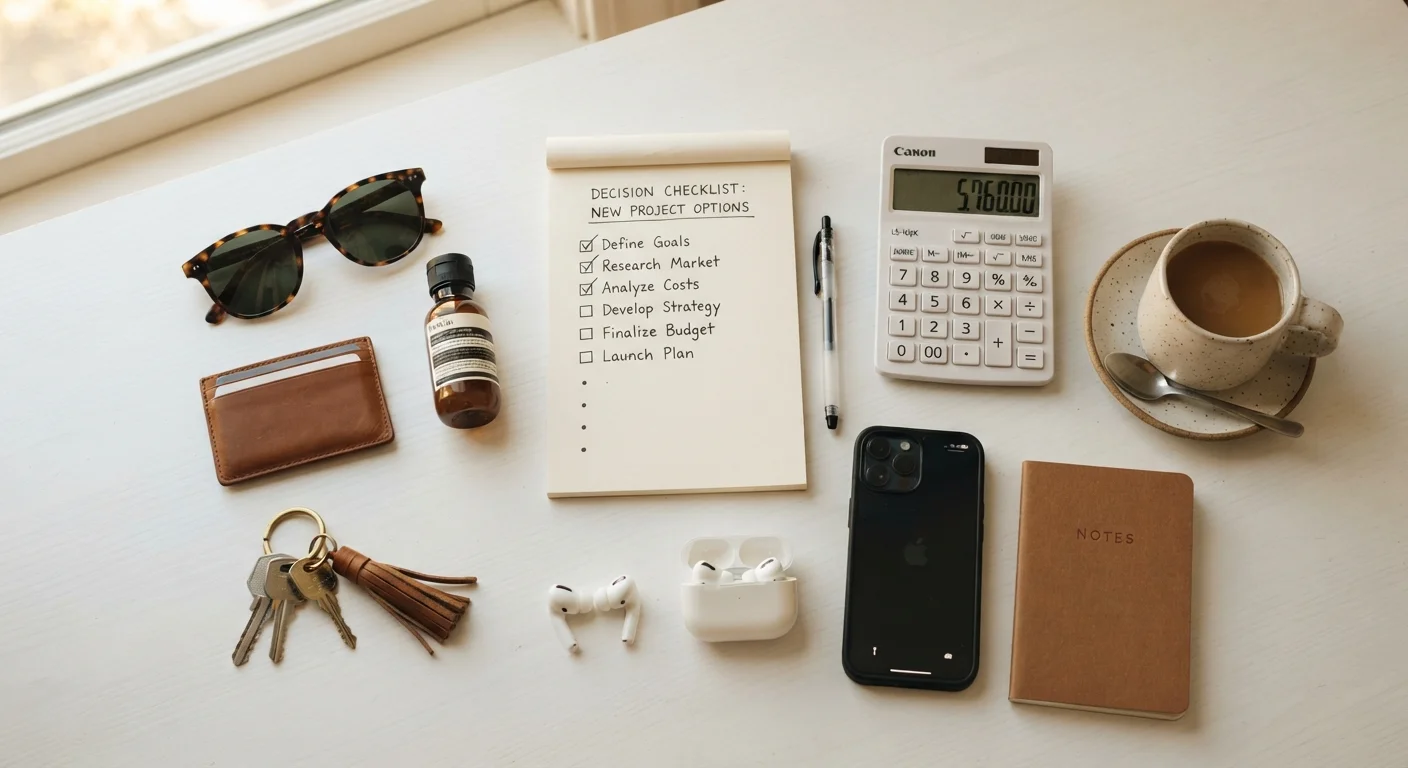
Evaluate potential purchases on cost-per-wear rather than sticker price. A $60 pair of trousers worn twice a week for two years costs roughly $0.58 per wear. A $15 trend piece worn three times costs $5 per wear. The math quietly favors quality over novelty. For a deeper framework on evaluating purchases this way, our complete purchase decision guide walks through every dimension of smarter spending.
Shopping secondhand, waiting for end-of-season markdowns on classic styles, and learning basic alterations are all legitimate tools for the budget-conscious dresser. None require sacrificing personal style. More general spending strategies are covered in our smarter spending roadmap.
Avoid the 'Cheap Fill-In' Trap
Buying inexpensive items just to plug an immediate gap often means buying the same category again within months. If a piece doesn't truly fit, coordinate with what you own, or serve a real need, it's not a saving - it's a delayed expense. Waiting for the right item almost always costs less over time.
Caring for Your Clothes to Stretch Every Dollar
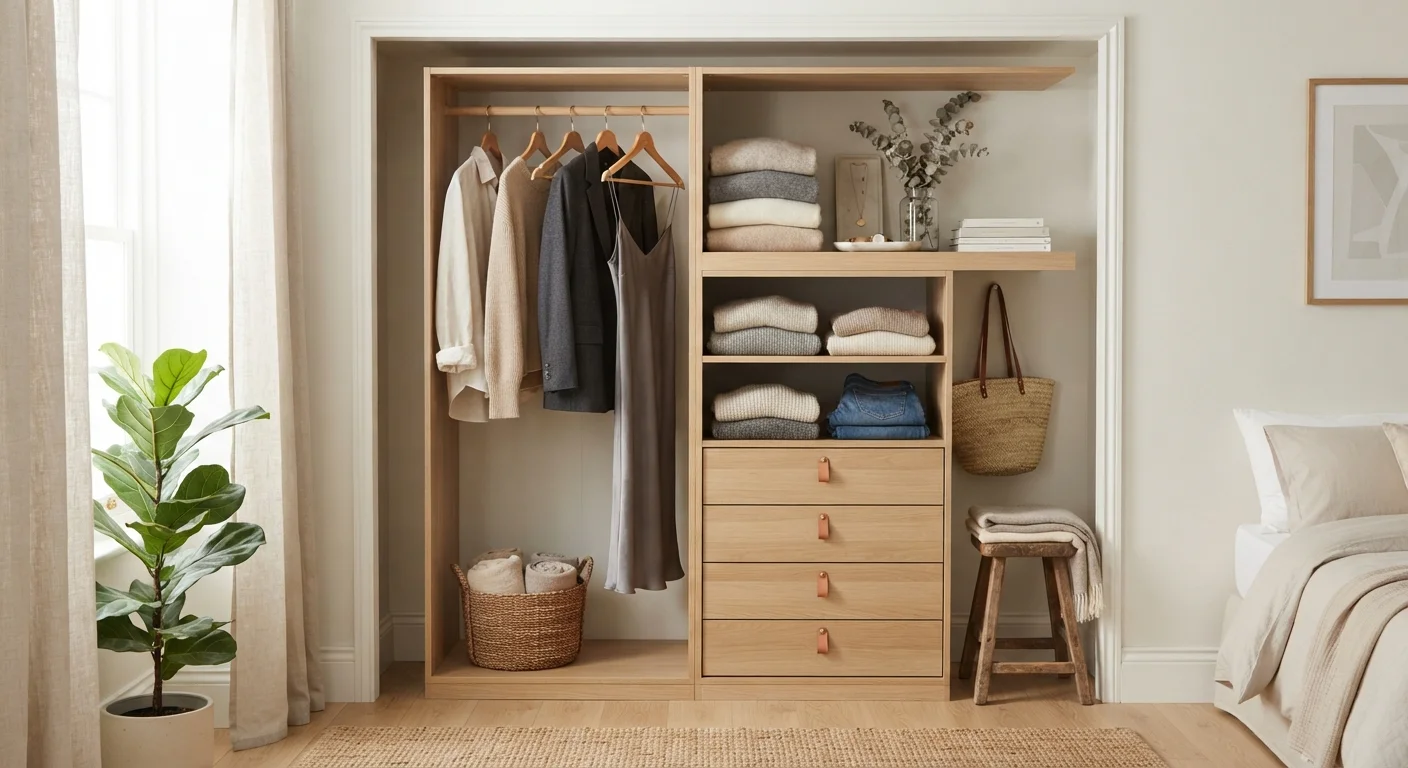
Garment care is the most underrated element of a budget-friendly wardrobe. Washing clothes in cold water on a gentle cycle, air-drying when possible, and storing knits folded rather than hung can meaningfully extend the life of everyday pieces.
Read care labels - not just when something goes wrong. Following fabric-specific guidance prevents shrinkage, pilling, and color fade that accelerate replacement cycles. A $25 bottle of gentle detergent designed for delicates can protect a season's worth of investment pieces far better than a harsh all-purpose formula.
Dry Cleaning Isn't Always Necessary
Many garments labeled 'dry clean recommended' - as opposed to 'dry clean only' - can be safely hand-washed in cool water with a gentle detergent. When in doubt, test on an inconspicuous area first. Reducing unnecessary dry cleaning saves money and reduces garment wear from chemical solvents.
Basic repairs - sewing on a loose button, re-hemming trousers, or darning a small hole - require minimal skill and free tutorials are widely available. Keeping a small sewing kit at home turns minor damage into a five-minute fix rather than a reason to replace.
Putting It All Together: Your Action Plan
Dressing well consistently is less about inspiration and more about systems. Here's a practical sequence to start this week:
- Audit your closet. Pull out anything that doesn't fit, hasn't been worn in over a year, or has no clear pairing partner. Donate or consign.
- Map your real routine. Identify the three to four outfit formulas your life actually demands.
- List your genuine gaps. Be specific - fabric weight, color, occasion.
- Set a per-item budget ceiling. Define what you're willing to spend per category before you start browsing.
- Shop with your list. Treat off-list items as automatic nos unless they clearly fill an identified gap.
- Care for what you own. Build a ten-minute weekly habit around laundry, folding, and minor repairs.
Style confidence builds with repetition. The more deliberately you engage with your wardrobe, the more intuitive these decisions become. A useful parallel: just as building a nutritious pantry requires knowing what you actually cook, building a wardrobe requires knowing how you actually live - see how pantry planning principles mirror smart wardrobe-building habits.
“Style is knowing who you are, what you want to say, and not giving a damn. But practically speaking, it starts with knowing what you actually own and what you genuinely need.”
— Tim Gunn, Fashion educator and author on American style
You don't need a bigger budget. You need a clearer intention - and a little patience.