Why Intentional Spending Matters
Most money problems aren't caused by earning too little - they're caused by spending without a clear purpose. When purchases happen on autopilot, it's easy to reach the end of the month wondering where everything went. Intentional spending is the practice of making conscious, values-aligned choices every time money leaves your hands.
The payoff isn't just financial. Deliberate spenders report less buyer's remorse, less financial stress, and a stronger sense of control over their lives. Developing this habit doesn't require a finance degree or a strict no-spend lifestyle - it requires a few mental shifts and some reliable tools to apply them.
This guide walks you through everything you need to start spending smarter, from the vocabulary to the decision framework to the traps that catch even experienced consumers off guard. When you're ready to go deeper, The Complete Guide to Evaluating Any Purchase Decision covers every dimension of the process in detail.
This article is for general informational and educational purposes only. It does not constitute personalised financial advice. For decisions specific to your circumstances, consider consulting a qualified financial professional.
Key Concepts Every Beginner Should Know
Before diving into tactics, it helps to share a common vocabulary. The terms below come up constantly in conversations about smarter spending - understanding them gives you a meaningful head start.
Intentional spending
Making purchases with conscious awareness of your goals and values, rather than out of habit or impulse.
Opportunity cost
The value of what you give up when you choose one option over another. Spending $100 on one thing means that $100 isn't available for something else.
Sunk cost
Money already spent that cannot be recovered. Good decisions are based on future value, not past spending.
Anchoring
A mental shortcut where the first price you see influences how you judge all prices that follow - often used intentionally by retailers.
Lifestyle inflation
The tendency to increase spending automatically as income rises, which can prevent savings from growing even as earnings improve.
Cost per use
The purchase price divided by the number of times you expect to use an item - a practical way to compare value across options.
The Core Decision Framework
Every purchase decision - whether it's a $4 coffee or a $400 appliance - benefits from the same basic evaluation. Think of this as a quick mental checklist you run before committing:
- Is this a need or a want? Neither is inherently wrong, but knowing which it is sets realistic expectations for how much scrutiny it deserves.
- Does the cost match the value? Calculate the cost per use or per year, not just the sticker price. A durable item used daily often beats a cheaper version that wears out quickly.
- Have I waited long enough? For non-essentials, a 24-48 hour delay dramatically reduces impulse purchases that you'd later regret.
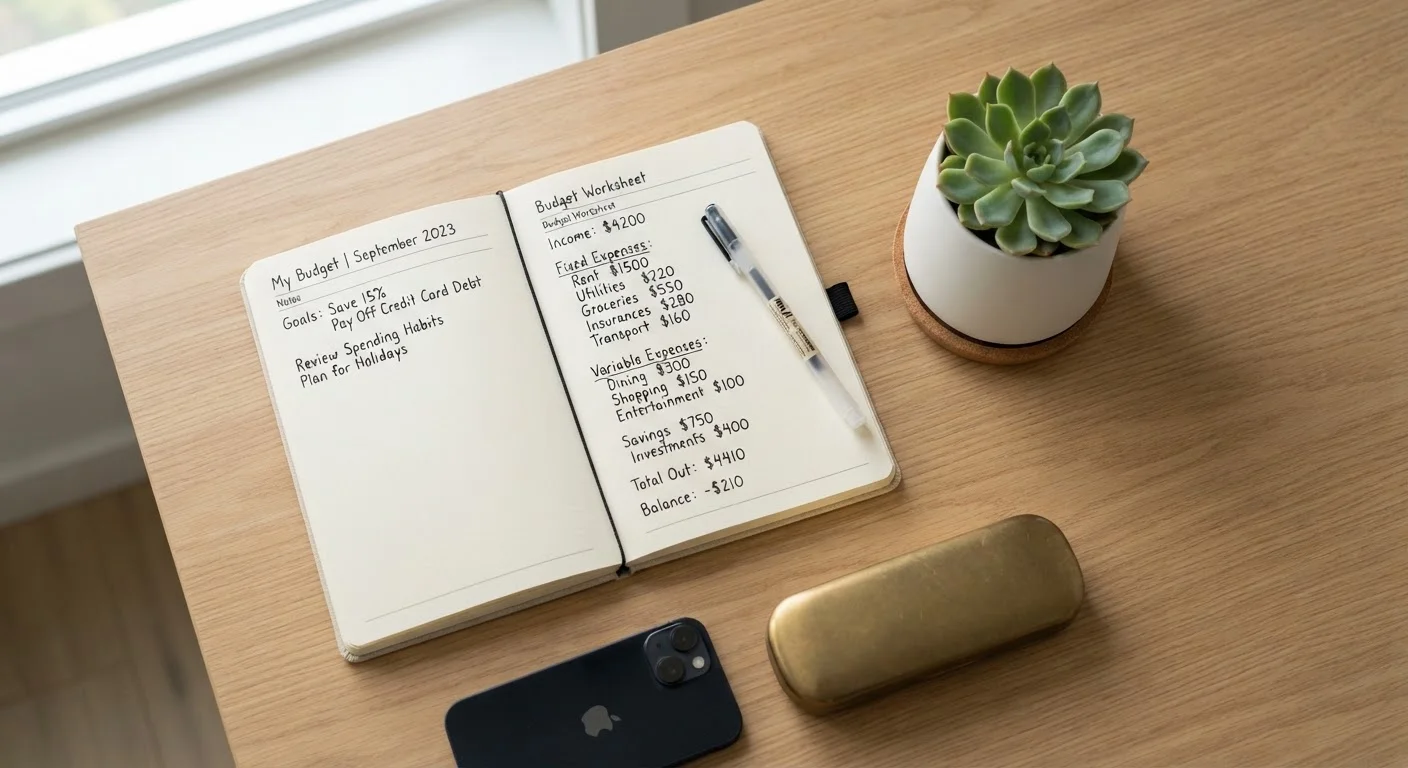
- Does this fit my current budget? If it requires debt or forces you to cut something important, the real cost is higher than the price tag.
- Am I being influenced by a tactic? Urgency language, comparison pricing, and bundled offers can all distort how attractive a purchase appears.
Make the Pause a Habit
Before any non-essential purchase, build in a deliberate pause. Even 60 seconds of asking 'Do I actually need this, and does the value match the cost?' can interrupt an impulse before it becomes a transaction. Over time, this pause becomes automatic - one of the highest-return habits a new spender can develop.
For practical frameworks that pair well with this decision process, the Budgeting Basics hub offers straightforward systems for managing income and expenses.
Common Spending Traps - and How to Dodge Them
Even careful spenders get tripped up by patterns that are deliberately designed to bypass rational decision-making. Knowing what to look for is your best defense.
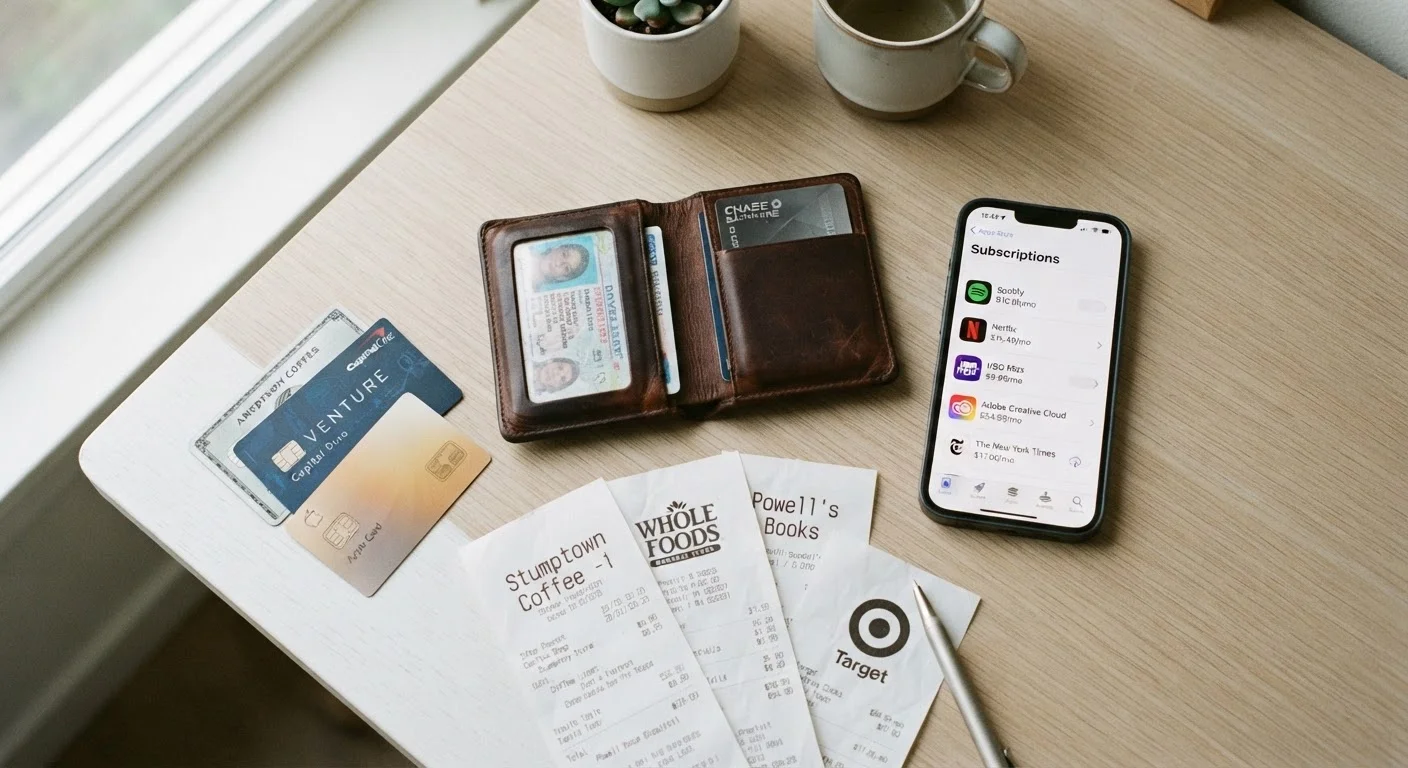
- Subscription creep: Small recurring charges accumulate unnoticed. Auditing your bank statement monthly for subscriptions you've forgotten is a high-return habit.
- Anchoring: When a retailer shows you a high original price alongside a sale price, the original figure anchors your perception of value - even if that original price was artificial.
- The sunk cost trap: Continuing to spend on something because you've already invested in it (rather than because it still makes sense) is a classic error. Past spending doesn't obligate future spending.
- Lifestyle inflation: Automatically upgrading your lifestyle every time income rises, rather than directing some of that increase toward savings or goals.
- Bundling illusions: Paying for packages of features or products when you only need or use a fraction of them.
For a deeper look at these and other hidden traps, Spending Traps Hidden in Plain Sight walks through each one with concrete avoidance strategies.
Urgency Is Often a Tactic
Phrases like 'limited time,' 'only a few left,' or 'sale ends tonight' are designed to compress your decision-making window. Genuine scarcity is rare in modern retail. When you feel rushed into a purchase, that pressure itself is a signal to slow down, not speed up.
Putting It All Together: Your First Steps
Smarter spending isn't a single decision - it's a set of small, repeatable habits that compound over time. Here's where to begin:
- Track your spending for two weeks. Don't judge it yet - just observe. Awareness is the foundation of everything else.
- Pick one category to audit. Subscriptions, dining, or clothing are common starting points. Look for patterns that don't reflect your actual priorities.
- Apply the decision framework to your next three purchases. Practice makes the process faster and more automatic.
- Read up on saving strategies. The Saving Strategies hub offers practical approaches that pair naturally with smarter spending habits.
If your spending extends to areas like clothing, Building Your First Versatile Wardrobe From the Ground Up applies these same principles to fashion decisions specifically.
Progress in this area is gradual but cumulative. Every purchase you evaluate intentionally is a small win - and those wins add up to meaningful financial clarity over time.