What Each Option Actually Involves
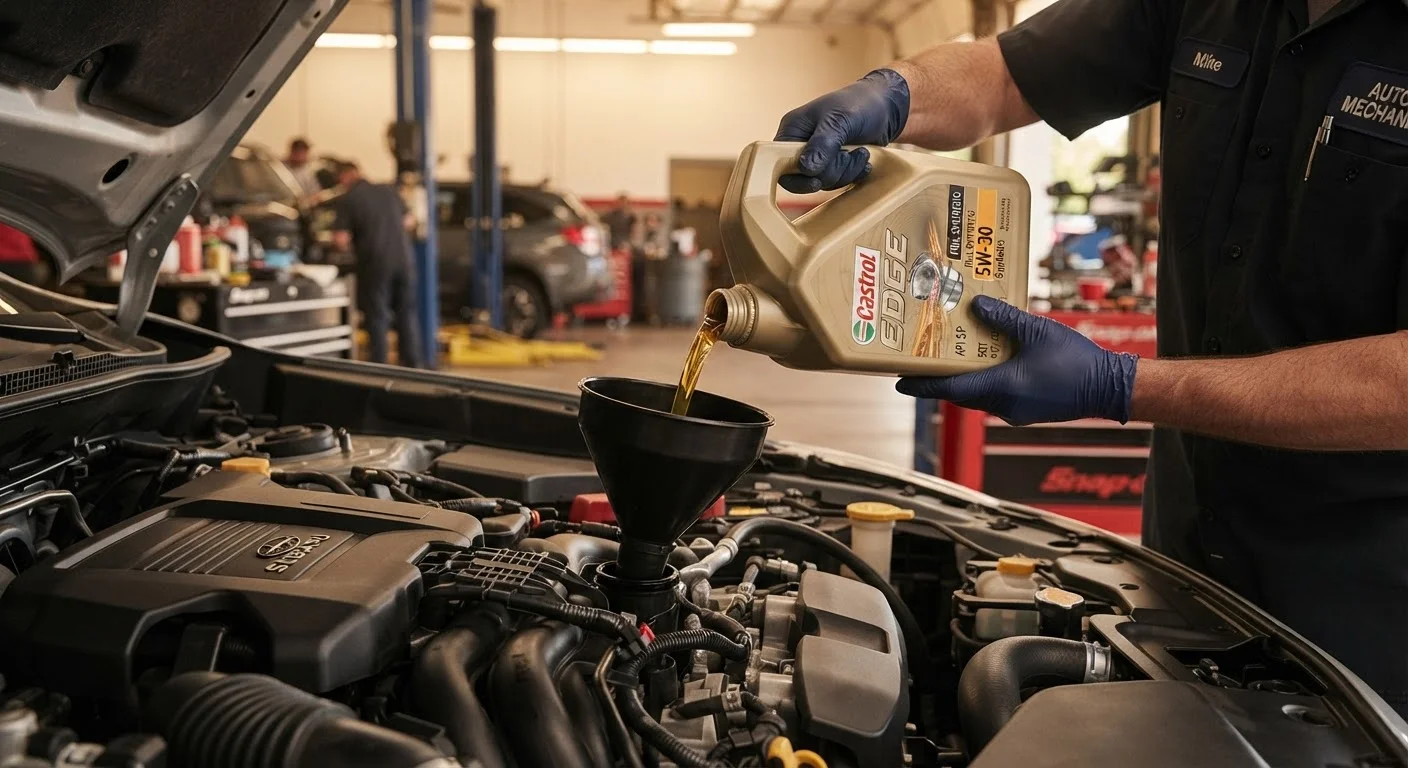
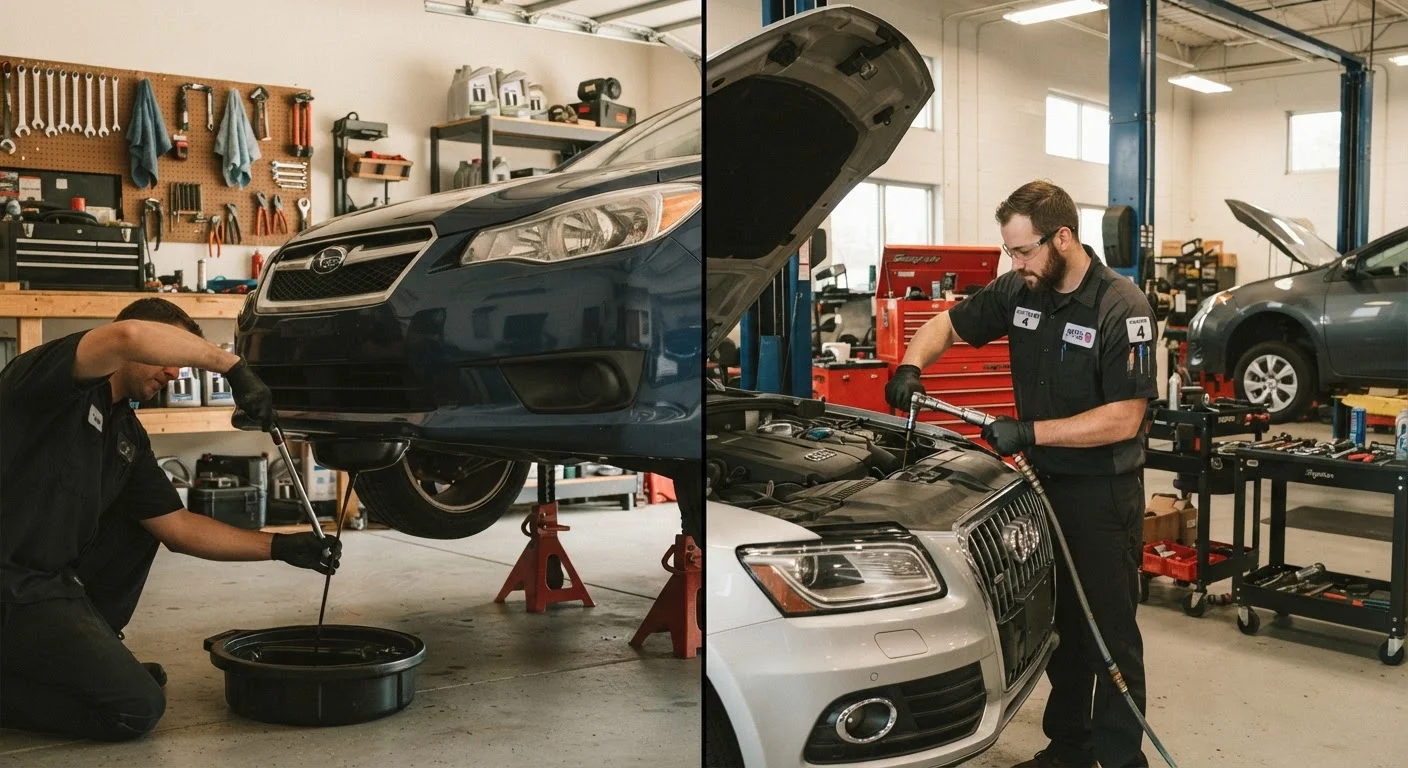
A DIY oil change means sourcing the right oil and filter for your specific engine, safely lifting and supporting the vehicle, draining and replacing the oil, and disposing of the used oil at a recycling center - most auto parts retailers accept it at no charge. Done correctly, it's a straightforward task; done carelessly, an overtightened drain plug or wrong viscosity can cause expensive damage.
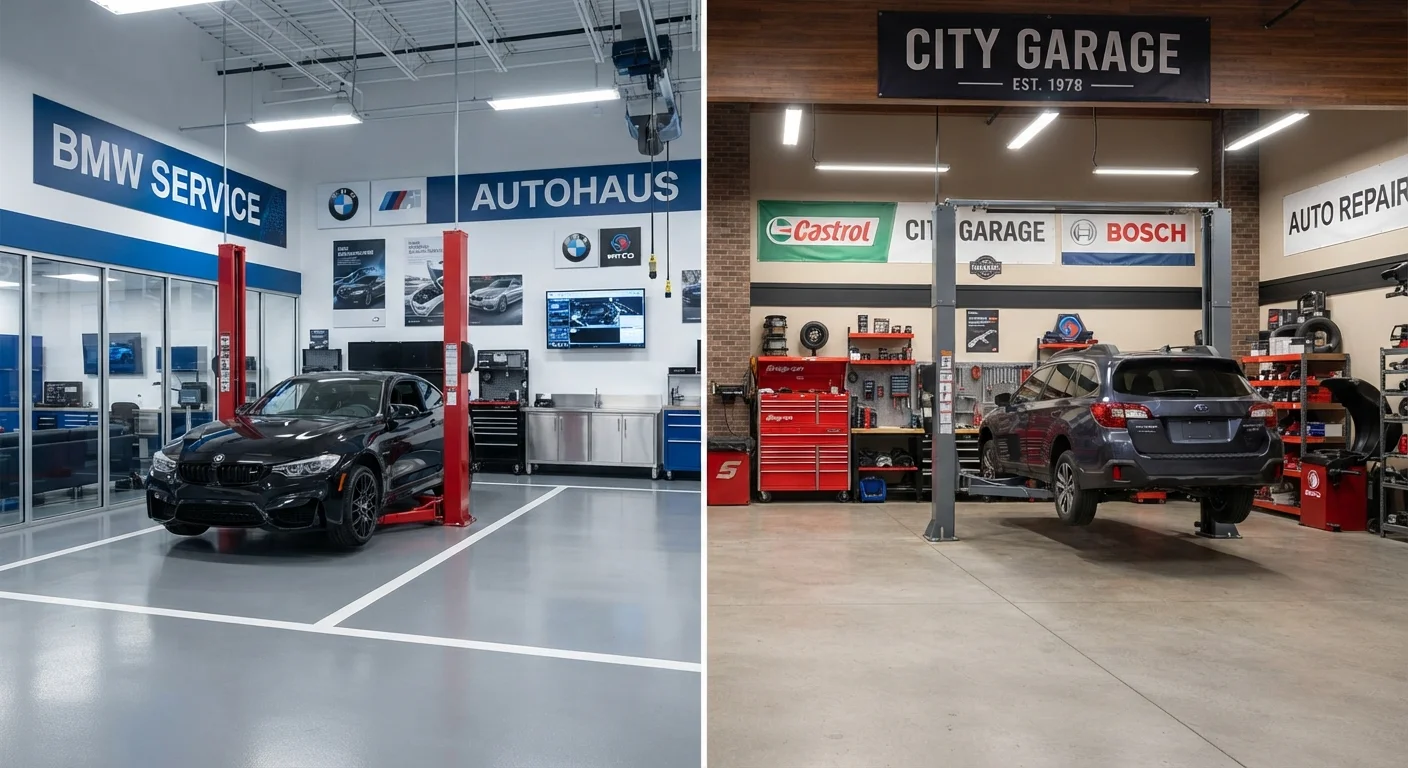
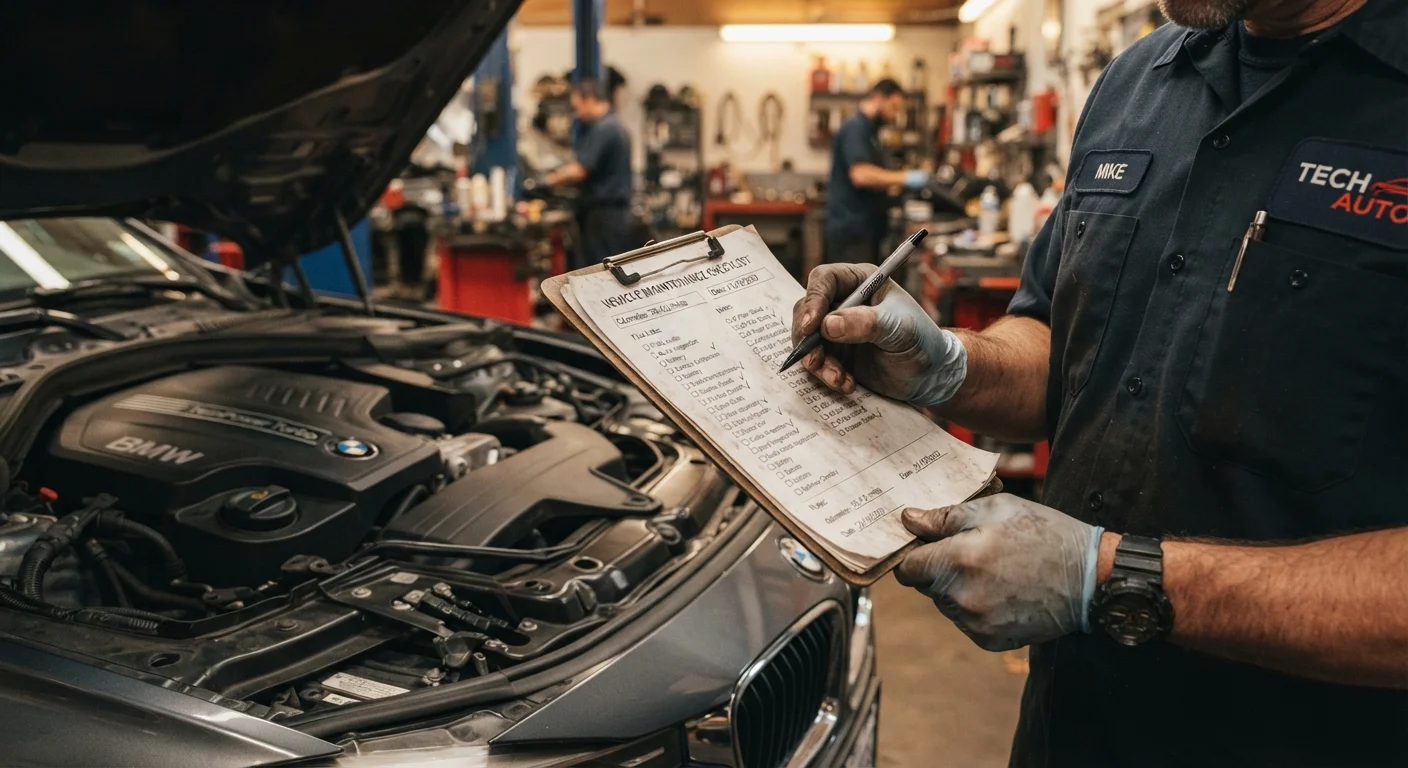
A professional oil change at a shop or quick-lube center means dropping off (or waiting in) your vehicle while a technician handles every step. Most shops include a basic inspection - checking tire pressure, fluid levels, and visible wear - as part of the standard service. See our comparison of dealer service centers vs. independent mechanics for a deeper look at how shop types differ in cost and expertise.
Understanding what you're actually comparing - labor, materials, risk, and time - matters more than assuming one approach is automatically cheaper or better. Our guide to oil change myths costing drivers money also explains how outdated advice still shapes what many drivers believe about service intervals.
Cost, Time, and Tool Considerations
| Criterion | DIY Oil Change | Professional Oil Change |
|---|---|---|
| Typical material cost | $25-$80+ depending on oil type | $40-$100+ depending on shop and oil |
| Time required | 45-90 minutes including setup | 30-60 minutes at the shop |
| Tools needed | Jack, stands, drain pan, wrenches | None - shop provides everything |
| Risk of error | Moderate if inexperienced | Low; technician is trained |
| Vehicle inspection included | Only if you check yourself | Often included as standard |
| Used oil disposal | Your responsibility to transport | Handled by the shop |
| Maintenance record | Self-documented; keep your receipts | Shop receipt and digital log |
The material cost of a DIY oil change varies by vehicle and oil type. Conventional oil and a filter for a standard passenger car may run $25-$40 in materials; full synthetic for a performance or luxury vehicle can easily exceed $60-$80. Compare that to professional service, which typically ranges from $40-$100 depending on oil type, shop type, and region - though pricing varies widely and should always be confirmed directly with a service provider.
What the DIY cost calculation often omits: the initial outlay for a floor jack, jack stands, a drain pan, a filter wrench, and a funnel - tools that can total $100-$200 or more if you don't already own them. That upfront cost amortizes over many changes, but it's real money in the first year.
$100-$200
Estimated DIY starter tool cost
A basic floor jack, jack stands, drain pan, and filter wrench represent a meaningful upfront investment that pays off only after multiple oil changes.
30-45 min
Typical professional service time
Most quick-lube and independent shops complete a standard oil change within this window, though wait times at busy locations may add to your total visit.
Time is another honest variable. An experienced DIYer who has done the job on their specific vehicle can finish in 45-60 minutes. A first-timer should budget closer to 90 minutes, accounting for setup, a cautious approach, and cleanup. A professional shop, by contrast, typically completes the work in 30-45 minutes for a standard vehicle - though peak-hour waits at quick-lube chains can push total time higher.
Risk, Mistakes, and What Professionals Catch
The most common DIY errors aren't exotic: forgetting to reinstall the drain plug before adding new oil, cross-threading the drain plug, using the wrong oil viscosity for the engine spec, or failing to reset the oil life monitor. Any of these can result in damage ranging from a messy spill to a seized engine - the latter being an extremely costly repair. If you're new to DIY maintenance, understanding which maintenance intervals actually matter provides useful context on how oil changes fit into your broader service schedule.
Professional technicians, particularly those at shops you visit regularly, can catch early signs of leaks, worn belts, or low brake fluid - issues a DIYer focused solely on the oil change might overlook. This isn't a guarantee; inspection quality varies by shop and technician. But the incidental inspection value is a genuine benefit worth factoring in.
Always Match the Oil Spec to Your Engine
Your owner's manual specifies the oil viscosity grade and API service category your engine requires - for example, 5W-30 or 0W-20. Using a different viscosity than specified, even a thicker one, can affect fuel economy and engine protection. This applies whether you're changing oil yourself or verifying what a shop uses. When in doubt, consult the manual or the sticker inside your driver's door jamb.
One area where DIY carries an often-overlooked obligation: used motor oil is a regulated waste. It cannot go in household trash or be poured down a drain. Most automotive retailers and many municipal facilities accept used oil at no cost, but you're responsible for transporting it correctly. This is a minor but real logistical step that a shop handles automatically.
For drivers who skip oil changes altogether, the downstream cost tends to be severe. Our article on why skipping routine maintenance catches up with you details how small delays compound into major repairs.