How P2P Car Sharing Actually Works
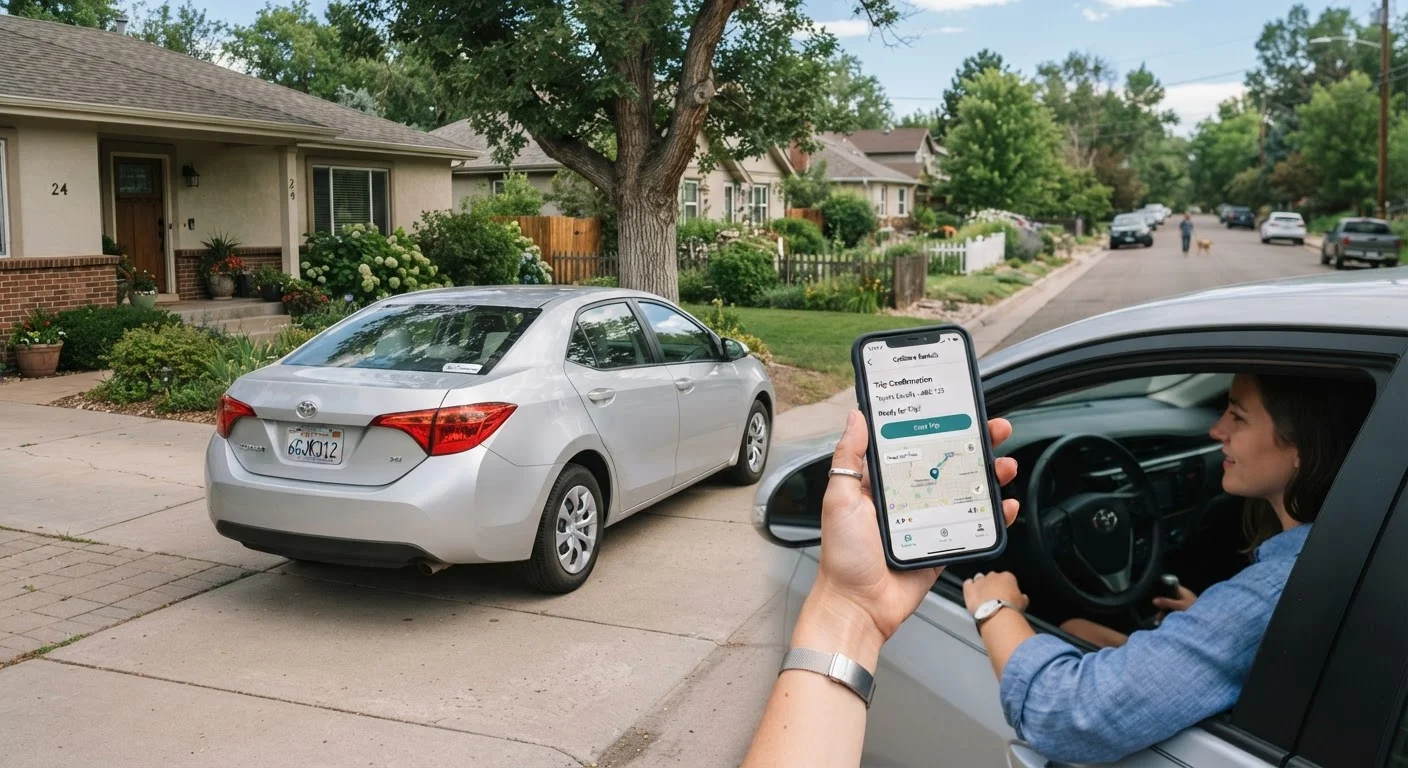
In a peer-to-peer car sharing arrangement, a private vehicle owner lists their car on a digital platform, sets availability and pricing, and a verified renter books the vehicle for a defined period. The platform typically handles payment processing, identity verification, and provides some layer of protection for both parties during the rental window.
This model differs fundamentally from traditional car rental. There is no standardized fleet, no dedicated maintenance team, and no guarantee of a uniform experience from one vehicle to the next. The car you rent belongs to someone's household - which can mean a cleaner, more personal vehicle, or it can mean inherited unknowns about the car's history and condition.
For a broader picture of how P2P car sharing fits among the full range of alternatives to vehicle ownership, see our map of modern mobility options.
~30%
Portion of time average U.S. car sits unused
Research cited by transportation planners suggests privately owned vehicles are parked or idle the vast majority of each day, which is the core utilization argument P2P platforms use to attract owners.
43 states
States with some form of P2P car sharing legislation
As of recent reporting, most U.S. states have enacted or are considering laws specifically addressing P2P car sharing insurance requirements, though the specifics vary considerably by jurisdiction.
Insurance: The Most Critical Variable for Both Sides
Insurance is where most misunderstandings - and most financial exposure - occur in P2P car sharing. The coverage landscape is fragmented and varies by platform, by state, and by the terms of the owner's personal auto policy.
For Vehicle Owners
Most personal auto insurance policies contain an exclusion for vehicles used for commercial or hire purposes. Renting out your car, even occasionally, can fall under that exclusion. If an accident occurs during a rental period and your insurer determines the vehicle was being used commercially, your claim could be denied.
Some platforms offer their own protection programs that activate when a rental is in progress. However, these programs are not identical to a traditional insurance policy and may have significant exclusions or sub-limits. Before listing your vehicle on any platform, contact your insurance provider directly to understand what is and is not covered - and whether you need to add an endorsement or a separate commercial-use policy.
For Renters
Renters face a parallel question: does their existing personal auto policy extend to vehicles they do not own? Some policies do include non-owned vehicle coverage, but this varies by insurer and policy type. Platform-provided coverage during the rental window may serve as the primary protection, but renters should not assume it is comprehensive. Reading the platform's coverage summary before booking is essential, not optional.
Ask Your Insurer Before You List or Rent
A five-minute phone call to your insurance provider can reveal critical gaps before they become expensive problems. Ask specifically whether your policy covers periods when your car is rented out, or whether it extends to non-owned vehicles you rent through a P2P platform. Get the answer in writing if possible - verbal assurances are difficult to act on when a claim is filed.
What Owners Should Consider Before Listing
Beyond insurance, vehicle owners should weigh several practical and legal factors before making their car available through a P2P platform.
- Loan or lease restrictions: If your vehicle is financed or leased, your lender or lessor may prohibit renting it to third parties. Review your contract or speak with your lender before listing.
- Maintenance obligations: A vehicle being rented to others carries an implicit responsibility that it is roadworthy. Keeping up with scheduled maintenance is not just good practice - it reduces liability exposure. The maintenance and repairs hub covers what responsible upkeep looks like.
- Tax implications: Rental income is generally taxable. Owners may be able to deduct certain vehicle-related expenses, but the rules are specific and situation-dependent. A licensed tax professional can help clarify reporting obligations.
- Documentation: Photograph the vehicle thoroughly before and after every rental period. Most platforms have a formal process for this - use it consistently.
Owners in one-car households should also think carefully about availability tradeoffs. Renting out your only vehicle creates scheduling dependencies. Our article on managing a single-car household explores how families handle transportation gaps when a vehicle is unavailable.
What Renters Should Evaluate Before Booking
For renters, P2P car sharing can offer flexibility and variety that traditional rental agencies may not match - particularly for longer trips, specialty vehicles, or locations where agency branches are sparse. But informed renters approach each booking with clear eyes.
Before confirming a booking, renters should:
- Review the vehicle listing carefully, including photos, owner ratings, and any noted limitations or quirks.
- Understand the platform's damage and liability framework - what happens if you're in an accident, and how claims are filed.
- Confirm your own insurance situation: does your personal auto policy or a credit card benefit extend any coverage to rented non-owned vehicles?
- Inspect the vehicle at pickup and document any pre-existing damage using the platform's check-in tools. Never skip this step.
- Clarify fuel, mileage, and return policies before driving away.
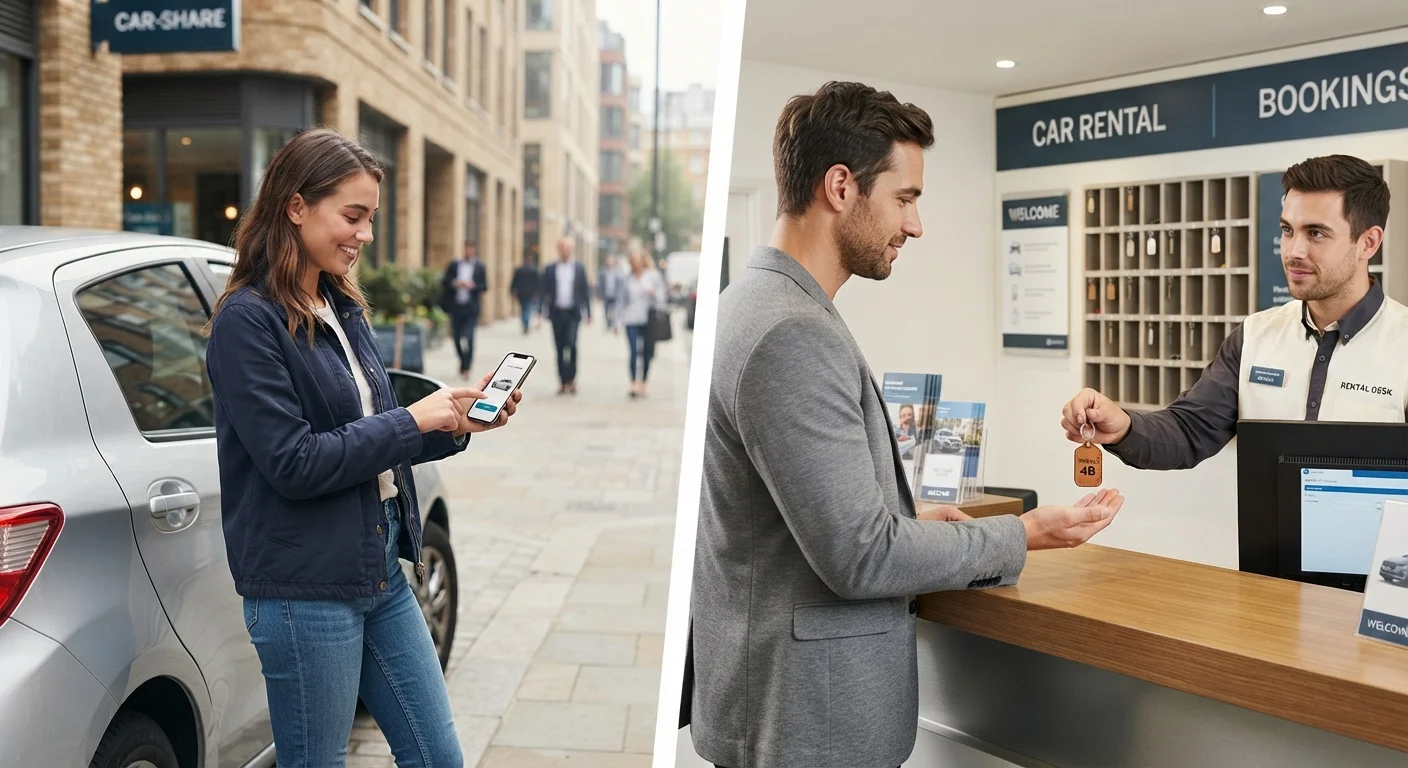
P2P car sharing occupies a distinct niche compared to other shared mobility tools. For a different perspective on short-term vehicle access, see carsharing vs. traditional car rental.
This article provides general educational information about peer-to-peer car sharing. It is not legal, financial, tax, or insurance advice. Readers should consult licensed professionals - including a qualified insurance agent, tax adviser, or attorney - before making decisions about listing or renting a vehicle through any platform. Coverage terms, tax obligations, and regulations vary by location and individual circumstance.