
Why the Car-Only Mindset No Longer Fits
For most of the 20th century, owning a personal vehicle was the default assumption for American adults. That assumption has grown increasingly expensive to maintain. AAA estimates that the average annual cost of owning and operating a new vehicle now exceeds $12,000 when you factor in depreciation, fuel, insurance, and maintenance - a figure that strains household budgets in a way it simply didn't a generation ago.
At the same time, the menu of alternatives has expanded dramatically. Bikeshare docking stations, app-based carshare pods, on-demand rideshare, and integrated transit networks now serve a growing share of American metro areas. The question for many households is no longer car or no car - it's which combination of options delivers reliable mobility at a cost that makes sense.
This guide maps every major category available to American commuters today, explaining how each works, who it tends to serve well, and where it falls short. Whether you're reconsidering full car ownership or simply looking to reduce driving days, the goal is to give you a clear, honest picture of what's actually available.
For a broader look at how vehicle ownership fits into your overall financial picture, the Car Ownership Basics hub covers the essentials every owner should understand.
Public Transit: The Foundation of Most Mobility Networks
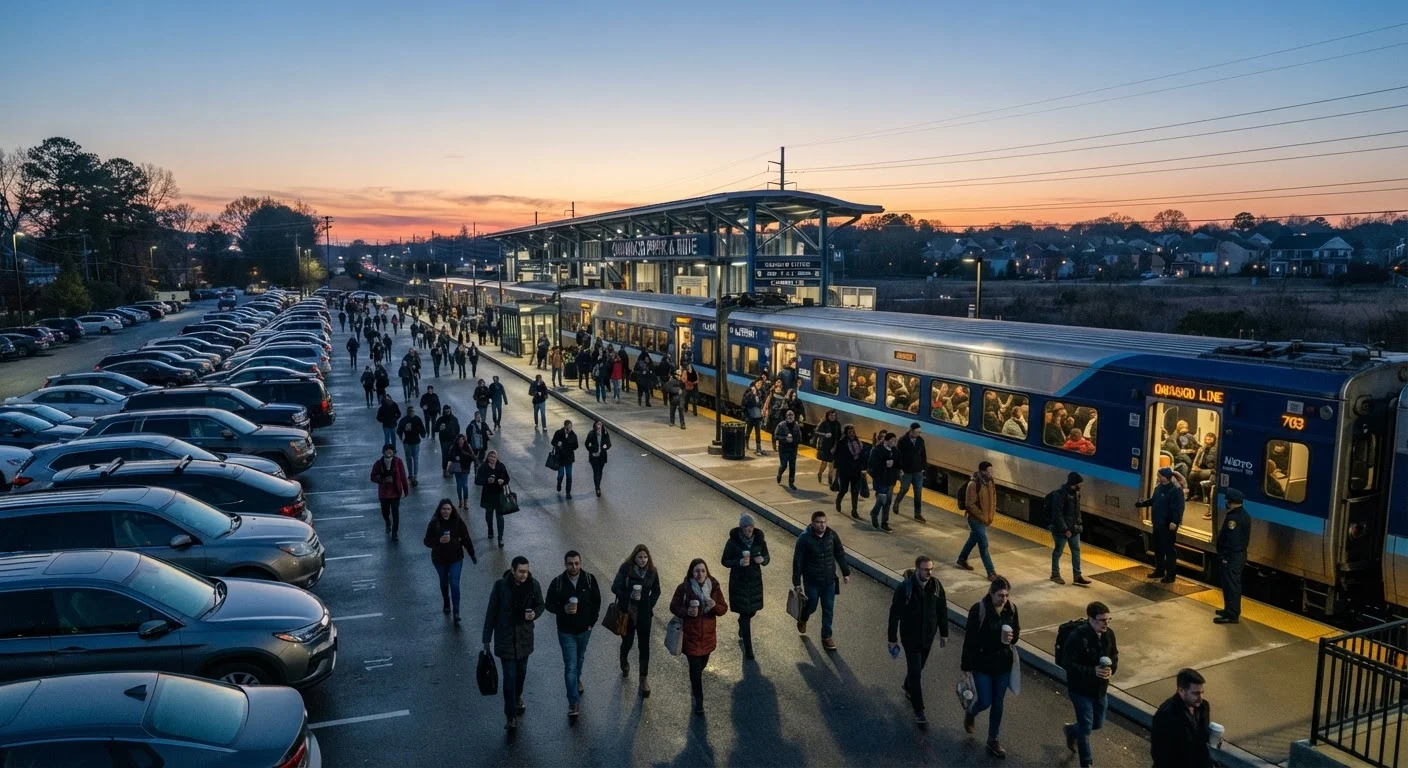
Buses, light rail, subway systems, and commuter rail remain the backbone of urban mobility in the U.S. In dense metro areas, a monthly transit pass typically costs between $100 and $130 - a fraction of what personal vehicle ownership runs. Transit works best when routes align closely with your daily origin and destination points and when service frequency is high enough that wait times stay manageable.
The real-world utility of transit varies enormously by city. A monthly pass in New York, Chicago, or Washington D.C. may genuinely replace a car for most trips. In mid-size cities with less frequent service, transit often functions better as a supplement rather than a sole mode. Before making any decisions, it's worth mapping your most common trips against actual route schedules - not just what the system map looks like in theory.
Check Service Frequency, Not Just Coverage
A transit route that runs every 30 minutes is very different from one that runs every 8 minutes. When evaluating transit viability, always look at headways (time between arrivals) for your specific route and time of day - not just whether the line appears on a map. Many transit agency apps show real-time frequency data for free.
For commuters with longer distances to cover, options like commuter rail, vanpools, and park-and-ride programs can dramatically lower both cost and stress. Our guide on park-and-ride, vanpool, and commuter rail covers who tends to benefit most from each.
Shared Mobility: Carshare, Bikeshare, and Scooters
Shared mobility sits between transit and personal ownership - you get access to a vehicle when you need one, without the fixed costs of owning it. The three main categories work differently:
- Station-based carshare lets members reserve a vehicle by the hour from designated parking spots. It suits occasional errands and trips that are hard to cover on transit.
- Free-floating carshare allows you to pick up and drop off vehicles anywhere within a defined service zone - more flexible, but less predictable for advance planning.
- Bikeshare and e-scooter programs work well for short urban trips under two or three miles. Many cities operate subsidized docked bikeshare systems; private e-scooter operators fill gaps in between.
Carshare programs typically charge by the hour or by the mile (or a combination), with membership fees that vary by provider. Occasional users - those who drive fewer than roughly five to eight times per month - often find the math works in their favor compared to ownership.
Before committing to carshare membership, track your actual vehicle-use occasions for 30 days - not your perceived use. Most people overestimate how often they truly need a car, which means they also overestimate the cost of not owning one.
Self-reported driving frequency consistently exceeds logged frequency in mobility research, leading households to over-invest in personal vehicle costs relative to their actual needs.
When calculating rideshare costs, use your last three months of actual spending rather than estimating - surge pricing and routine trips add up in ways that are easy to undercount.
Transportation budget analysis consistently shows that actual rideshare spending runs 20-40% higher than what users estimate, particularly for households that rely on it during peak hours.
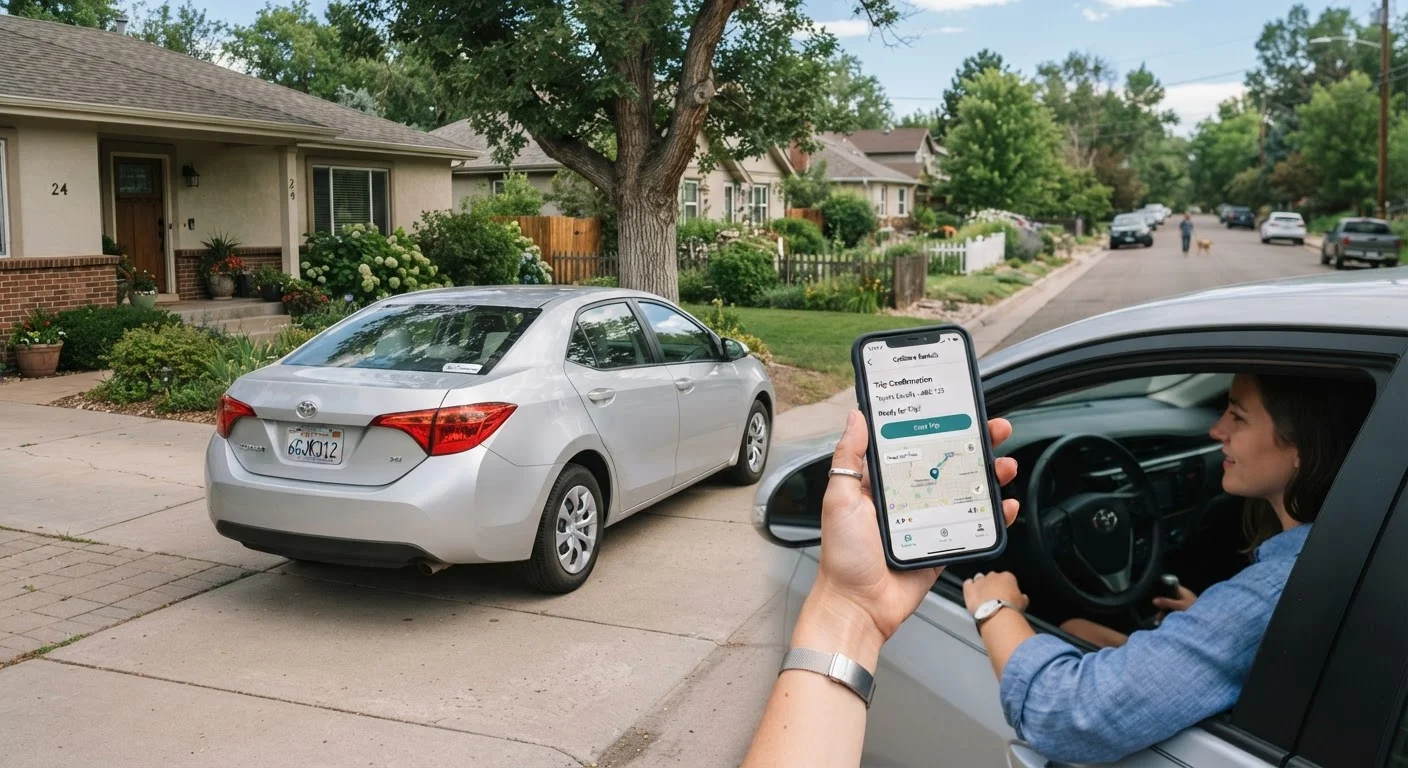
For those considering renting from private owners rather than corporate fleets, the dynamics are different. Our piece on peer-to-peer car sharing explains what both owners and renters should understand before using those platforms.
Rideshare and On-Demand Services
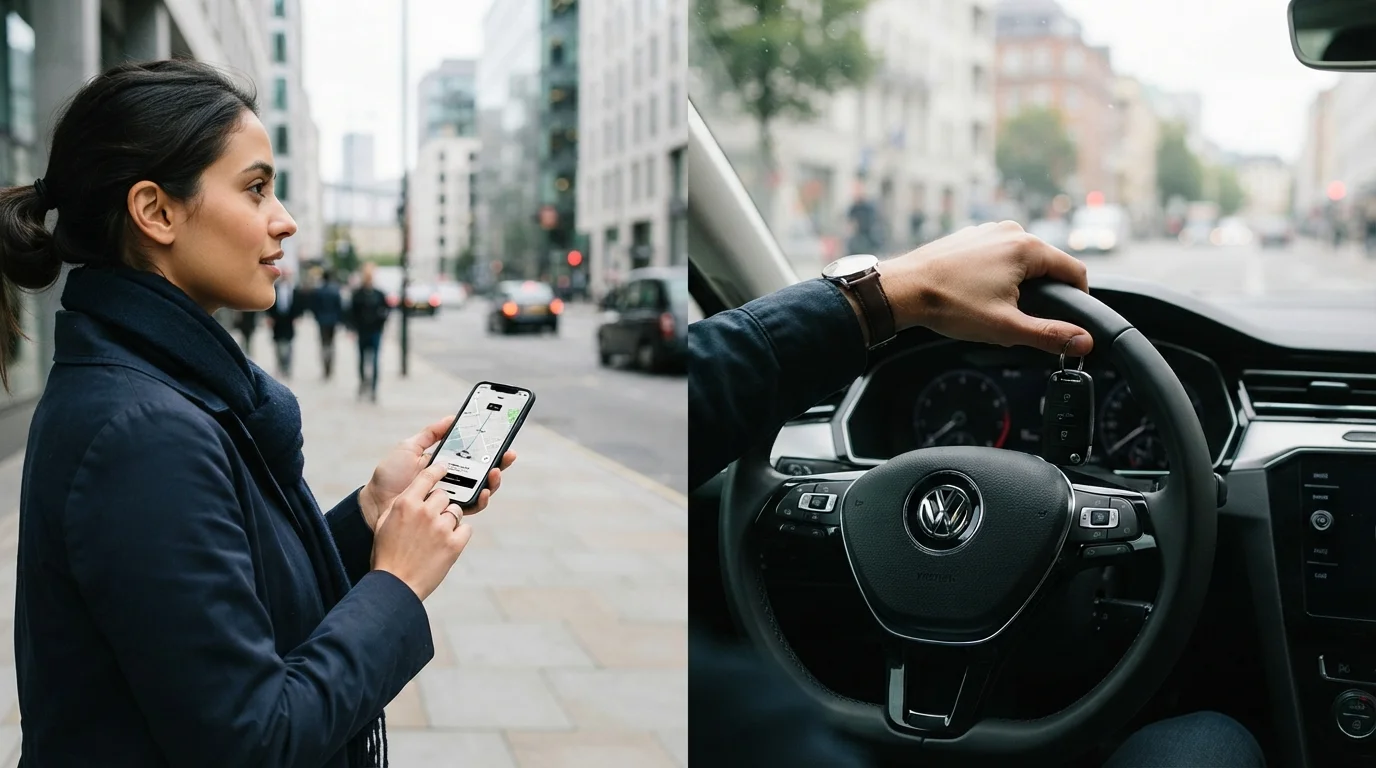
App-based rideshare services connect passengers with drivers on demand. For many Americans, rideshare has become a go-to solution for trips that transit doesn't serve conveniently - late-night travel, trips with heavy luggage, or routes with poor frequency.
The economics of relying on rideshare heavily depend on trip volume. Occasional users in urban areas can save significantly compared to ownership. Frequent riders, however, can find costs escalating quickly, particularly in markets with surge pricing during peak hours or weather events.
$12,000+
Average annual cost of new vehicle ownership
AAA's annual 'Your Driving Costs' study includes depreciation, fuel, insurance, maintenance, and financing.
$100-$130
Typical monthly transit pass cost in major U.S. cities
Figures reflect common monthly unlimited pass pricing in major metro transit systems as of recent years; rates vary by city.
45%
Americans live in areas with some transit access
American Public Transportation Association data indicates the majority of Americans live within reach of some form of public transit service.
Rideshare is most powerful as one piece of a larger mobility mix rather than a standalone replacement for a car. For a detailed framework on when rideshare beats ownership and vice versa, see our analysis of rideshare vs. personal vehicle tradeoffs.
Employer and Commuter Programs Worth Knowing
Many Americans leave meaningful transportation benefits unclaimed. Under current federal tax law, employers can offer pre-tax commuter benefits that allow employees to set aside money for transit passes and certain vanpool costs, reducing taxable income in the process. The specific limits and eligible expenses are set by the IRS and updated periodically - check with your HR department for current figures.
Beyond the federal benefit, some employers offer subsidized transit passes, carpool matching programs, or emergency ride-home guarantees (a free rideshare trip home if you commuted by transit and face an unexpected situation). These programs are especially common in larger companies and government employers.
Commuter Benefit Rules Change Periodically
Federal pre-tax commuter benefit limits are set by the IRS and adjusted from time to time. The specific amounts eligible for transit passes and vanpool costs differ from those for parking. Always verify current limits with your employer's HR or benefits administrator rather than relying on figures from older sources.
If you're planning a major relocation and want to evaluate how well a city's transit network can support a car-reduced lifestyle, our guide on evaluating a city's transit network before you relocate offers a practical checklist.
Building a Mixed Mobility Strategy
The most practical approach for most Americans isn't choosing one mode - it's assembling a mix that covers different trip types at the lowest combined cost and inconvenience. A workable framework starts by categorizing your trips: daily commute, weekly errands, occasional long-distance travel, and rare special situations. Each category may point toward a different solution.
A common pattern for urban and inner-suburban households: transit for the daily commute, bikeshare or walking for short local trips, and carshare or rideshare for errands that require a vehicle. That combination can cost well under half of what full car ownership runs annually, depending on local rates and usage.
If you've decided to skip car ownership entirely and want to build a realistic budget around the alternatives, our guide on structuring a car-free transportation budget walks through the math. For households on the fence - particularly in suburban settings - common misconceptions about car-free suburban life addresses assumptions that often don't hold up in practice.
The key insight is this: mobility is a service, not a product. The right mix is the one that reliably gets you where you need to go, at a cost your budget can sustain, without requiring more planning overhead than you're willing to carry. That calculation is different for every household - but it starts with knowing what's actually on the table.
To understand how transit, rideshare, and carshare are increasingly being bundled into unified platforms, see our explainer on what Mobility as a Service means and why it matters now.